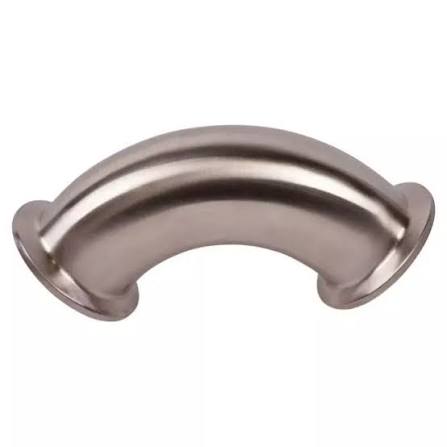
What is the difference between pipe and elbow?
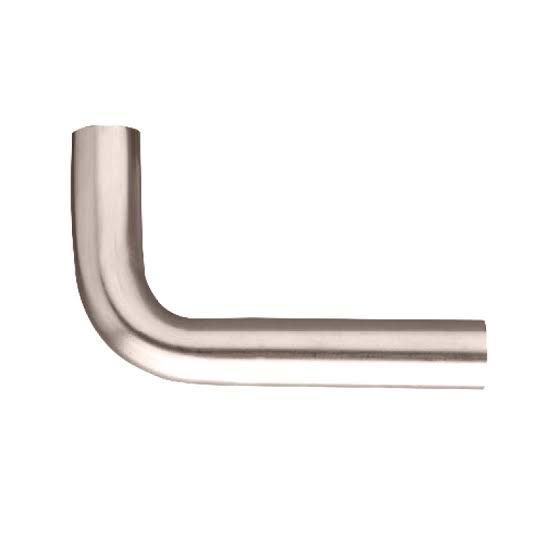
In construction sites, pipe and elbow perform entirely different functions. Straight pipes are responsible for long-distance medium transportation, while elbows are applied to change pipeline directions. The coordination of both components forms a complete water supply and drainage, fire protection, or HVAC system. Nevertheless, numerous engineering issues stem from improper selection — for instance, applying ordinary elbows under high pressure or using welded-type products in areas inconvenient for welding.
Common Problems and Solutions in the Construction Industry
Problem 1: How to avoid collisions in densely arranged pipeline areas while ensuring fluid efficiency?
Inside the core tubes of high-rise buildings, pipelines are densely distributed. Improper 90° direction transition will cause a sharp rise in pressure loss.
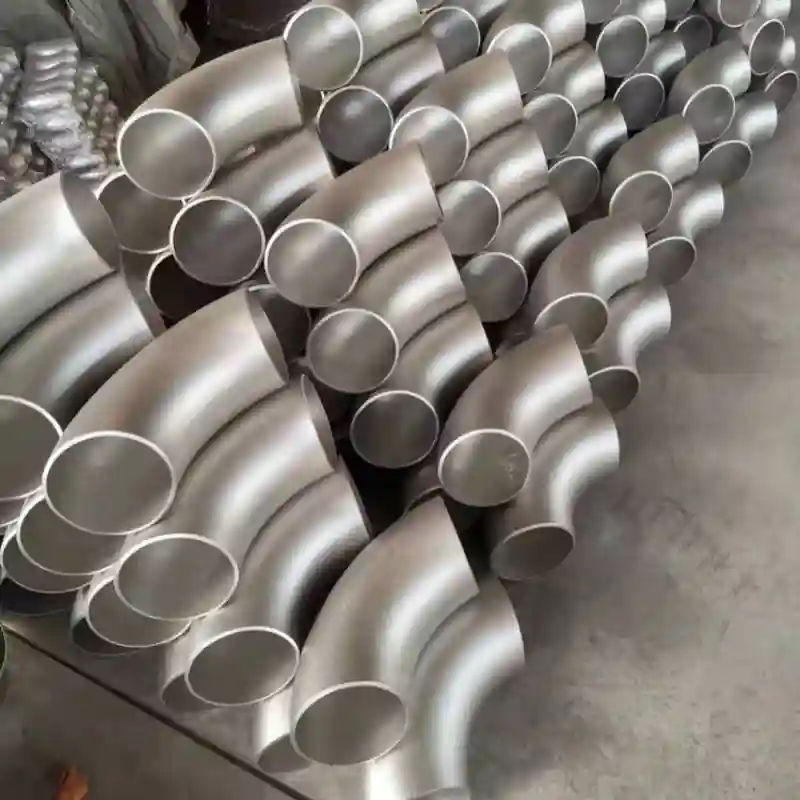
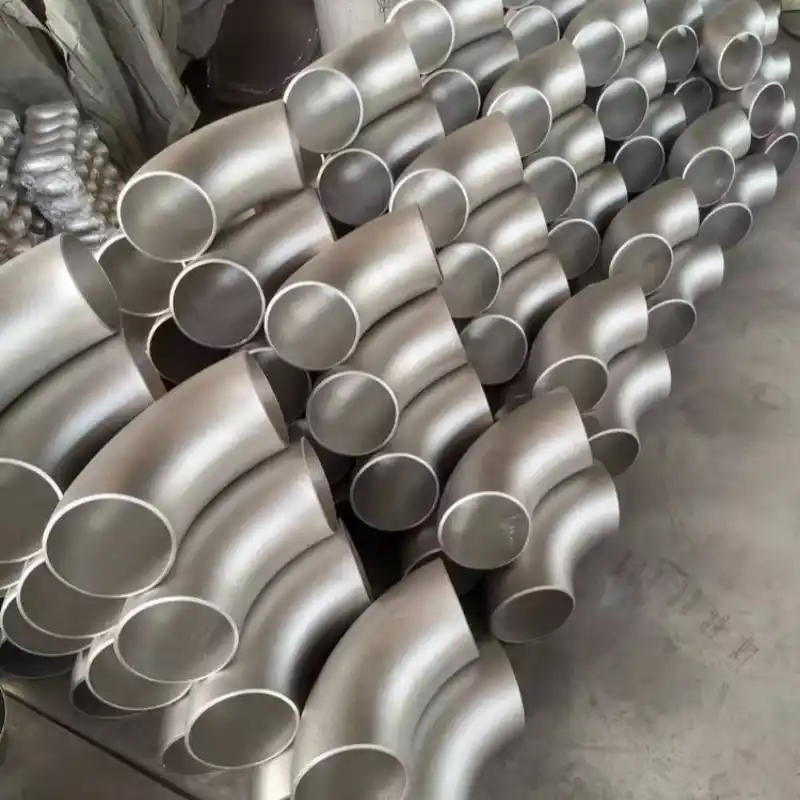
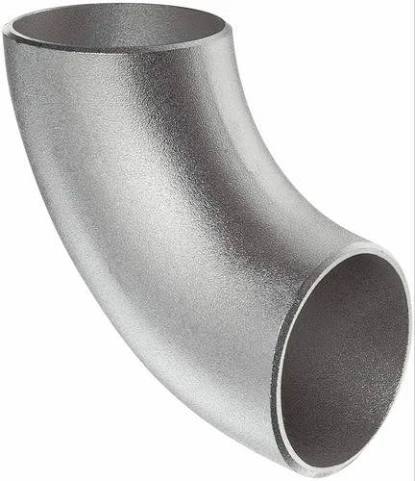
Solution: Prioritize the adoption of pipe 90 degree bend with a large curvature radius (curvature radius ≥ 1.5 times the pipe diameter, e.g., DN100 pipe matched with an elbow of R=150mm). It can reduce local resistance by approximately 20% compared with standard 1D elbows. If the space is extremely limited, replace a single 90° elbow with two 45° elbows, which prevents direct pipeline collision and lowers turbulence.
Problem 2: Should metal elbows or threaded/welded elbows be selected for different pressure conditions?
Leakage and fracture incidents on many construction sites are caused by confusion over connection types.
Solution:
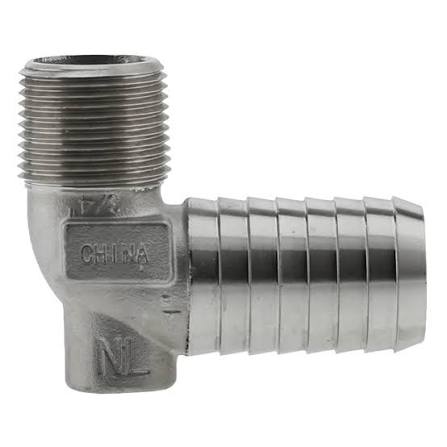
- Low pressure (≤1.6 MPa) or temporary pipelines: Adopt elbow pipe with thread. It enables rapid installation; wrap PTFE tape during construction and control the torque within the recommended range of 20-30 N·m.
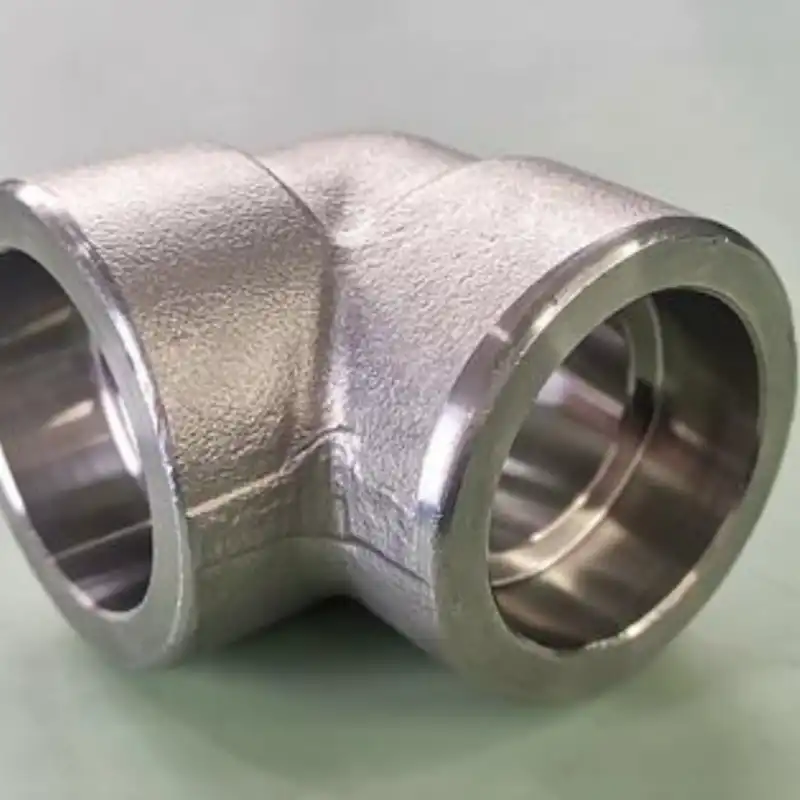
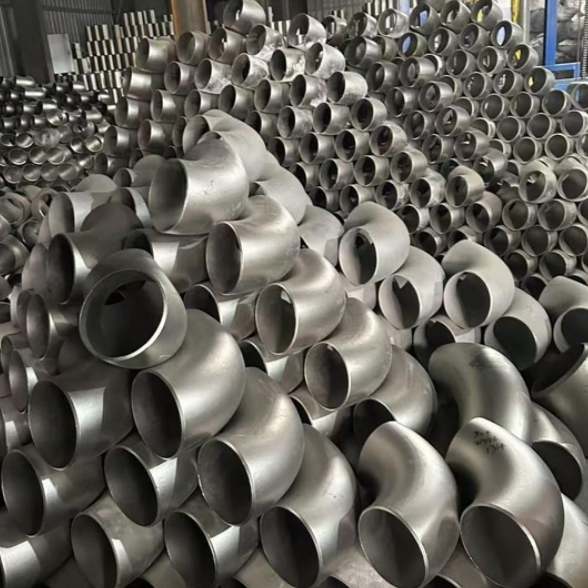
- Medium and high pressure (2.5~10 MPa) and vibration-prone environments: elbow pipe welding is mandatory. The groove angle shall be 37.5°±2.5° with argon arc welding for backing welding. Typical materials include ASTM A234 WPB with a wall thickness grade above Sch40.
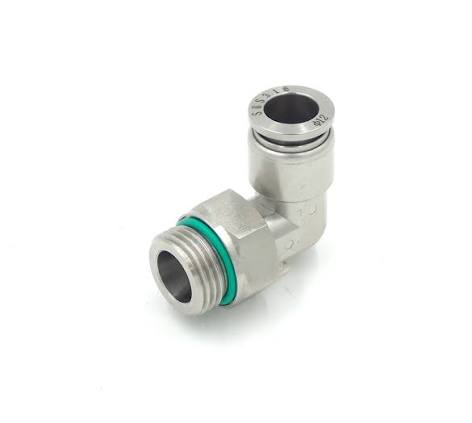
- Corrosive media or high-temperature steam: Choose stainless steel (304/316L) or alloy steel options among elbow pipe metal, and verify the intergranular corrosion test report.
From Differentiation to Practice: Core Parameter Selection for Elbows
Distinguishing between pipes and elbows is only the first step. True professionalism lies in selecting elbows of varying wall thicknesses based on force-bearing zones for elbow of pipe at different positions on the same straight pipe. For example, bottom elbows of building risers bear higher static pressure, so it is recommended to upgrade the wall thickness grade by one level (e.g., Sch40→Sch80).
The international standard ASME B31.3 clearly stipulates that the manufacturing tolerance, ovality and minimum back-arc thickness of welded elbows shall comply with relevant material specifications.
Summary
Pipes set the delivery route, and elbows realize direction change. In construction projects, verify model selection from four dimensions — connection type (threaded/welded), metal material, and 90° bending radius — in accordance with pressure, space, conveyed medium and installation methods. This can effectively prevent leakage risks and ensure overall structural safety.