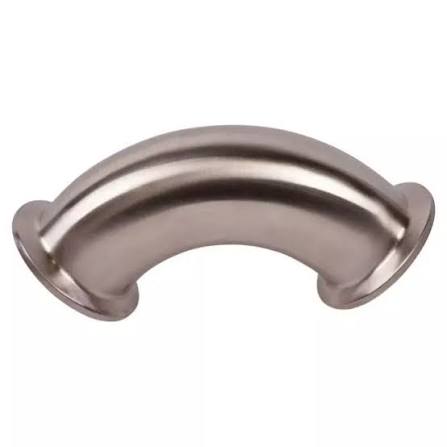
What Is a Weld Pipe End Cap and How to Choose?
In piping systems, the treatment of pipe ends is critically important. As a permanent pipe-closure solution, the Weld Pipe End Cap is widely used in industries such as petroleum, chemical, power generation, and shipbuilding.
Connected to the pipe end by welding, it not only provides sealing but also withstands high internal pressure and temperature.
To understand how to select the right pipe cap, it is first necessary to clarify the pipe end cap types. Based on the connection method, they fall into three main categories:
-
Butt Weld Cap – This is the most common type. During installation, the cap’s bevel is directly aligned with the pipe and joined by full-penetration butt welding. Its advantages include high connection strength, excellent sealing performance, and a wide size range (typically covering DN15 to DN1200). This type is often used on main pipelines under high temperature and high pressure.
-
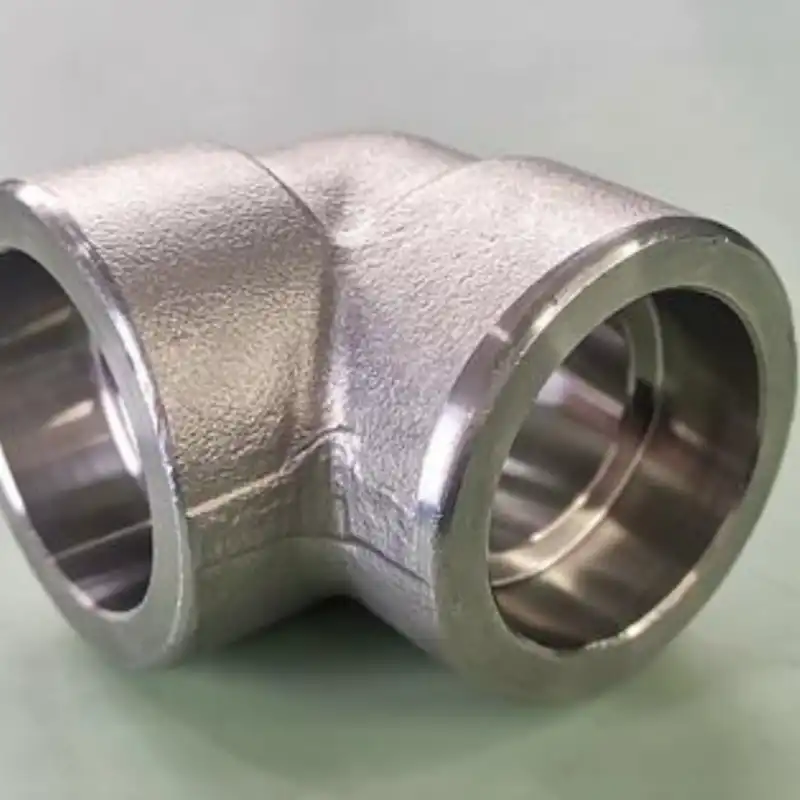
Socket Weld Cap – Installation involves inserting the pipe into the socket hole of the cap before welding. This connection is suitable for small diameters (generally below DN50) or high‑pressure conditions, offering good alignment and leak resistance.
-
Threaded Cap – Connected via NPT or BSP threads. This type is not permanent; it is removable and reusable, typically applied in low‑pressure, normal‑temperature, small‑bore lines.
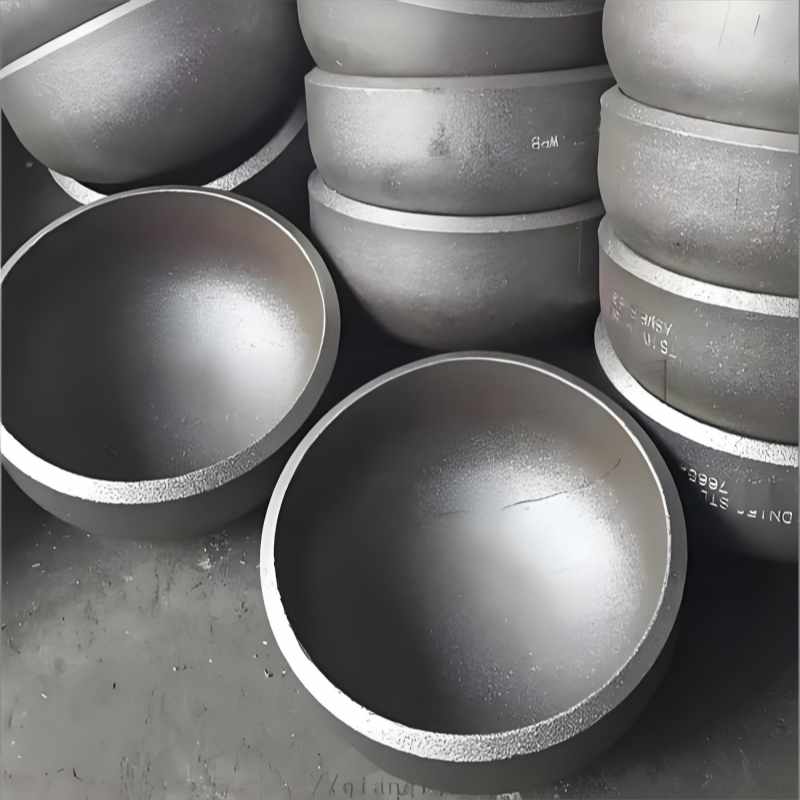
Once the connection structure is determined, material selection directly affects the cap’s performance and service life. As a professional manufacturer, we strictly follow ASTM standards in material selection. For general service, carbon steel such as ASTM A234 WPB offers excellent cost‑effectiveness; for corrosive environments, stainless steel grades like ASTM A403 WP304/316L are preferred due to their outstanding resistance to intergranular corrosion; while for severe conditions involving high temperature/pressure or cryogenic service, alloy steel (e.g., WP11/WP22) or low‑temperature steel (e.g., WPL6) should be selected.
For industrial applications, we strongly recommend the use of weld on pipe end caps. Such welded caps must be installed in strict compliance with the Welding Procedure Specification (WPS). Post‑weld non‑destructive testing (NDT), such as radiographic or magnetic particle inspection, is typically advised to ensure that the weld is free from porosity or lack of fusion defects.
In summary, selecting the right welded pipe cap requires comprehensive consideration of pipe end cap types, material grade, and service parameters (pressure and temperature). AIFN strictly adheres to standards such as ASME B16.9 and GB/T12459, committed to providing high‑durability pipe‑closure solutions for global customers.
Proper selection of a Weld Pipe End Cap is not only key to ensuring safe pipeline operation but also an investment that extends the entire piping system’s service life.