What Is Sch 40 Pipe? Wall Thickness Rating Explained & Selection Guide
✏️In the field of piping engineering, what is sch 40 pipe refers to a wall thickness rating – a standardized classification system for pipe wall thickness.
✏️This article systematically explains the definition, dimensional parameters, material options, pressure capacity, and fitting matching points of Sch 40 pipe, helping you select correctly in real projects.
1. What is Schedule (Wall Thickness Rating)?
The term “Schedule” originates from the wall thickness classification system in the piping industry. The outer diameter of a pipe is fixed, but the wall thickness can vary depending on the service condition. Thicker walls allow higher pressure resistance. The system uses “Schedule” followed by a number to indicate wall thickness – the larger the number, the thicker the wall.
Schedule 40 is a standard wall thickness rating, between thin-wall Sch 10 and thick-wall Sch 80. It is widely used in medium and low pressure piping systems, offering an ideal balance between performance and economy, and is one of the most commonly used wall thickness specifications globally.
✅ Core definition: what is sch 40 pipe? Simply put, it is a pipe with a fixed outer diameter and a standard wall thickness rating, suitable for medium and low pressure transport of water, gas, oil, etc.
2. Dimensional Parameters of Sch 40 Pipe
Understanding Sch 40 requires mastering its dimensional data. The table below lists key dimensions for common sizes of Sch 40 steel pipe from 1/2″ to 8″:
| Nominal Pipe Size (NPS) | Outer Diameter (mm) | Wall Thickness (mm) | Weight per Meter (kg) |
|---|---|---|---|
| 1/2″ (DN15) | 21.3 | 2.77 | 1.27 |
| 3/4″ (DN20) | 26.7 | 2.87 | 1.69 |
| 1″ (DN25) | 33.4 | 3.38 | 2.50 |
| 2″ (DN50) | 60.3 | 3.91 | 5.44 |
| 4″ (DN100) | 114.3 | 6.02 | 16.07 |
| 6″ (DN150) | 168.3 | 7.11 | 28.26 |
| 8″ (DN200) | 219.1 | 8.18 | 42.55 |
Key point: The wall thickness of Sch 40 is not a fixed constant. As the nominal size increases, the wall thickness also increases to ensure that larger diameter pipes have sufficient structural strength at the same pressure rating. For example, 1″ Sch 40 has a wall thickness of 3.38 mm, while 8″ reaches 8.18 mm.
If you are working with small to medium sized pipes, pipe 2 inch schedule 40 is a very common specification in industrial projects. Take 2″ Sch 40 stainless steel pipe: outer diameter 60.3 mm, wall thickness 3.91 mm, inner diameter about 52.5 mm, weight per meter about 5.44 kg. This specification is widely used in process piping, equipment connections, and fluid transport systems.
3. Material Diversity of Sch 40
Schedule 40 is not exclusive to one material; it applies to various pipe materials:
▶️1. cs pipe sch 40 (Carbon Steel Sch 40 Pipe)
cs pipe sch 40 is the most economical choice, conforming to ASTM A53 or ASTM A106 standards, suitable for medium and low pressure transport of water, steam, natural gas, etc. Carbon steel offers excellent weldability and machinability, and can be anti-corrosion treated by hot-dip galvanizing or epoxy coating. Its yield strength is generally above 300 MPa, suitable for general industrial piping, construction structures, and oil & gas transport.
▶️2. Stainless Steel Sch 40 (Sch 40S)
Stainless steel Sch 40 typically follows ASME B36.19, with slightly thinner walls than carbon steel Sch 40 because stainless steel has higher allowable stress and better corrosion resistance. Grades 304 and 316 are common, used in chemical, food processing, pharmaceutical, and marine environments. Seamless 304 stainless steel Sch 40 pipe has a tensile strength of up to 85 ksi (approx. 586 MPa) and elongation of 55%, maintaining good mechanical properties at high temperatures.
▶️3. PVC/CPVC Sch 40
Plastic Sch 40 pipe is manufactured to ASTM D1785, suitable for water supply and drainage systems with temperatures not exceeding 60°C. Pressure ratings vary by size: 1/2″ PVC Sch 40 has a rated pressure of about 600 psi, while 4″ drops to around 220 psi. Plastic pipe has good corrosion resistance to most acids, alkalis, and salt solutions.
4. Standards and Manufacturing Processes of Sch 40 Pipe
Production and inspection of carbon steel Sch 40 pipe follow international standards such as ASTM A53 (welded and seamless pipe) and ASTM A106 (seamless pipe for high temperature service), with dimensional system according to ASME B36.10.
From a manufacturing perspective, Sch 40 pipe can be produced by either seamless or welded methods:
-
Seamless pipe: Made from solid steel billet heated to 1,200–1,250°C, then pierced, rolled and drawn. The pipe wall is uniform with no weld weak point, suitable for high pressure and severe service.
-
Welded pipe: Formed by hot-rolled steel strip through shaping and welding. Higher production efficiency and lower cost, suitable for medium and low pressure large diameter pipes.
5. Pressure Capacity and Selection Recommendations for Sch 40
The actual pressure capacity of Sch 40 pipe depends on many factors including material, temperature, and size. For carbon steel, at design temperatures not exceeding 400°F (approx. 204°C), Sch 40 pipe is suitable for working pressures up to about 10 MPa. Specific values must be calculated in detail according to ASME B31 code.
♂️Selection rule of thumb:
| Service Condition | Recommended Wall Thickness Rating | Reason |
|---|---|---|
| Medium/low pressure, normal temperature (water, air, oil) | Sch 40 | Economical and efficient, balanced performance |
| High temperature or higher pressure | Sch 80 or above | Thicker wall, increased safety margin |
| Highly corrosive environment | Stainless steel Sch 40S | Longer corrosion-resistant life; slightly thinner wall but higher allowable stress |
6. Matching Points for Sch 40 Pipe and Fittings (e.g., Elbows)
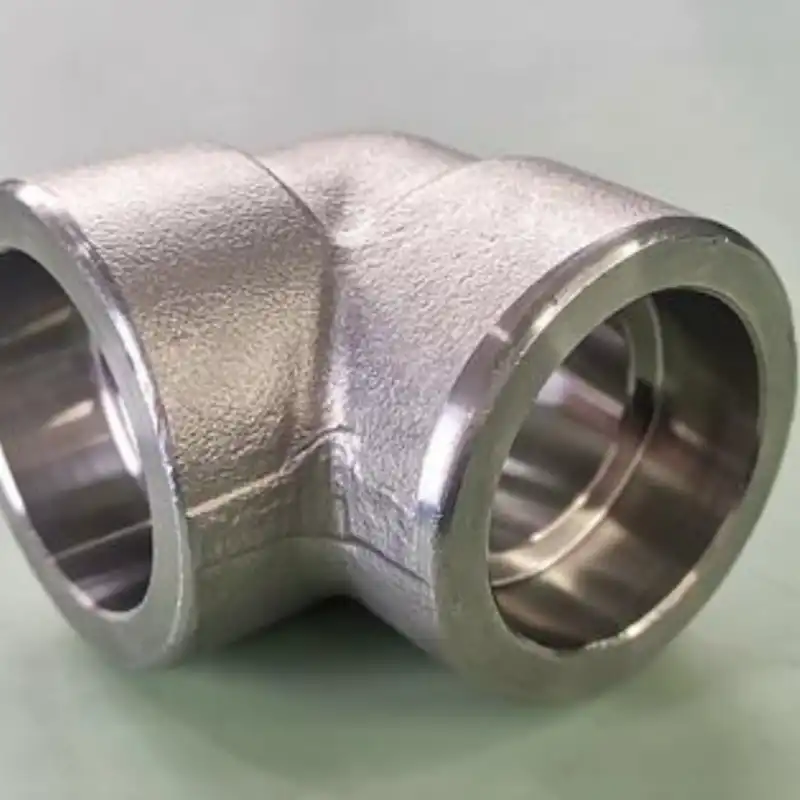
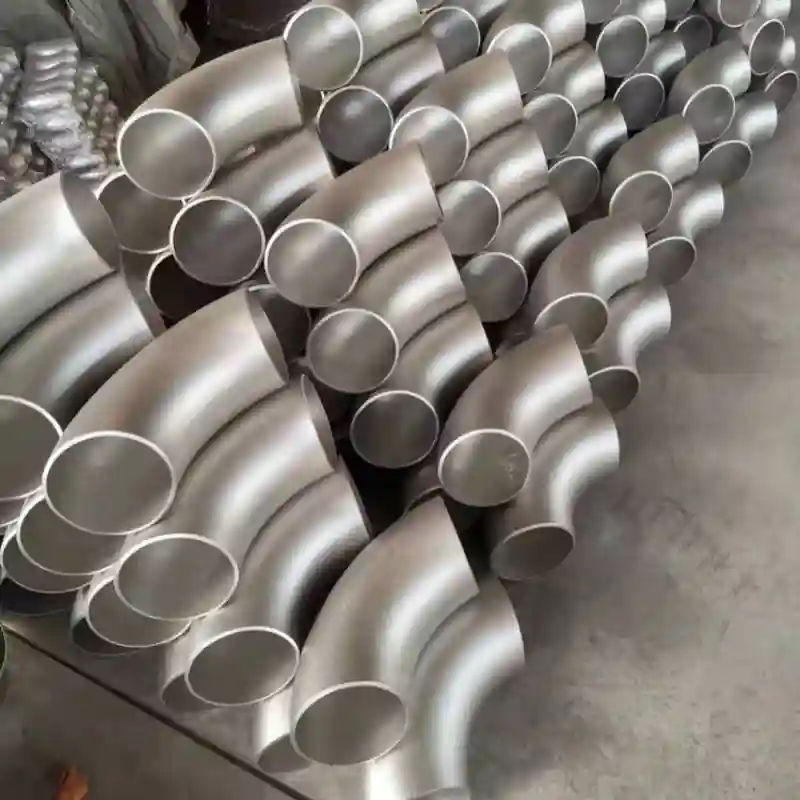
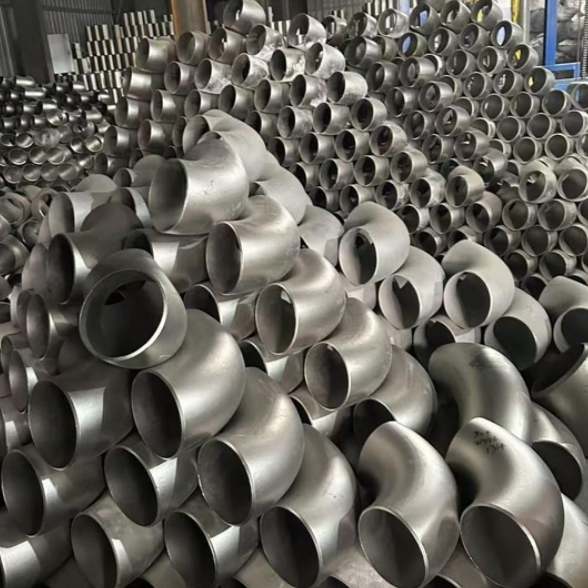
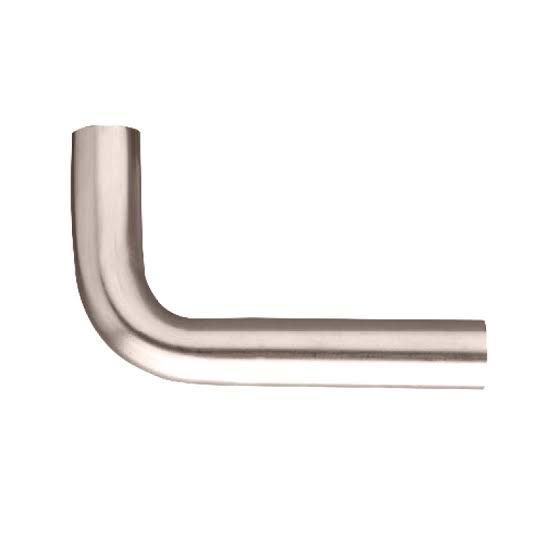
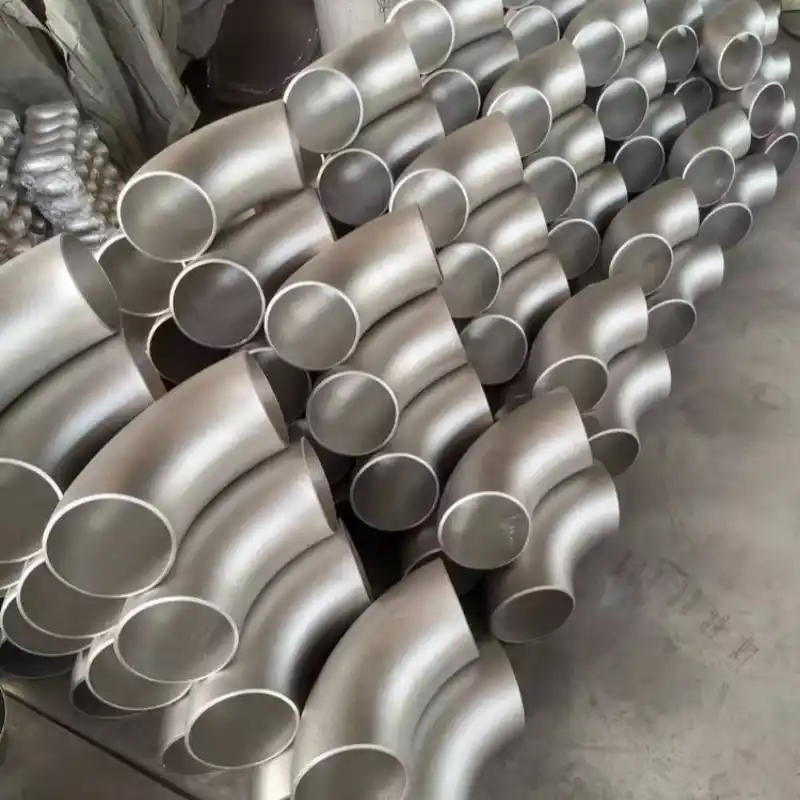
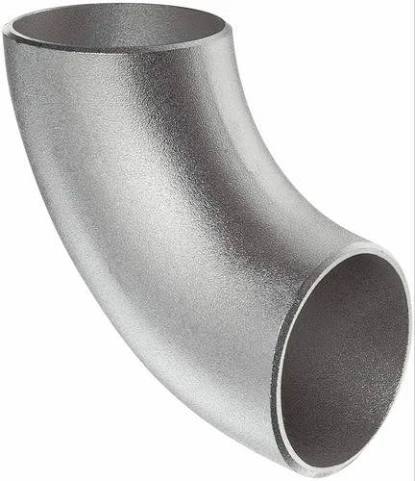
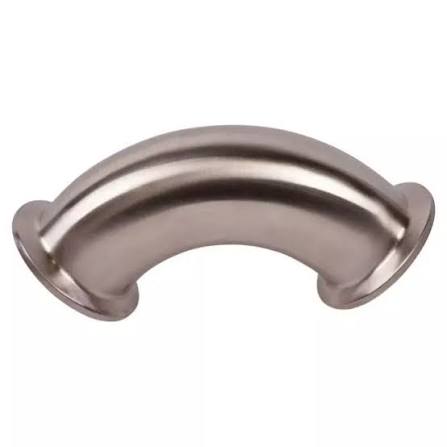
In actual piping projects, the pipe itself is only part of the system. Fittings such as elbows, tees, reducers also need to be selected with the same wall thickness rating to ensure structural integrity and pressure capacity of the entire system.
If you are looking for matching pipe elbow fittings for a Sch 40 pipe project, understanding the dimensions and standards above is the first step in selection. Fitting matching involves not only the wall thickness rating, but also:
-
Material consistency (carbon steel with carbon steel, stainless steel with stainless steel)
-
Elbow type (90°, 45°, long radius/short radius)
-
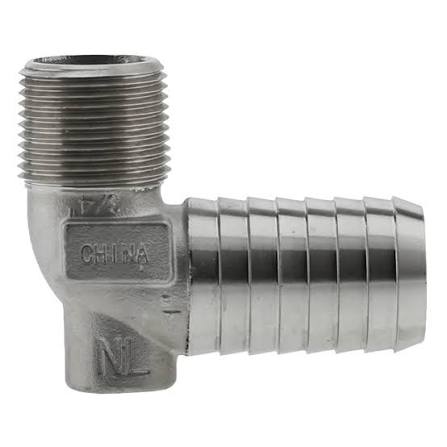
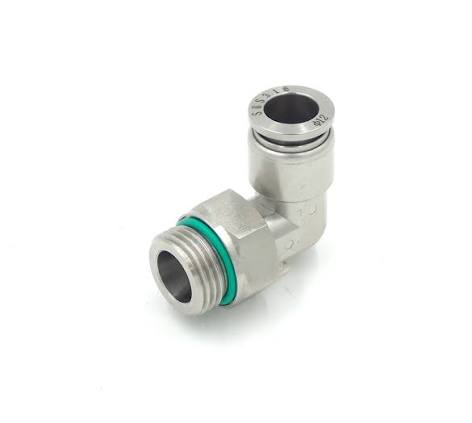
End connection type (butt weld, socket weld, threaded)
These details together determine the safety and durability of the entire piping system.