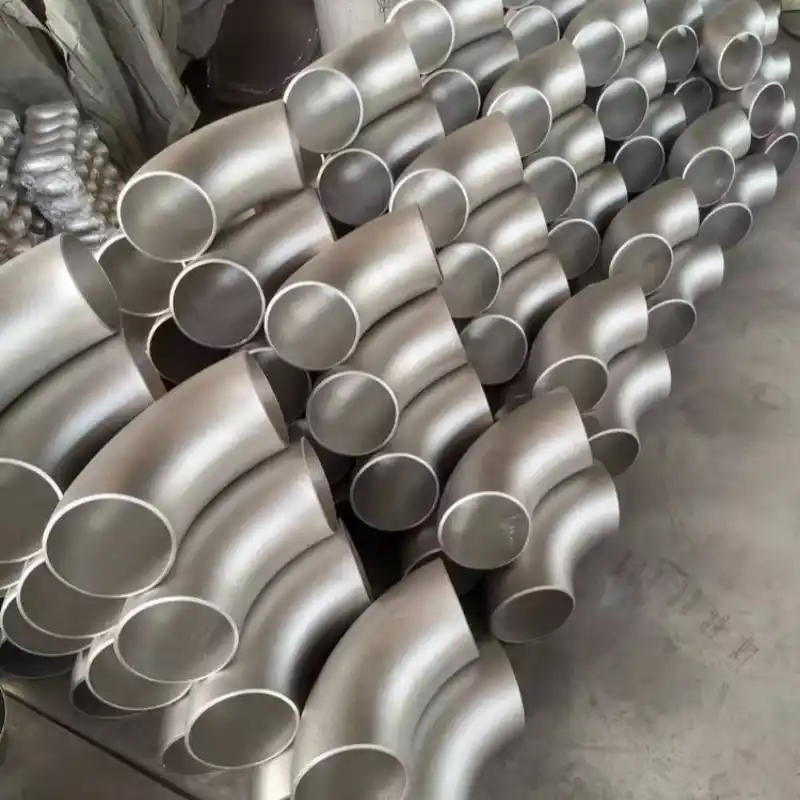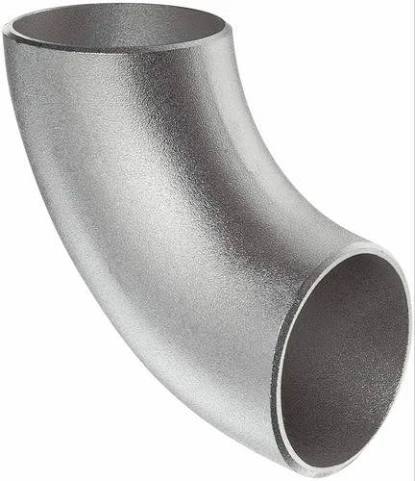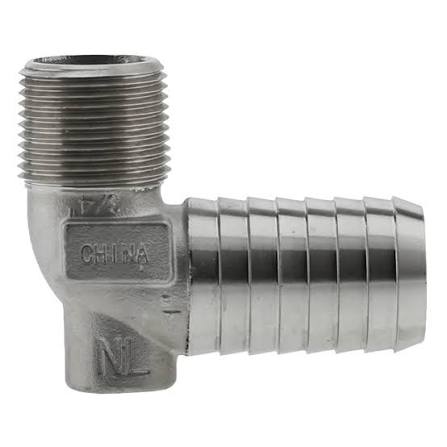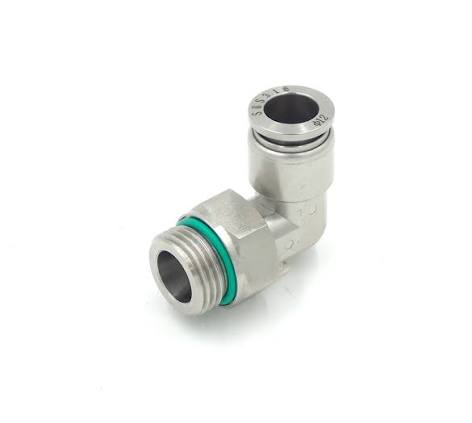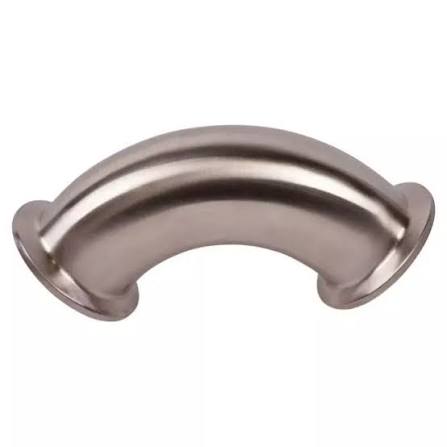
What are common problems with elbow pipes?
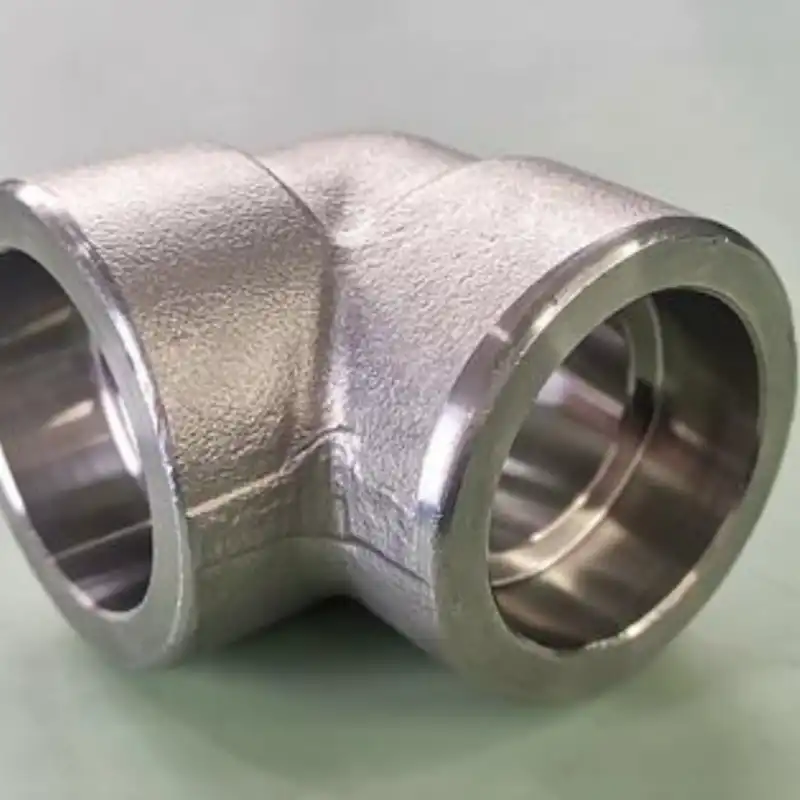
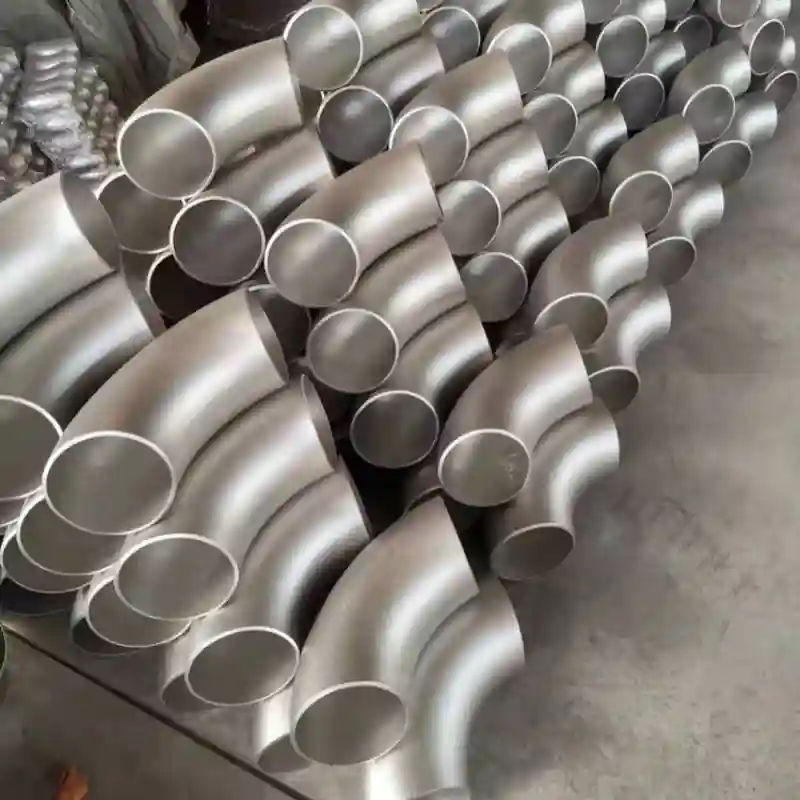
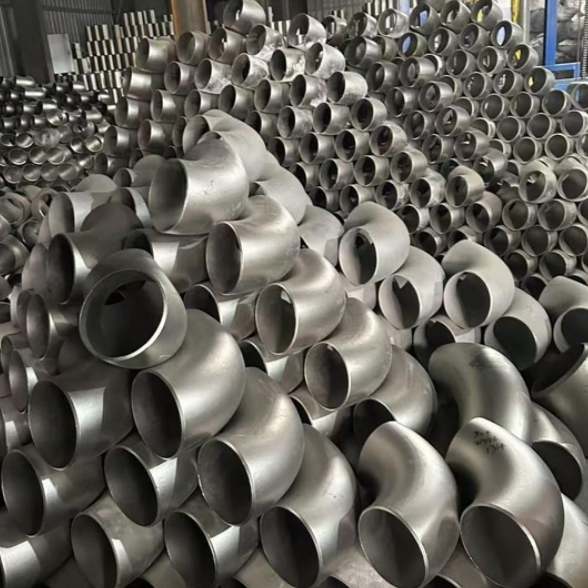
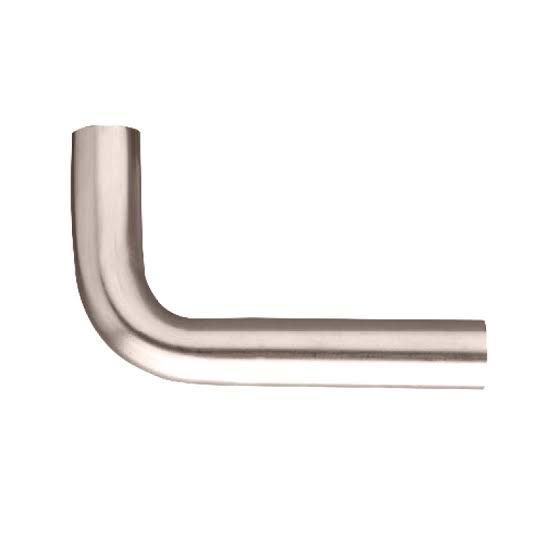
Taking the common elbow steel pipe as an example, 90° elbows are more prone to debris accumulation than 45° elbows. Below are three typical issues and corresponding solutions.
-
Water Leakage
If the seal at the elbow connection is loose, slow water dripping will occur. Long-term leakage leads to wall mildew and floor deformation. Inspect the outer pipe wall for white limescale or rust marks regularly.
-
For steel elbows for pipe, insufficient installation torque (20-30N·m recommended) or aging gaskets are the main causes of leakage.
Prevention: Inspect sealing gaskets every two years, and wrap pipe threads with PTFE tape for 3 to 5 turns.
-
Blockage
Sudden changes in water flow direction at the inner wall of elbows easily trap sundries. Especially in hot water circulation systems, iron rust particles accumulate on the inner side of elbows, reducing the effective pipe diameter by over 30%.
Signs of blockage include significantly slower water flow or partially cold heating radiators.
Solution: Remove the elbow and clear blockages with a 6mm diameter steel cable. For severe clogging, replace it with steel elbow pipe with a wall thickness above 2.5mm and enhanced corrosion resistance.
-
Corrosion and Perforation
Long-term exposure to oxygen-containing water and humid air causes pitting corrosion on the inner wall of steel elbows. Test data shows that water with pH below 6.5 accelerates the corrosion rate to 0.15mm per year. Once the pipe wall thickness drops below 1mm, there is a risk of sudden pipe bursting.