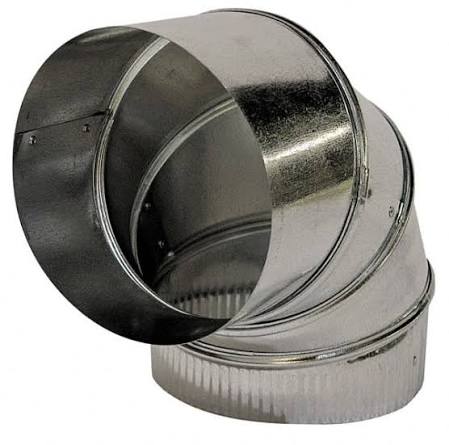
Stainless Steel Duct Elbow Inspection Points
Stainless steel duct elbow for HVAC transitions. Compare duct diameter, angle, construction, gauge, end style, gasket and airflow boundary.
Description
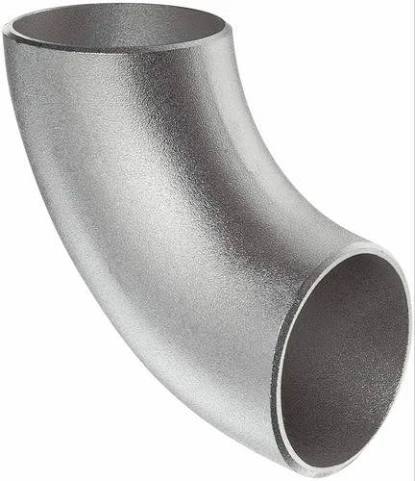
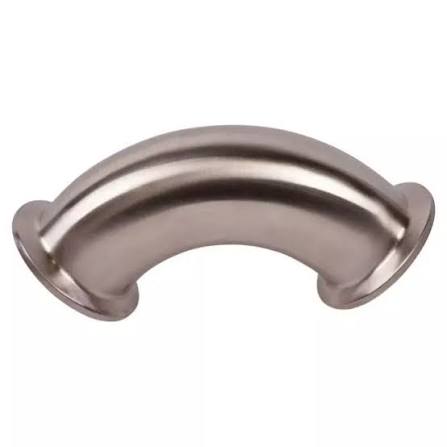
A stainless steel duct elbow turns the air path in HVAC, exhaust, dust collection, or ventilation systems. Its cross-section, sheet thickness, flange, seam, and connection method differ from a pressure-pipe elbow.
Stainless steel fitting chart
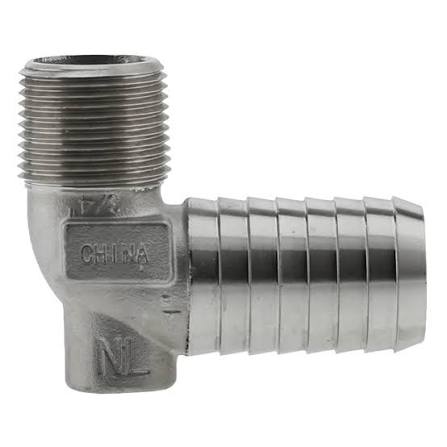
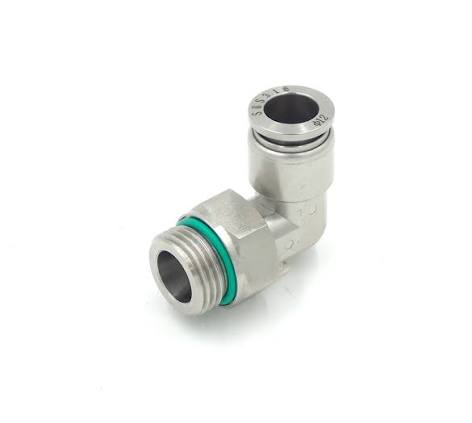
A stainless steel duct elbow may be round, rectangular, or built for a particular flange system. The stainless steel fitting chart inquiry should state diameter or length and width, angle, bend radius, sheet thickness or Gauge, end connections, flange, and sealing requirements.
Stainless steel fittings standard
The configuration of a stainless steel duct elbow affects layout, cleaning, support, and airflow continuity. Product information can identify checks for internal surfaces, seams, seals, and flange flatness, but it should not invent a fixed pressure drop or noise result without system calculation.
Stainless steel elbow types
Typical stainless steel elbow types fields include round or rectangular cross-section, sheet thickness, flange, seal, support, and airflow direction. Installation should check flange flatness, seal continuity, connection strength, leakage control, insulation closure, and access for cleaning.
Stainless steel fitting chart
- System type: Confirm HVAC or ventilation duct service versus pressure fluid piping.
- Cross-section: Record round diameter or rectangular length and width, not only nominal pipe size.
- Construction: Confirm sheet thickness, flange, seam, and connection hardware.
- Sealing: State gasket, sealant, leakage class, or project acceptance requirement.
- Performance boundary: Confirm pressure drop, noise, temperature, and corrosion conclusions through system design.
Stainless steel fitting chart
| Parameter | Review Specification |
|---|---|
| System | Confirm HVAC, exhaust, or dust-collection service against the project. |
| Cross-section | Confirm round diameter or rectangular length and width from the system drawing. |
| Angle / radius | Confirm against the duct layout and product drawing. |
| Material | Confirm stainless steel grade, surface, and sheet thickness. |
| Connection | Confirm flange, clamp, seam, or other end connection. |
| Sealing | Confirm gasket, sealant, and leakage requirement. |
| Support | Confirm hangers, supports, and maintenance space from the installation drawing. |
| Performance | System design should determine pressure drop, noise, and temperature. |
| Documents | Confirm product, material, and installation documents with the supplier. |
Frequently Asked Questions
Can a duct elbow be replaced directly by an ordinary stainless steel pipe elbow?
Usually not. Cross-section, connection, sheet thickness, sealing, and support logic differ. Select against the duct system and project drawing.
Does a stainless steel duct elbow need a pipe pressure class?
For ventilation duct service, state system air pressure, leakage, and material requirements first. Do not automatically apply a pressure-pipe Class or Schedule field.
More Products