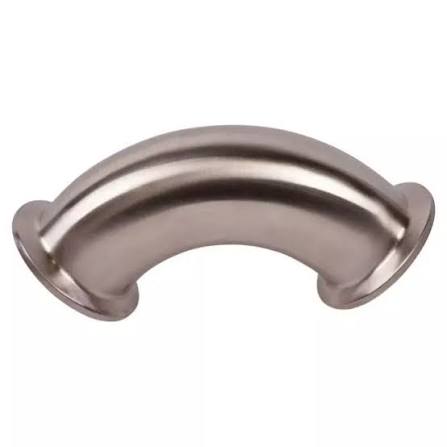
What Angle Pipe Bend to Use?
In the design of Petroleum & Chemical piping systems, the selection of pipe bend angles directly affects fluid transportation efficiency, system pressure drop, pipeline erosion service life, and the feasibility of installation space.
Faced with varying medium characteristics, operating pressures and temperatures, engineers often raise a core question: What angle pipe bend should be adopted?
Combined with industry standards including ASME B31.3 and API RP 14E, this article provides data and experience-based solutions for two typical pain points in petroleum and chemical scenarios, and elaborates on the applicable scenarios of common pipe bend angles in detail.
I. Common Problems and Solutions in Petroleum & Chemical Industry
Problem 1: How to Avoid Erosion Perforation at Bends Under High Sand Content or High Gas-Liquid Ratio Working Conditions
Petroleum and chemical pipelines often carry solid particles such as fracturing sand and catalyst powder, or encounter slug flow. Sharp bends cause particles to impact the wall at high speed. Typical failure cases show that when the flow velocity exceeds 15 m/s with a sand content of 0.1%, the wall thickness reduction rate of standard short radius (1.0D) 90° elbows is more than 3 times that of long radius elbows.
Solution
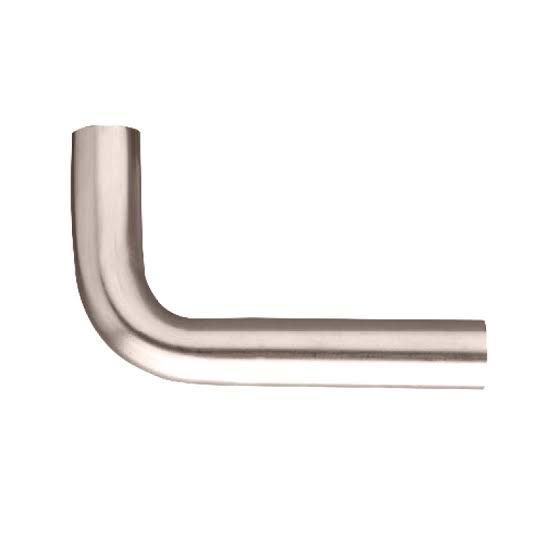
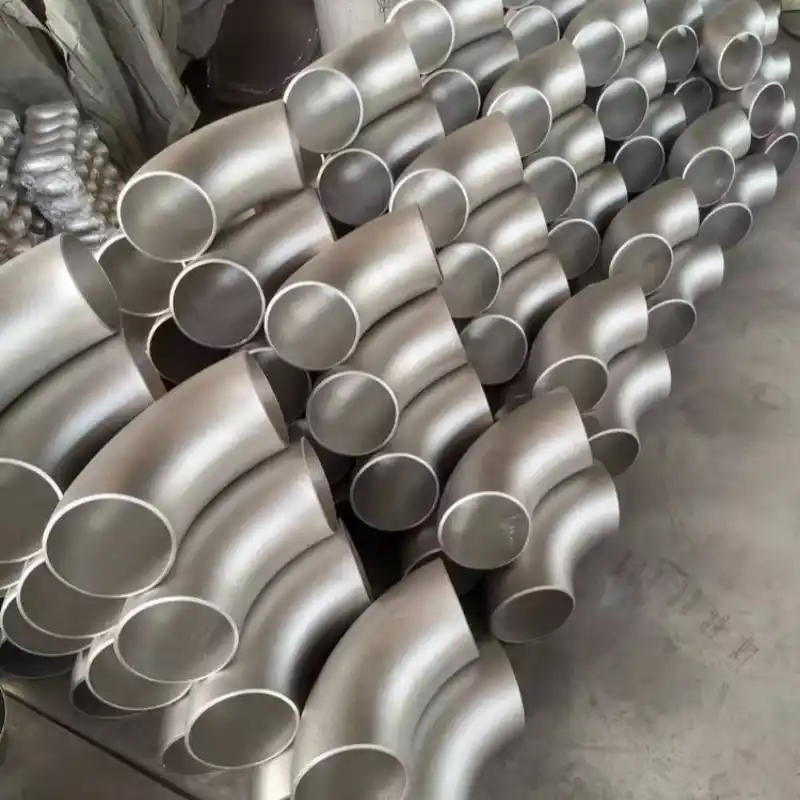
Priority shall be given to long radius (1.5D) or larger radius (3D, 5D) elbows, and adopt 30 degree pipe bend instead of a single 90° sharp turn. Realizing total direction change via two 30° bends with a straight pipe section in the middle can disperse the particle impact angle from 90° into two 30° impacts, reducing the erosion rate by approximately 60% (Data source: DNV GL erosion prediction model).
For areas requiring 90° direction change under high erosion conditions, it is recommended to overlay Stellite alloy on the inner wall of the bend or install replaceable wear-resistant liners. Meanwhile, in steel pipe bends and elbows, it is preferred to select A234 WPB or A860 WPHY grade materials, with a minimum tensile strength up to 485 MPa, which can extend the maintenance cycle.
Problem 2: How to Balance Pressure Drop and Installation Compactness Under Limited Complex Pipe Rack Space
In petrochemical plant renovation or compact module design, an excessively large bend radius leads to layout difficulties, while an overly small radius causes a sharp rise in pressure drop and fluid disturbance-induced vibration. For instance, in the slurry pipeline of catalytic cracking units, the local resistance coefficient ζ is about 0.5 when adopting 1.0D 90° elbows; while adopting 1.5D long radius elbows, ζ can drop to 0.3, cutting pressure drop loss by 40%.
Solution
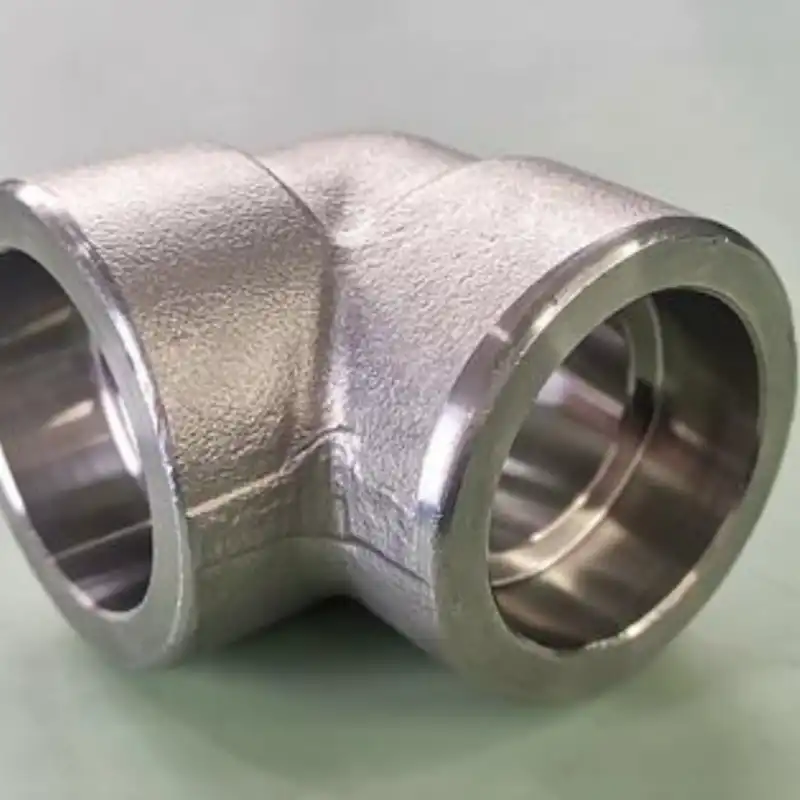
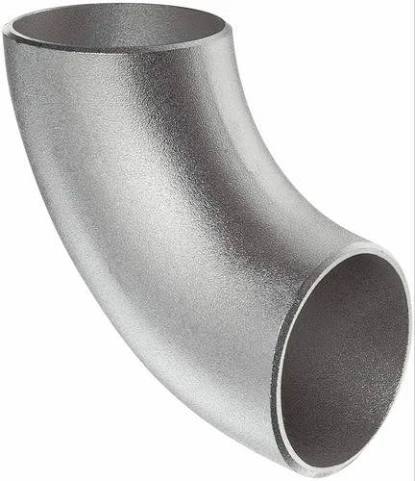
When space is extremely limited, 90 pipe bend (short radius 90° elbow, R=1.0D) can be adopted, but it is necessary to calculate the pressure drop and upgrade the wall thickness grade (e.g., from Sch40 to Sch80) to compensate for additional erosion.
For reverse flow or liquid discharge loop applications: Select 180 degree pipe bend (also known as return bend or U-bend), commonly used in overhead condenser pipelines or steam tracing loops. It should be noted that low-speed eddy current zones exist on the inner arc side of 180° bends, which are unfavorable for solid-containing media. In such cases, it is recommended to replace a single 180° bend with two 90° long radius elbows plus a straight pipe section to reduce particle deposition.
Drainage system scenarios: For low-pressure gravity flow pipelines such as oily sewage and ground liquid discharge, special drain pipe bend shall be used. It features a smooth inner wall, a curvature radius greater than 2D, and is equipped with inspection openings or flushing holes. In accordance with API 570, the minimum curvature radius of drain bends shall not be less than 2.5 times the pipe diameter to ensure smooth passage of solid debris.
Special sewage discharge working conditions: In refinery oily sludge and soil pipe disposal units, 90 degree soil pipe bend is recommended. Such bends are usually made of ductile iron or high-density polyethylene (HDPE), fitted with hydrophobic bottom plates or cleaning openings to prevent blockage. Their end face connections comply with ASTM D3033 standards and can resist corrosion from acidic media at a temperature up to 60℃.
II. Typical Selection Guide for Different Angle Pipe Bends (Applicable to Petroleum & Chemical Industry)
| Pipe Bend Angle Type | Recommended Application Scenarios | Radius Ratio (R/D) | Pressure Loss Coefficient (K Value, Turbulent Flow) |
|---|---|---|---|
| 30 degree pipe bend | Slight direction change of large-diameter gas pipelines, or combined with multiple sections for gentle turning | 1.5D | Approx. 0.08 |
| 90 pipe bend (Short Radius) | Skid-mounted equipment, instrument piping, extremely limited space | 1.0D | 0.5~0.6 |
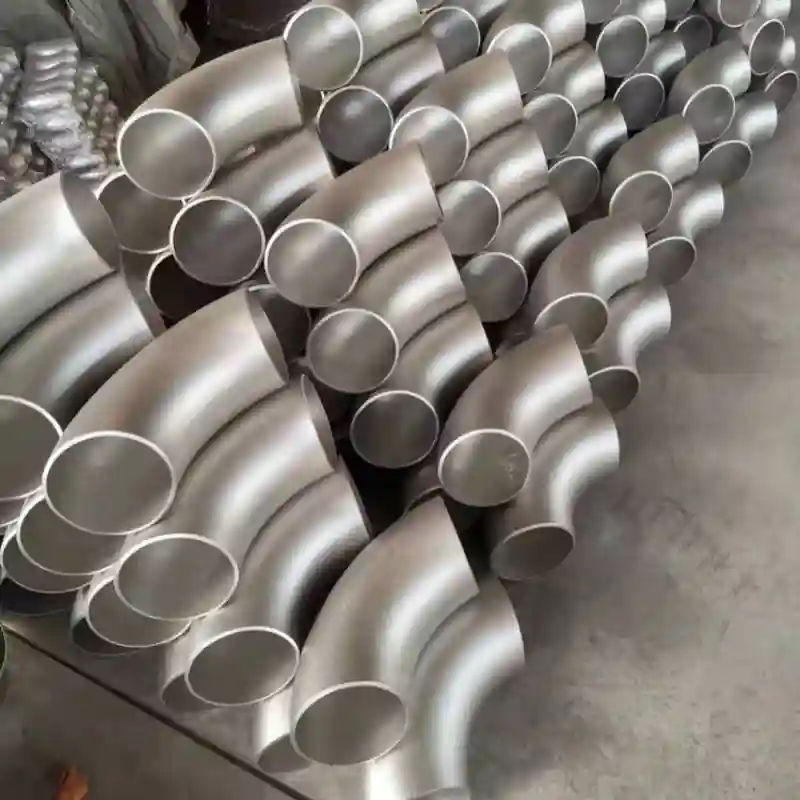
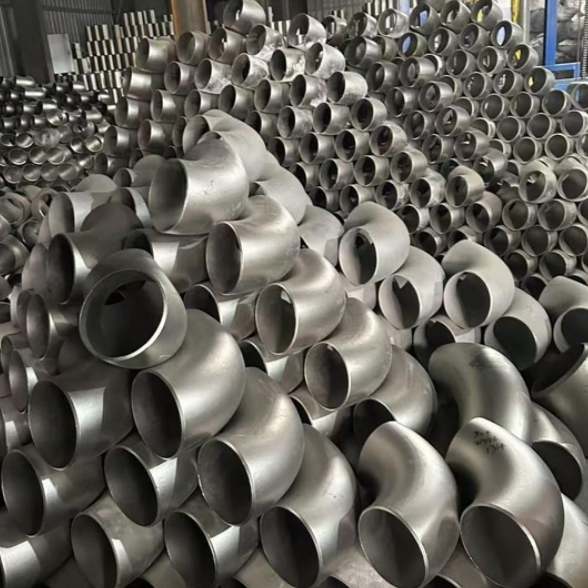
| 90° Long Radius Elbow (Included in steel pipe bends and elbows) | Most process pipelines, pump inlet and outlet, conventional direction change | 1.5D | 0.3~0.4 |
| 180 degree pipe bend | Heating coil, U-type liquid seal, condensed water loop | 1.5D | 0.8~1.0 |
| 90 degree soil pipe bend | Solid-containing mud, domestic and oily sewage outlet pipes | 2.0D~3.0D | Designed per gravity flow |
| drain pipe bend | Low-point discharge, knockout drum liquid discharge, sampling cooler drainage | ≥2.5D | Pressure drop not the primary consideration |
Note: The K values are approximate values for a flow velocity of 2m/s in a 100mm diameter water pipeline. Specific calculation shall follow Crane TP-410.
III. Engineering Experience and Authoritative Recommendations
According to Pipe Flow, with the same turning angle, every 0.5D increase in the curvature radius of a bend reduces the local resistance coefficient by about 15%~20%. All carbon steel elbows recommended by AIFN are manufactured in accordance with ASME B16.9 standards. All steel pipe bends and elbows undergo non-destructive testing and wall thickness verification to ensure long-term reliability under high temperature (≤550℃) and high pressure (≤42MPa) conditions.
Our company has accumulated practical data from multiple Middle East refining and chemical projects and domestic ethylene plant renovations: After replacing 1.0D short radius elbows with 1.5D radius 90 pipe bend, the external wall erosion thickness measurement rate of pipelines in a hydrogenation unit dropped from 0.23mm/year to 0.09mm/year, and the maintenance cycle was extended from 18 months to 36 months.
IV. Conclusion
In the petroleum and chemical industry, the essence of pipe bend angle selection is to find the optimal balance among pressure loss, installation space, service life and cost. For conventional process pipelines, long radius 90° elbows are the first choice; for high erosion working conditions, adopt combined small-angle 30° bends; for drainage and sewage systems, special large-radius drain pipe bend and 90 degree soil pipe bend must be used. Always follow the engineering principle: Larger radius brings longer service life; gentler angle causes smaller flow fluctuation.
If you need further pipe bend selection calculation for specific working conditions, welcome to contact the AIFN technical team for customized solutions.