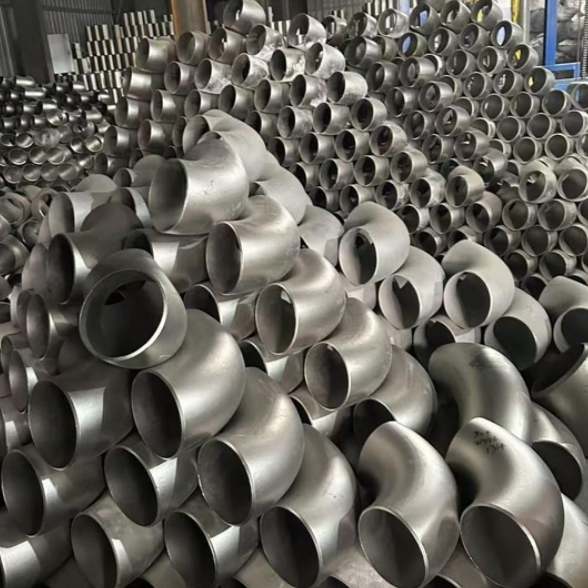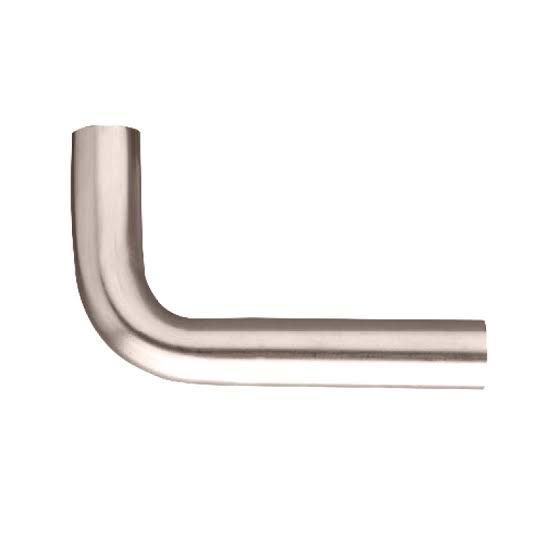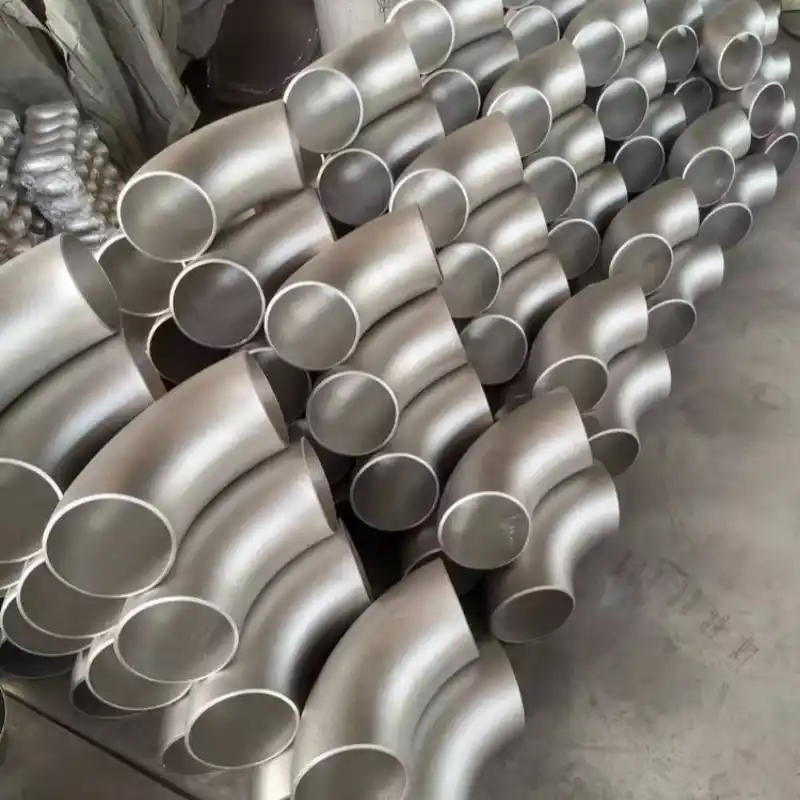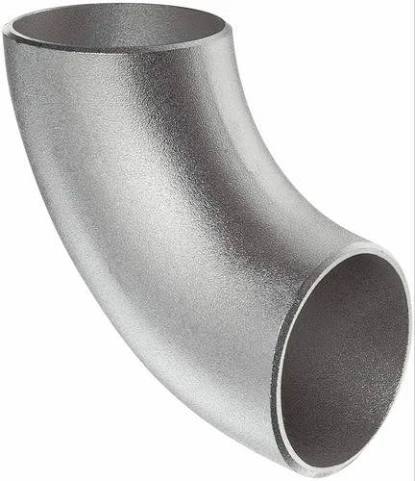
What is a 90 degree pipe elbow used for?

What is a 90 degree pipe elbow used for?
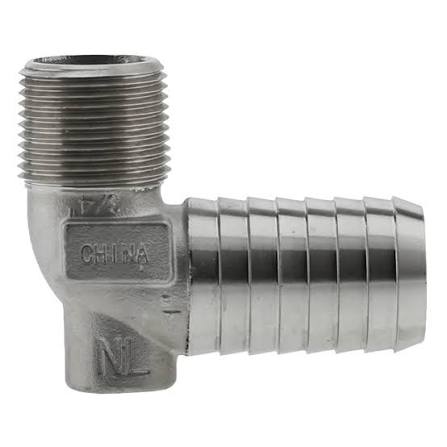
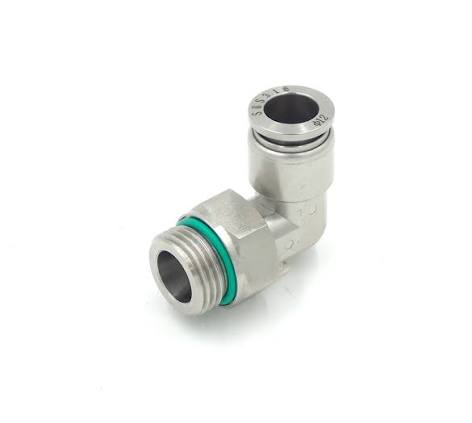
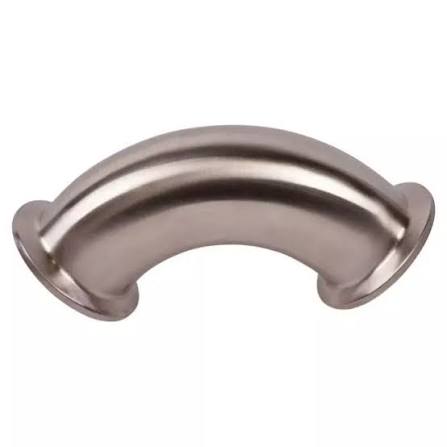
In the power and energy sector, a 90 degree pipe elbow is an indispensable direction control component in piping systems.
Taking coal-fired power plants as an example, their high-temperature and high-pressure steam pipelines, cooling water circulation systems and fuel oil transmission pipelines all rely on this type of pipe fitting to achieve smooth direction change.
The 90 degree pipe elbow changes fluid flow direction, which reduces pressure loss and avoids turbulent wear caused by sharp bends. According to data from the Power Engineering journal, proper elbow selection can cut the local resistance coefficient by approximately 0.3~0.5 and greatly improve thermal efficiency.
We have formulated targeted engineering solutions for two common challenges in the energy industry:
Problem 1: How to prevent cracking of welded elbows under long-term creep in high-pressure steam pipelines?

Prioritize the use of weldable pipe elbows made of ASTM A234 WPB or P91 grade alloy steel base material. Such materials deliver a tensile strength of over 485MPa in a 540℃ steam environment. Combined with a full penetration welding structure and wall thickness complying with ASME B16.9 standards (e.g., a minimum wall thickness of 4.5mm for DN100 elbows), it can effectively resist thermal fatigue.

Problem 2: How to protect gas pipe elbow from wet hydrogen sulfide corrosion in gas turbine fuel supply lines?

Adopt 90 degree metal pipe elbow with inner wall overlay welding of Inconel 625 and a lining thickness of no less than 3mm. Meanwhile, control the medium flow velocity below 30m/s and conduct regular intelligent pigging operations. This process has extended the service life of elbows to 14 years in a domestic combined cycle power station, compared with the original replacement cycle of every 3 years.
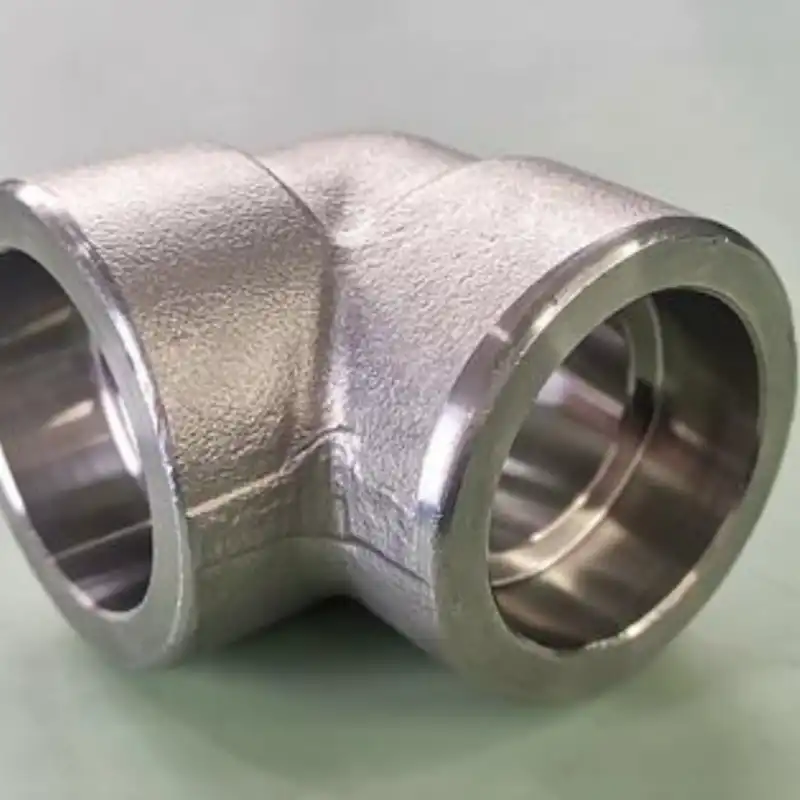
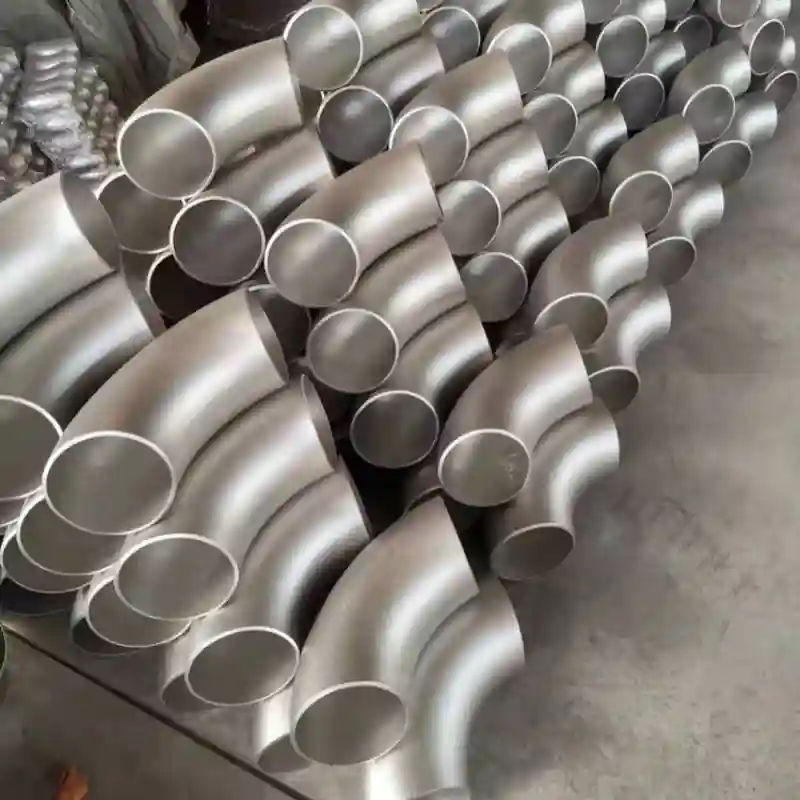
In addition, it is recommended to install wear-resistant ceramic composite 90-degree elbows in pulverized coal conveying pipelines. Setting the bend diameter ratio (R/D) to 1.5D can reduce particle erosion rate by more than 40%.
Overall, stress analysis and wall thickness verification in accordance with ASME/ANSI B31.1 specifications are essential to guarantee 200,000 hours of safe operation for power system piping.

Related Posts

8e4a34c0 d109 4f8b b666 7366a3a5b47a

Explore Our Full Product Range

Best Selling Products