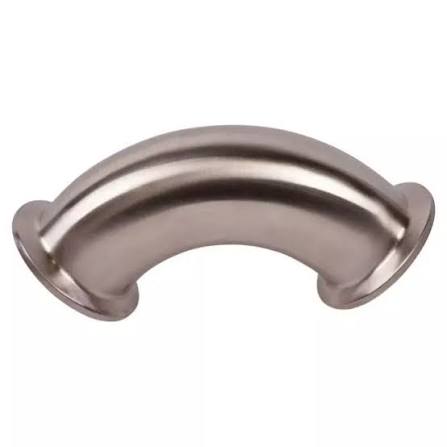
What Are the Alternatives to a 90-Degree Elbow?
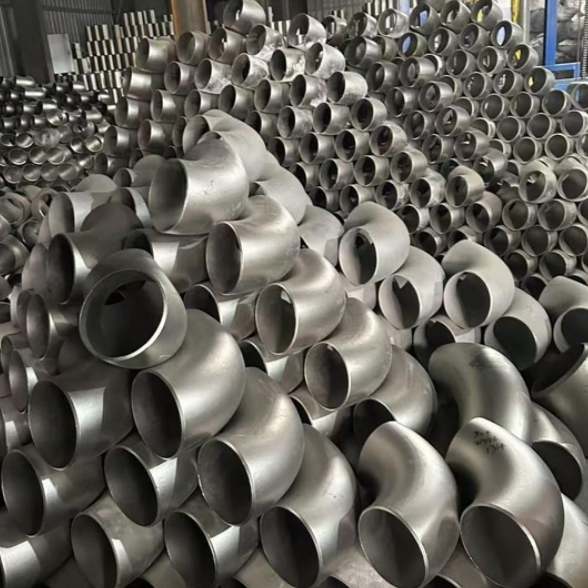
In piping systems, the conventional stainless steel 90° elbow is widely used. However, it suffers from turbulence and pressure drop issues under high-pressure, high-purity or space-limited working conditions. To meet such demands, multiple mature alternative solutions have been developed in the industry.
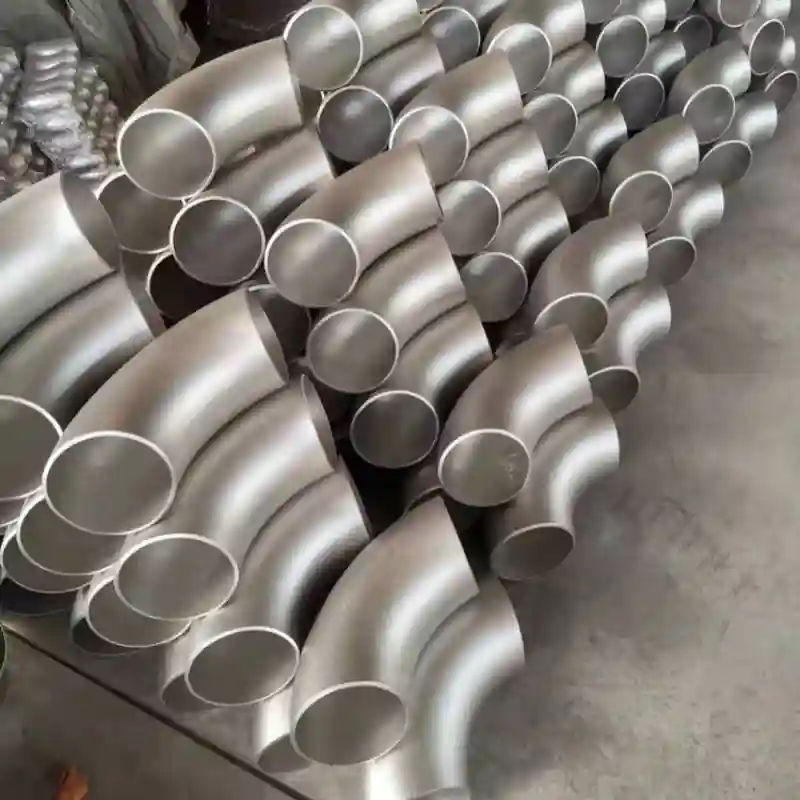
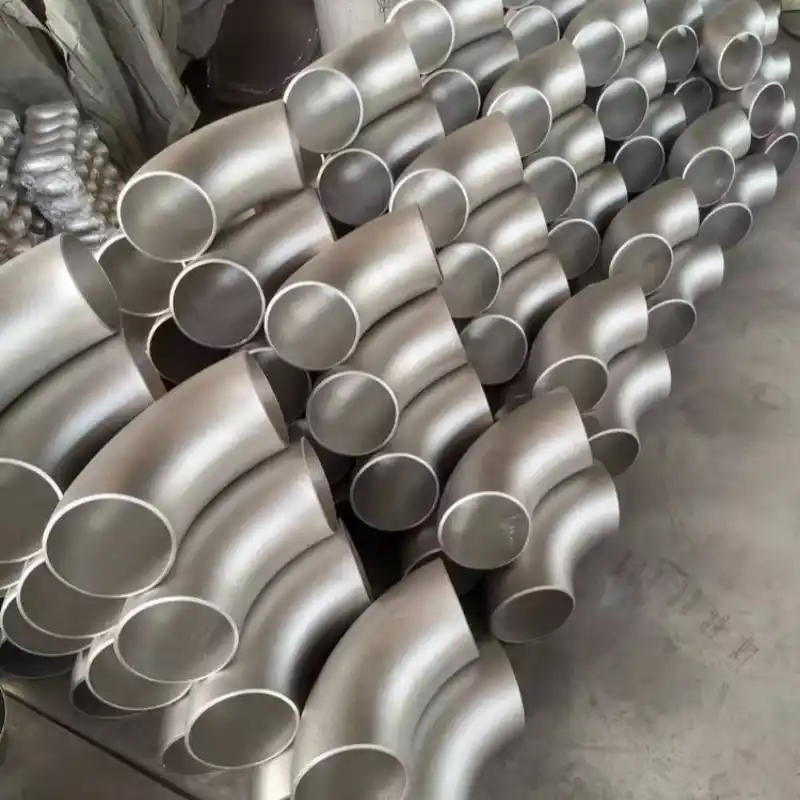
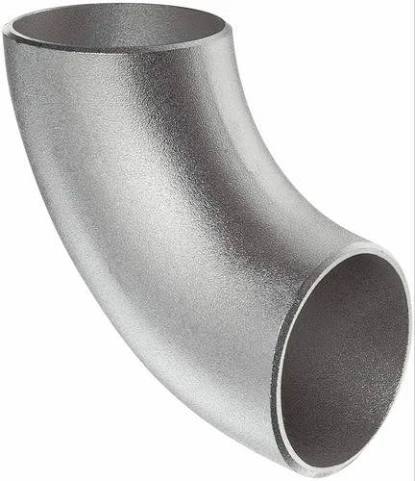
A popular option is the stainless steel long sweep 90. It normally features a bending radius of 1.5 times the pipe diameter (1.5D). Compared with standard elbows (1D), it can reduce the local resistance coefficient by approximately 30%-40%. For precision manufacturing processes that require laminar flow maintenance, such as electronic-grade chemical conveying systems, this long-radius design can greatly reduce particle deposition and eddy current loss.
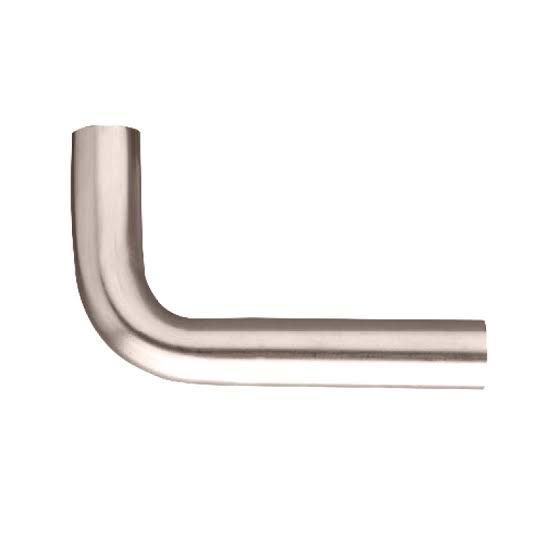
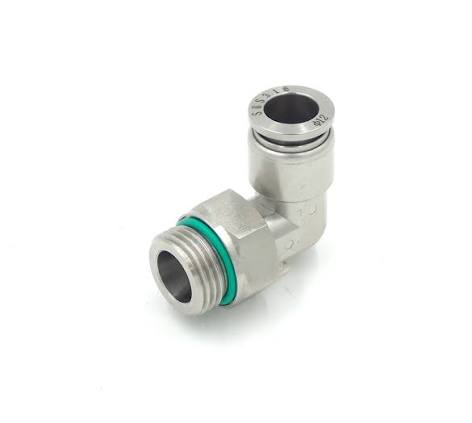
When a seamless and weld-free flow path is required, the stainless steel pipe 90 degree bending process can be adopted directly. The integral pipe is formed through cold bending (minimum bending radius 3D) or induction hot bending (accuracy up to ±0.5°), eliminating weld seam risks at the connection between elbows and straight pipes. In semiconductor wet processing equipment, this integrally bent structure is widely applied to high-purity pipelines below DN50, with inner wall roughness controlled within Ra≤0.4μm.
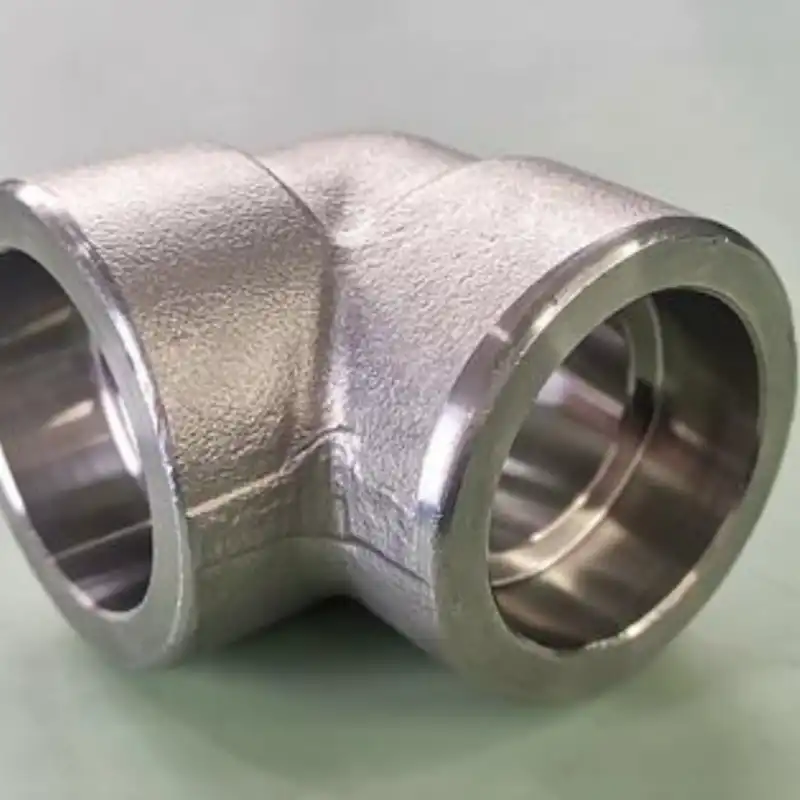
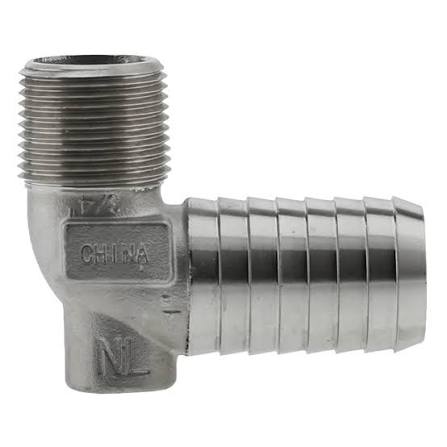
For compact instrument panels or valve assembly integrated areas with limited space, the stainless steel street 90° serves as another viable solution. Its male and female double-end design can be directly screwed into valves or pipe fittings without additional nipples, cutting the overall installation length by about 20%-25%.
Common Problems and Solutions in Precision Manufacturing and Electronics Industry
-
In electronic-grade Ultrapure Water (UPW) systems, tiny protrusions on the inner surface of elbows tend to form bacterial biofilms, resulting in decreased resistivity.
Adopt Electropolishing (EP) treatment to replace mechanical polishing. The inner surface roughness of electropolished stainless steel elbows can reach Ra≤0.1μm, and a uniform chromium-rich passivation layer is formed, boosting the resistance to microbial adhesion by more than 5 times. Combined with 1.5D long sweep elbows, dead-zone-free flow can be achieved.
-
In gas pipelines of high-precision sensor packaging production lines, elbow angle deviation exceeding ±1° will cause response delay of pneumatic actuators.
Adopt CNC pipe bending machines equipped with laser angle feedback systems. The bending springback is monitored and compensated in real time during the bending process, controlling the angle tolerance within ±0.1°. For thin-walled pipes (wall thickness ≤1.2mm), the mandrel-assisted pipe bending process can be used to avoid inner wall wrinkling and excessive ovality (ovality ≤3%).
In actual type selection, it is recommended to conduct comprehensive evaluation based on medium characteristics, cleanliness level (e.g. ISO 14644-1) and installation space. It is advisable to request surface roughness test reports (measured by contact profilometer or interferometer) and pipe bending angle certification documents from suppliers first.