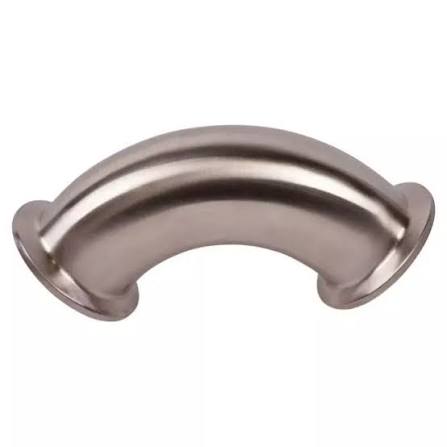
How much water pressure do you lose with a 90 degree elbow?
In piping systems, a standard 90 degree elbow causes noticeable pressure loss. In accordance with fluid mechanics principles and the ASME B16.9 standard, the magnitude of loss depends on pipe diameter, flow velocity, and elbow curvature radius.
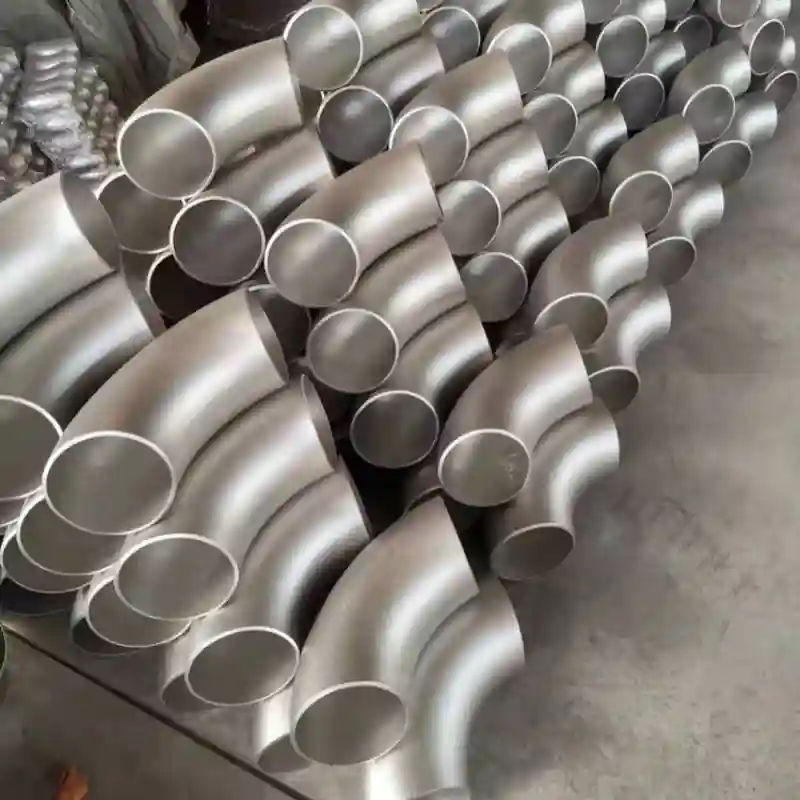
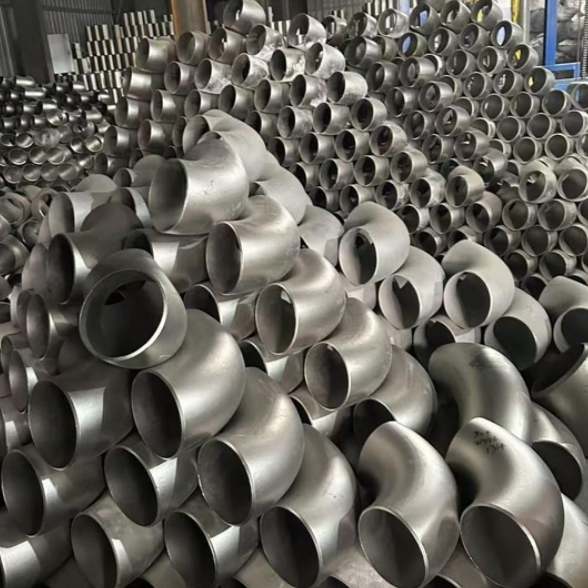
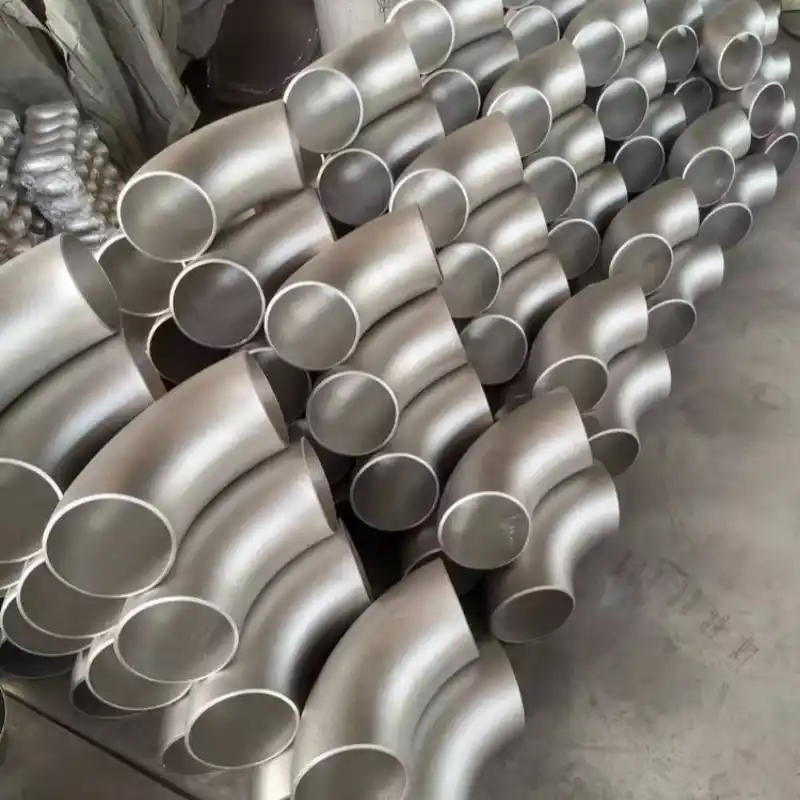
For a common steel 90 degree elbow (carbon steel, DN50 inner diameter, 2.5mm wall thickness), the equivalent length is approximately 30 times the pipe diameter. At a flow velocity of 2m/s, the pressure drop of a single elbow is about 0.8 psi (approximately 5.5 kPa).
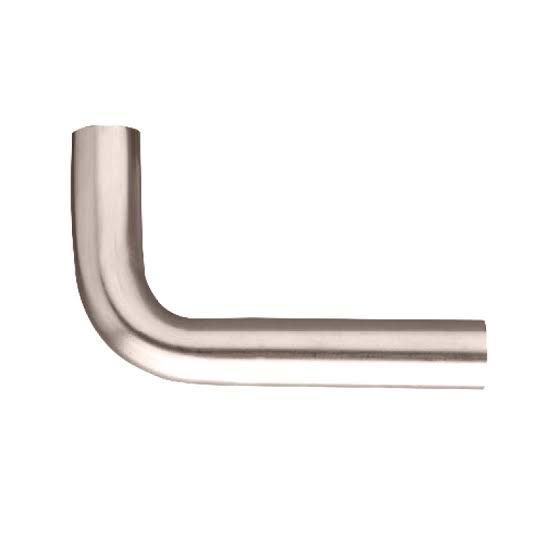
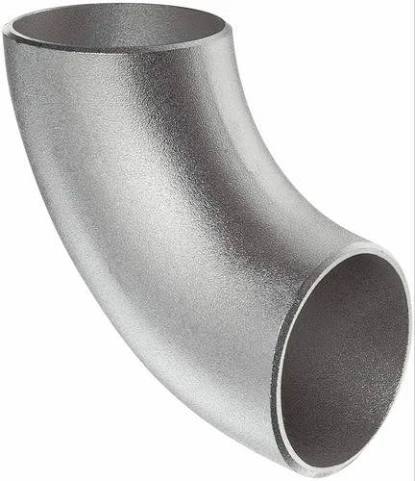
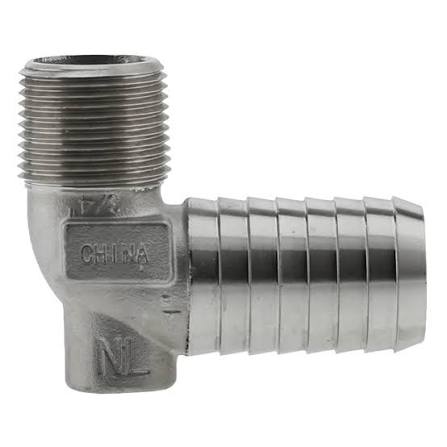
When adopting 90 degree ss elbow made of stainless steel (316L with polished inner wall), the friction coefficient is lower, and the pressure loss can drop to 0.7 psi under the same working conditions. In contrast, when 90 degree hose connection is used in the system, abrupt contraction and expansion inside the hose fitting intensify turbulence, resulting in pressure loss generally 15%-20% higher than that of steel elbows of the same diameter.
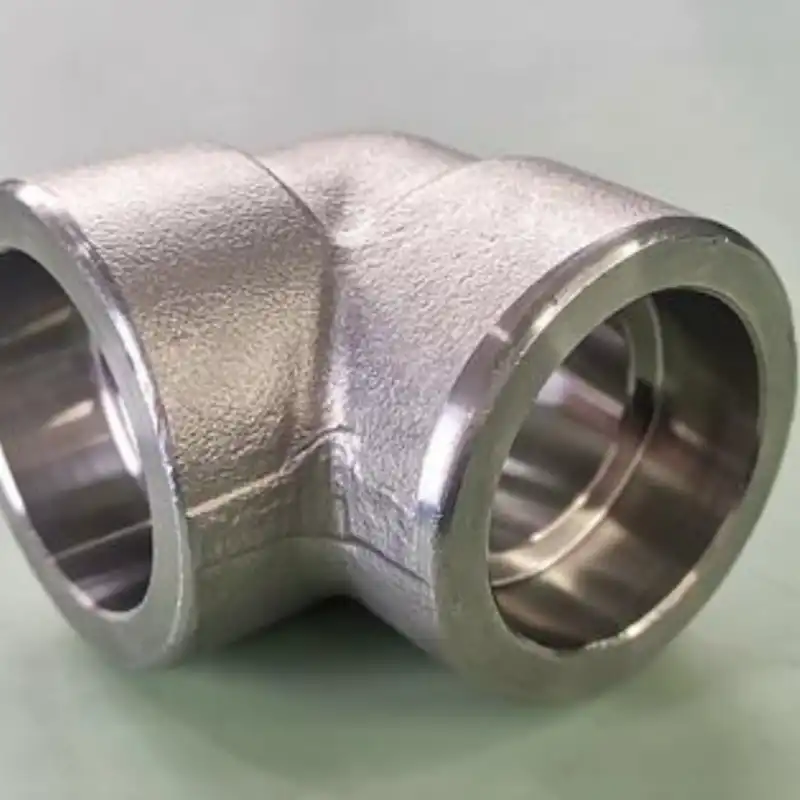
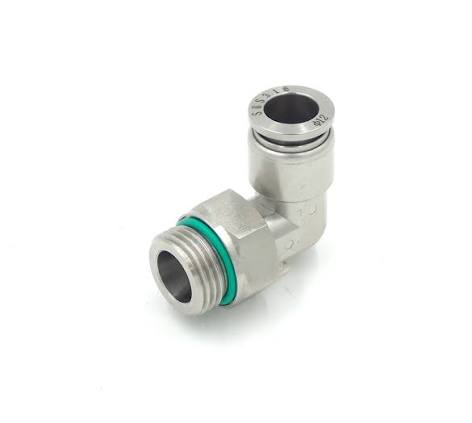
For small-bore threaded connection applications, elbow 90 threaded creates a vortex zone at the root of the thread, leading to a local resistance coefficient K as high as 0.9 (compared to only 0.5 for welded elbows), bringing about much more significant pressure loss.
Common Problems and Solutions in Marine & Offshore Engineering
Problem 1
Restricted space in ship engine rooms requires extensive use of 90° elbows, causing insufficient outlet pressure of seawater cooling pumps and impairing main engine heat dissipation.
It is preferred to replace a single 90 degree elbow with a combination of two 45° elbows, or adopt long-radius elbows (R=3D, while the standard type is R=1.5D). Calculations show that the local resistance coefficient of R=3D elbows is 40% lower than that of standard versions. Meanwhile, pump head selection shall reserve a margin of no less than 10%, and CFD simulation shall be applied to optimize pipeline layout.
Problem 2
In high salt spray marine environments, ordinary carbon steel elbows suffer from galvanic corrosion and pitting corrosion, with a service life of less than 2 years.
Replace with 90 degree ss elbow (duplex stainless steel 2205, pitting resistance equivalent number PREN ≥ 35), and install zinc alloy sacrificial anodes. Actual ship operation data proves this solution extends the service life of elbows to over 8 years, with annual maintenance costs reduced by 60%.
In conclusion, proper selection of elbow material and curvature radius, combined with accurate pressure drop calculation, can effectively improve the reliability and energy efficiency of marine piping systems.