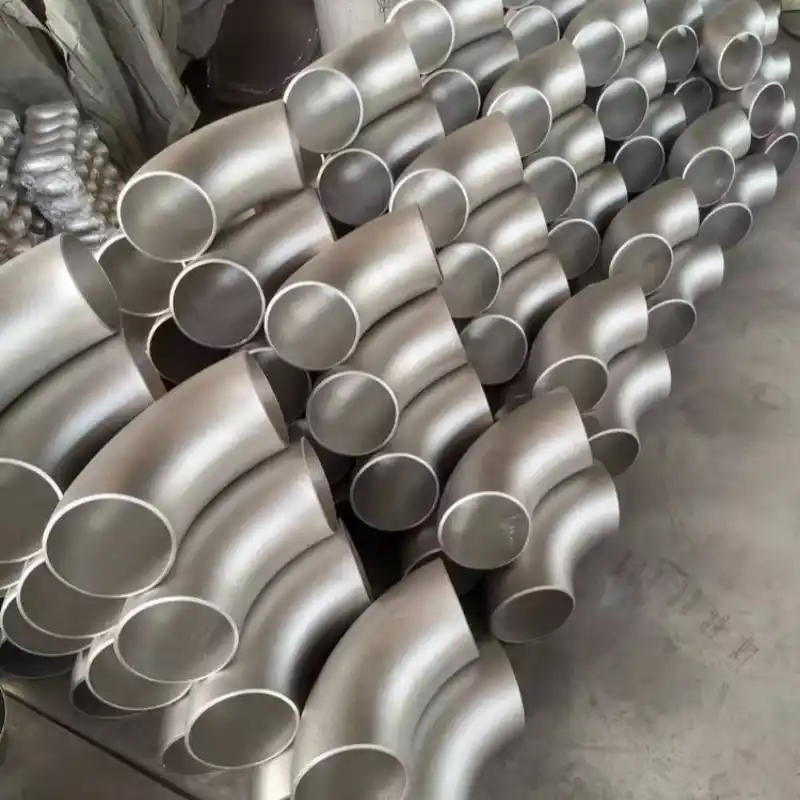
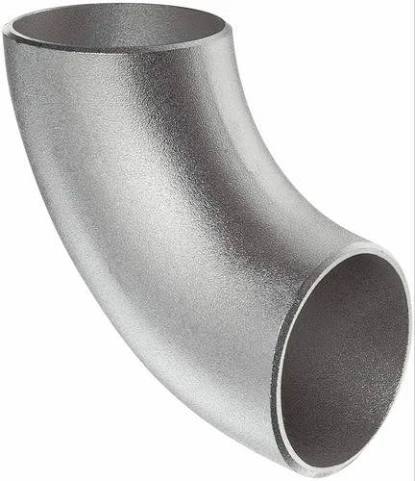
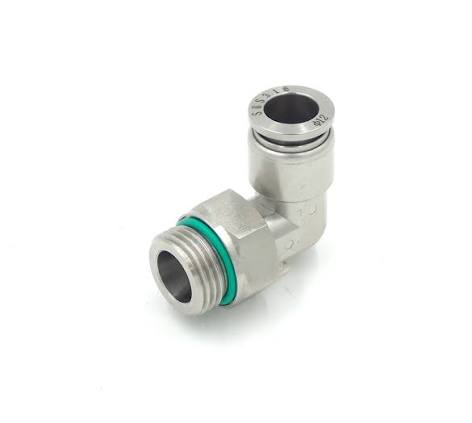
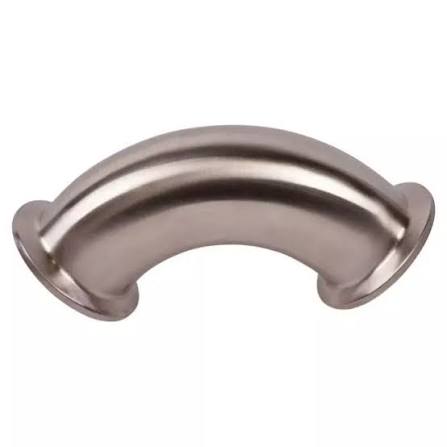
In food & pharmaceutical pipeline systems, pipe elbows are critical components for changing the flow direction of media. Understanding the characteristics of different elbows directly impacts pipeline safety and pressure drop efficiency. This article provides a classified analysis from three dimensions: angle, bending radius, and manufacturing standards.
Classification by Angle: 45°, 90° and 180°
The most common types are
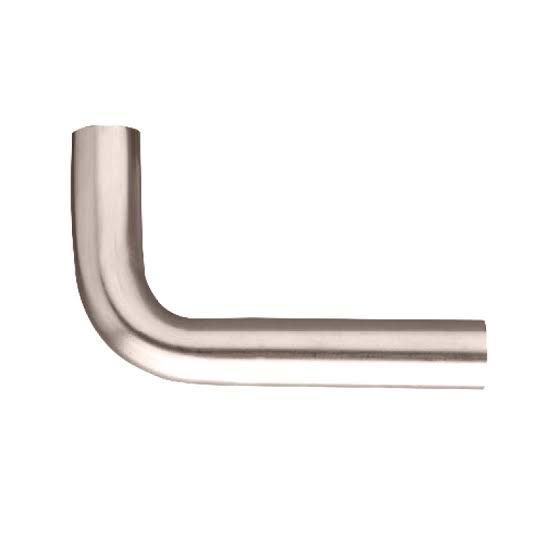
45° and 90° elbows, applied for gradual or right-angle flow diversion; 180° return elbows are adopted for U-shaped loop circuits. For instance, in high-pressure steam pipelines, 90° long radius elbows generate less turbulence compared with short radius alternatives.
Classification by Bending Radius: Long Radius vs Short Radius
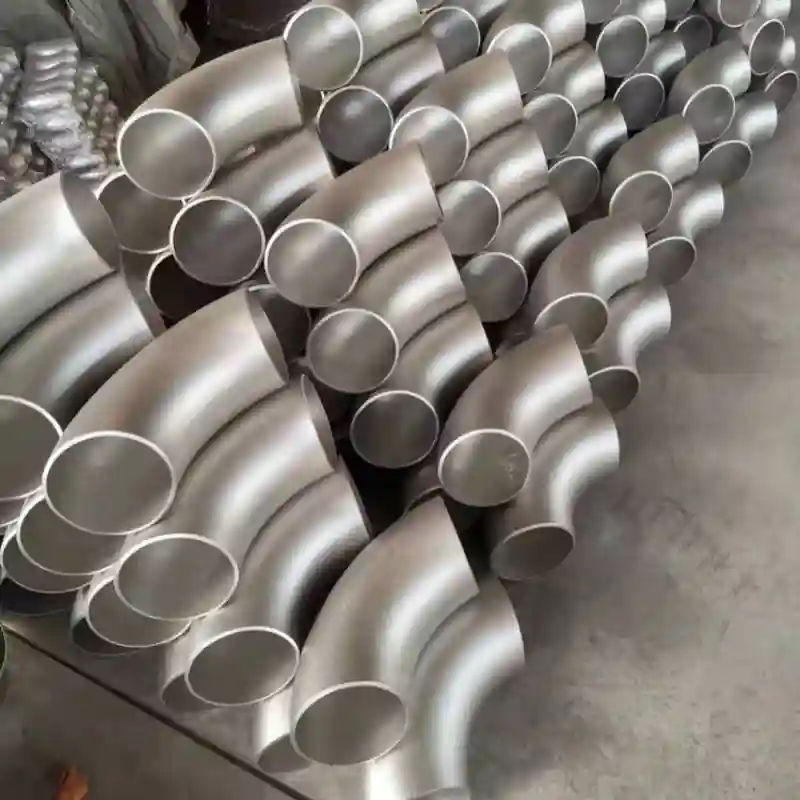
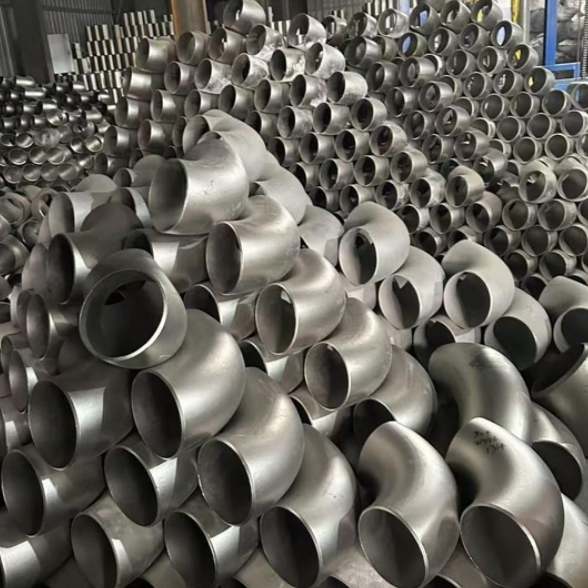
In accordance with ASME B16.9 standard, the bending radius of Long Radius Elbow is 1.5 times the nominal pipe size (1.5D), while that of Short Radius Elbow is 1.0D. The 1.5D design reduces the local resistance coefficient by approximately 15%-20%, making it suitable for high flow rate or particle-containing media. The 1.0D elbow is used in space-limited conditions yet comes with a higher risk of wear. For butt weld pipe elbows, the long radius type serves as the default option in the petrochemical industry.
Classification by Manufacturing Type and Material
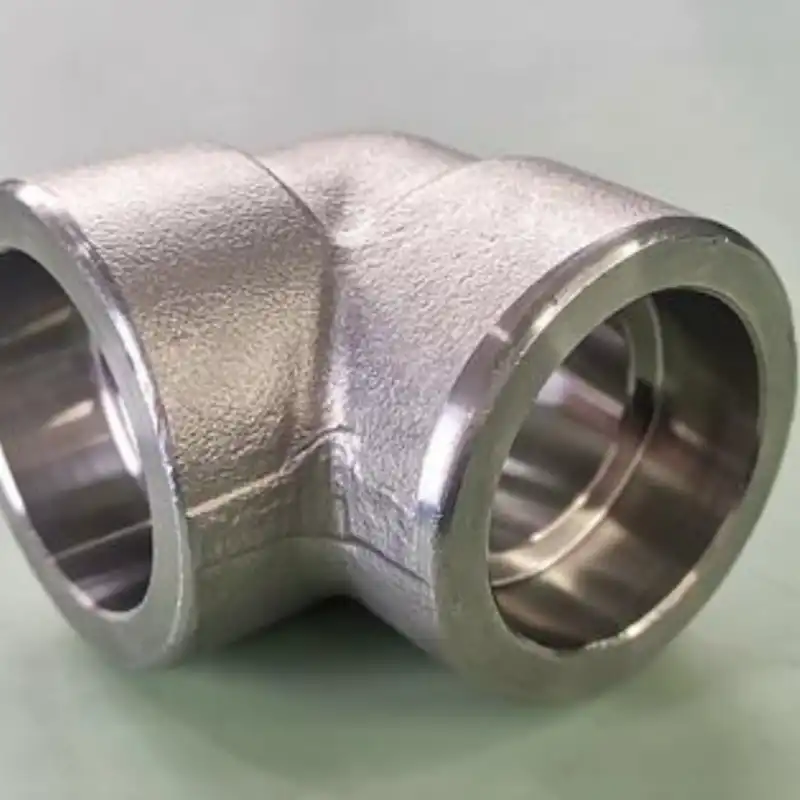
In addition to conventional seamless and welded elbows, 45° socket weld elbows are widely used in small-bore and high-pressure pipelines. Stainless steel pipe elbows deliver excellent resistance to chloride stress corrosion in corrosive working environments, with typical grades including TP316L. Wall thickness schedules such as Sch40 and Sch80 shall be verified during model selection.
Common Questions & In-depth Answers
Q1: How to choose between long radius and short radius elbows?
First, check space constraints: for compact pipeline layouts such as skid-mounted equipment, 1.0D short radius elbows can save around 30% of installation length. Second, consider medium properties: when conveying abrasive slurry, 1.5D long radius elbows can extend service life by 2 to 3 times.
Q2: What is the impact of elbows with different angles on pipeline pressure drop?
Under the same flow velocity (2m/s) and nominal diameter (DN100), the equivalent straight pipe length of a single 90° long radius elbow is about 4.5 meters, while that of a 45° elbow is roughly 2.5 meters. Accordingly, adopting a combination of 45° elbows to replace a single 90° elbow in multi-elbow pipeline systems can cut overall pressure loss by about 30%.
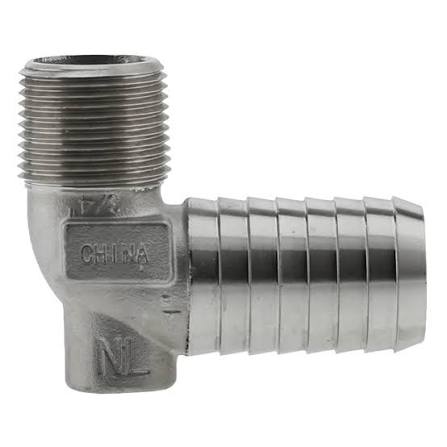
End connection types also matter in selection: butt weld ends are applicable to high-temperature and high-pressure working conditions, whereas threaded ends are only restricted to low-pressure services. The proper selection of pipe elbows requires comprehensive consideration of angle, bending radius, industry standards (e.g., MSS SP-43) and on-site working conditions. It is recommended to conduct stress verification in compliance with ASME B31.3 process piping code.