What are elbow pipes used for?
High-temperature steam triggers axial elongation of straight pipe sections. Reliance solely on conventional elbows to absorb displacement tends to generate low-cycle fatigue cracks at weld joints.
Featuring a double reverse bending structure, the s elbow pipe delivers large deflection compensation. It generally adopts a bending radius of 5 times the pipe diameter (R=5D), which cuts end restraining force by approximately 70% compared with ordinary standard elbows (R=1.5D).
Swivel elbow pipe fittings support 360° azimuth fine adjustment during installation, eliminating additional stress induced by alignment deviation. After application on a 660MW supercritical unit, the thermal stress amplitude dropped from 285MPa to 98MPa, fully complying with ASME B31.1 code requirements.
When the flow velocity of pulverized coal reaches 25m/s, the outer wall of ordinary elbows may thin to 40% of the original wall thickness within three months.
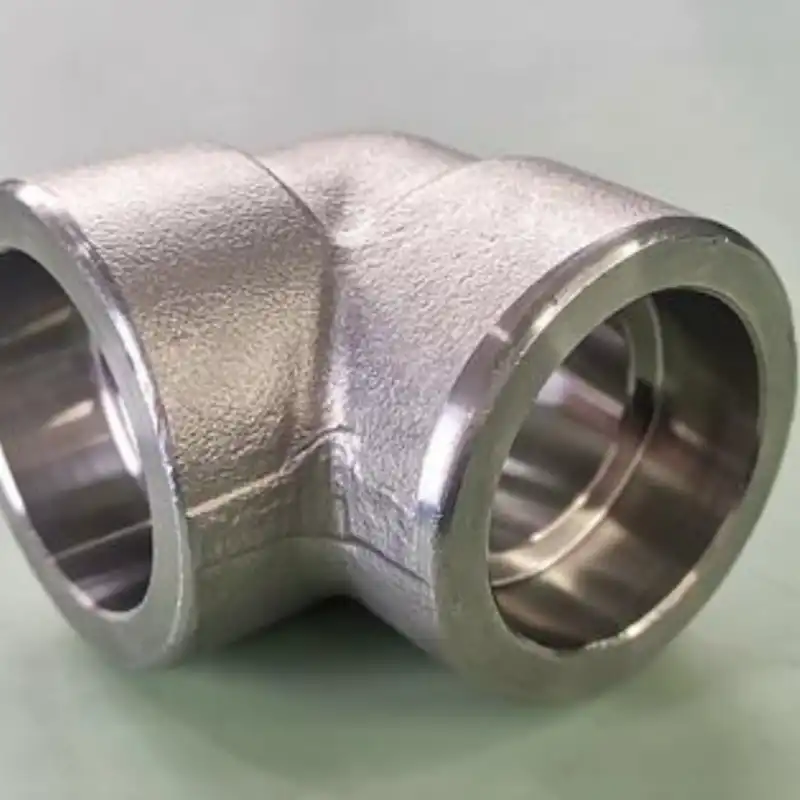
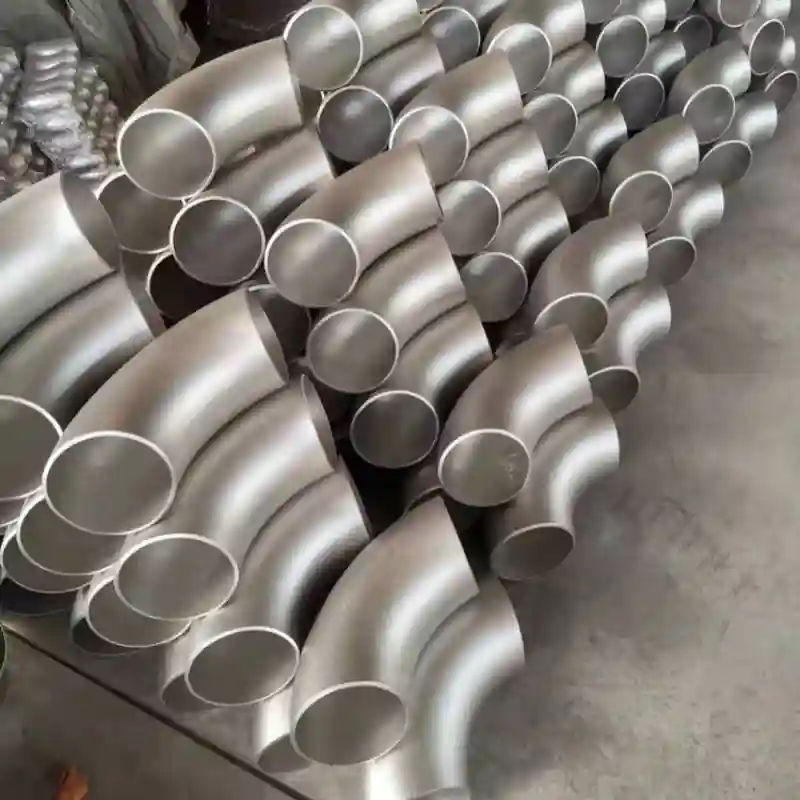
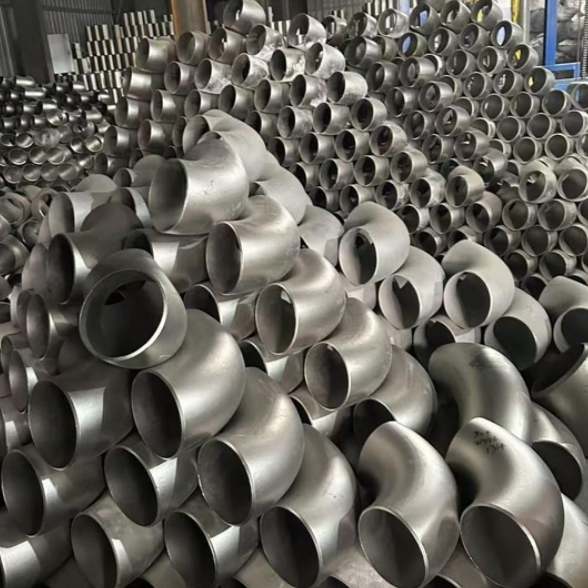
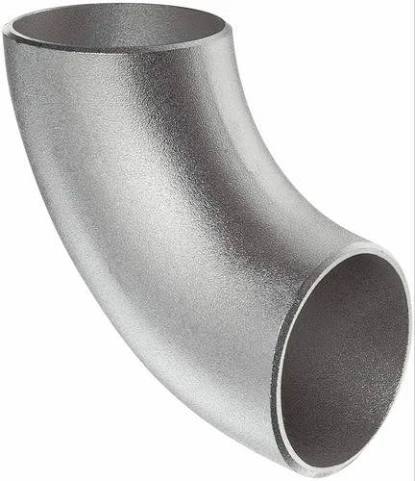
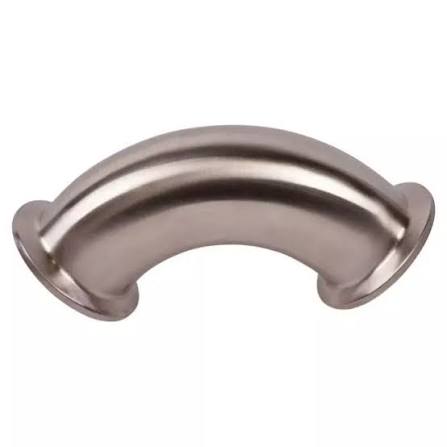
The shoe elbow pipe is equipped with a reinforced wear-resistant layer on the outer curved surface, such as double-layer Stellite alloy hardfacing with a hardness of HRC55-62 and a maximum thickness of 12mm. Its service life is 5 to 8 times longer than that of ordinary carbon steel elbows. Meanwhile, the 90 degree elbow adopts a long-radius design (R=1.5D, instead of short-radius R=1.0D) to reduce the impact angle of pulverized coal. This optimization reduces the wear rate from 0.25mm per thousand hours to 0.08mm per thousand hours.