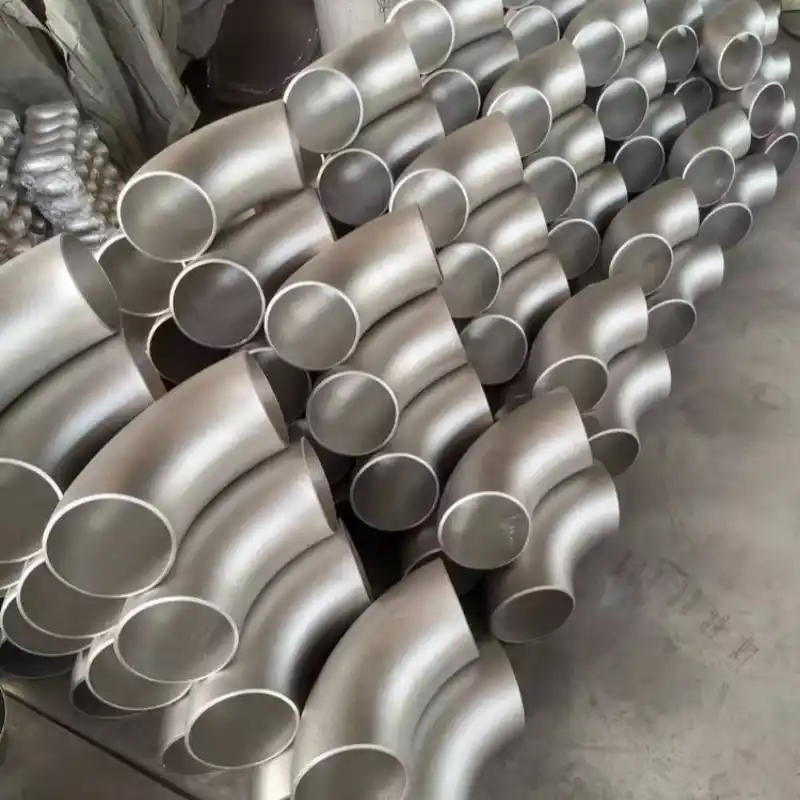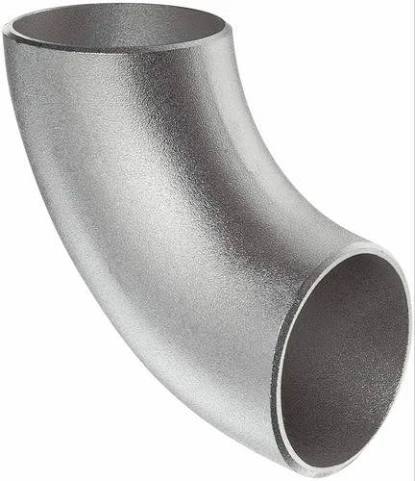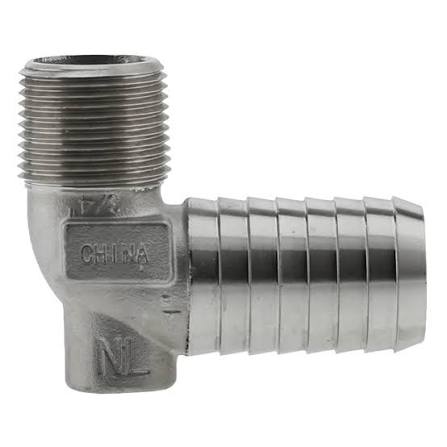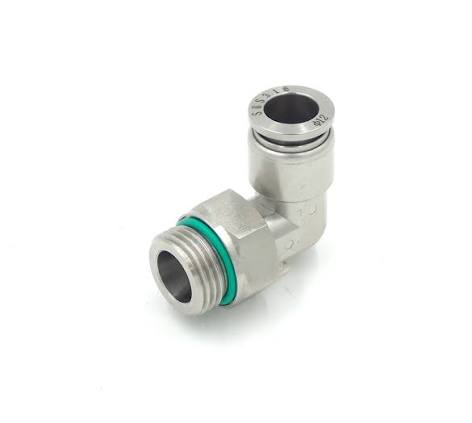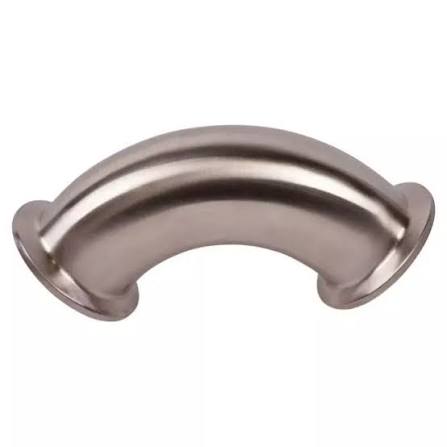
What are the standard piping elbows?
In the field of Precision Manufacturing & Electronics, piping elbows are critical components for connecting pipelines and changing the flow direction of media.
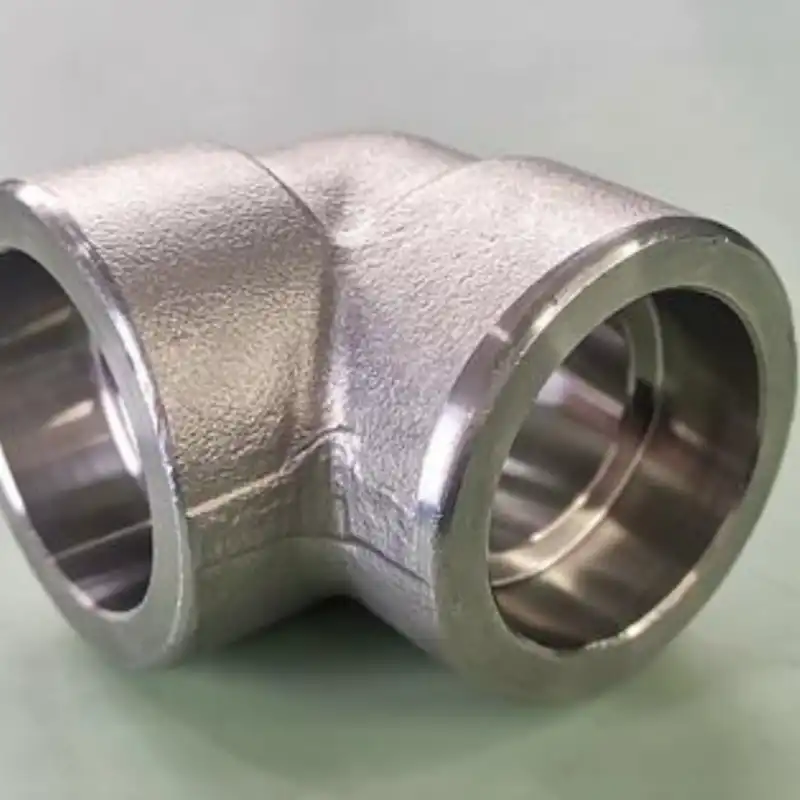
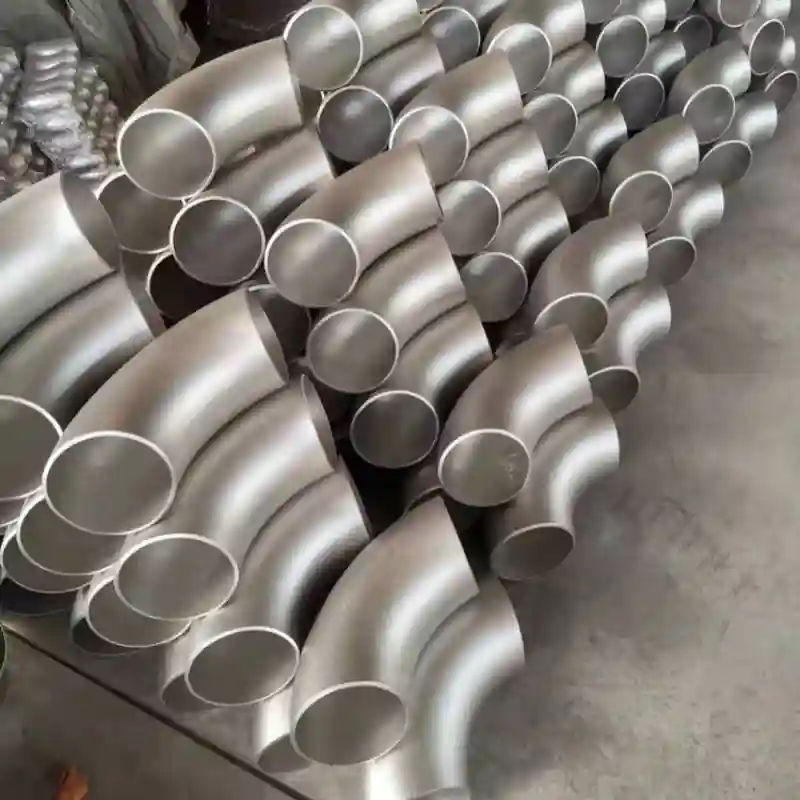
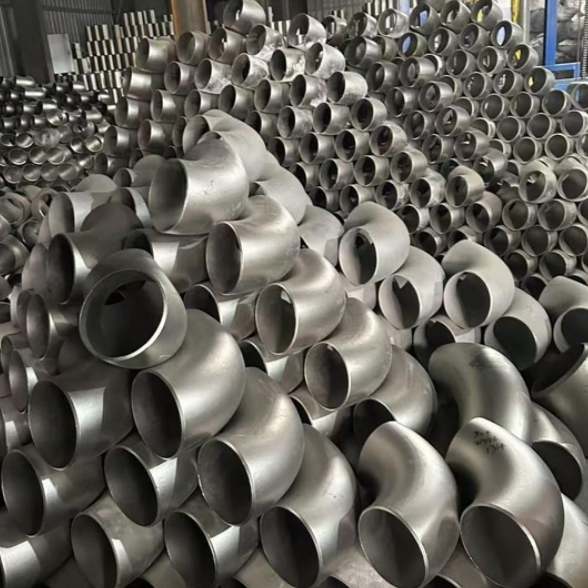
In general, elbow standards comply with ASME B16.9, MSS SP-43 or EN 10253-2. Among these, long radius (LR, R=1.5D) and short radius (SR, R=1.0D) types are the most widely adopted.
For instance, in electronic-grade high-purity water systems, the wall thickness tolerance must be controlled within ±0.5mm, with surface roughness Ra≤0.4μm to prevent particulate residue.
Common specifications include 3/4″ pipe elbow, which is applied to small-flow pipelines of analytical instruments; while 6″ pipe elbow is adopted for high-volume media transmission in cooling circulation systems of electronic factories.
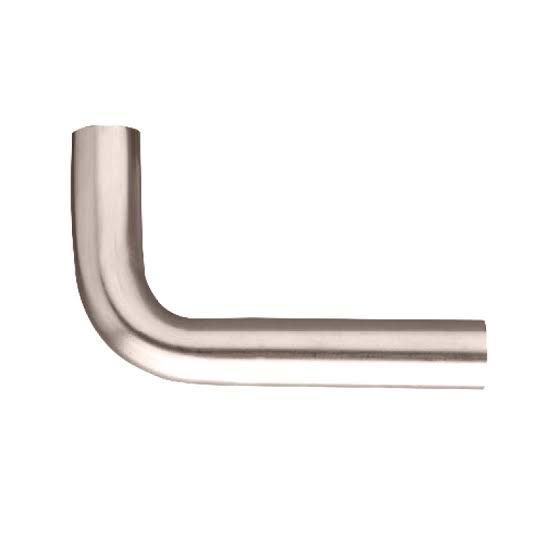
In terms of material selection, elbow pipe stainless steel (such as 304L and 316L) is the preferred choice for cleanrooms due to its corrosion resistance and low outgassing properties. In terms of angles, 90° pipe elbow (also referred to as elbow pipe 90 degrees) boasts the highest application frequency, accounting for more than 70% of usage scenarios.
In addition, weldable pipe elbows are frequently required for on-site modification. They can be butt-welded in accordance with ASTM A403 standards to ensure the weld strength matches that of the base metal.
Common Issues and Solutions of piping elbows
Issue 1: How do inner wall burrs of elbows affect the purity of electronic-grade fluids?
In precision electronics manufacturing, tiny burrs (height>0.1mm) on the inner wall of elbows may cause particle shedding or turbulent flow, thereby contaminating sensitive media such as photoresist.
Solution: Adopt the electrochemical polishing (ECP) process to reduce inner wall roughness to Ra≤0.2μm, and conduct full inspection with a 30× microscope. In accordance with the SEMI F19 standard, the chromium-iron ratio of the passivation layer is required to be ≥1.5.
Issue 2: How to control thermal deformation of large-diameter thin-walled elbows (e.g., 6″) during welding?
6″ pipe elbow with a wall thickness of only 1.5mm is prone to excessive ovality (allowable tolerance: ±1.5%) during welding.
Solution: Equip laser positioning fixtures with gas tungsten arc welding (GTAW), control the heat input at 300-400J/mm, perform air cooling after welding, and verify roundness with a coordinate measuring machine (CMM) to ensure the roundness error is less than 0.3mm.