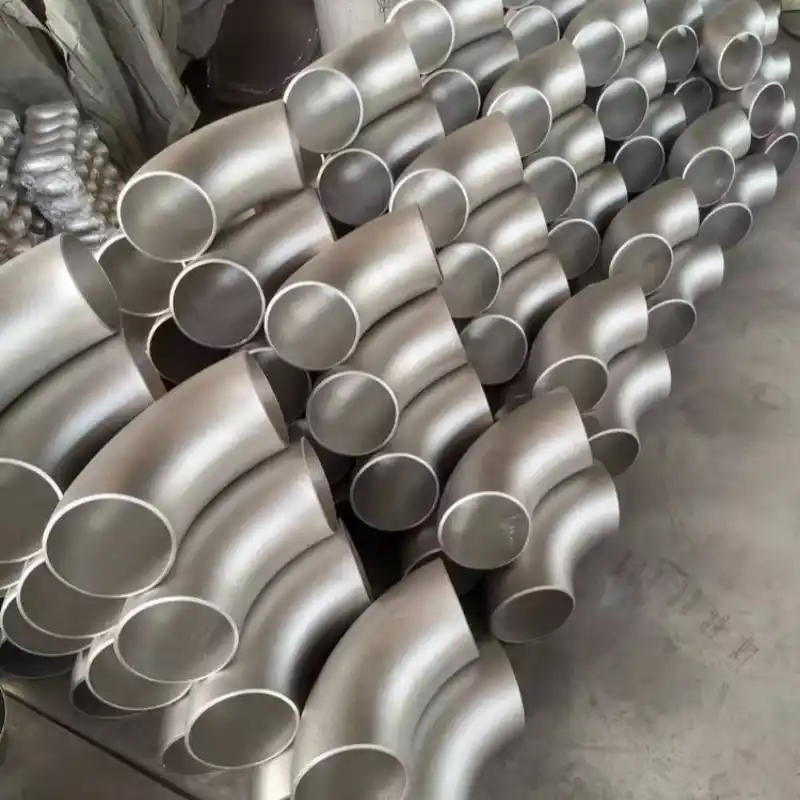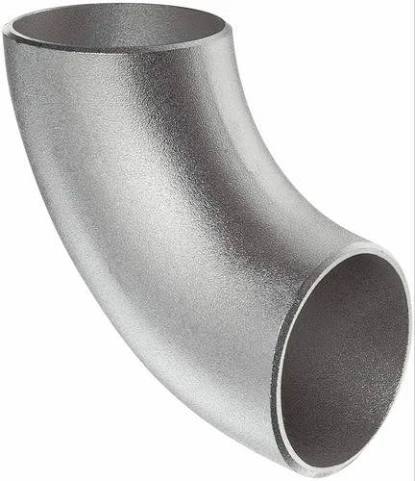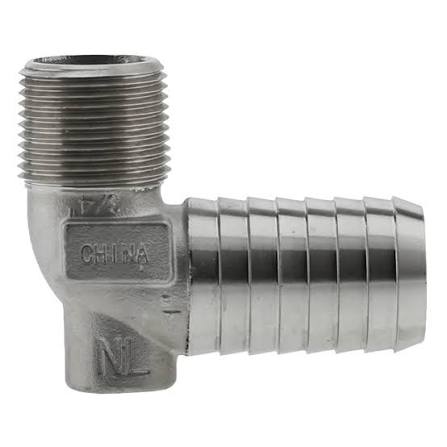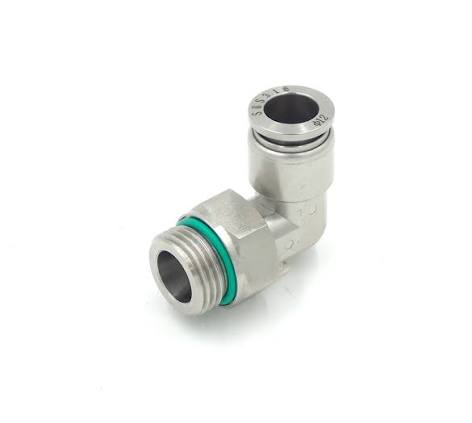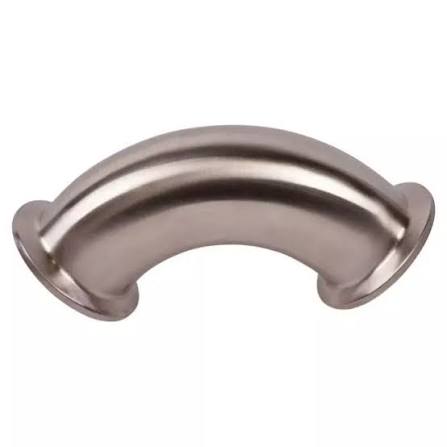
How to Change a Pipe Elbow (Including Steam Pipe Elbow)
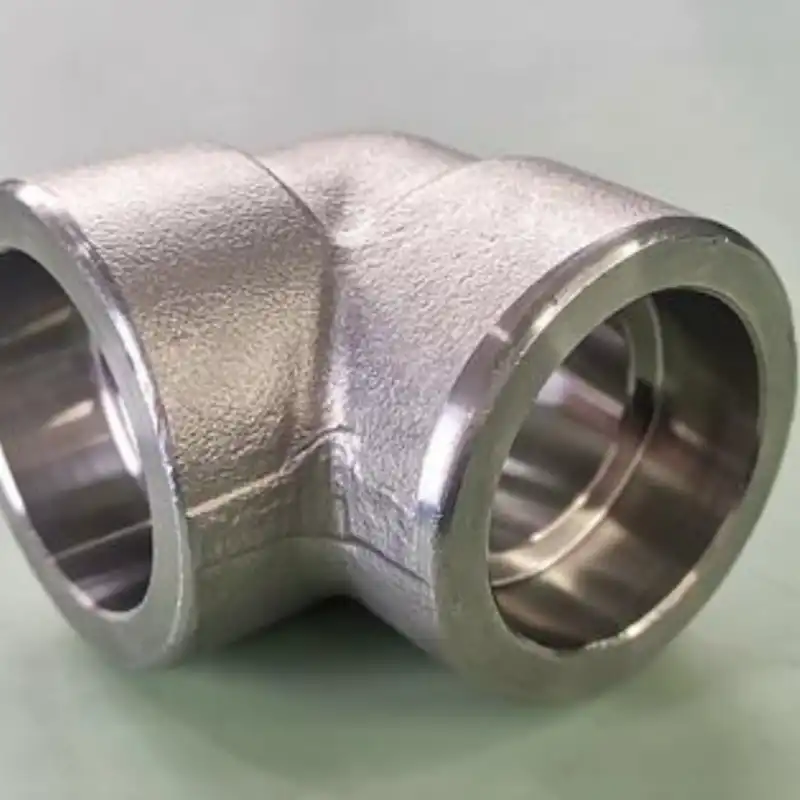
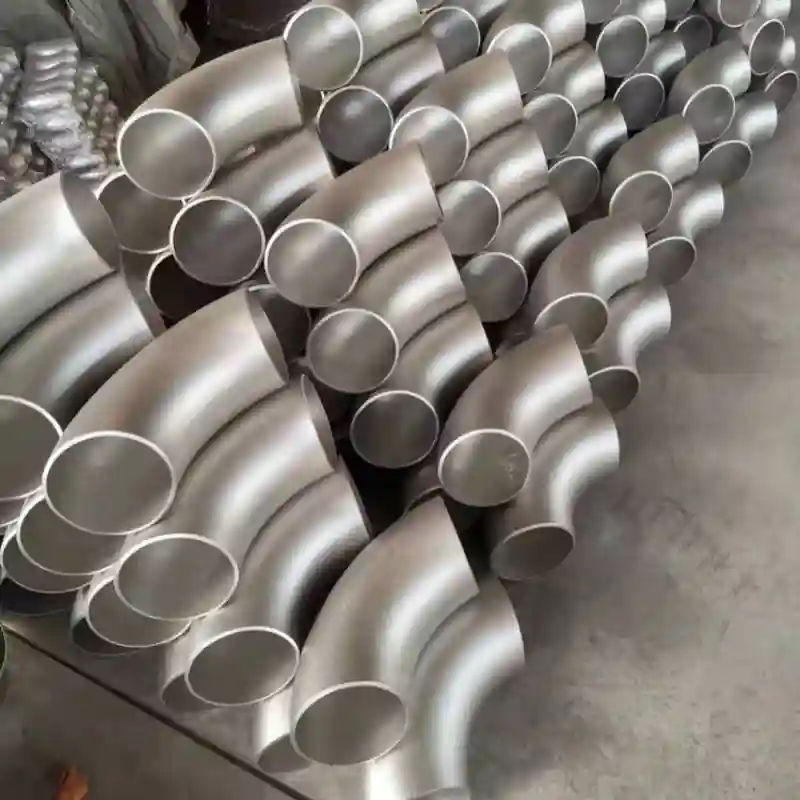
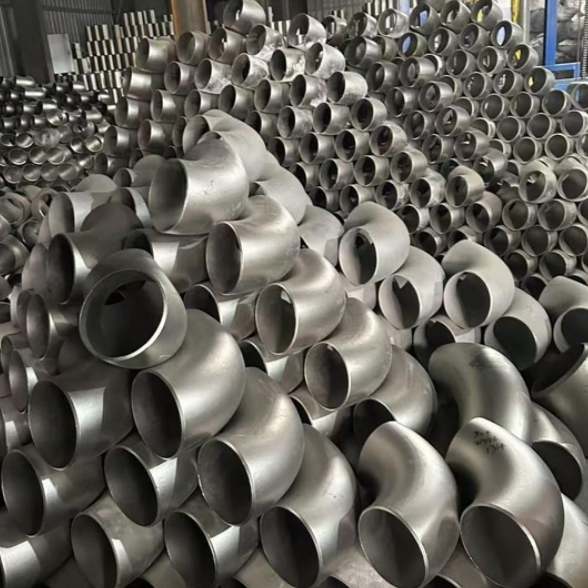
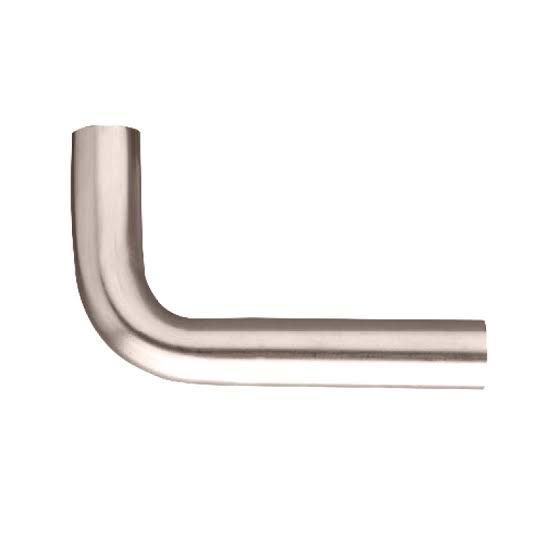
A pipe elbow is a key component for changing the direction of fluid flow. After long-term use, it may fail due to corrosion, erosion, or thermal stress. Mastering how to change a pipe elbow not only prevents leaks but also extends system life.🎈 For steam systems, the operation requires stricter procedures. Below, the standard replacement process is explained using a common 90° carbon steel elbow as an example, with special notes for steam pipelines.
Required Tools and Materials
-
Pipe wrench (chain-type or open-end, suitable for pipe diameters under 2 inches)
-
Pipe cutter or angle grinder
-
Thread sealant or welding equipment (depending on connection type)
-
Pressure gauge, thermometer (for steam systems)
-
New elbow (same material as original pipe, e.g., A234 WPB)
Step 1: System Isolation and Pressure Release
Close the upstream valve and drain the medium inside the pipe. For steam systems, wait until the pipe wall temperature drops below 50°C (confirm with an infrared thermometer) and pressure returns to zero. 🌈Steam pipe elbow replacement performed before adequate cooling can cause burns or steam flash explosion.
Step 2: Remove the Old Elbow
If threaded, use a pipe wrench to turn counterclockwise; if welded, cut along the weld seam with an angle grinder. Protect the external threads or bevel of adjacent straight pipes. After cutting, remove burrs from the pipe end and check pipe end ovality (deviation ≤1%).
Step 3: Install the New Elbow
Apply thread sealant (suitable for temperatures below 230°C) or use butt welding. When welding, control the root pass current to 80–110A to prevent burn-through. For high-pressure steam applications (≥1.6MPa), post-weld heat treatment is recommended. Use a pipe elbow alignment guide – i.e., a level and alignment fixture – to ensure the angle between elbow and pipe axis is within ±0.5°, otherwise stress concentration will accelerate cracking.
Step 4: Pressure Test
After system restoration, perform a hydrostatic test at 1.5 times the working pressure (hold for 10 minutes with no pressure drop). For steam pipelines, also conduct a steam blow to check all sealing surfaces.
📝Safety Tips
☑️Steam elbow replacement must be carried out wearing heat-resistant gloves and face shield. Never operate under pressure or at high temperature. According to ASME B31.1, the wall thickness of a steam pipe elbow shall not be less than 1.1 times the calculated value – verify the new elbow’s wall thickness before replacement.
☑️Mastering the correct replacement method, together with aids like the pipe elbow alignment guide, ensures repair quality. Regularly check the erosion depth on the inner wall of the elbow (replace if exceeding 30% of original wall thickness) to significantly reduce the risk of sudden leakage.