How to Change an Elbow Drain Pipe
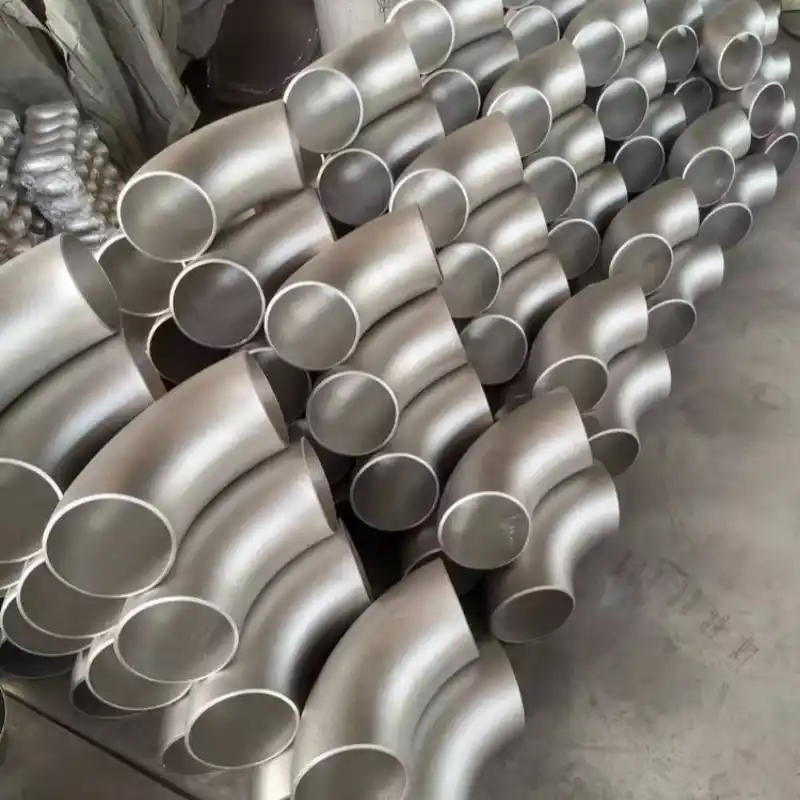
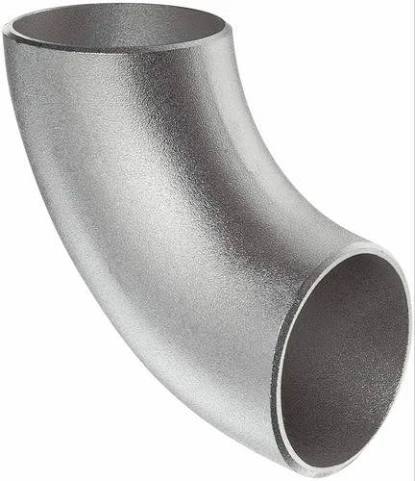
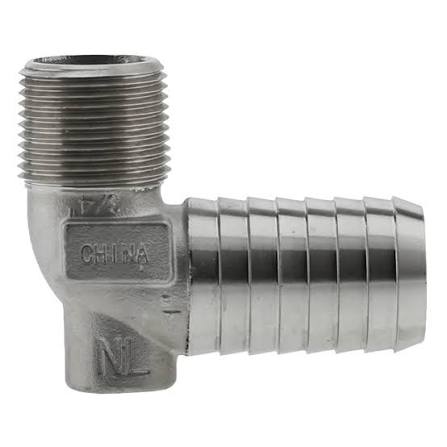
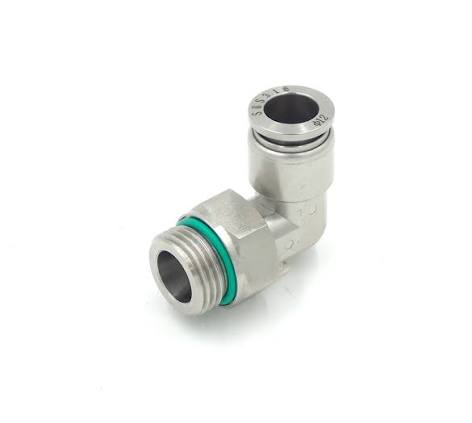
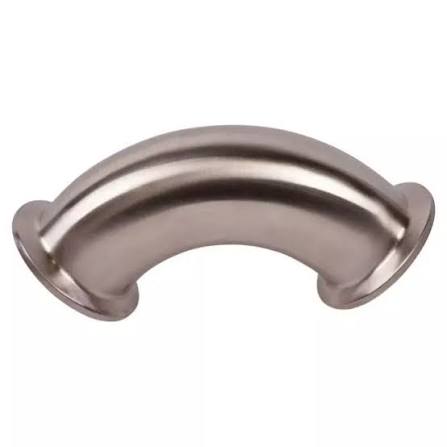
Replacing an elbow drain pipe is a common task in home maintenance and municipal engineering. Whether you are dealing with an aging drain pipe elbow or needing to upgrade a drainage pipe elbow in a public pipe network, mastering the correct replacement method can avoid water leakage, blockages and structural damage.
Combined with years of on-site experience and industry data (referencing ASTM F679 and ISO 2531 standards in the United States), this article elaborates on the entire process from diagnosis to replacement, and specifically explains the key application points in Construction & Municipal Engineering.
I. When Must the Elbow Be Replaced?
Three typical situations are most common in actual engineering:
- Crack or pinhole leakage: When cracks of more than 0.2mm appear on the surface of PVC or cast iron elbows, the pressure bearing capacity will drop by about 40%.
- Severe inner wall scaling: For drain pipe elbow joint made of cast iron that has been in use for more than 5 years, the flow cross-section may shrink by 25%~30%.
- Joint seepage: Aging of rubber sealing rings (Shore hardness rising above 55 to 75), resulting in seal failure.
In municipal drainage systems (such as rainwater pipe networks and sewage lifting pump stations), a damaged 200mm diameter elbow with drain that is not replaced in a timely manner may cause pipeline silting within 30 meters downstream. This is regarded as a “single-point failure risk point” that is highly valued in the field of Construction & Municipal Engineering.
II. Required Tools and Materials (Parameter-level List)
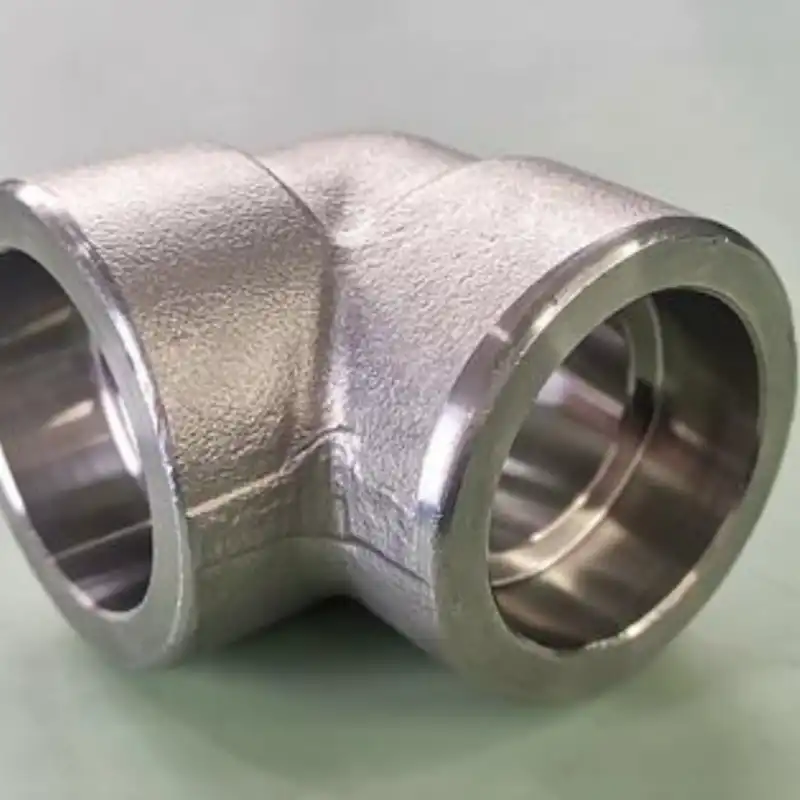
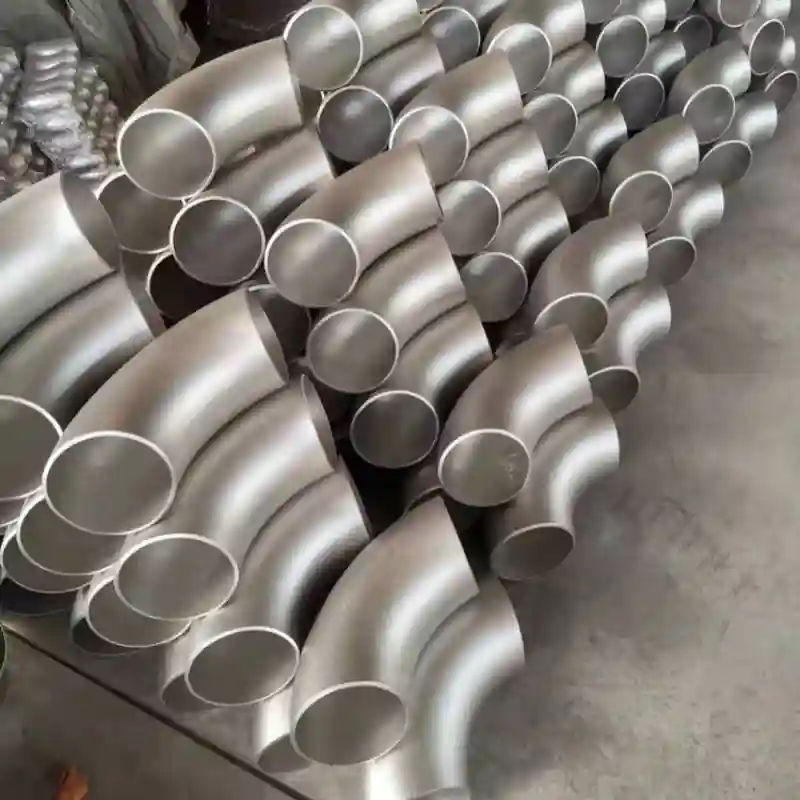
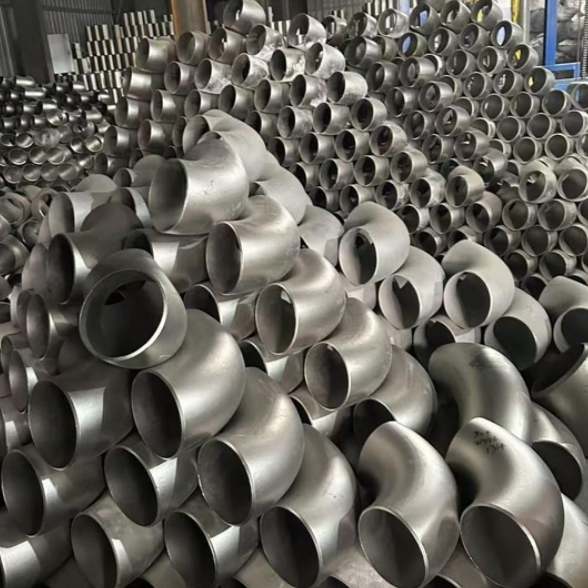
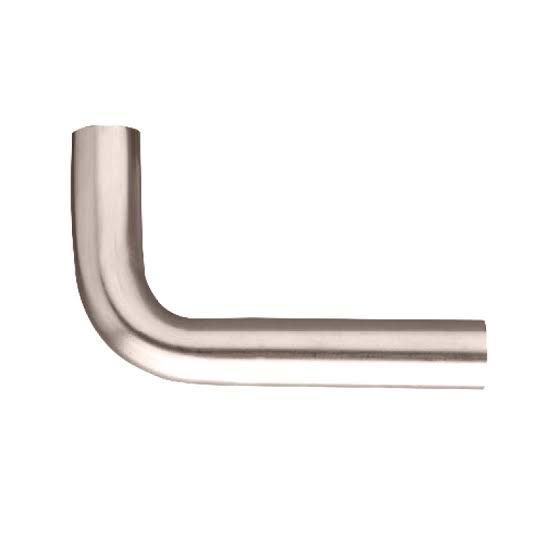
- Elbow body: Select UPVC (ring stiffness ≥4kN/㎡), ductile iron (Class K9) or HDPE (SDR11) according to the original pipe material. For 90 drain pipe scenarios (i.e., 90° vertical turning), it is recommended to adopt a combination of double 45° elbows, which can reduce the flow resistance coefficient by 22%.
- Cutting tools: Reciprocating saw (equipped with special saw blades for metal/plastic) or rotary pipe cutter (suitable for DN50-DN300).
- Connecting fittings: Socket joints, stainless steel clamps (torque set at 35~40N·m) or solvent cement (special for UPVC, curing time ≥2 hours).
- Testing equipment: Level or laser level (to ensure the slope is maintained at 1%~2%).
Special Note: When replacing a drain pipe bend, if the buried depth of the original pipeline exceeds 1.2 meters, trench support shall be carried out in accordance with OSHA standards (minimum width 0.6 meters, slope ratio 1:0.5).
III. Step-by-Step Operation Process
Step 1: Safety Isolation and Pressure Relief
Close the upstream valve or install plugging airbags. When testing pressure-bearing drainage systems (such as siphon rainwater pipes), open the access opening first to confirm the pressure drops below 0.05MPa. Wear acid and alkali resistant gloves and goggles.
Step 2: Expose the Working Area
Excavate with a small excavator (0.2m³ bucket capacity model commonly used in municipal engineering) or manual tools. Retain 100mm undisturbed soil at the bottom of the original pipeline as the foundation. Under Construction & Municipal Engineering scenarios, obtain pipeline drawings from the local planning department in advance to avoid damaging gas or power cables — this reflects Specialized Knowledge.
Step 3: Remove the Old Elbow
- UPVC pipeline: Heat the socket evenly with a heat gun (temperature controlled at 180~200℃), then rotate and pull out after softening the adhesive. Violent knocking is strictly prohibited; standard operation can reduce the risk of micro-cracks in surrounding pipelines by 75%.
- Cast iron pipeline: Cut along the marked line with a chain pipe cutter, and polish the fracture surface with an angle grinder to Ra≤6.3μm. Note: When dismantling an old drain pipe 45 degree elbow of DN100, it is usually necessary to pre-cut the straight pipe sections at both ends (150mm each) to reserve swing space.
Step 4: Cleaning and Preparation
Use a special scraper to remove residual gaskets or old sealing rings inside the socket. Measure ovality: allowable deviation is ±2% of the nominal diameter (e.g., ovality of DN150 elbow ≤3mm). Install rubber compensators if the deviation exceeds the limit.
Step 5: Install the New Elbow
Align with the flow direction mark. For drainage pipe elbow, ensure the guide vanes (if any) face the outer side of the pipe trench.
Apply lubricant (grease is not allowed), and push the elbow into the socket to the marked line. Standard socket depth: 50mm±5mm for DN50~150; 70mm±8mm for DN200~300.
Tighten the clamps in three times using the cross tightening method, with the final torque value referring to the above parameters.
Step 6: Backfilling and Testing
First cover with 200mm thick fine sand (particle size ≤5mm) and compact in layers (compaction degree ≥90%). Then conduct a water tightness test: fill water to the design water level and keep for 15 minutes, with allowable leakage ≤0.2L/(min·m) (compliant with EN 1610 standard).
IV. Common Mistakes and Professional Recommendations
Mistake 1: Replacing elbow with drain with ordinary 90° elbow
Consequence: It is impossible to feed dredging steel strips for future maintenance, requiring additional hole drilling. Professional practice: Mandatorily adopt elbows with cleanout openings when the pipe diameter ≥110mm and the turning point is located in the underground floor of buildings.
Mistake 2: Ignoring temperature deformation
Data: The linear expansion coefficient of UPVC is 0.07mm/(m·℃). When the drainage pipe operates from -5℃ in winter to 40℃ hot water in summer, a 3-meter-long horizontal pipe section will elongate by 9.45mm, so expansion joints must be installed.
According to Section 706.2 of International Plumbing Code (IPC 2024), the original designed flow rate shall be maintained when replacing elbows. For example, replacing the 90 drain pipe position with two 45° elbows will not cause additional head loss (verified by CFD simulation, the resistance coefficient only increases by 0.03).
V. Summary
Replacing a drain pipe bend or drain pipe elbow joint is more than simply removing the old and installing the new one. Every detail, from parameter measurement (ovality, socket depth) to working condition adaptation (municipal trench support, temperature compensation), affects the service life of the system for more than 30 years.
AIFN Metal Technology supplies full-standard elbow products complying with ANSI/BS/ISO standards (full series including 90°, 45°, elbows with cleanout openings, etc.). Feel free to contact us for engineering drawings or on-site technical guidance.