A 90° Elbow in a Horizontal Pipe: In-Depth Analysis of Flow Characteristics, Type Selection and Industrial Applications
In piping systems, a 90° elbow in a horizontal pipe is the most common yet worthy of in-depth research flow turning component. When fluid flows through a right-angle elbow in the horizontal direction, the flow state changes drastically — the flow velocity increases at the inner side, secondary circulation generates at the outer side, thereby causing significant pressure loss and turbulent disturbance.
Understanding this process is not only critical for piping design, but also directly related to system energy consumption, material selection and long-term operational reliability.
1. Fluid Mechanics Details of 90° Horizontal Elbows
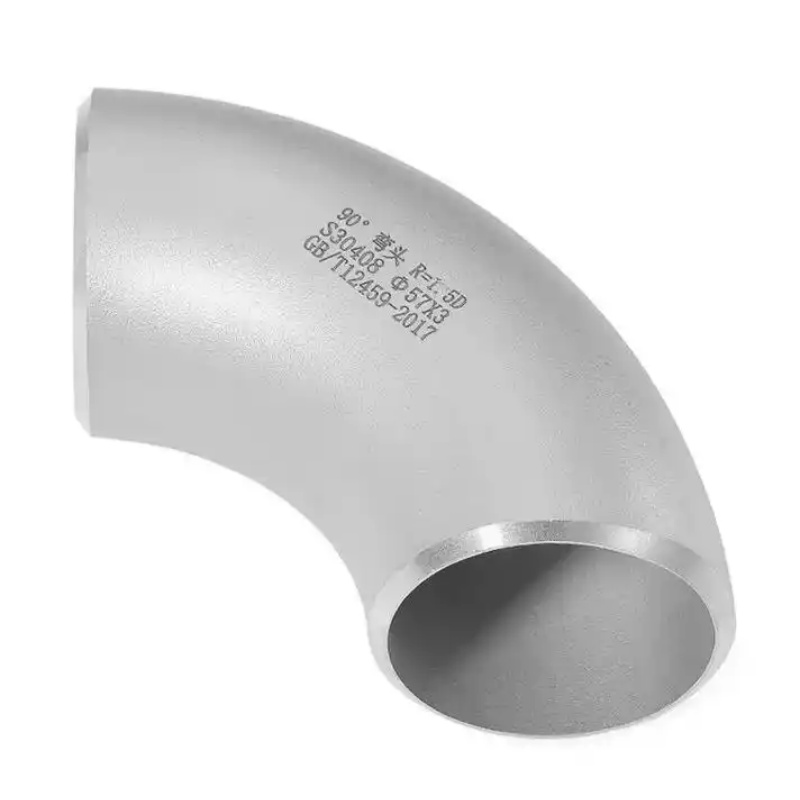
According to classic data from Crane TP-410 Flow of Fluids Through Valves, Fittings, and Pipe, a standard long radius (R=1.5D) 90° elbow has an equivalent length of approximately 30 times the pipe diameter, while a short radius (R=1.0D) elbow is equivalent to 60 times the pipe diameter.
For horizontal installation, when the Reynolds number exceeds 105, the flow velocity ratio between the inner and outer sides of the elbow can reach 3:1. The resulting local resistance coefficient (K value) is generally between 0.2 and 0.5, depending on the curvature radius and wall roughness.
This asymmetric flow also induces spiral eddies in the straight pipe section with a length of 5~10 times the pipe diameter downstream, interfering with the accuracy of precision components such as flow meters and valves. Therefore, experienced engineers will reserve a sufficient straight pipe section downstream of the elbow (normally recommended ≥10D) or install flow straightening devices.
2. Elbow Types and Specification Parameters
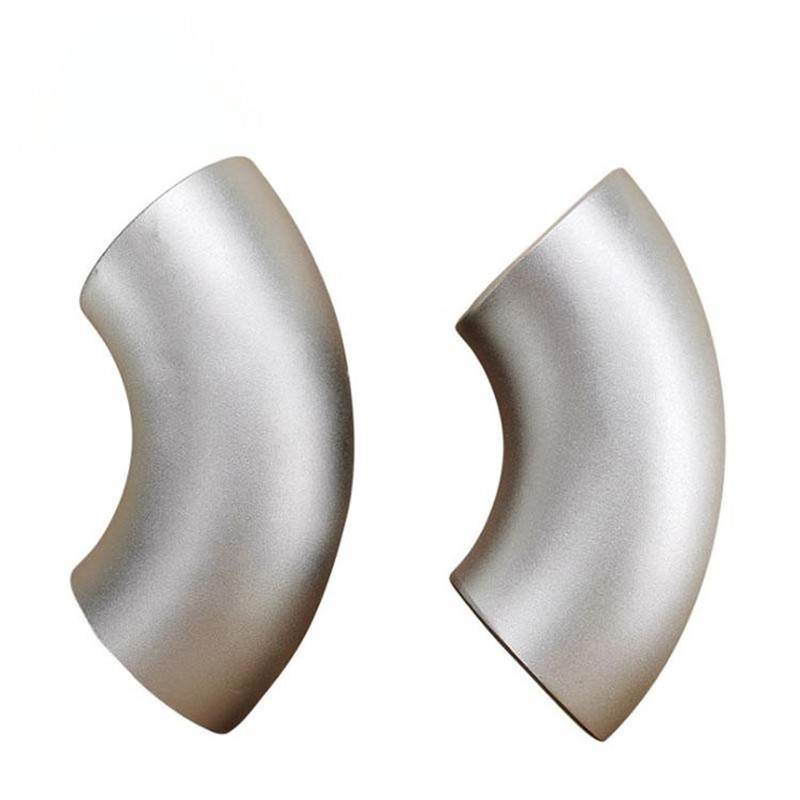
Classified by different connection methods and manufacturing standards, types of pipe elbows include long radius (LR), short radius (SR), 45°, 90° and 180° return elbows. The 90° elbow is the most widely used in horizontal pipelines, and its dimensional specifications must strictly match the pipe Nominal Pipe Size (NPS).
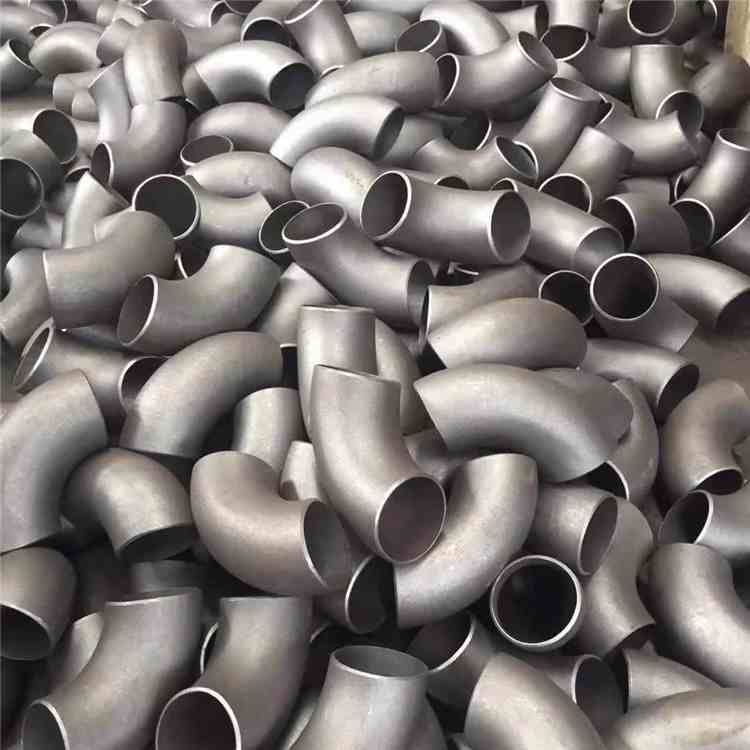
For example, a common 2 inch 90 degree black pipe elbow usually complies with Sch 40 or Sch 80 wall thickness standards, with an outer diameter of 60.3 mm and a bending radius (center to end face) of 76.2 mm (calculated at 1.5D). For larger-caliber 2 1/2″ pipe 90° elbow, the nominal size is DN65 with an outer diameter of 73.0 mm and a bending radius of 109.5 mm, commonly used in medium and low-pressure steam or oil transmission pipelines.
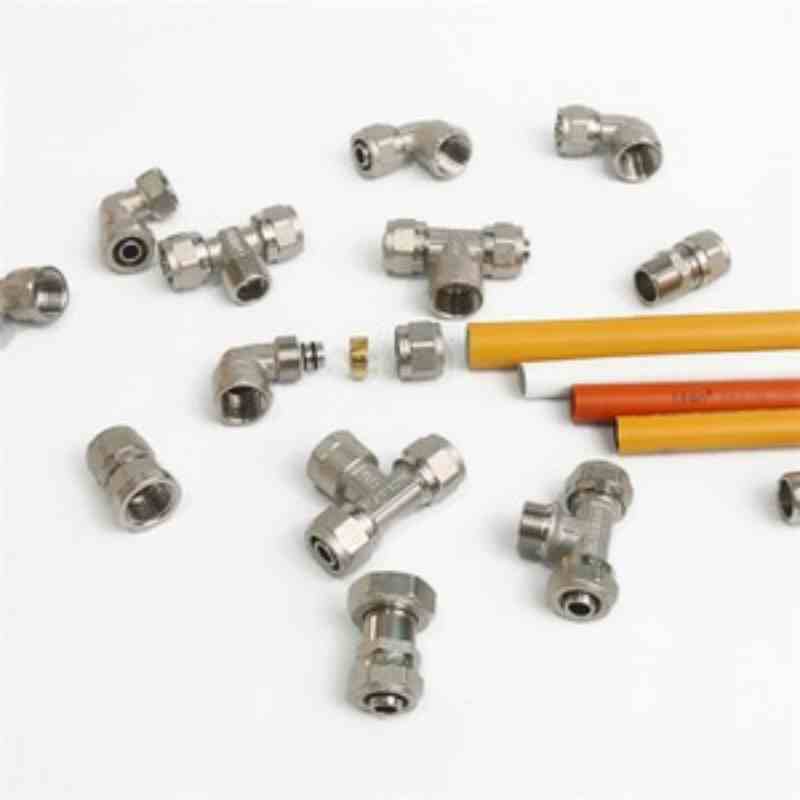
As a core category of pipe fitting elbow, it features diverse end connection forms: Butt Weld (BW), Socket Weld (SW), Threaded, etc. Pipe elbow joint types also include flange connection, press-fit connection and grooved connection. Different connection forms are applicable to various pressure classes (Class 150~2500) and medium temperatures (-29℃~425℃). Metal pipe elbow made of carbon steel (ASTM A234 WPB), stainless steel (304/316L), alloy steel and other materials are the mainstream choices in the industrial field.
3. Special Applications in Food & Pharmaceutical Industry
In the Food & Pharmaceutical industry, the design of piping elbows goes far beyond fluid diversion. Sanitary elbows require inner wall mirror polishing with Ra ≤ 0.4μm, and must adopt dead-leg free long radius design (R≥1.5D, often 3D) to prevent bacterial growth and residue accumulation.
For instance, in the CIP/SIP (Clean-In-Place / Sterilize-In-Place) system of vaccine production lines, an unqualified 90° elbow may create cleaning blind spots and cause batch-to-batch contamination. Therefore, the food-grade stainless steel elbows supplied by AIFN are manufactured in strict accordance with ASME BPE (Bioprocessing Equipment) standards, with 100% endoscopic inspection and passivation treatment implemented to fully meet FDA and EU regulatory requirements.
4. Selection Guidelines and Authoritative Standards
Based on ASME B16.9 and EN 10253-2 standards, the following principles shall be followed when selecting 90° elbows for horizontal pipelines:
- For high-pressure (≥10MPa) or pulsating flow working conditions, prioritize long radius elbows and increase wall thickness allowance (actual wall thickness ≥ 1.2 times the calculated wall thickness).
- For slurry pipelines containing solid particles, it is recommended to adopt large curvature radius (≥3D) metal elbows lined with wear-resistant ceramics.
- When used in steam or hot oil systems, verify the creep rupture strength of the material (e.g., the creep limit of carbon steel at 400℃ for 100,000 hours is 70MPa).
Experimental data shows that unqualified elbows (such as ovality exceeding 3% or back arc thinning greater than 12.5%) will lead to local stress concentration and reduce fatigue life by more than 50%. Hence, AIFN implements strict Non-Destructive Testing (ultrasonic thickness measurement and magnetic particle inspection) for all delivered elbows and provides Material Test Certificate (MTC) to ensure 100% product traceability.
Conclusion
From basic fluid dynamics parameters and high cleanliness requirements in the food and pharmaceutical industry to compliance standards of metal elbows — correctly understanding and applying a 90° elbow in a horizontal pipe is the key to the success of piping system engineering.
With decades of manufacturing experience and compliance with domestic and international authoritative standards, AIFN Metal Technology provides various elbows ranging from 2 inch to 24 inch, and supports customization of special curvature radius and surface treatment. Feel free to contact our engineering team for detailed technical documents and selection calculation support.