What is a 90 elbow used for?
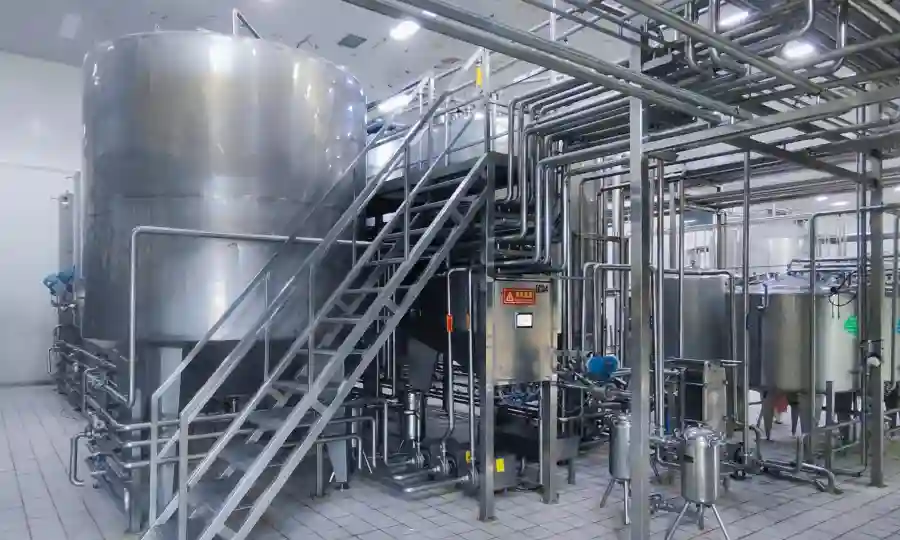
In the piping systems of the food and pharmaceutical industries, the 90° elbow is not only a basic component for changing the flow direction of media, but also a key part to ensure hygienic production. Taking Purified Water (PW) and Water for Injection (WFI) distribution systems as examples, improper selection of elbows will lead to the formation of microbial biofilm, which directly violates GMP regulations.
So which type of 90° elbow can meet both flow direction control and hygienic safety requirements?
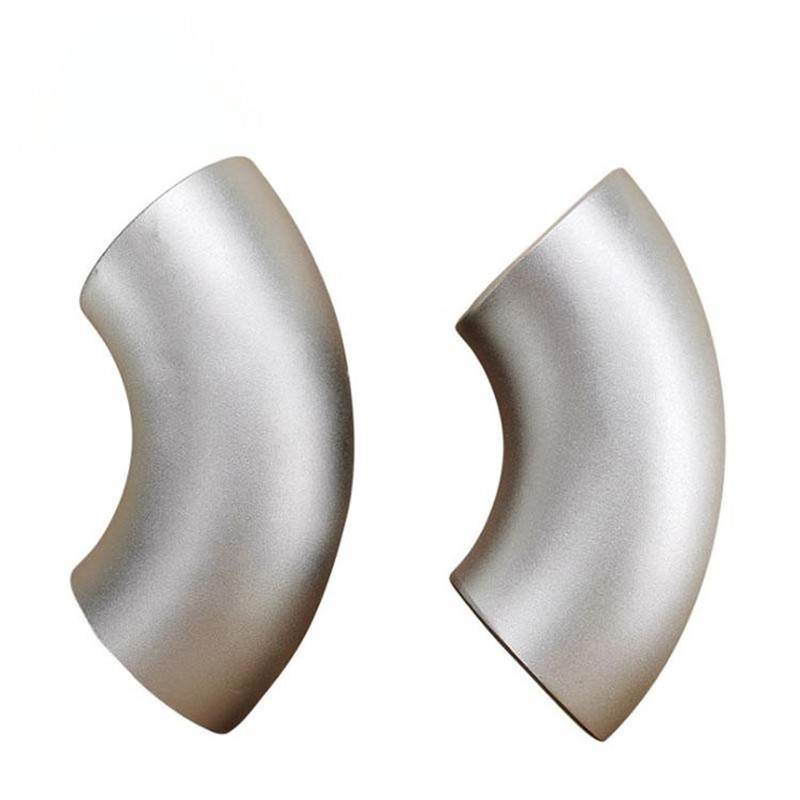
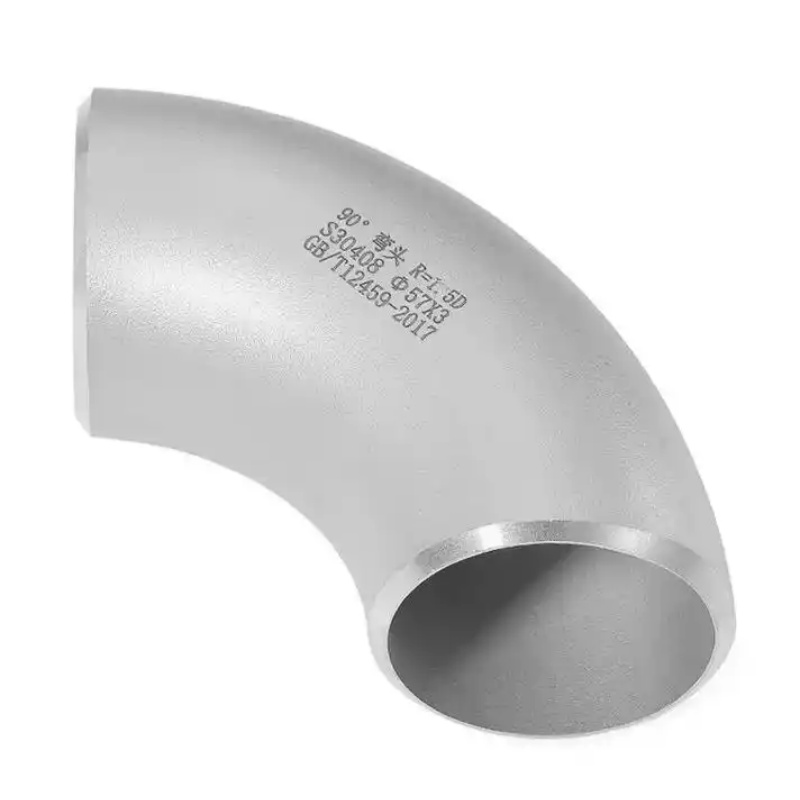
For compact equipment connection points, the elbow 90° short radius (center radius R=1D) is widely favored for its small space occupation. However, according to the EHEDG Doc. 32 guideline, short radius elbows are prone to turbulent dead corners during CIP cleaning.
Therefore, our solution is to prioritize the long-radius design with R≥1.5D; if the space is absolutely limited, the inner surface must be electropolished to ensure Ra≤0.4μm, and no residue shall be verified by the fluorescent tracer method.
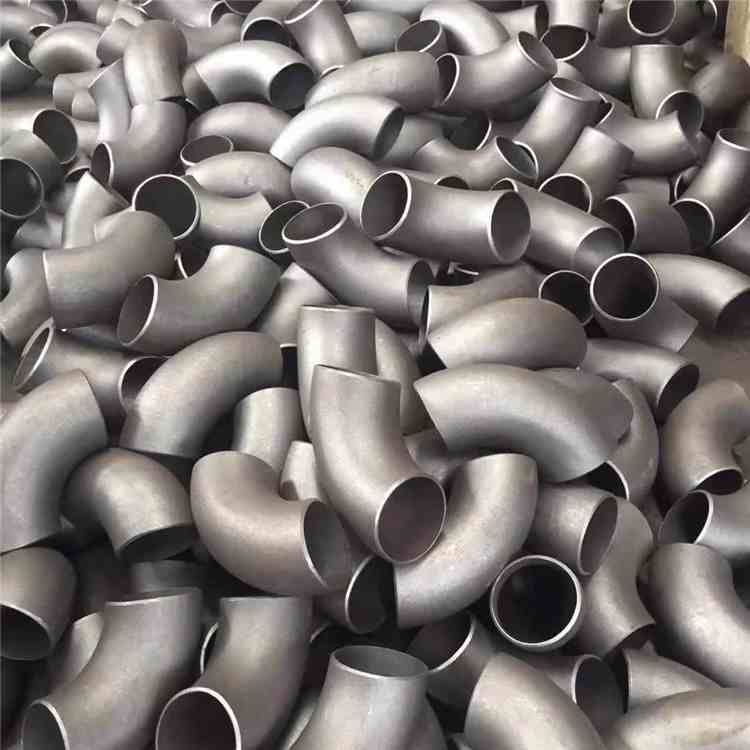
In terms of welding technology, automatic orbital welding (parameters: current 45-55A, argon purity 99.999%) is recommended for the connection between weldable 90° elbow and pipelines.
The ASTM F1396 standard specifies that the weld reinforcement on the inner surface of qualified orbital welded joints shall be ≤0.1mm, and the seamless connection can completely prevent microbial hiding.
Meanwhile, the common welding elbow 90° matched with 316L stainless steel material (molybdenum content 2.5-3.0%) can withstand saturated steam (135℃, 30 minutes) for SIP online sterilization without causing intergranular corrosion.
In particular, stainless 90° elbows are the first choice for food-grade pipeline systems. According to the research published in Pharmaceutical Engineering Volume 43, Issue 2, the surface treatment of ASME BPE SF4 grade (mechanically polished to Ra 0.25μm) can reduce the protein adsorption rate by more than 90%.
Common Problems and Solutions
Will the inner wall of a 90° elbow cause material residue? How to conduct quantitative verification?
It is recommended to adopt electropolished stainless steel elbows, with detection by a 3D surface profiler (sampling length 0.8mm, roughness parameter Rz<1.6μm). Meanwhile, perform the riboflavin coating test (concentration 0.2g/L); the product is qualified if no fluorescent residue is observed under ultraviolet light.
How to carry out non-destructive testing on the weld zone of welded elbows?
Radiographic testing shall be conducted in accordance with the ISO 17636 standard (double-wall double-image, film density ≥2.0). Data shows that for joints of welding elbow 90° processed by automatic TIG welding, the ferrite content can be controlled within the range of 5-8FN, which can effectively avoid hot cracks.
In conclusion, the rational selection of stainless 90° elbows complying with FDA and 3-A standards, combined with parameterized welding and surface verification procedures, can realize a dead-corner-free and easily sterilized pipeline design in food and pharmaceutical production.