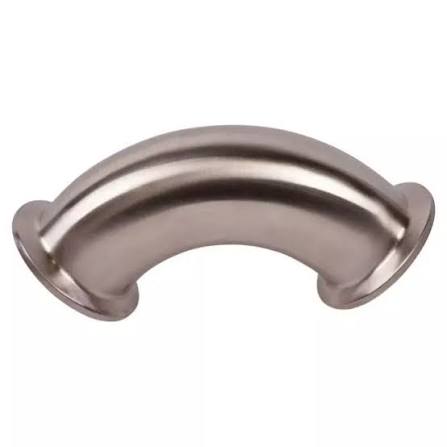
How many types of 90 elbows are there?
In piping systems,
90° elbows are the most commonly used directional connecting fittings.
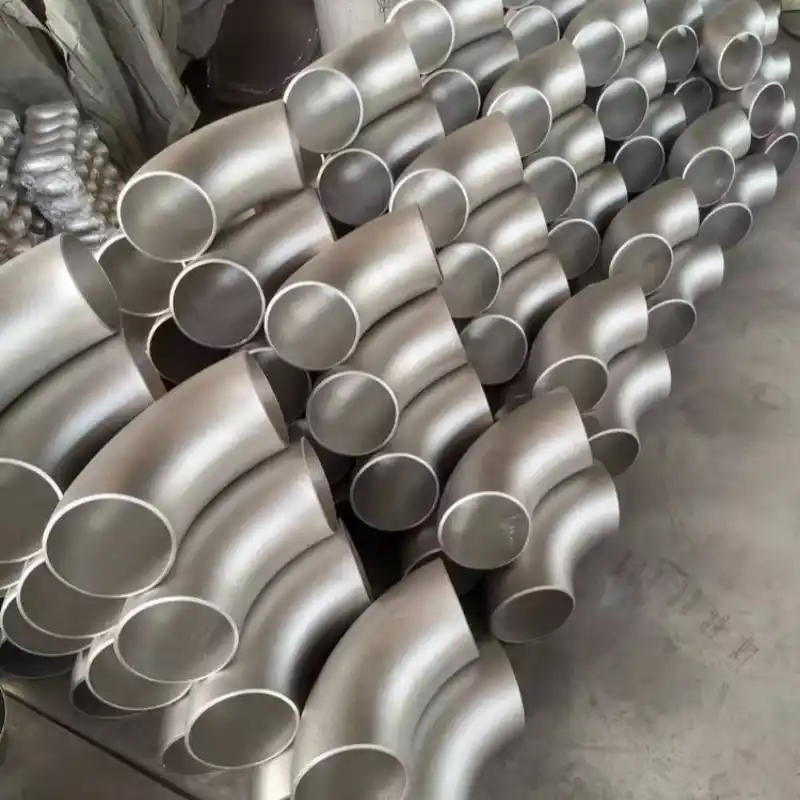
Classified by manufacturing standards, materials, connection methods and geometric parameters, 90° elbows can be divided into multiple types. There is no fixed numerical answer, while the industry generally categorizes them from the following four dimensions, each matching specific engineering scenarios.
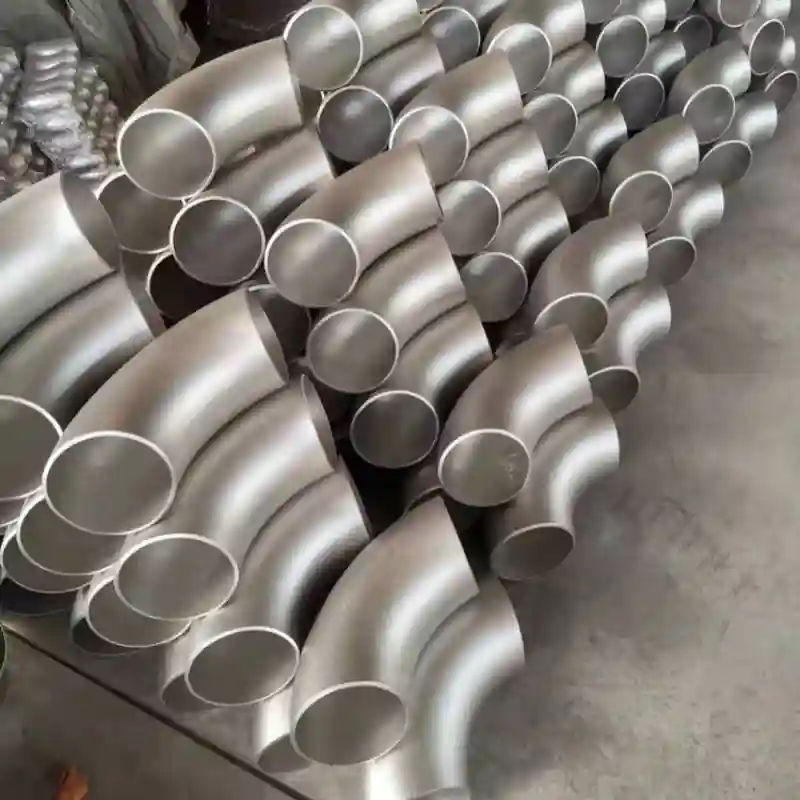
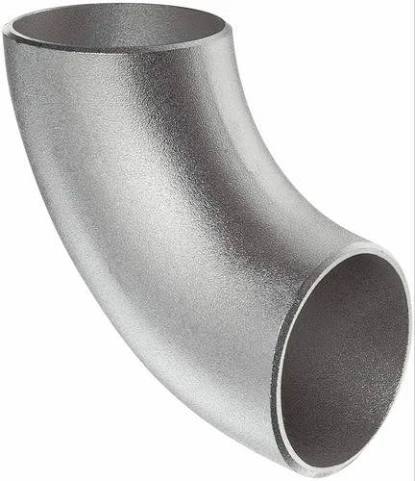
By radius of curvature, the most common is the Long Radius (LR) 90° elbow, with a center radius R = 1.5 × Nominal Diameter (DN). For example, an LR elbow of DN100 has R=152mm. Short Radius (SR) elbows feature R=1.0×DN and are mostly used in confined spaces. ASME B16.9 standard stipulates that LR elbows account for over 90% of market usage.
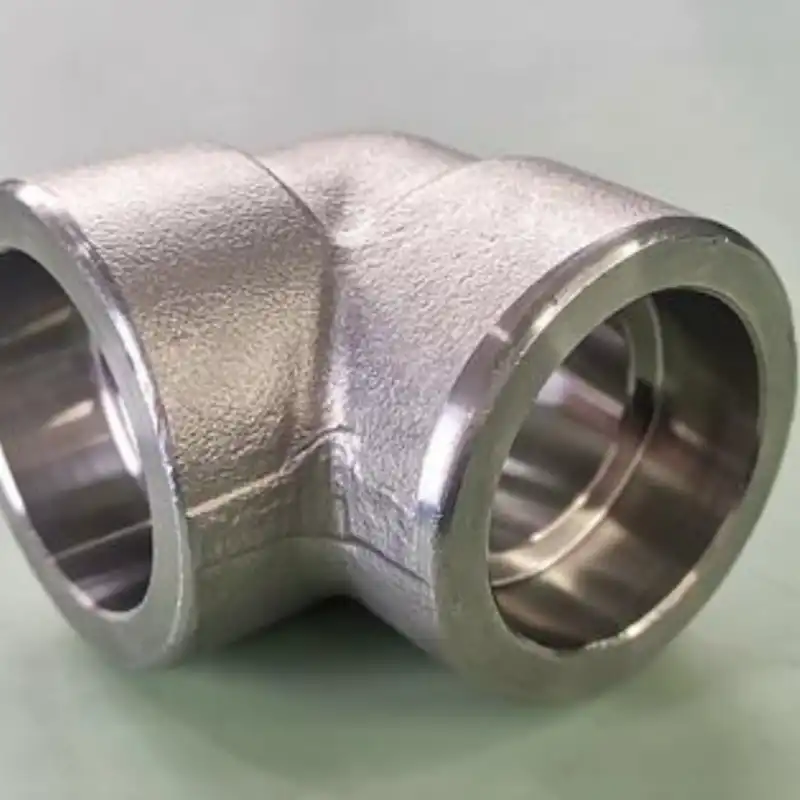
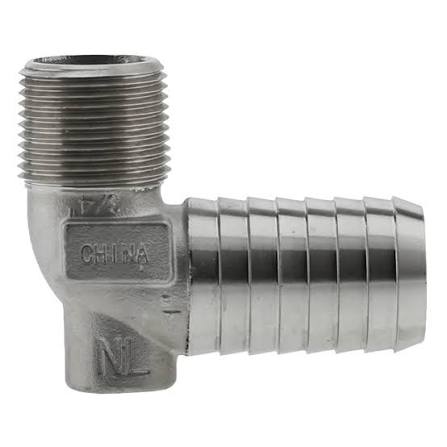
By connection method: welded type (Butt Welded BW, Socket Welded SW), threaded type and mechanical type. The typical street elbow 90° is a representative of threaded connection, with male thread at one end and female thread at the other. It can save a nipple fitting and is especially suitable for gas and water pipeline renovation.
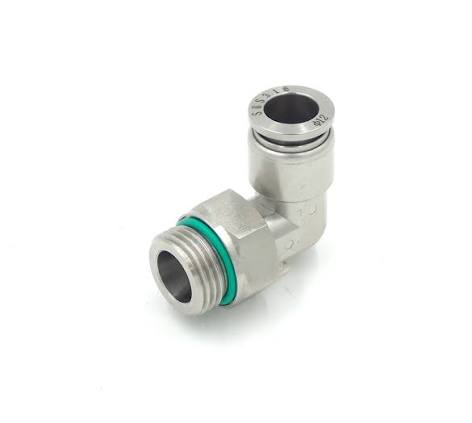
In modern building water supply systems, the propress 90° press-fit elbow has gained rapid popularity for its fast installation and fire-free construction. It only takes a few seconds to complete sealing with professional dedicated tools.
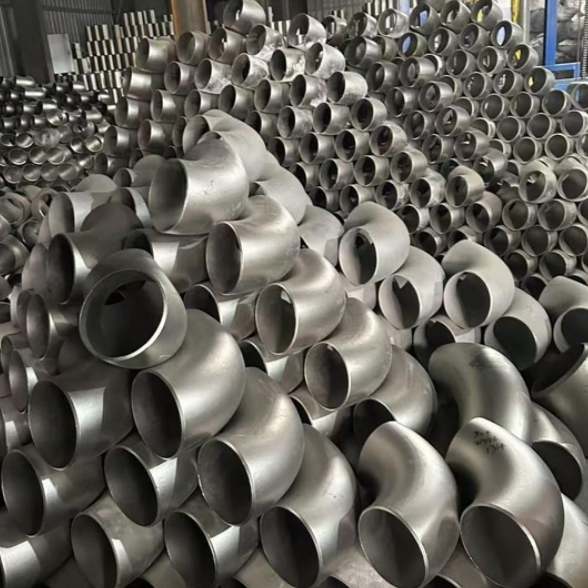
By material: ranging from carbon steel to alloy steel. Stainless steel series are widely applied in chemical, food and pharmaceutical industries due to excellent corrosion resistance. Common grades of stainless steel 90 degree elbow include 304/316L with wall thickness grades from Sch10S to Sch80S. In chlorine-containing medium environments, the Pitting Resistance Equivalent Number (PREN) of 316L reaches above 25.
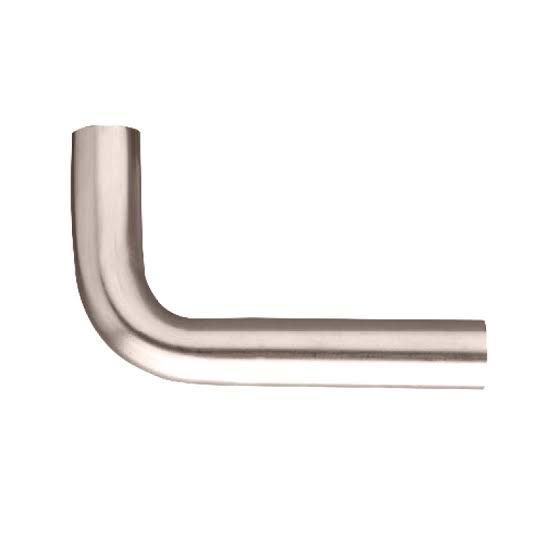
In addition, 90 degree steel tube elbow specifically refers to precision steel pipe elbows, commonly used in hydraulic pipelines and instrument piping systems, with outer diameter tolerance up to ±0.1mm.
By structural form, there are also reinforced high-pressure elbows with stiffeners and ceramic lined wear-resistant elbows. As for the total number of types — if combining different materials, radii and connection methods, there are theoretically more than 50 common specifications.
Common Questions and Solutions
Q1: How to choose between Long Radius (LR) and Short Radius (SR) 90° elbows?
Solution: First calculate the available space and allowable pressure drop of the piping system. LR elbows have low fluid resistance (loss coefficient K≈0.3), making them the priority choice for abrasive media. SR elbows have a loss coefficient of K≈0.5-0.6, which are only adopted when the straight pipe section is limited in length (such as equipment interlayers). Referring to the Pipe Fitters Handbook, SR elbows should be avoided in water systems with flow velocity exceeding 3m/s.
Q2: What is the service life difference of elbows made of different materials in corrosive environments?
Solution: Under working conditions with chloride ions (such as seawater and industrial wastewater), ordinary carbon steel 90° elbows may suffer perforation within several months. In contrast, stainless steel 90 degree elbow (316L) has a design service life of over 10 years at 60℃ and 200ppm chloride ions. Duplex stainless steel (2205) is selected for higher working requirements. It is recommended to check the corrosion rate of specific media via the API 581 corrosion database, then determine the wall thickness margin with a safety factor of 1.5 times.