
Solutions
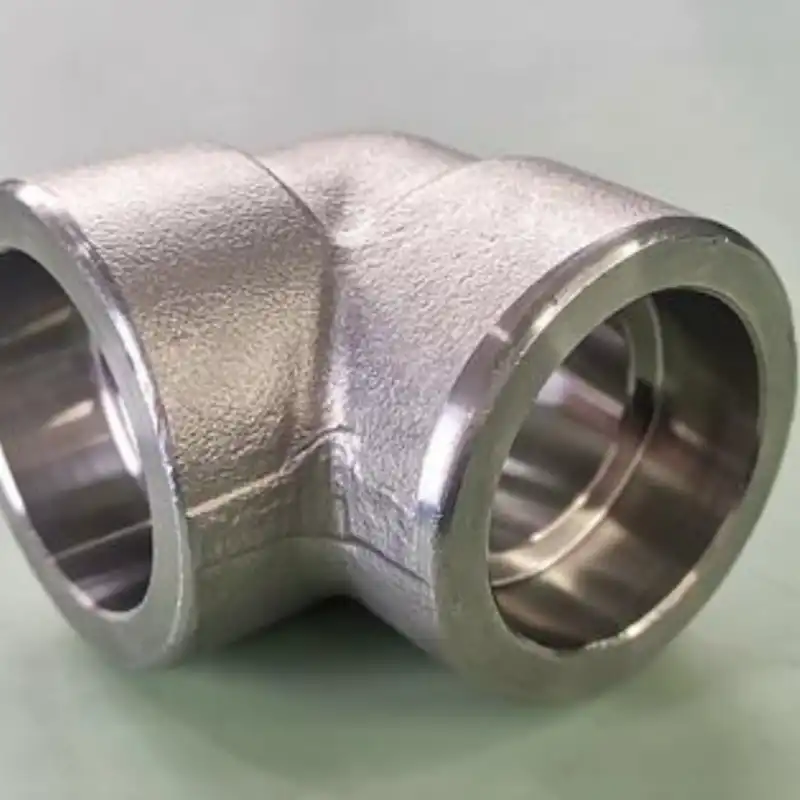
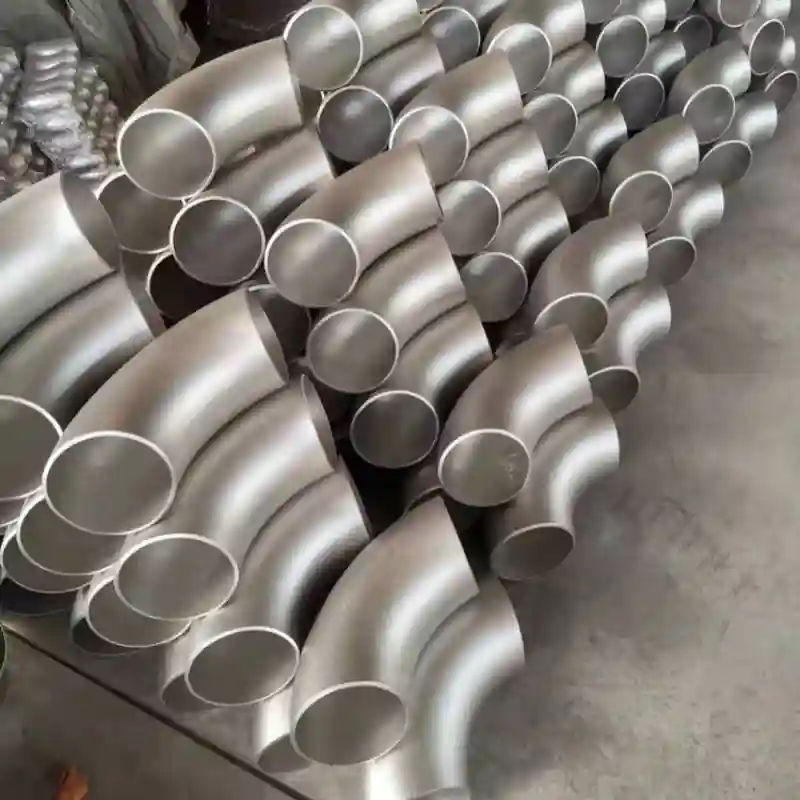
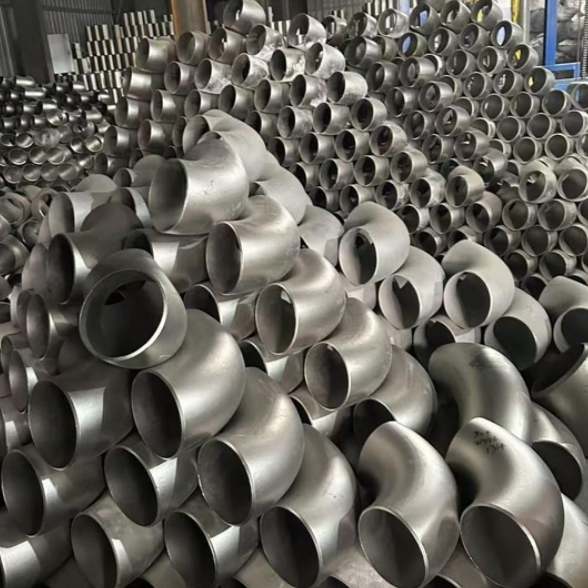
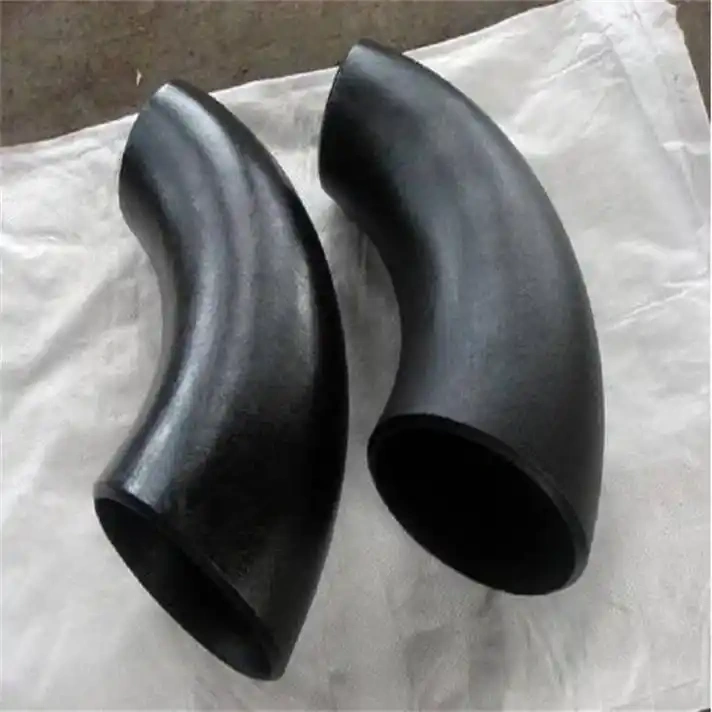
Discover why steam pipe elbows require thicker metal to handle high pressure, thermal expansion, and erosion. Learn ASME standards and safety factors for steam systems.
Discover why plumbers choose pipe elbows over straight pipes for directional changes. Learn about flow resistance, pressure drop, and plumbing system efficiency in this expert guide.
Learn what a long radius elbow is, its 1.5D bending radius, comparison with short radius elbow, 45° variant, and extra long radius elbow applications. Includes ASME B16.9 data & pressure drop benefits.
Discover why some pipes are elbow shaped to change flow direction, reduce turbulence, and minimize pressure drops. Learn about pipe elbow angle types, radius options, and industrial standards.
Wondering why gas pipe elbows corrode? Learn key causes like electrochemical reaction, pipe stress & environmental factors, plus practical anti-corrosion solutions.
Need the exact size of the elbow for a 1.5″ pipe? Learn ASME B16.9 dimensions for LR and SR 90° elbows, center-to-face lengths, and schedule considerations. Perfect for piping projects.
Learn the radius of 1 1/2″ pipe elbow: standard short-radius (1.5×D) and long-radius (2.25×D). Key dimensions for piping design, flow efficiency, and welding fit-up.
Learn what is function of pipe elbow in piping systems. Discover how elbows change flow direction, reduce pressure loss, and ensure efficient fluid transport.
Looking for what an elbow for P22 pipe is called? Learn ASTM A335 P22 LR elbow dimensions, ASME B16.9 specs, and temperature ratings for chrome-moly alloy steel fittings.
What does a shower elbow pipe connection look like? Standard 1/2-inch NPT or BSP threads with PTFE tape for leak-proof seals. Essential for bathroom plumbing.