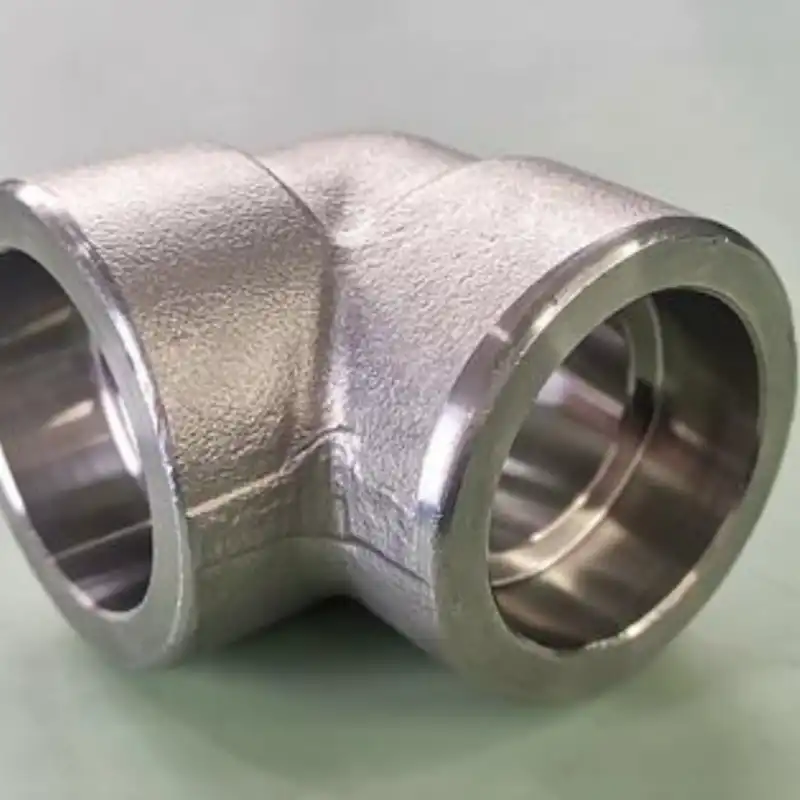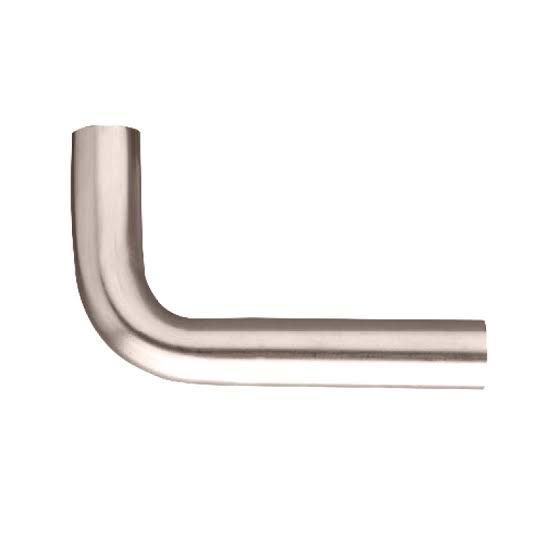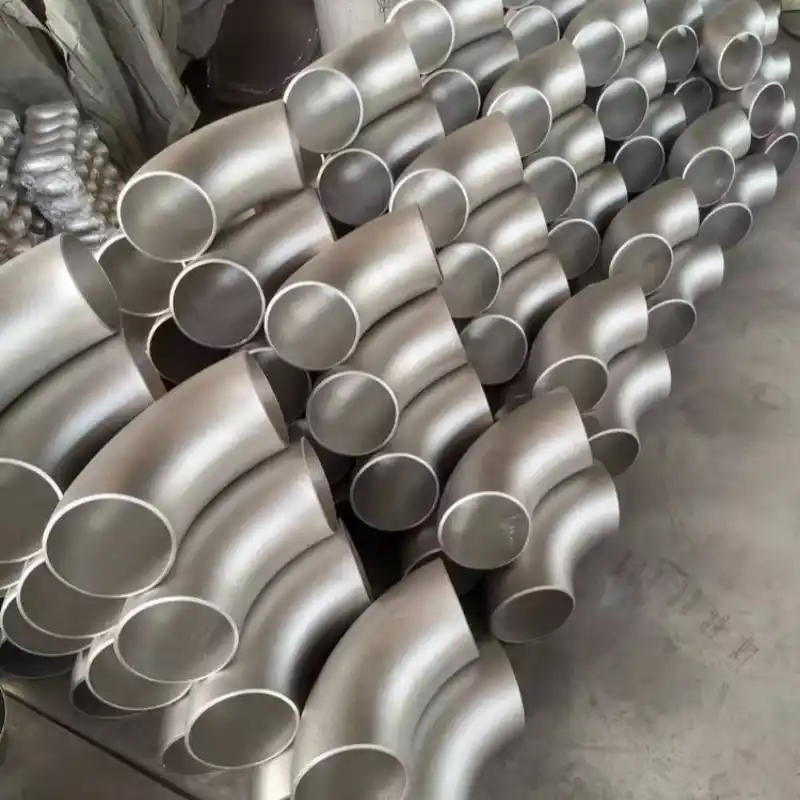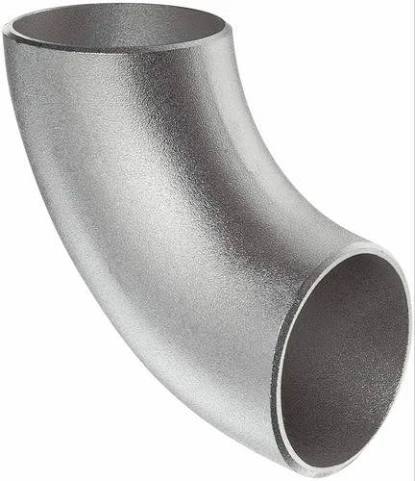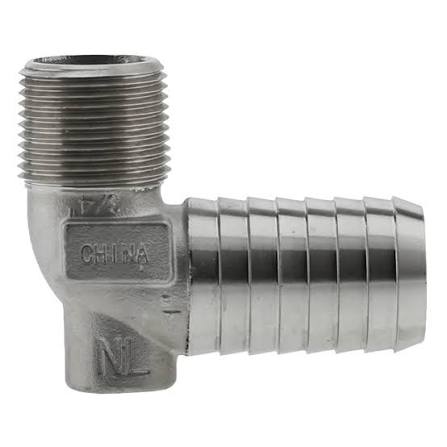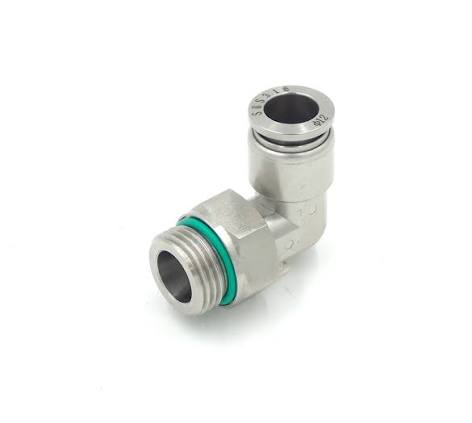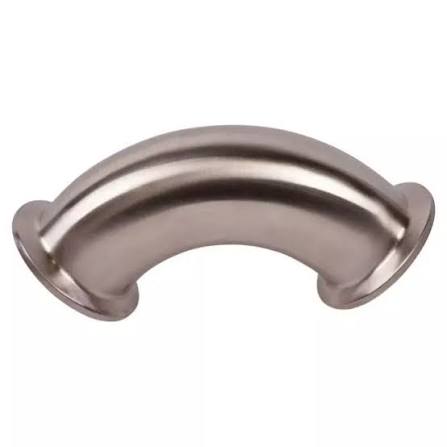
Gas pipe elbows, as the core pressure-bearing and directional-changing components of pipeline systems, are high-incidence points for corrosion failures in gas transmission lines. 🌈According to inspection data from the pipeline anti-corrosion industry, over 80% of gas pipeline perforation and leakage failures are concentrated on elbows, bends, and other non-straight pipe fittings—far exceeding the corrosion probability of straight pipe sections. 🌈Most users will wonder why are my gas pipe elbows corroding. The root causes can be categorized into three professional dimensions: material, operating conditions, and environment.
➡️Material and manufacturing defects are the fundamental triggers. Gas elbows are mostly produced using the hot-bending process, during which local martensitic metallurgical structures can form in the fittings. This causes uneven hardness, stress concentration, and damages the dense protective layer on the metal surface, significantly reducing the component’s corrosion resistance. This is also the core cause of stress-induced gas pipe elbow corrosion.
➡️Meanwhile, if the anti-corrosion coating thickness on an elbow is less than 80μm during production, or if coating adhesion fails to meet standards, cracking and peeling of the coating are highly likely during subsequent service, leading to loss of basic protection.
➡️Medium and electrochemical corrosion are the primary destructive factors. Impurities such as CO₂ and H₂S contained in the transported natural gas can induce chemical corrosion on the inner wall. Industry standards specify that when the partial pressure of CO₂ exceeds 0.21MPa, severe corrosion will occur on the inner wall of the elbow.
➡️Buried pipelines are even more susceptible to gas pipe elbow electrochemical corrosion. Chloride ions and moisture in the soil form an electrolyte environment, creating anodic and cathodic reactions on the metal surface of the elbow, continuously dissolving the base metal. When soil resistivity falls below 400Ω·cm, the corrosion rate can increase by more than three times.
➡️The external environment is a key accelerator of corrosion. Underground gas elbow rust causes are mostly concentrated in humid, saline-alkali soil areas, where corrosive ions in the soil persistently attack the exposed parts of the fittings.
📝In addition, dissimilar metal connections during pipeline installation, as well as continuous vibration caused by foundation settlement, can exacerbate the combined effects of local wear and corrosion on elbows. After long-term service, this eventually leads to rusting, perforation, and leakage of the fittings, compromising gas transmission safety and pipeline service life.