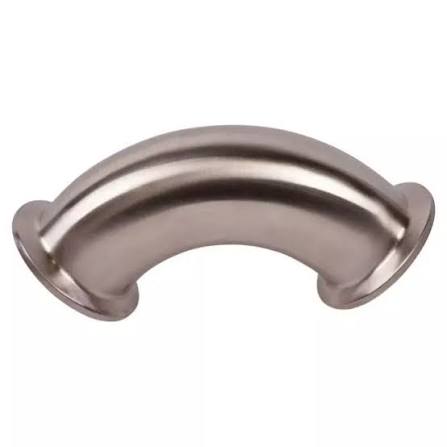
Will a 3/4″ copper elbow fit 3/4″ copper pipe? Standard Answer and Selection Details
The short answer is yes—but this is not simply a matter of “same size fits.” It also involves pipe type standards, joining methods, and practical service conditions.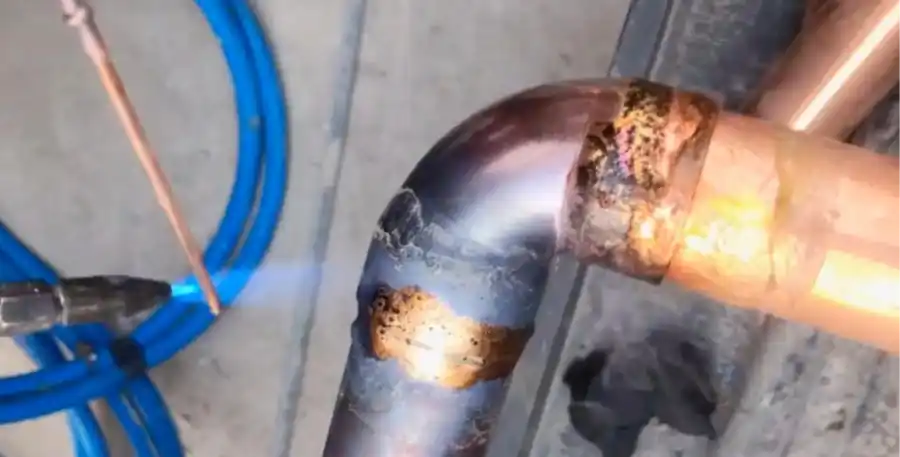
I. Relationship Between Nominal Size and Actual Outside Diameter
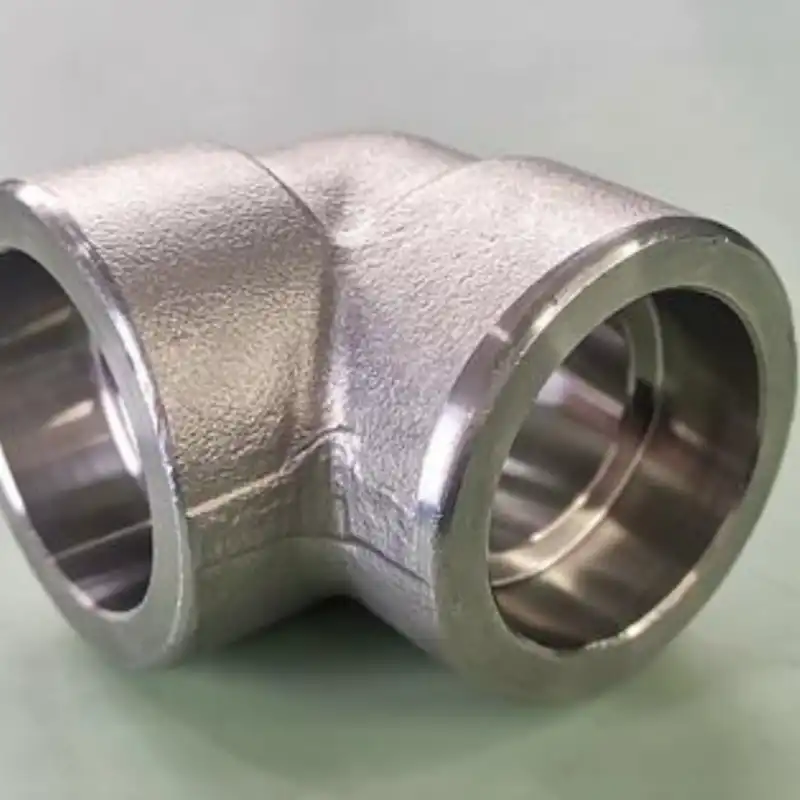
✅3/4 inch is the nominal size (Nominal Size) for both copper pipe and fittings, not the actual outside diameter. Per ASTM B88, the actual outside diameter of 3/4-inch copper pipe is 0.875 inches (22.225 mm). The socket inner diameter of the corresponding copper elbow is precision‑machined to fit this outside diameter, with a clearance of approximately 0.004–0.006 inch reserved for solder to penetrate via capillary action.
✅Therefore, whether Type K (wall thickness 0.065 in), Type L (0.065 in), or Type M (0.042 in) copper pipe, the outside diameter is the same, and all are compatible with standard 3/4‑inch copper elbows.
✅However, one easily overlooked difference is that wall thickness affects inside diameter. If the system has strict flow requirements (e.g., refrigeration or high‑pressure water supply), Type K pipe has a slightly smaller ID and thus a marginally higher pressure drop than Type M pipe, but the fitting connection size itself is unaffected. Hence, the core of copper elbow pipe fitting compatibility lies in uniform outside diameter, not inside diameter.
II. Connection Methods: Soldered vs. Pressed Distinctions
Common 3/4‑inch copper elbows on the market mainly come in two connection types:
-
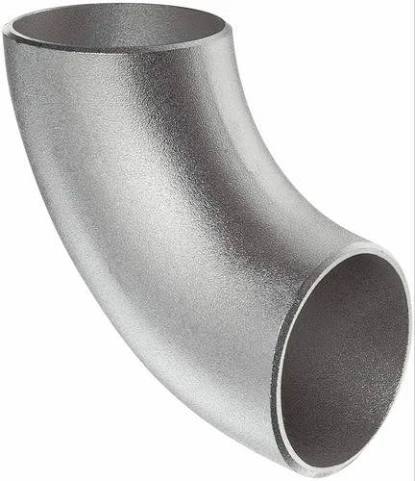
Sweat / Solder Type: This is the traditional type, with a slight taper inside the socket to ease insertion. During soldering, heat to approximately 450°F (232°C) or above, using solder with 5%–15% silver content. After cooling, a permanent metallurgical bond forms. Such elbows fit all standard copper pipes, but installation requires thorough cleaning of the oxide layer and use of flux; otherwise, capillary action is impaired, leading to a cold joint.
-
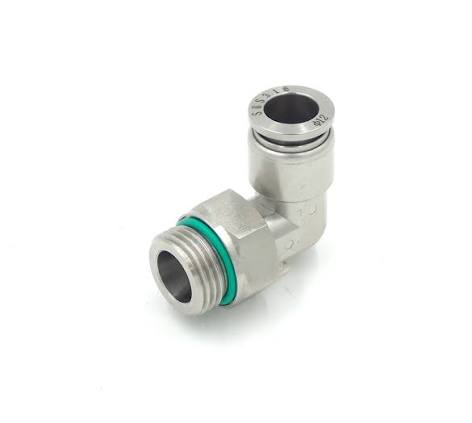
Press Type: Equipped with an O‑ring seal and a locking grip ring, this type uses a dedicated pressing tool for cold connection. This type has tighter tolerances on pipe outside diameter but still fits 3/4‑inch copper pipe. A critical note: sweat fitting copper pipe size generally refers to the solder type, while press types are marked as “Press” or “ProPress.” The two are not interchangeable—using a solder elbow with pressing tools, or vice versa, will cause leakage.
For most building water supply systems, we recommend Type L copper pipe with solder elbows, as its wall thickness balances strength and solderability, whereas Type M pipe (thinner wall) is better suited for low‑pressure heating applications.
III. Installation Tolerances and Practical Tips
✅Even with correct size matching, the thermal expansion coefficient (copper’s linear expansion coefficient is approximately 9.4×10⁻⁶ in/in/°F) must be considered. When pipe temperature changes exceed 60°F, it is advisable to provide expansion compensation segments on both sides of the elbow; otherwise, stress fatigue may develop at the joint.
✅Additionally, always use a tube cutter to ensure end‑face perpendicularity deviation does not exceed 0.002 inch; otherwise, insertion into the elbow will be skewed, affecting solder uniformity.
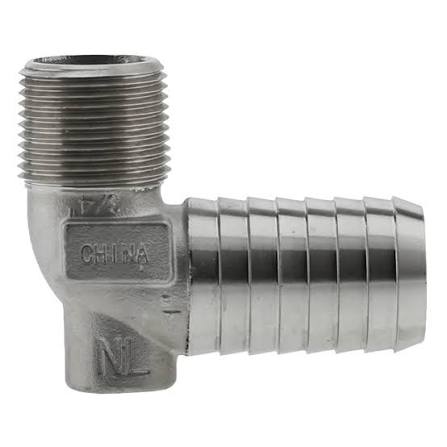
✅If you are using a threaded copper elbow (less common, typically for transition connections), note the difference between NPT and BSPT thread standards. In that case, “3/4 inch” refers to the thread size, but the outside‑diameter matching rule remains consistent.
Summary
☑️In short, a 3/4‑inch copper elbow is fully compatible in size with 3/4‑inch copper pipe. However, you must clearly identify the pipe type (K/L/M), connection method (solder/press/threaded), and installation process details.
☑️For commercial or industrial projects requiring long‑term reliability, we recommend prioritising Type L pipe with silver‑alloy solder elbows, strictly following the installation procedures of ASTM B828. If you have further questions about 3/4 inch copper tube connector selection or pressure‑drop calculations, please refer to our product technical manual or contact our engineering support team.