When selecting or installing pipe fittings such as elbows and connectors, you will frequently come across the abbreviation “NPT”. If you search for what does npt stand for plumbing, the answer is straightforward. NPT is the short form of National Pipe Tapered Thread, one of the most widely adopted thread standards in North American and numerous industrial piping systems worldwide. This article elaborates on the definition, core features and application notes of NPT threads.
1. What is NPT?
To clarify what is npt in plumbing, the term can be broken down into three parts:
- National: Compliant with American national standard ANSI/ASME B1.20.1
- Pipe: Designed for pipe connection applications
- Tapered: Features a tapered thread with an angle of approximately 1°47°, narrower at the tip and wider at the root
The tapered structure creates radial interference during tightening. Sealing is achieved through thread deformation, eliminating the need for extra gaskets or sealing surfaces.
2. Key Characteristics of NPT
- Self-sealing performance: Combined with PTFE tape or thread sealant, it can withstand pressure of water, gas, oil and other media.
- 60° thread angle: Distinct from 55° BSPT British standard threads, the two thread types are not interchangeable.
- Dimension marking: Markings like 1/2″ NPT refer to nominal pipe diameter of around 12.7mm, not the outer thread diameter.
- Taper ratio: The diameter varies by 1/16 inch (about 0.75mm) per inch of thread length.
3. How to Identify NPT Threads
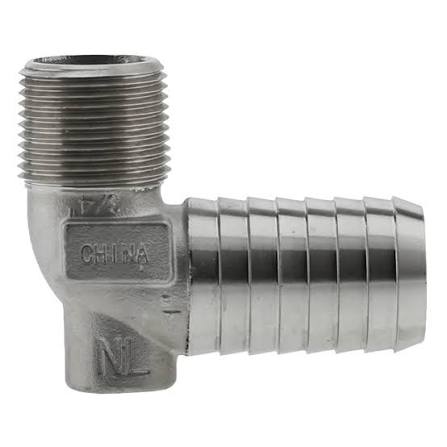
- Visual inspection: The thread shows an obvious tapered shape with sharp tip teeth and deep root teeth.
- Comparison with NPS: NPS straight pipe threads require gaskets for sealing, while NPT relies on taper structure for self-sealing.
- Differentiation from BSPT: Measured by thread gauges, NPT has a 60° angle versus 55° for BSPT. Even with identical thread pitch such as 14 threads per inch for 1/2″ specification, mismatched thread profiles prevent cross usage.
It is essential to confirm thread specifications marked on system drawings before purchasing fittings to avoid leakage caused by improper matching.
Common Questions on Selection & Application
Q: Can NPT connectors be connected with BSPT threads?
No. Though both are tapered threads, different thread angles lead to poor fitting contact and high risk of leakage after assembly.
Q: Why apply PTFE tape if NPT realizes self-sealing?
PTFE tape or sealant fills tiny gaps between threads, reduces installation torque and prevents thread damage from metal galling.
Q: Which AIFN elbows and fittings adopt NPT standard?
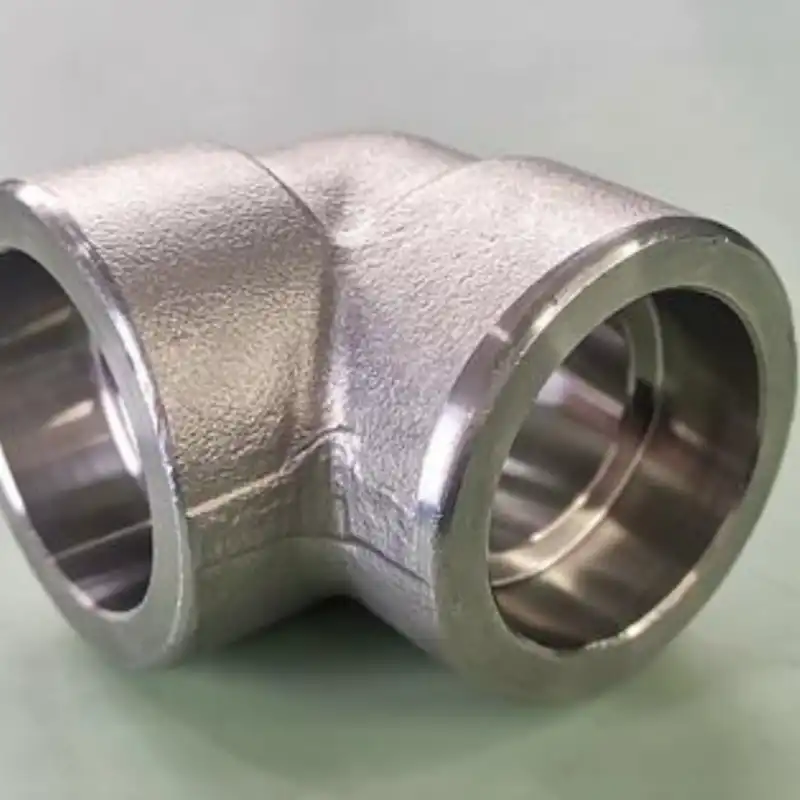
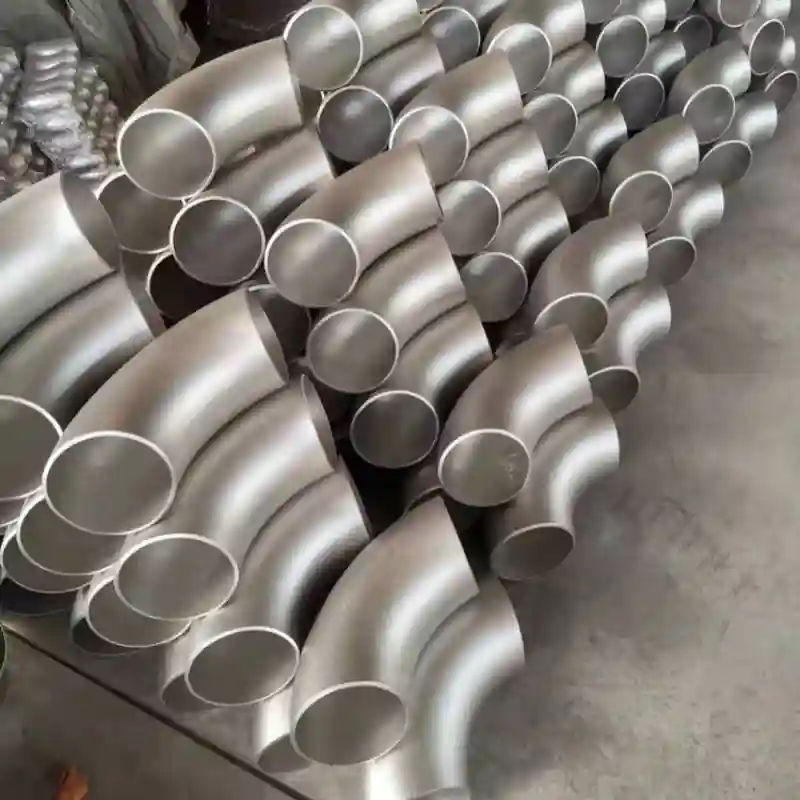
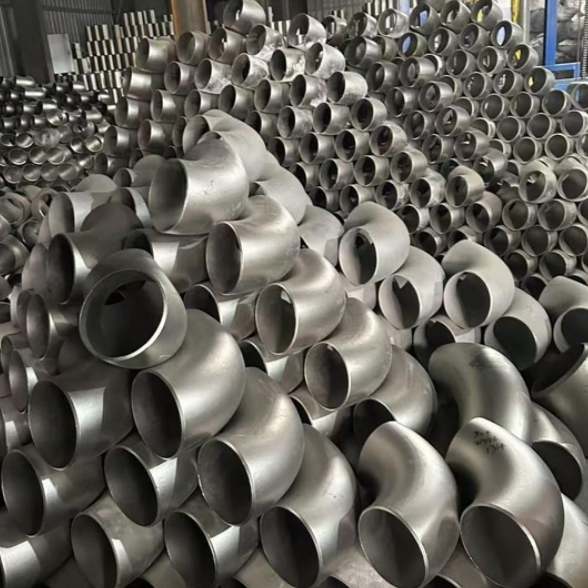
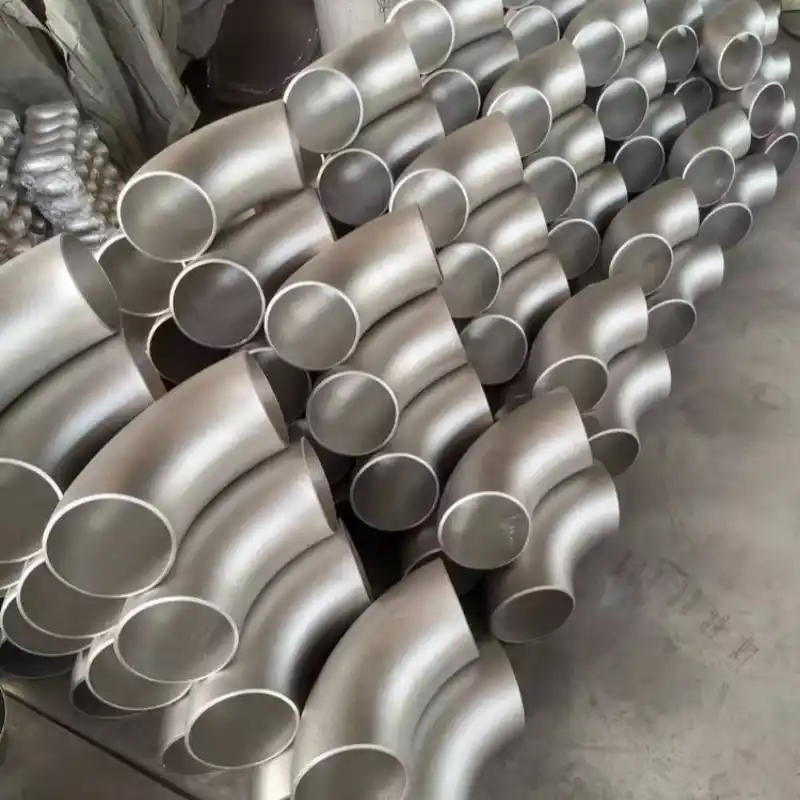
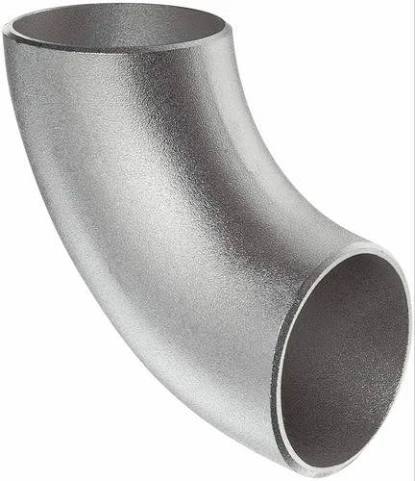
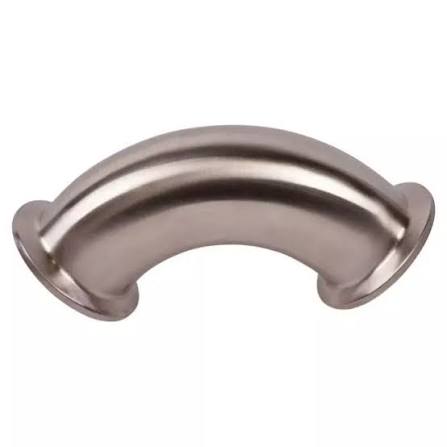
Our product range includes 304/316 stainless steel 90° elbows, 45° elbows, straight and reducing couplings. All items support NPT threads ranging from 1/8″ to 4″ and conform to ANSI B1.20.1 standard, suitable for high-pressure gas, hydraulic and chemical piping systems.
In summary, NPT stands for National Pipe Tapered Thread, a universal abbreviation for tapered pipe threads. Mastering the definition of what does npt stand for plumbing and what is npt in plumbing facilitates precise product selection for plumbing and industrial piping projects.
For premium elbows, connectors and valve accessories manufactured in accordance with NPT specifications, browse the product catalog of AIFN Metal Technology or contact our technical support team.