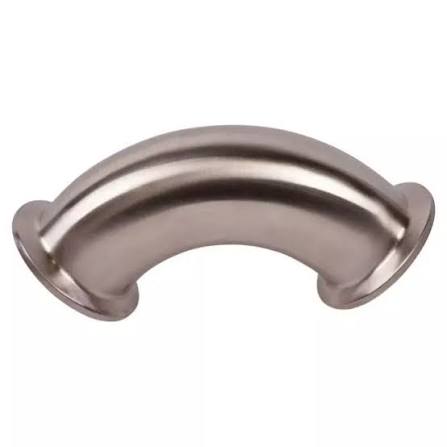
How Much Weight Can a Black Steel Pipe Elbow Actually Bear? — A Detailed Explanation of Load Capacity and Safety Limits
When building DIY shelving, handrails, equipment frames, or workholding fixtures, many people choose black steel pipe elbows as connection joints.
So, how much weight can such a black pipe elbow actually bear? The answer is not simple — it depends on the elbow’s size, wall thickness (Schedule), material grade, weld quality, and load direction.
Key parameters affecting load capacity
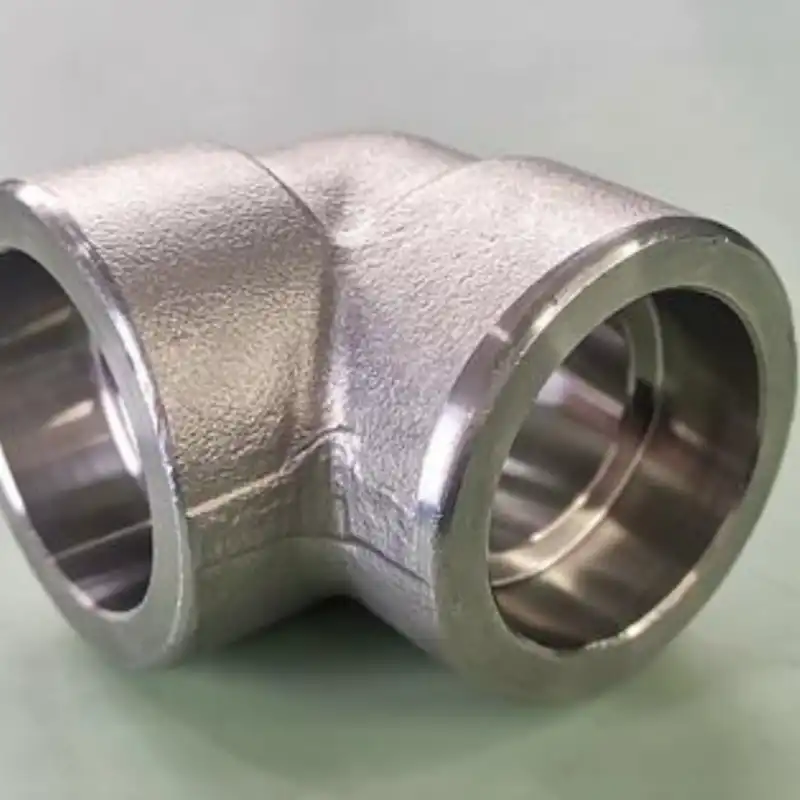
Black steel pipe elbows are typically manufactured to ASME B16.3 or MSS SP-75 standards, with common materials being ASTM A53 Grade B or A106.🌈 Take the most common 1/2-inch Schedule 40 black elbow as an example. Under ideal conditions — i.e., the elbow is fully tightened to straight pipes on both ends, with a vertical load applied downward at the end of a horizontal pipe section (cantilever beam mode) — its static ultimate load capacity is approximately 180–250 lbs (80–110 kg). 🌈Here, “ultimate load capacity” refers to the peak force before permanent deformation or weld cracking occurs.
However, engineering practice never directly uses the ultimate value. The professional recommendation is to apply a safety factor of 4:1. Therefore, the safe working load (SWL) is generally recommended not to exceed 45–60 lbs (20–27 kg). 🌈For a 3/4-inch Schedule 40 elbow, the ultimate load capacity can increase to 300–400 lbs, with a safe working load of about 75–100 lbs.
Mechanical details that cannot be ignored
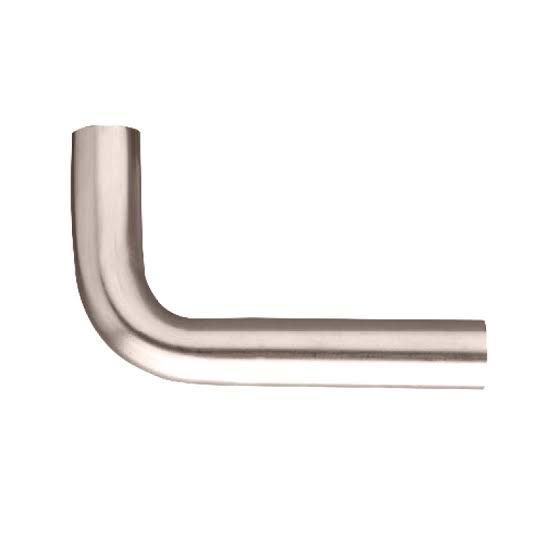
The actual load capacity is also inversely proportional to the moment arm length: if the hanging point is more than 12 inches from the elbow center, the same weight will generate a bending moment many times larger, potentially causing thread stripping or pipe wall yielding well below the rated value. 📍Moreover, the “black pipe elbow load rating” differs significantly between compression and tension directions — vertical compression loading provides relatively stable threaded connections, while eccentric hanging easily concentrates stress at the elbow root.
Recommendations from industry practice
According to the National Pipe Thread (NPT) standard, the shear strength of threaded connections is typically lower than that of the pipe body itself. Therefore, when evaluating the “weight bearing capacity of pipe fittings”, it is essential to consider the thread engagement length (≥5 threads recommended). 📍For scenarios requiring human body weight support or dynamic impact (such as pull-up bars, hammock stands), additional data from “black iron elbow strength test” should be used, along with lateral supports or diagonal bracing.
📝Final reminder:
Never place all loads on a single elbow. Multi-point distribution, reducing cantilever length, choosing Schedule 80 heavy-wall elbows (which increase load capacity by approximately 60%), and using welded rather than threaded connections are all feasible methods to significantly increase safety margins.