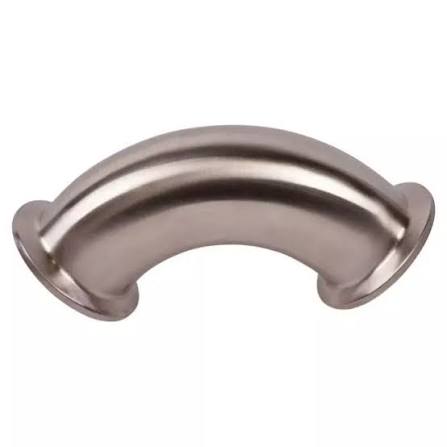
How Many Types of Pipe Elbow?
The answer depends on the classification criteria. This article provides a detailed analysis based on ASME B16.9 and ASME B16.28 standards, from four dimensions: angle, radius, connection method, and manufacturing process.
1. Classification by Angle
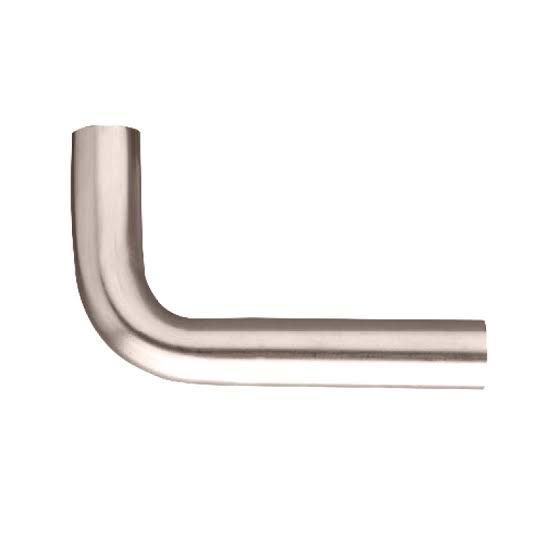
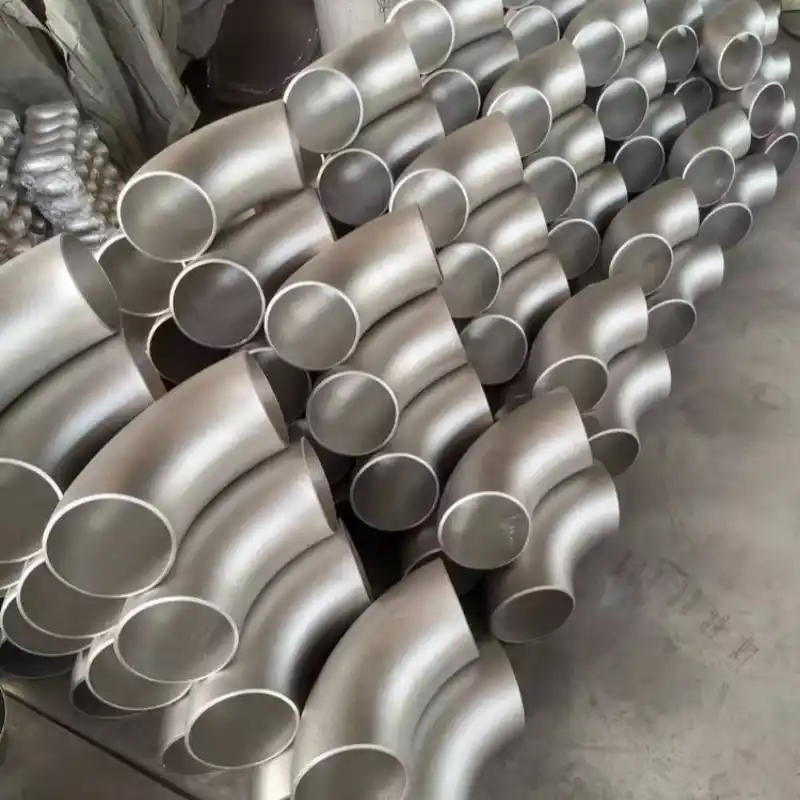
The most common elbow angles are 45°, 90°, and 180°. Among them, 90° elbows account for the largest usage, approximately over 70%; 45° elbows are used for gradual turns; 180° elbows (also known as return elbows) are used for U-shaped loops. In addition, 60° or 120° elbows may be used in special projects, but non-standard angles typically require custom manufacturing.
2. Classification by Bend Radius
This is a key performance differentiator. The difference between long radius elbow and short radius elbow directly affects fluid resistance and installation space.
-
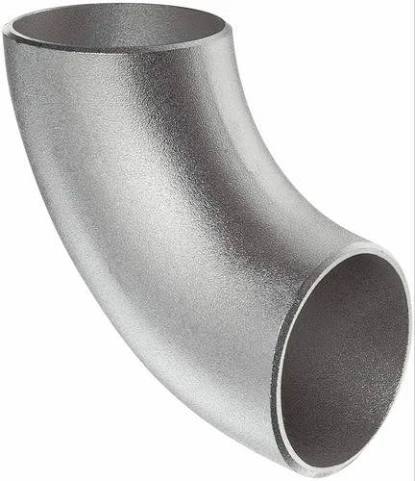
Long radius elbow (LR elbow): Bend radius = 1.5 times nominal pipe size (1.5D). For example, a DN100 LR elbow has a bend radius of 152 mm. Its pressure loss is about 25% lower than that of a short radius elbow, and it is recommended for priority use.
-
Short radius elbow (SR elbow): Bend radius = 1.0D. Used in compact, space-limited conditions, but the medium causes more severe erosion, suitable for low-pressure, low-velocity scenarios.
Understanding pipe elbow dimensions and angles is fundamental for correct selection. For instance, for the same nominal size, the center-to-face distance of a 90° LR elbow is 1.5D, while that of an SR elbow is only 1.0D — this must be precisely verified during pipe prefabrication.
3. Classification by Connection Method and Manufacturing Standard
Common types include:
-
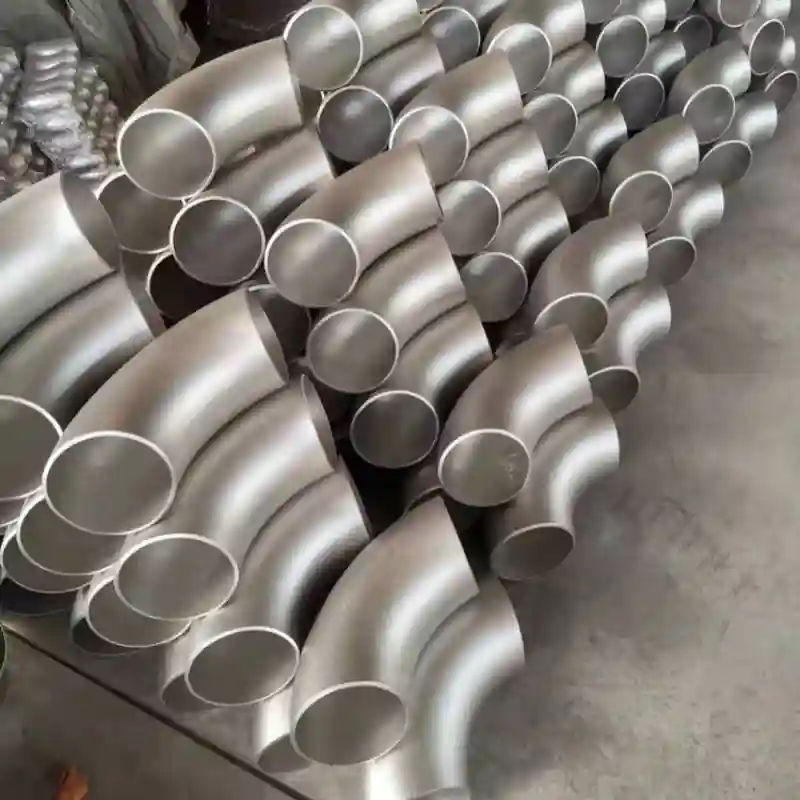
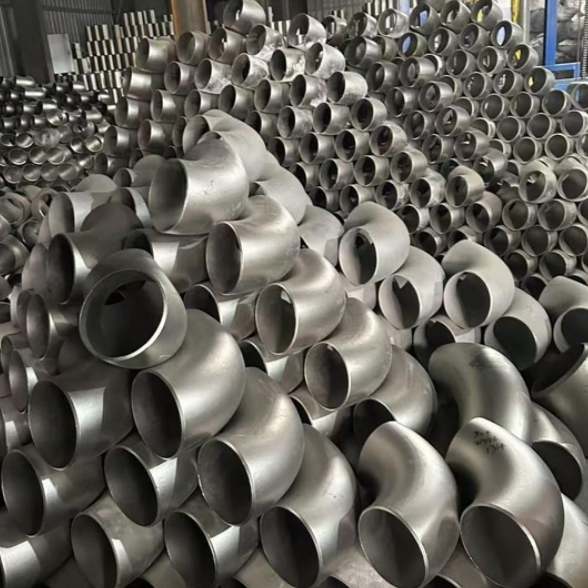
Butt weld elbow: Used in high-pressure, high-temperature systems such as petrochemical and power industries. The butt weld elbow standard according to ASME B16.9 requires wall thickness schedules (Sch10 to Sch160).
-
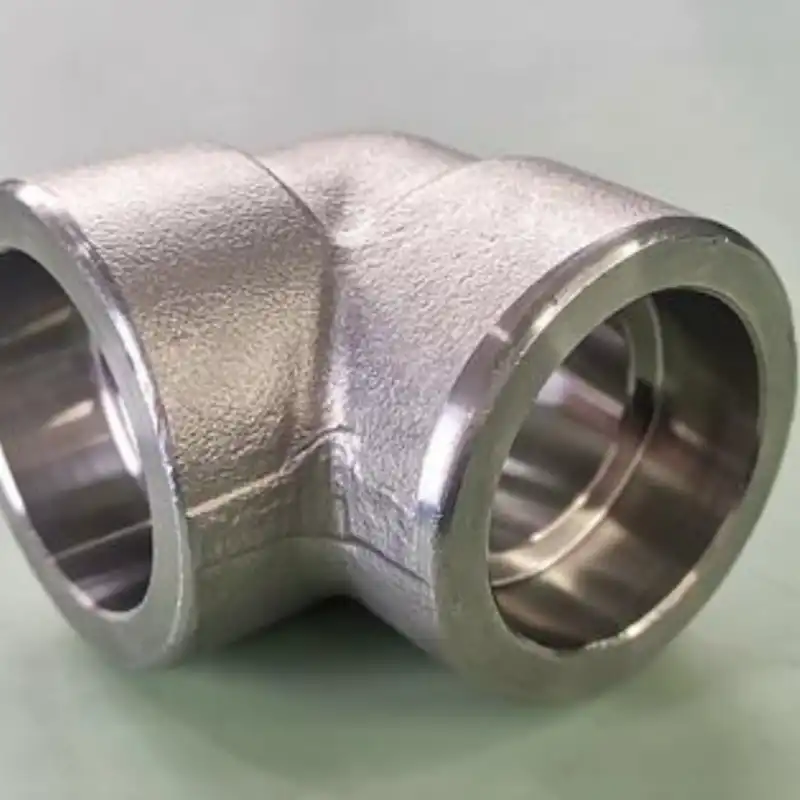
Socket weld elbow: Suitable for small bore sizes up to DN40, standard ASME B16.11.
-
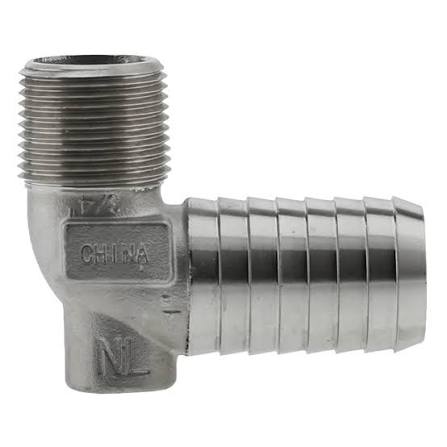
Threaded elbow: Used in low-pressure water and gas pipelines.
4. Special Types and Material Extensions
In addition to carbon steel and stainless steel elbows, materials such as aluminum alloy and duplex steel are available. Special functional types include:
-
Reducing elbow: Different inlet and outlet diameters, enabling both change of direction and reduction.
-
5D/3D elbow: Large-radius elbows used for high-purity media or particle conveying, reducing wear rate by about 40%.
According to statistics from the international pipeline journal Pipeline & Gas Journal, in refineries, incorrect selection of elbow types accounts for 18% of failure cases due to turbulent flow corrosion. Therefore, it is recommended to select based on fluid characteristics (velocity, temperature, corrosivity) and refer to the ASME B16.9 elbow types specification.
In summary, pipe elbows are not a single product but include dozens of standard and non-standard variations. By clarifying the operating parameters and comparing pipe elbow dimensions and angles with the choice between long and short radius, safe and economical pipeline design can be achieved.