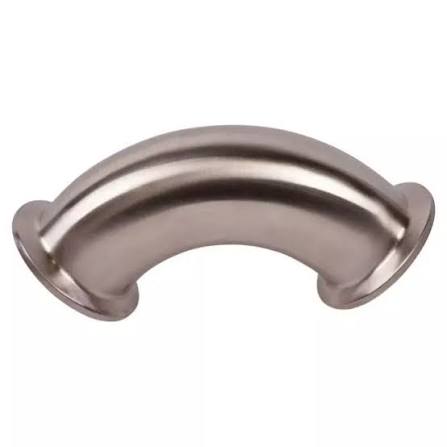
How to Measure Pipe Fittings: Accurate Steps from Diameter to Thread
✔️ Whether you are replacing an old pipeline or installing a new elbow system, accurate measurement of pipe fittings is the first step to ensure tight sealing and prevent leakage.
✔️ When working with pipe connections, one of the most common tasks is figuring out how to measure pipe thread fittings. Even minor deviations in threads will result in loose connections or failed assembly. Combining industrial standards and practical operation data, we break down the complete measurement procedure below.
1. Basic Dimensions of Pipe Fittings: Outer Diameter, Inner Diameter and Wall Thickness
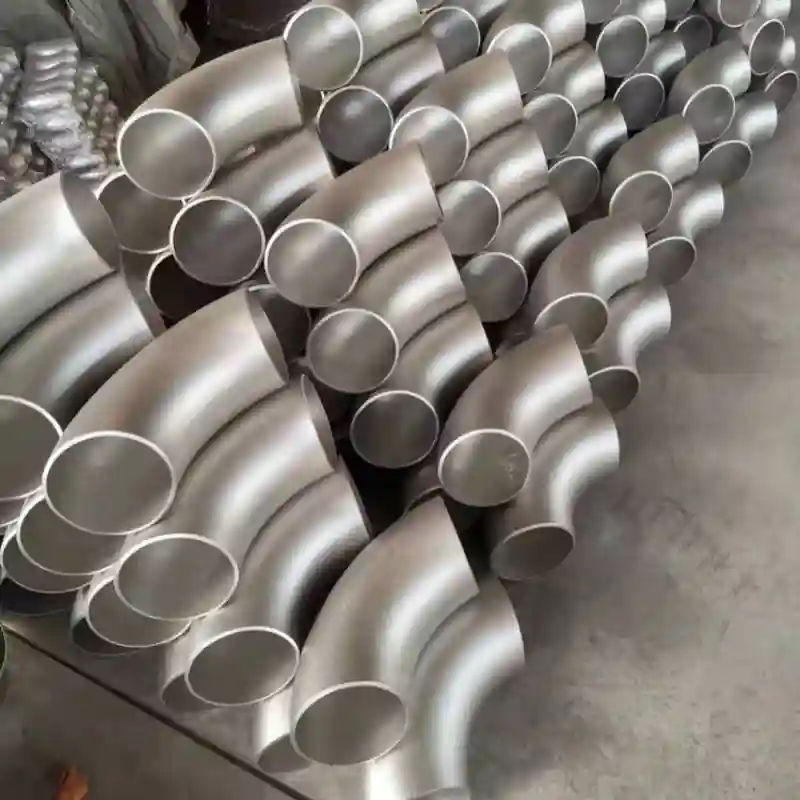
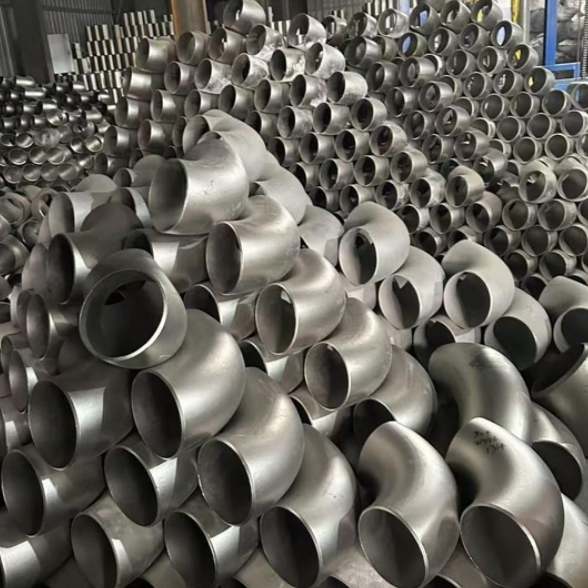
The nominal pipe size (NPS or DN) of a fitting is not equivalent to its actual outer diameter. For example, a 1-inch (DN25) weld elbow has an actual outer diameter of approximately 33.4 mm. Use a digital caliper or vernier caliper to take the following measurements:
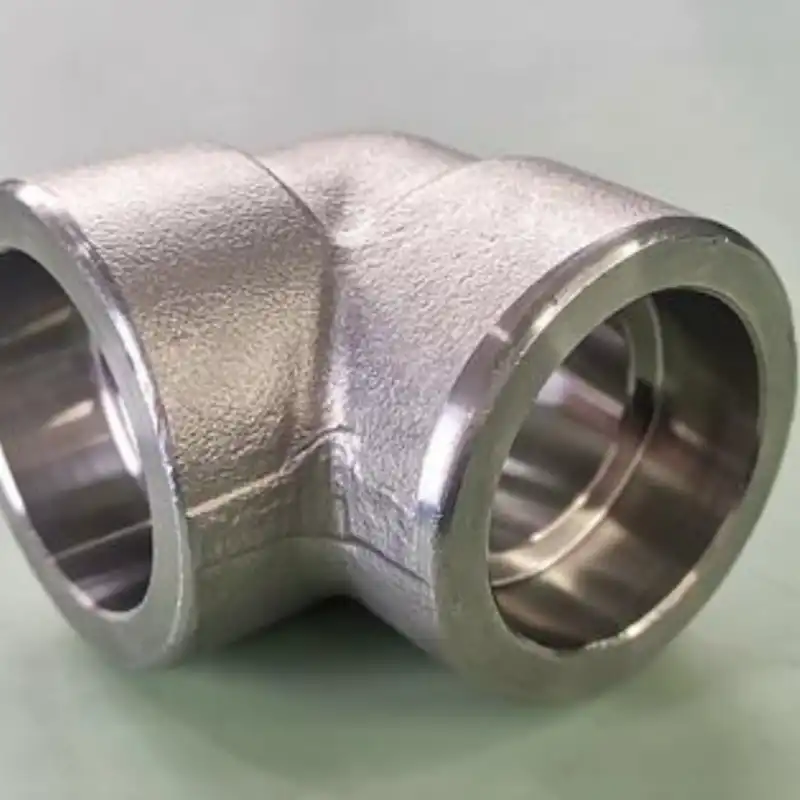
- Outer Diameter (OD): Clamp the caliper across the widest part of the fitting and record the reading. For socket weld fittings, the outer diameter determines the fit clearance with the pipe.
- Inner Diameter (ID): Measure the internal bore of the fitting. For pressure pipelines, an inner diameter deviation exceeding ±0.5 mm may affect flow rate design.
- Wall Thickness (WT): Calculate by dividing the difference between outer diameter and inner diameter by two. As specified in ASME B16.9, the wall thickness of stainless steel 90° elbows shall not be less than 87.5% of the nominal wall thickness of straight pipes.
2. How to Measure Pipe Thread Fittings
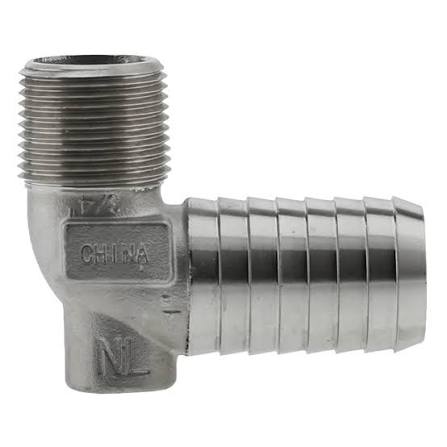
For threaded fittings such as threaded elbows and male & female adapters, two additional key parameters need to be checked: thread pitch (or threads per inch) and major diameter. Thread gauges and calipers are the most reliable tools for this work.
- Threads per Inch (TPI) / Thread Pitch: Place the thread gauge against the thread and find the blade that fits perfectly. Imperial pipe threads (NPT/BSPT) are usually marked with Threads Per Inch (TPI). For instance, 1/2 inch NPT thread features 14 TPI. Metric threads are measured directly by pitch (e.g. 1.5 mm).
- Thread Major Diameter: Use a caliper to measure the diameter across the crests of external threads. In accordance with ASME B1.20.1, the major diameter of 1/2-14 NPT thread is 21.224 mm, with a tolerance of ±0.1 mm.
- Effective Thread Length: The distance from the fitting end face to the termination of the thread profile. Insufficient effective thread length will lead to inadequate thread engagement and reduced pressure resistance.
Practical Tip: Thoroughly clean grease, dirt or sealing tape off the threads before measurement. Residues may cause readings to be 0.2–0.3 mm larger than the actual size.
3. Special Measurements for Elbows: Angle and Center-to-End Dimension
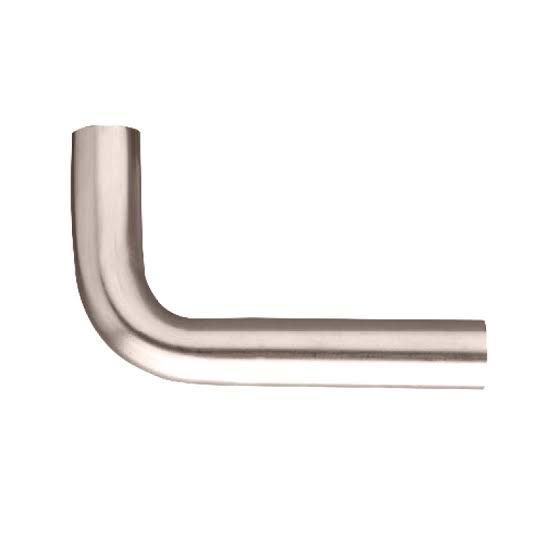
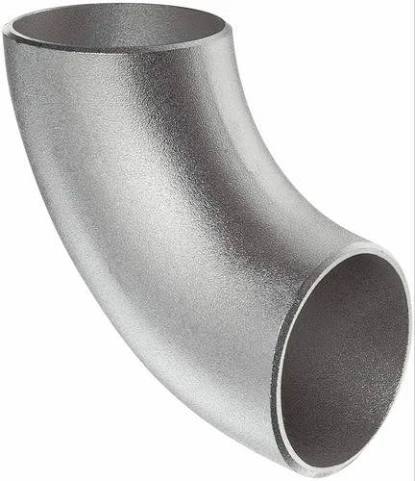
Measuring only diameter and threads is not enough for pipe elbows. You also need to confirm the bending angle and center-to-end distance.
- Angle: Use a combination square or digital inclinometer. Per ASME B16.9, the actual angle of a 90° elbow allows a tolerance of ±1°.
- Center-to-End: The perpendicular distance from the elbow centerline to the end face. Take a 2-inch (DN50) long radius 90° elbow as an example: its standard center-to-end dimension is 1.5 × nominal size (inch), which equals 3 inches (76.2 mm). To measure, place the elbow with its inner arc facing down on a flat surface, then use a height gauge to measure the distance from each end face to the platform for calculation.
4. Common Mistakes and Verification Tips
- Mistake 1: Measuring thread outer diameter with a tape measure. A tape measure cannot fit closely against the helical thread surface. Use a caliper or thread ring gauge instead.
- Mistake 2: Confusing NPT and BSPT threads. They have different thread angles (60° vs 55°), which can be quickly distinguished with a thread gauge.
📝Verification Method:
➡️After measurement, hand-thread the fitting for a trial fit. Without sealing tape applied, a standard NPT thread can be screwed in 3–4 turns by hand, with tightening resistance gradually building up.
Conclusion
➡️AIFN Metal Technology supplies a full range of elbows and pipe fittings with fully traceable dimensions complying with ASME and EN standards, supporting you throughout the whole process from measurement to installation.