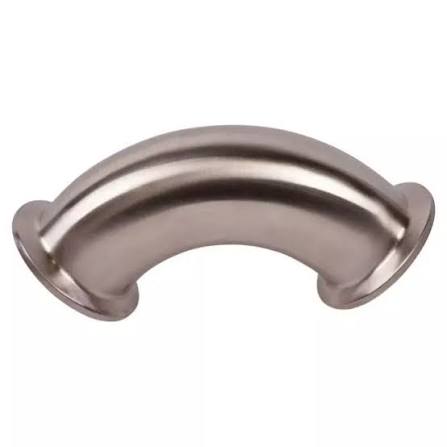
In the field of marine and offshore engineering, piping systems are subjected to long-term high pressure, vibration and seawater corrosion.
What is the strongest elbow?
The answer does not lie in a single material, but in welded pipe fittings that combine long radius design with premium stainless steel.
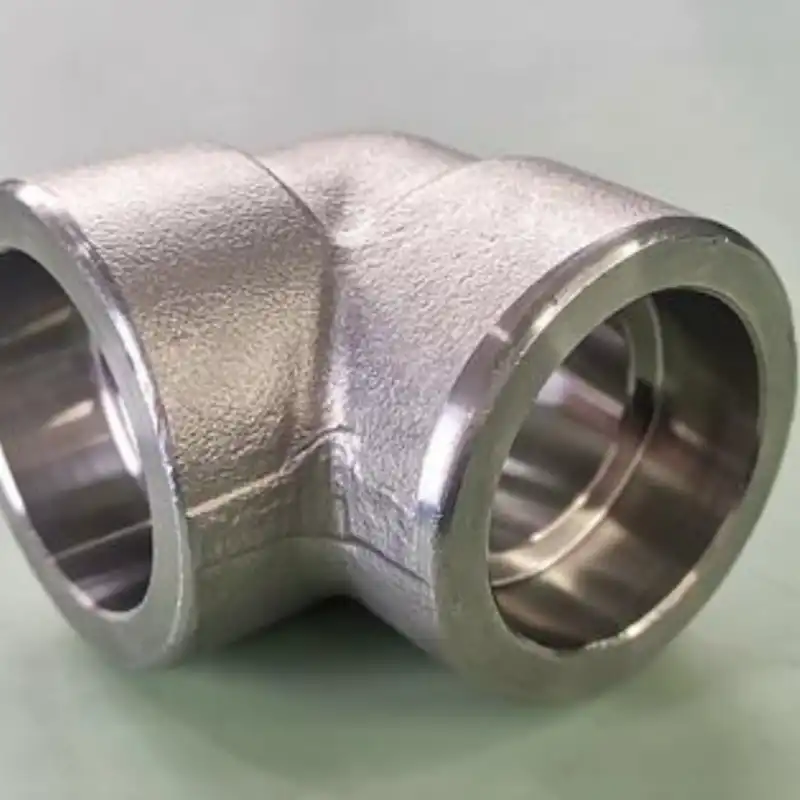
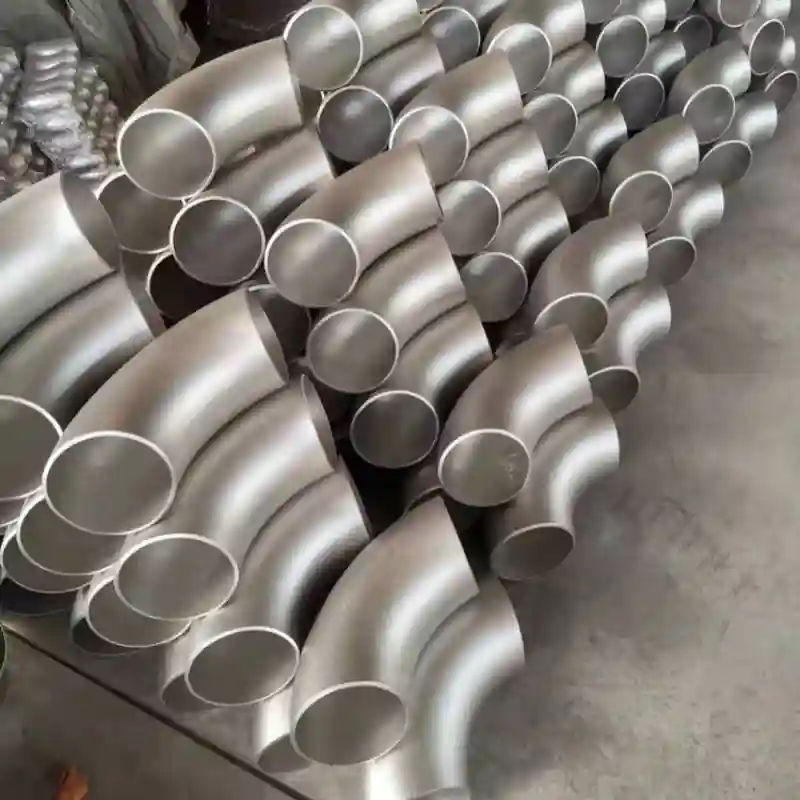
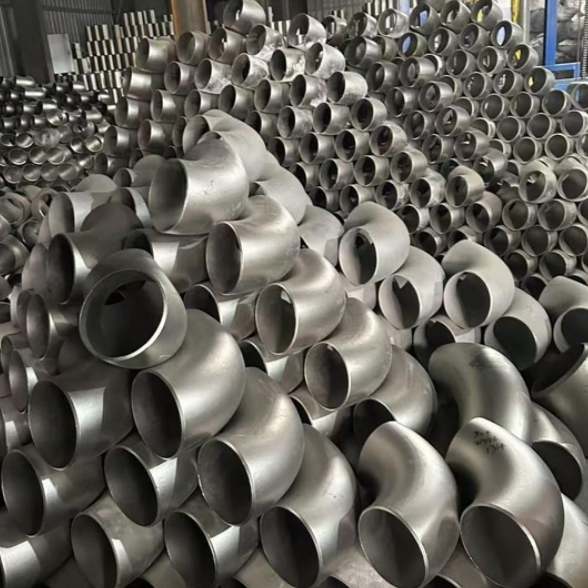
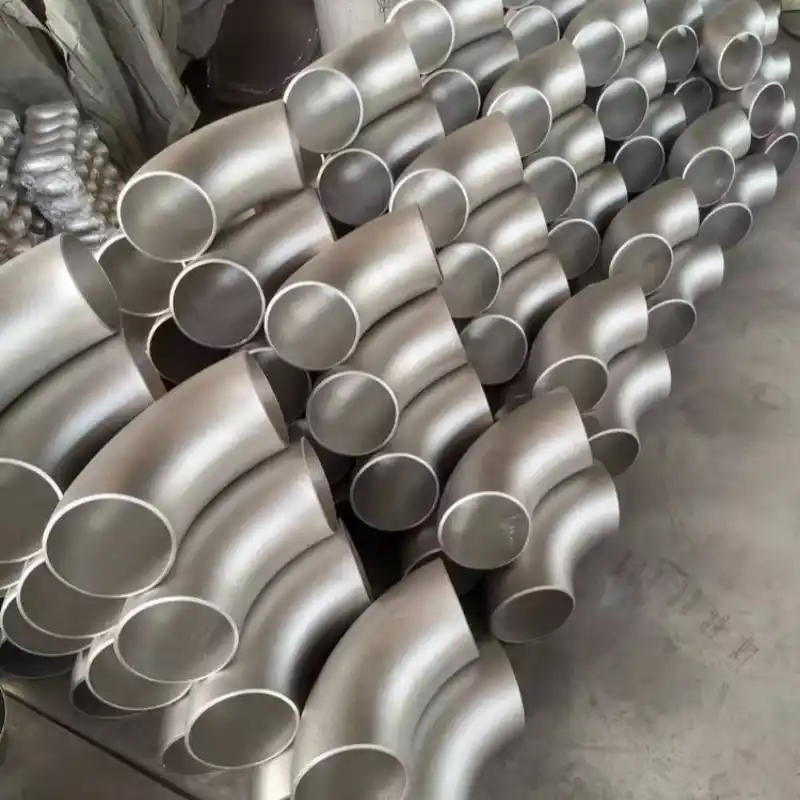
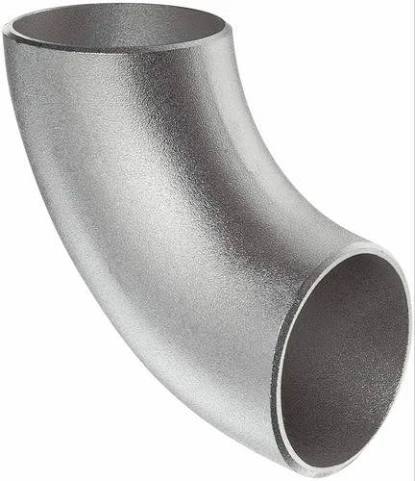
First of all, for marine high-pressure steam or hydraulic pipelines, steel weld elbows are the first choice due to their integral forging forming and no weak weld zones. For example, elbows with wall thickness schedules of Sch 160 or XXS feature a tensile strength of over 600 MPa, much higher than conventional threaded pipe fittings. Adopting a long radius stainless steel elbow (with a bending radius of 1.5D) can significantly reduce stress concentration caused by fluid impact and extend fatigue service life. As specified by DNV GL classification society standards, long radius elbows deliver approximately 30% lower pressure loss and 20% reduced vibration amplitude compared with short radius alternatives.
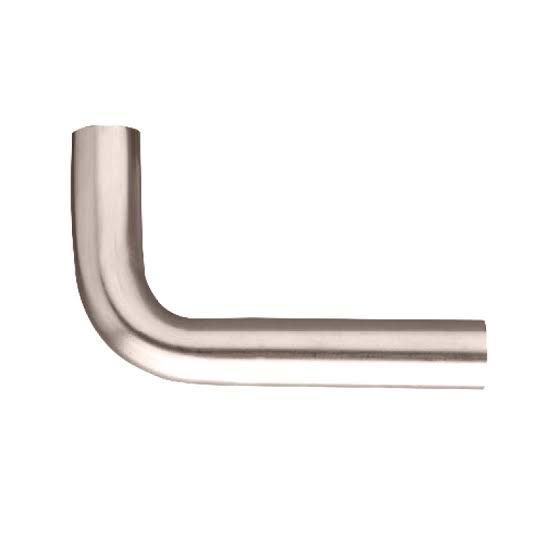
For more extreme working conditions, such as riser systems on deep-sea drilling platforms, extra long radius elbow (radius ≥3D) is recommended. This design not only reduces the rate of erosion corrosion but also provides ample space for welding inspection. In practical applications, long radius pipe elbow paired with duplex stainless steel (such as 2205) can withstand seawater pressure up to 10 MPa and resist chloride stress corrosion.
FAQ 1: How does severe vibration in marine piping affect elbow strength?
Adopt thickened steel pipe bends and elbows, and install reinforcing rib plates at both ends of the elbows. Meanwhile, use Finite Element Analysis (FEA) to simulate vibration frequencies and select damping brackets that avoid the hull resonance range. AIFN provides Welding Procedure Specification (WPS) certified to ISO 9001:2015, ensuring every elbow undergoes 100% radiographic inspection.
FAQ 2: Does seawater corrosion cause local strength reduction of elbows?
Yes, pitting corrosion and crevice corrosion are the main risks.
Solutions: Select 316L stainless steel with molybdenum content ≥3% or super duplex stainless steel (such as 2507), and apply a lining of polyamide epoxy coating.
Experimental data shows that in an environment with 35‰ salinity and 70℃, uncoated carbon steel elbows develop a corrosion depth of 0.2 mm within 3 months, while coated long radius stainless steel elbows show no visible corrosion after 12 months.
AIFN strictly complies with standards including ASTM A403 and MSS SP-43, providing traceable material test reports for shipyards. Our extra long radius elbows have been applied to the ballast system of LNG-powered vessels built by Jiangnan Shipyard.
The true definition of “the strongest elbow” lies in selecting the right geometric design and material.