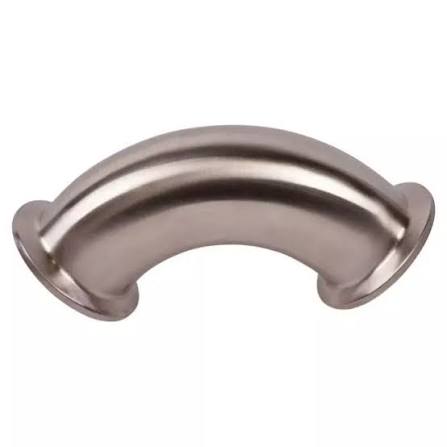
What is the difference between a pipe elbow and a bend?
Core Difference: Radius and Standards
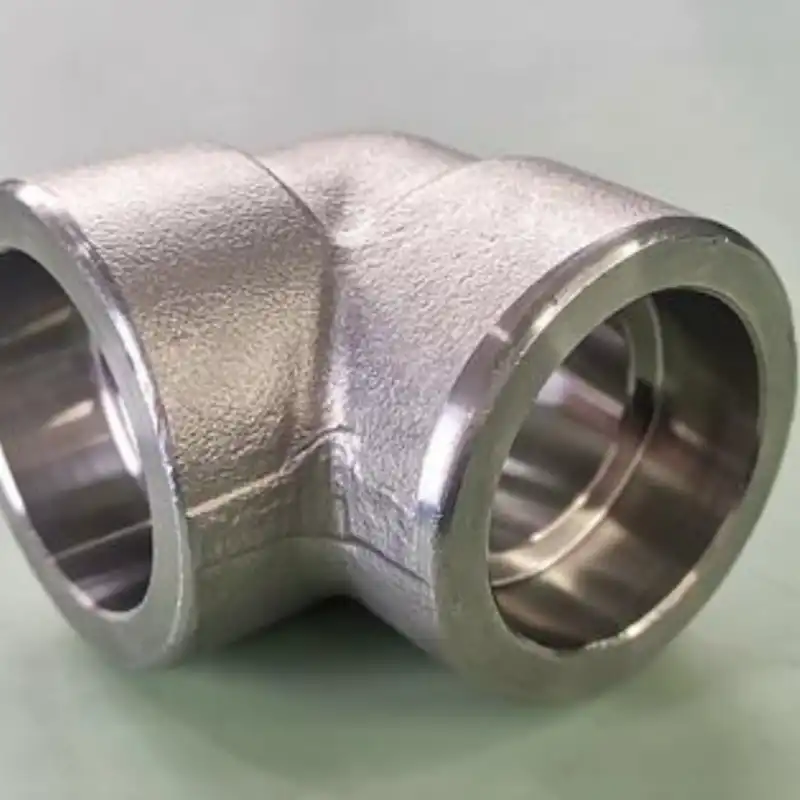
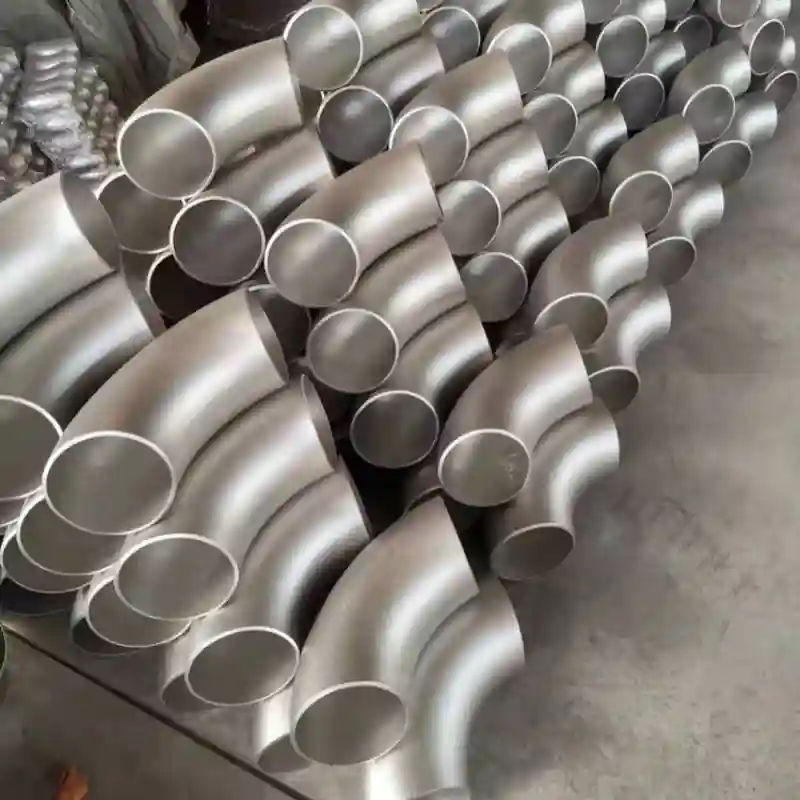
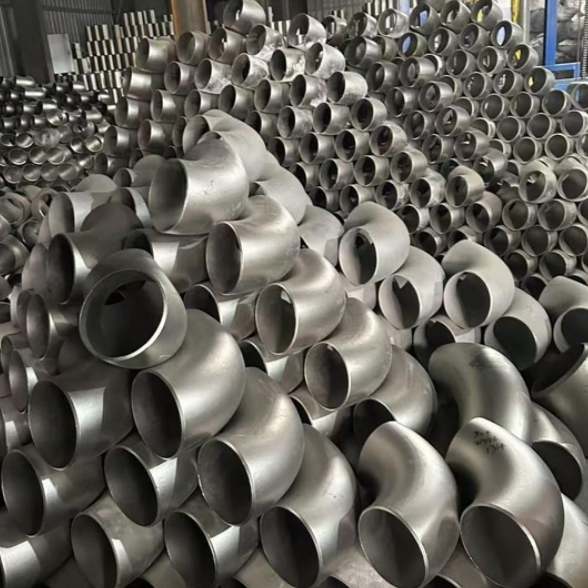
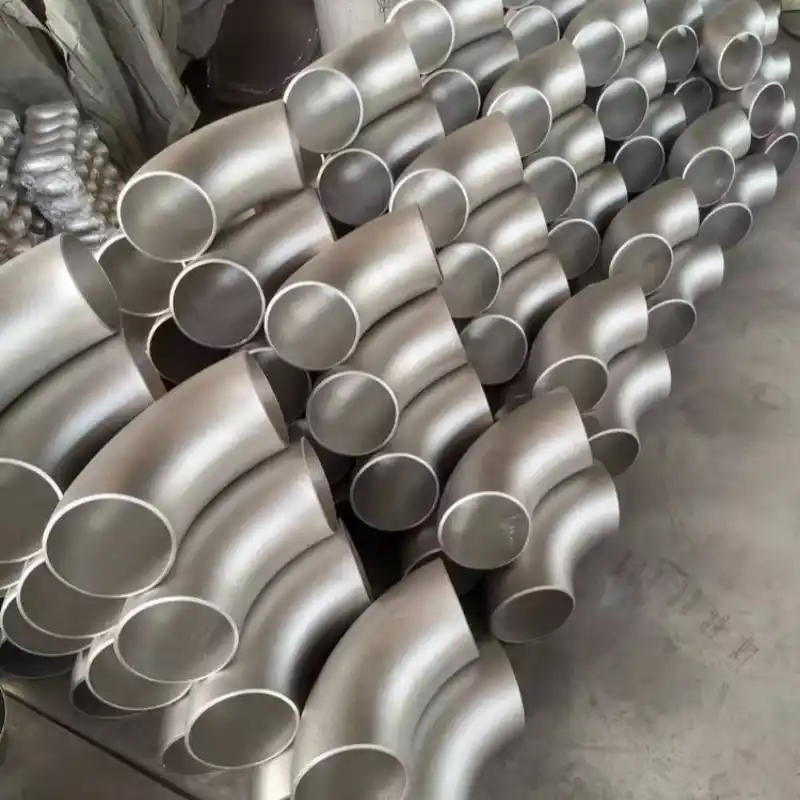
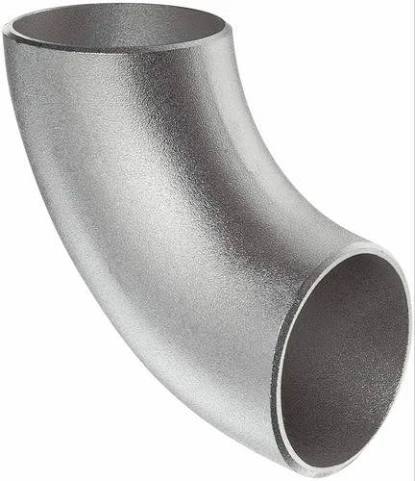
A pipe elbow generally refers to a prefabricated pipe fitting with a bending radius ranging from 1.0 to 2.0 times the nominal pipe diameter, with the 1.5D elbow (radius = 1.5 × diameter) being the most common. In accordance with ASME B16.9 standards, elbows are mostly produced in 45°, 90° and 180° angles, featuring smooth inner walls and uniform wall thickness.
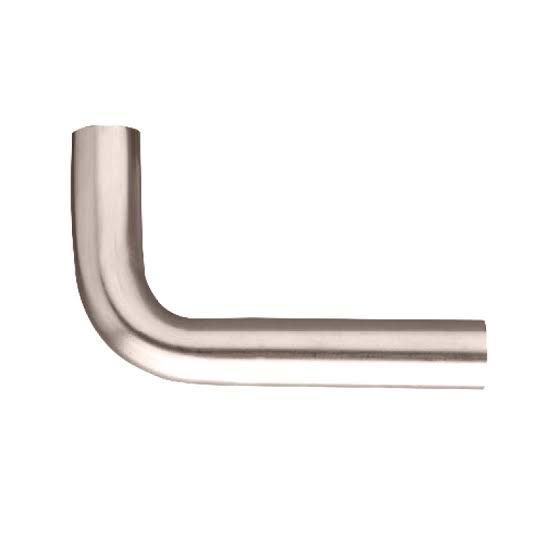
In contrast, a bend usually denotes a cold-bent or hot-bent pipe section with a radius exceeding 3D, commonly applied for large-curvature transitions, such as 5D bend or 10D bend, to mitigate medium erosion on the pipe wall.
The professional term short radius elbow (radius = 1.0D) is widely adopted for compact installation spaces, while its pressure drop is approximately 15%~20% higher than that of a long radius elbow (1.5D). The latter is the preferred choice for lower flow resistance when space permits.
In addition, seamless pipe elbow dimensions in elbow manufacturing must strictly comply with dimensional tolerances (e.g., wall thickness deviation of ±12.5%) to prevent stress concentration.
Common Questions
Q1: When is it mandatory to use a bend instead of an elbow?
Q2: What problems will occur if an elbow is incorrectly applied in positions requiring large-curvature transition?
Selection Based on Curvature
Manufacturing Standard Verification
Professional Recommendations
In petrochemical pipelines, pipe elbow radius classification directly impacts support arrangement and pigging accessibility.
A practical rule to follow: Pipelines designed for pigging operations must adopt elbows with a radius of ≥ 1.5D or bends with larger curvature, and all welds shall undergo 100% radiographic testing.
Proper fitting selection not only extends the service life of the piping system, but also cuts annual maintenance frequency by over 30%.