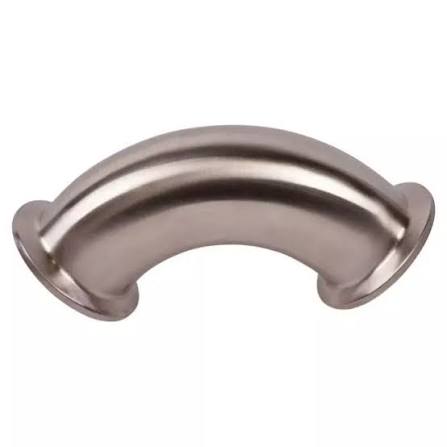
What is the function of the elbow in piping?
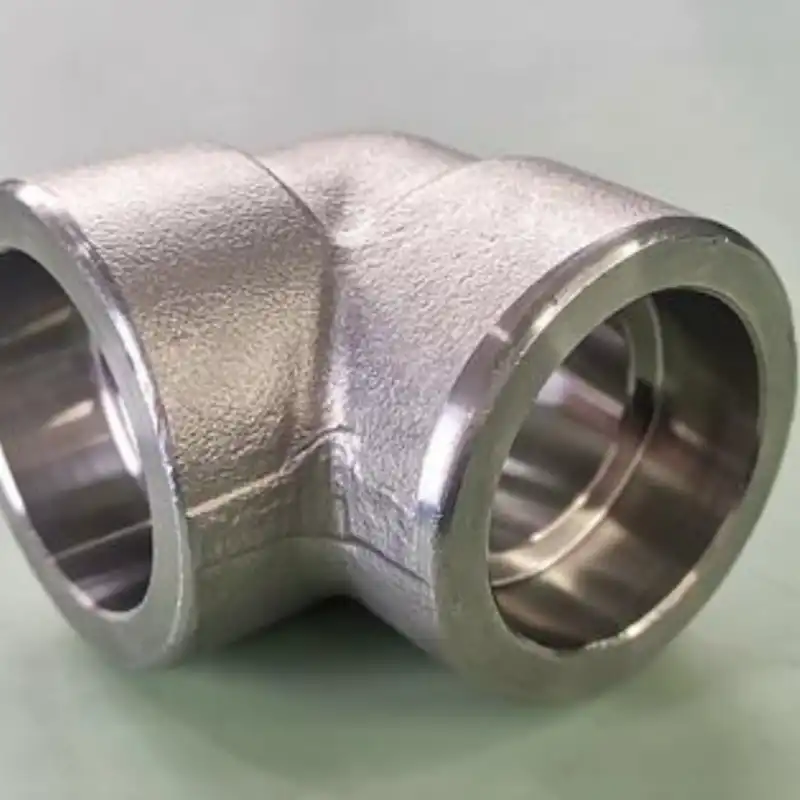
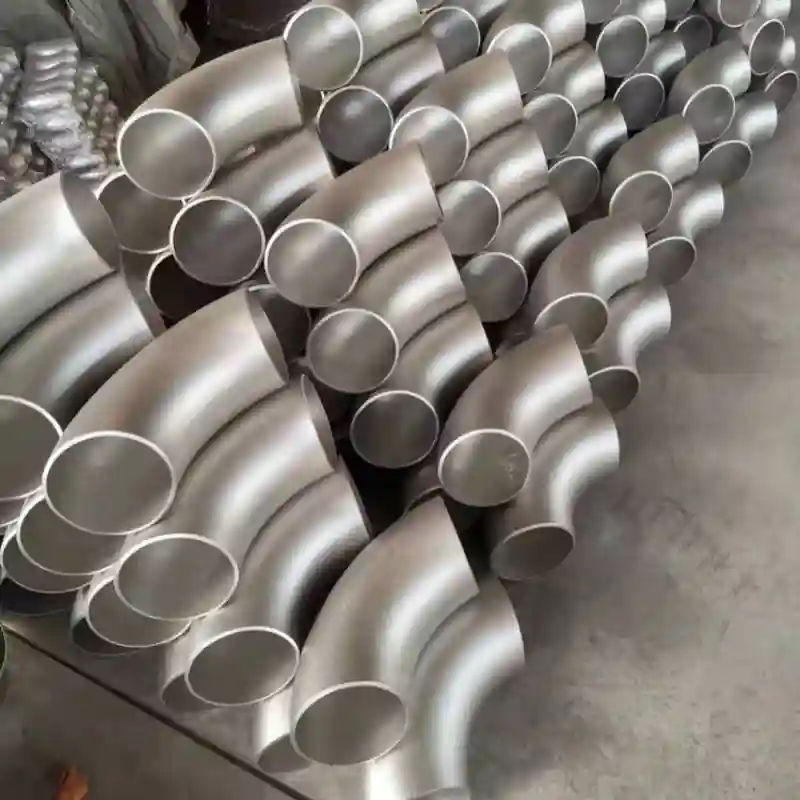
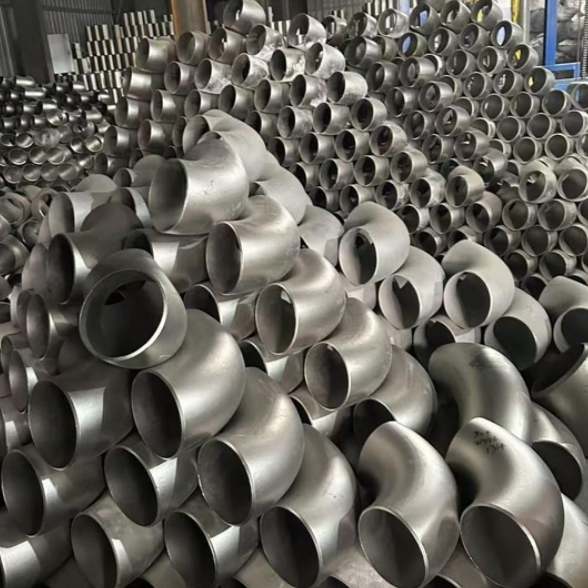
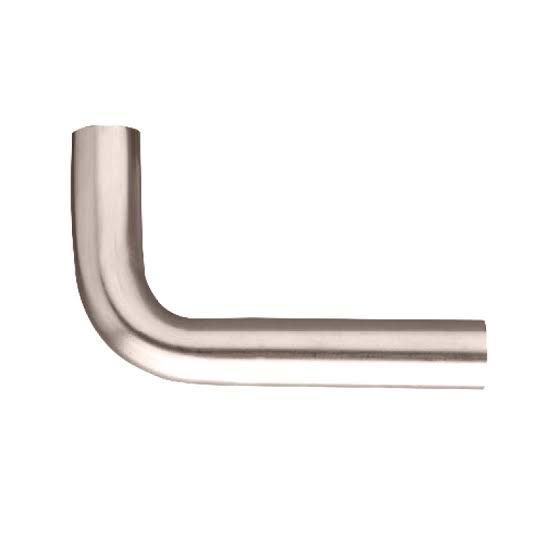
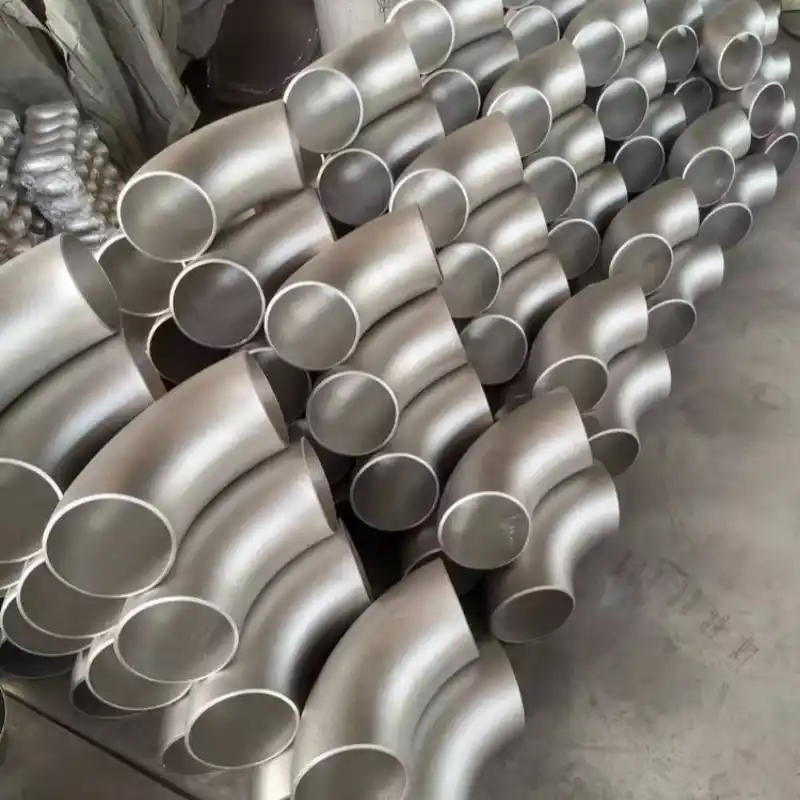
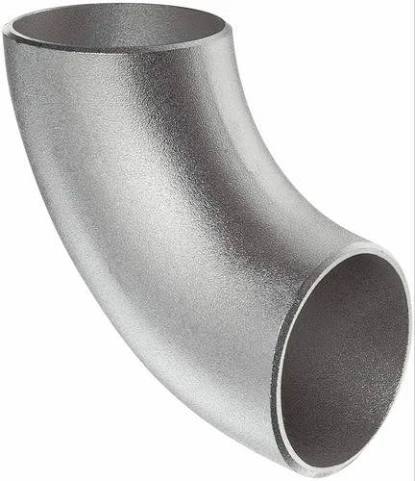
In a piping system, the core function of an elbow is to change the flow direction of the medium. When pipelines need to bypass structural obstacles or connect equipment on different planes, elbows deliver a standardized direction transition solution. Take the widely used 90° long radius elbow as an example, its bending radius is 1.5 times the nominal diameter (1.5D).
In accordance with the ASME B16.9 standard, this design limits the local pressure drop caused by turbulence within an equivalent length of 30 times the pipe diameter, reducing energy loss by approximately 18% compared with short radius elbows (1.0D).
Nevertheless, direction adjustment is not the only factor to consider. In the transportation of high-speed steam or slurry containing solid particles, the inner arc surface of elbows endures continuous erosion. Experimental data indicates that when the flow velocity exceeds 3m/s, the wear rate of SCH40 carbon steel elbows reaches 0.2mm per year.
In such working conditions, the adoption of abrasion resistant pipe elbow with ceramic lining or hardfacing alloy overlay can extend service life to 5 times that of standard elbows. Another easily overlooked factor is the installation alignment of elbows. A 45 degree elbow piping system with merely 2° misalignment with upstream and downstream fittings will generate additional eddy currents, resulting in pipeline vibration and noise.
The optimal solution is to apply laser alignment calibration before welding, ensuring the axis deviation of flanges or bevel ends on both sides of the elbow does not exceed 0.5°.
Common Questions & Optimized Solutions
Q1: How to determine whether to select a long radius elbow instead of a short radius elbow for the system?
A1: Calculate the Reynolds number first. If the medium is in a turbulent flow state (Re>4000) and installation space is sufficient, long radius elbows are the preferred option. For high-viscosity fluids (such as heavy oil with kinematic viscosity>100cSt), the local resistance coefficient (ζ) of short radius elbows may surge from 0.3 (long radius type) to 0.8, causing a more than 12% increase in pumping energy consumption.
Q2: How to upgrade elbow selection when stress corrosion cracking occurs on-site?
A2: First, identify the crack morphology. Intergranular cracking frequently occurs on 304 stainless steel elbows under chloride ion environments. Second, replace the material with duplex stainless steel (e.g. 2205, yield strength≥450MPa) or adopt lining with nickel-based alloy. Third, implement 100% radiographic testing for butt welds, and control residual stress below 105MPa in compliance with ASME B31.3 requirements.
Through comprehensive parametric evaluation including bending radius, schedule wall thickness, material grade and alignment tolerance, engineers can effectively realize the core flow direction changing function of elbows, while guaranteeing mechanical integrity and flow efficiency of the piping system throughout its full life cycle.