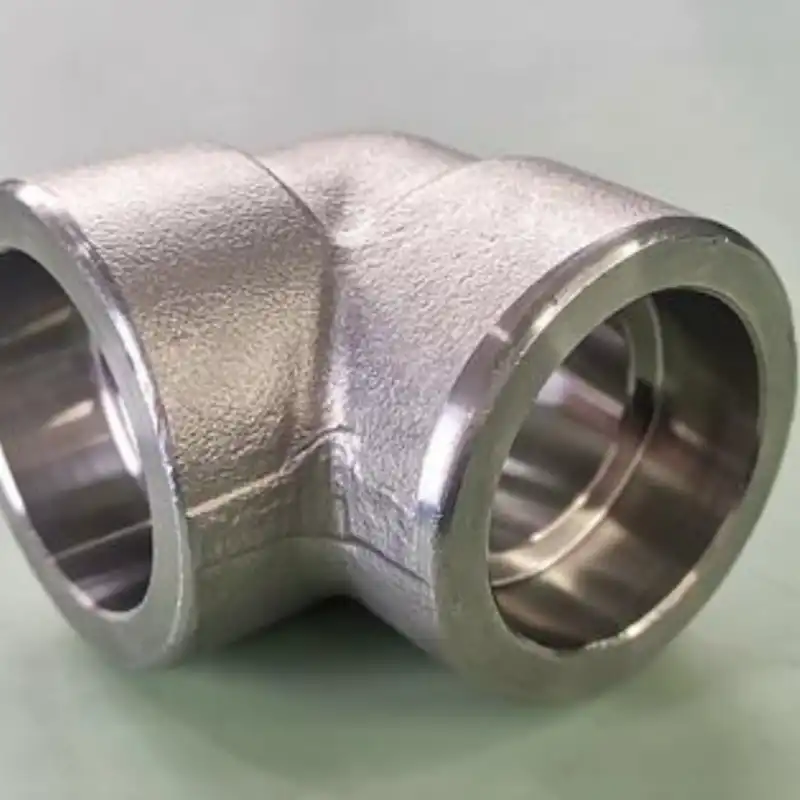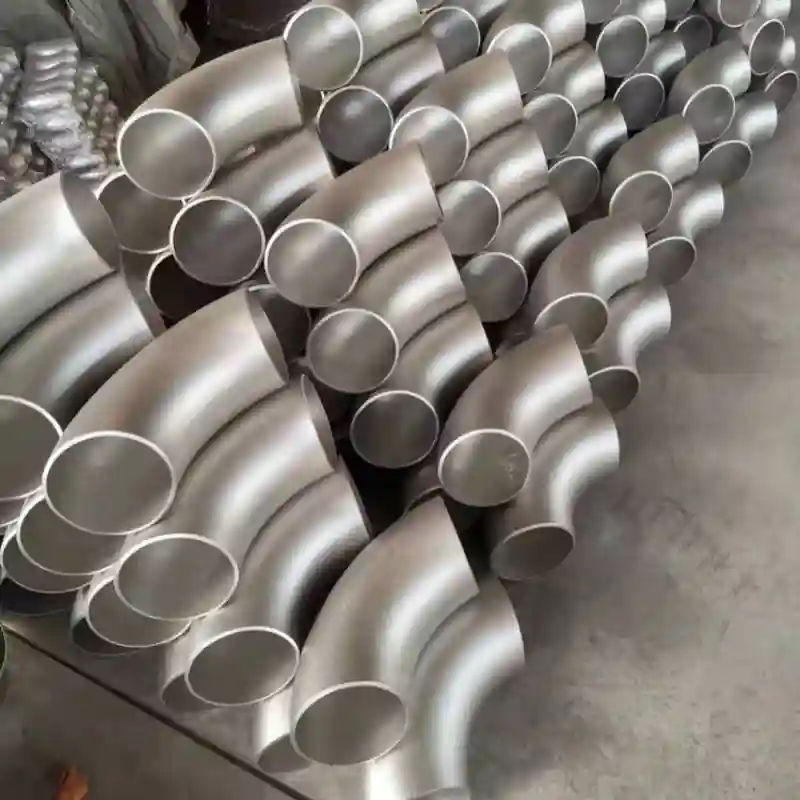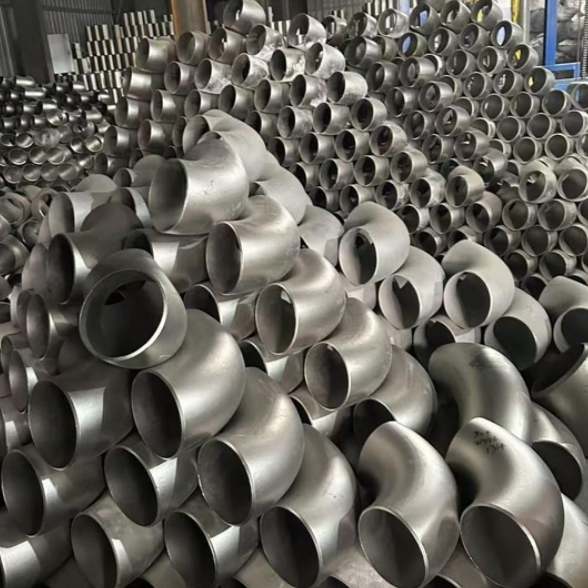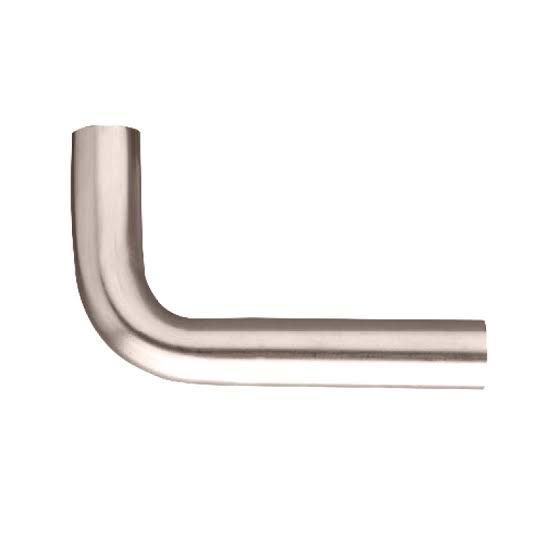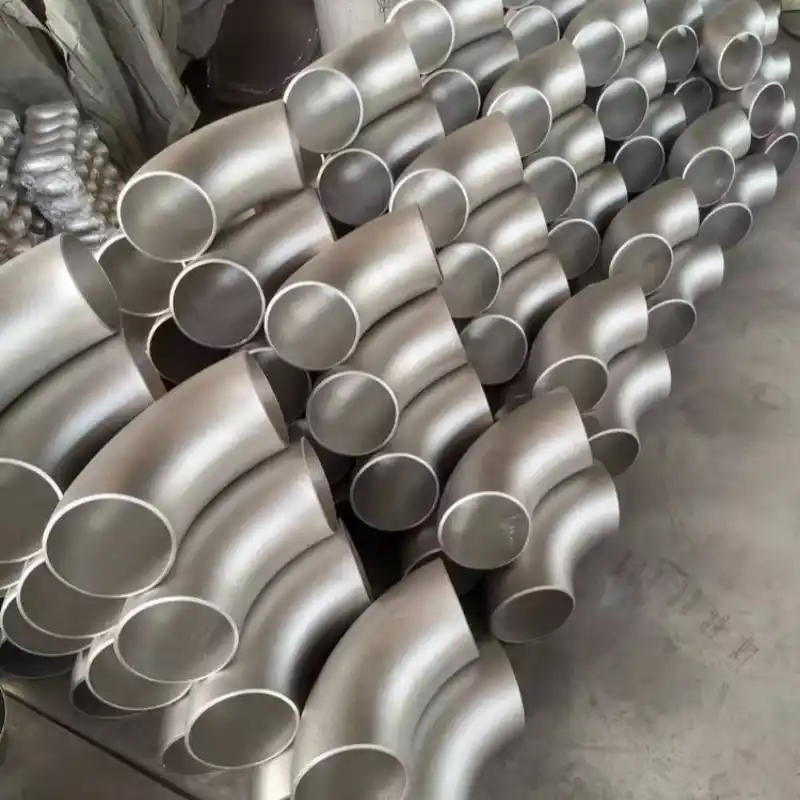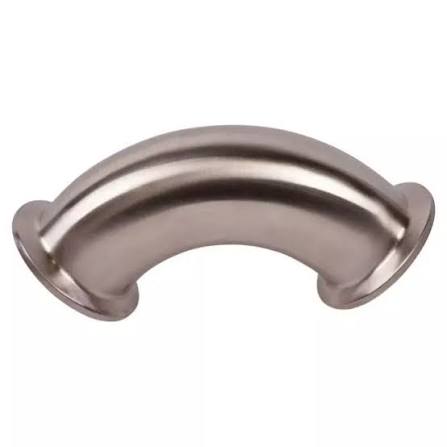
What is a 304 fitting?
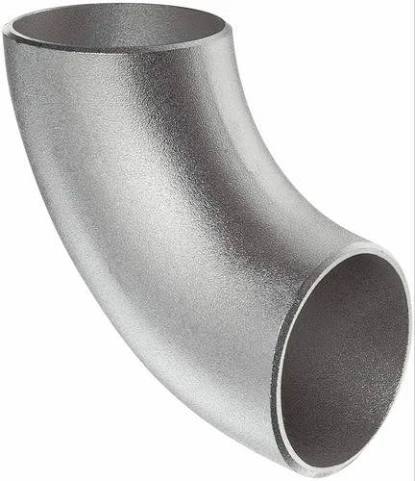
In environmental protection and water treatment systems, the material of pipeline connectors directly determines equipment service life and water quality safety. 304 fitting refers to elbows, tees and other pipe fittings made of 304 stainless steel in accordance with ASTM A312 standard, with nickel content of 8%–10.5% and chromium content of 18%–20%. It delivers outstanding oxidation resistance in fresh water and weakly corrosive media.
Taking sewage recycling stations as an example, when pipelines are in long-term contact with fluid containing chloride ions below 200ppm, stainless steel 304 pipe elbows can effectively avoid pitting corrosion and achieve a service life of more than 15 years. Compared with carbon steel, 304 stainless steel does not release rust contaminants and meets the sanitary requirements of drinking water treatment facilities.
To address sealing and vibration issues in water treatment scenarios, corrosion resistant fittings for water treatment (such as 45° elbows made of 304 material) eliminate intergranular carbides through solution treatment, with hardness controlled at HB≤187. This maintains processing toughness while ensuring structural stability under high-pressure working conditions with a maximum operating pressure of 1.6MPa. According to relevant literature in Journal of Water Process Engineering, the uniform corrosion rate of 304 fitting is lower than 0.1mm per year within a pH range of 4 to 10.
In addition, eco-friendly pipeline connectors are a common selection for zero-wastewater treatment projects. 304 stainless steel is 100% recyclable, and its production energy consumption is about 20% lower than that of 316, complying with the low-carbon orientation of the environmental protection industry. In practical applications, matching with EPDM sealing rings can satisfy the temperature range of -30℃~100℃ without additional plating.
Therefore, for municipal sewage treatment, rainwater reuse and RO reverse osmosis pretreatment systems, 304 fitting has become a standard solution for engineers due to its balanced cost performance and corrosion resistance. During selection, it is necessary to verify the Ni/Cr ratio and solution treatment status in the material test report to avoid non-standard products containing sulfide inclusions.