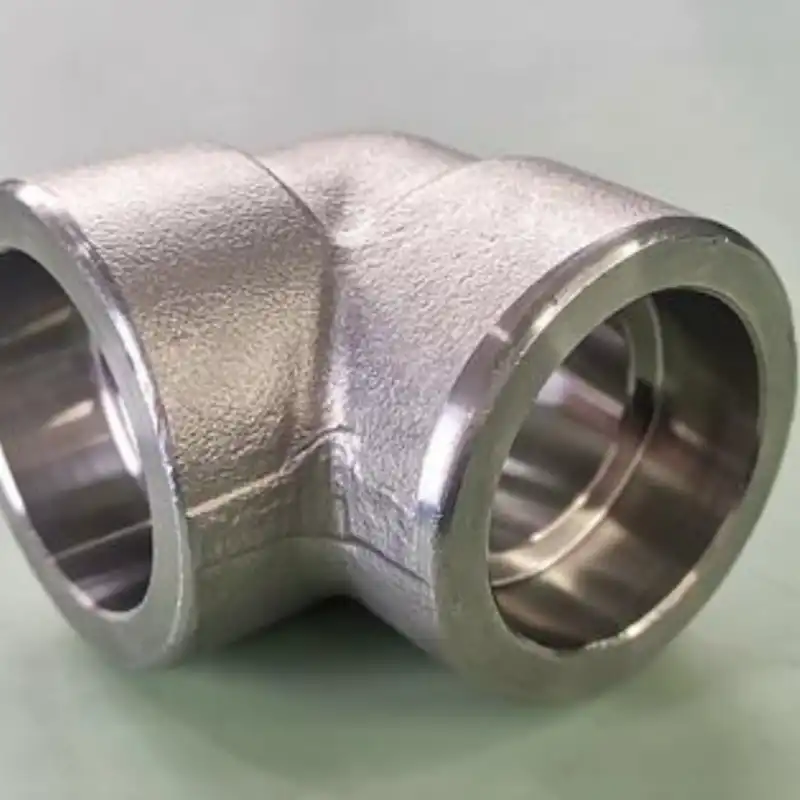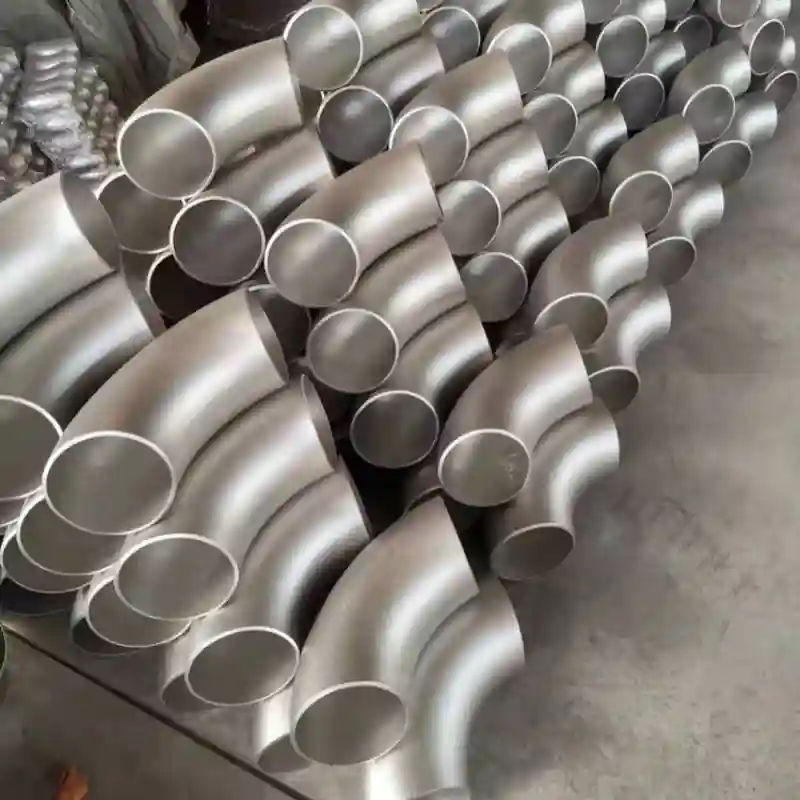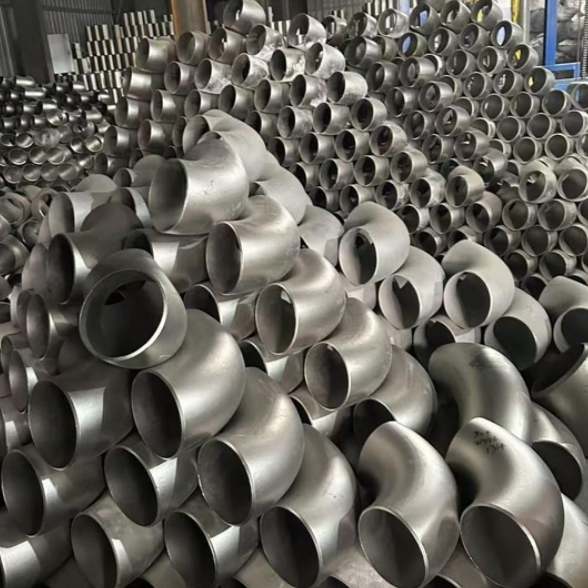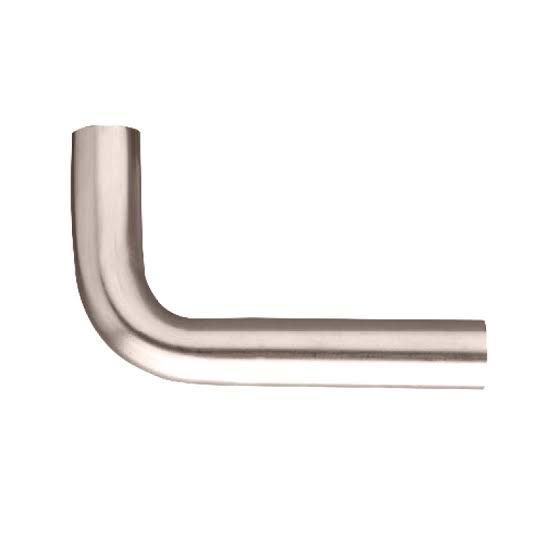
What is a Pipe Elbow? Key Steering Component in the Water Treatment Industry
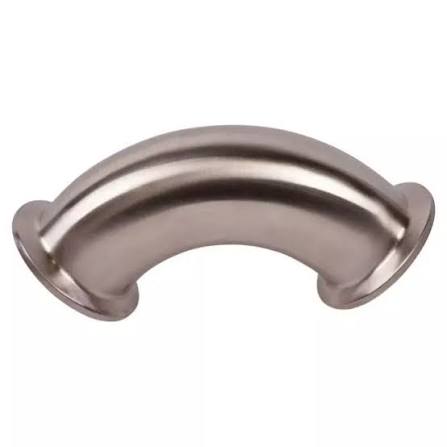
In Water Treatment systems, a pipe elbow is more than a simple direction-changing pipe fitting. It serves as a core component to regulate fluid direction, maintain stable pressure, and minimize turbulence loss. It is widely applied in RO reverse osmosis pretreatment, industrial circulating cooling water systems, and municipal sewage pipe networks.
Technical Specifications and Selection Parameters
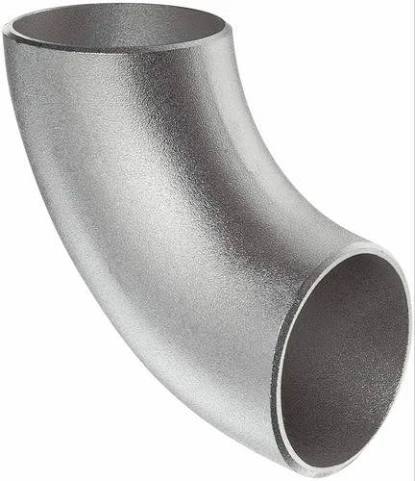
The performance of a pipe elbow is determined by its bend radius (R) and angle (such as 45° and 90°). Compared with short radius elbows (R=1.0D), long radius elbows (R=1.5D) can reduce the local resistance coefficient (K value) by approximately 20%-30%, which is critical for large-scale water treatment pumping stations.
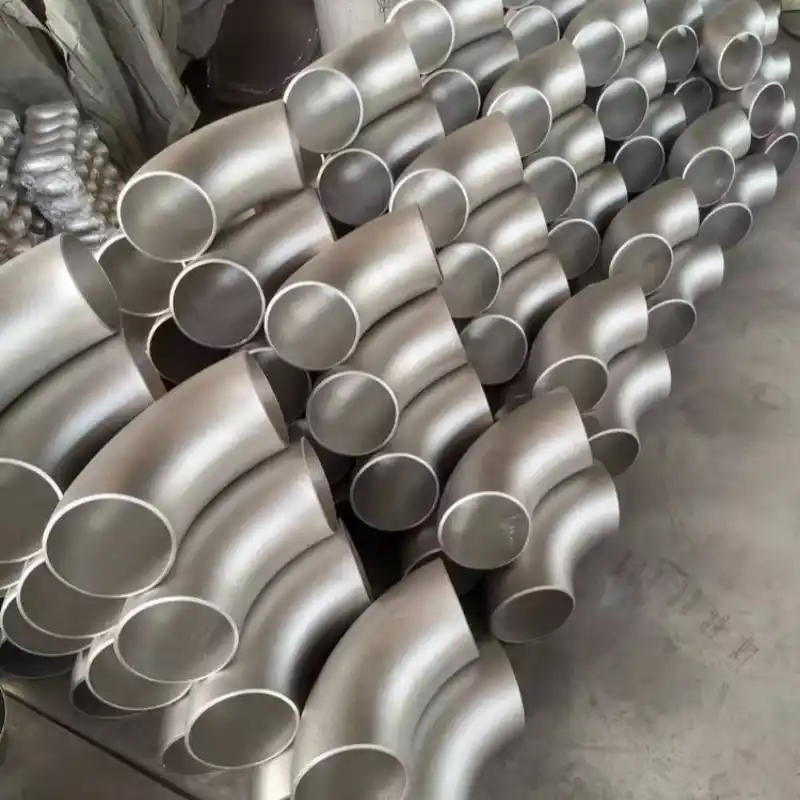
For instance, stainless steel 90-degree elbows in 304/316L grades are extensively used in seawater desalination pretreatment units due to excellent resistance to chloride ion corrosion. Meanwhile, PVC elbow for filtration systems features low cost and chemical inertness, making it a common option for sand filter pipelines.
Material selection directly determines the overall service life of the system. Carbon steel elbows require a corrosion allowance of over 3mm with epoxy lining. Duplex stainless steel (e.g., 2205) can limit the pitting corrosion rate to below 0.1mm per year in sulfur-containing wastewater environments.
Common Challenges and Solutions in Water Treatment
Problem 1: Why does localized erosion corrosion frequently occur at pipe elbows?
Opt for large radius elbows (R≥2D) or install wear-resistant linings (such as alumina ceramics). For solid-laden fluids with a flow velocity above 2.5m/s (e.g., sludge return pipes), replace standard 90° elbows with two series-connected 45° elbows to disperse impact angles, cutting the wear rate by 40%-60%. Relevant data shows that the maximum shear stress on the elbow inner wall decreases by around 12% with every 1D increase in bend radius.
Problem 2: How to accurately select elbow angles to prevent excessive system pressure drop?
Adopt Computational Fluid Dynamics (CFD) simulation for pre-selection. When the overall pressure drop target is less than 0.3bar, prioritize long radius 45° elbow over 90° elbow.
In a practical case, a municipal water plant in Shenyang optimized flow efficiency by replacing 6 standard 90° elbows with long radius elbows, saving 18,000 kWh of pumping energy consumption annually. In addition, 3D elbows (R=3D) are available to reduce turbulence intensity and maintain fluid in the laminar flow zone with Reynolds number (Re) below 4000.