What are the three types of pipe fittings?
What are the three types of pipe fittings? – Key Solutions for Municipal Engineering
-
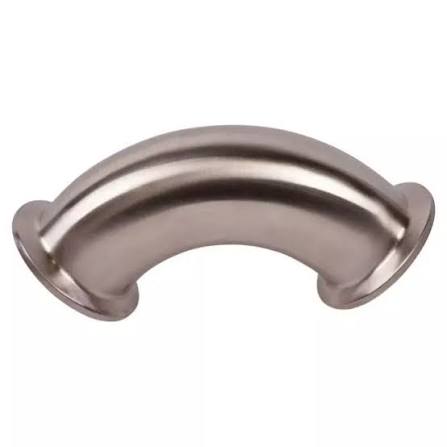
Elbow – Core Component for Flow Direction Change
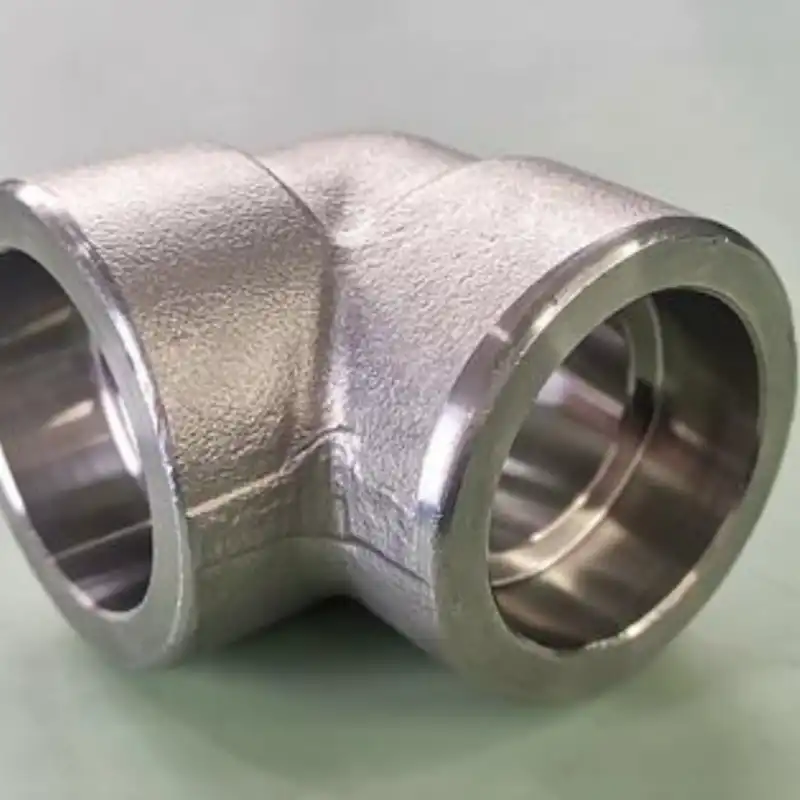
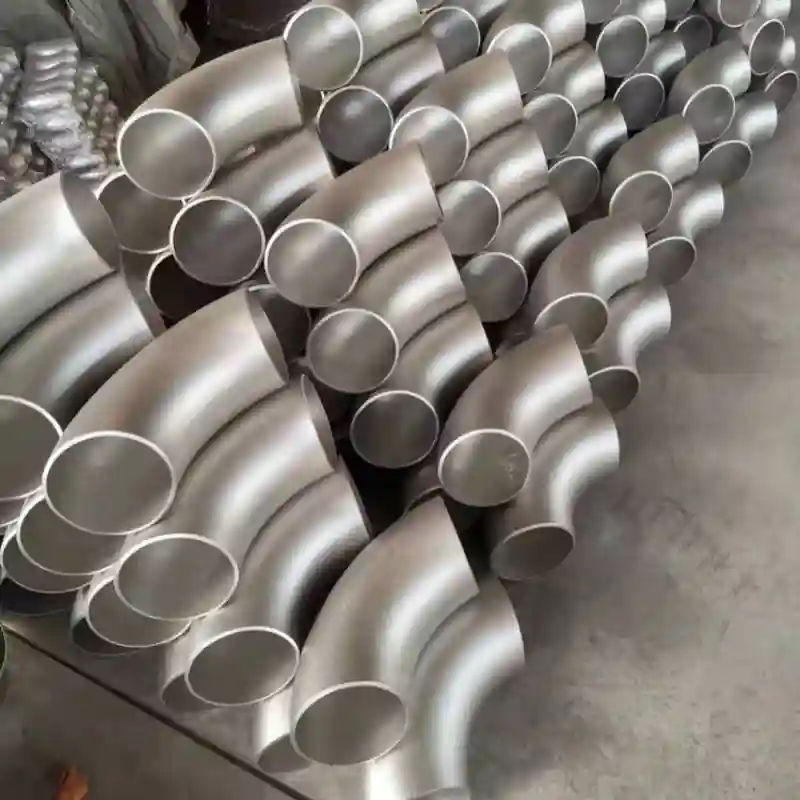
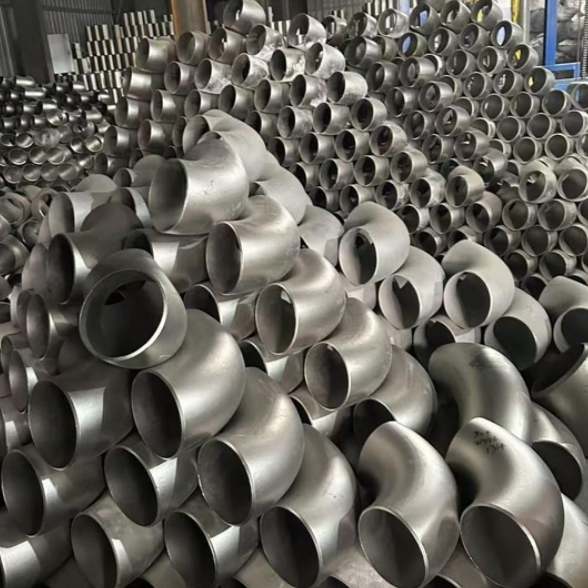
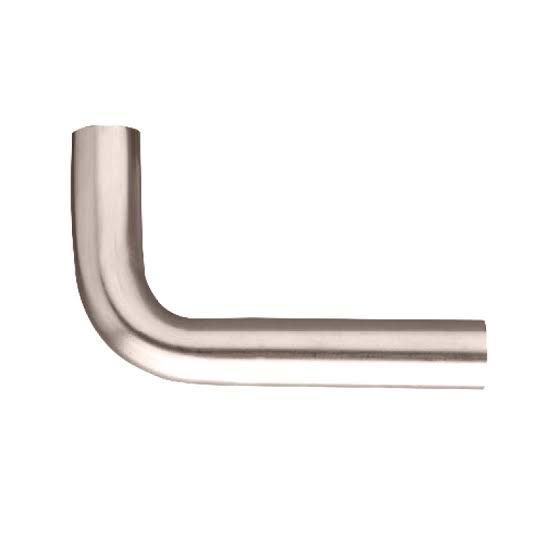
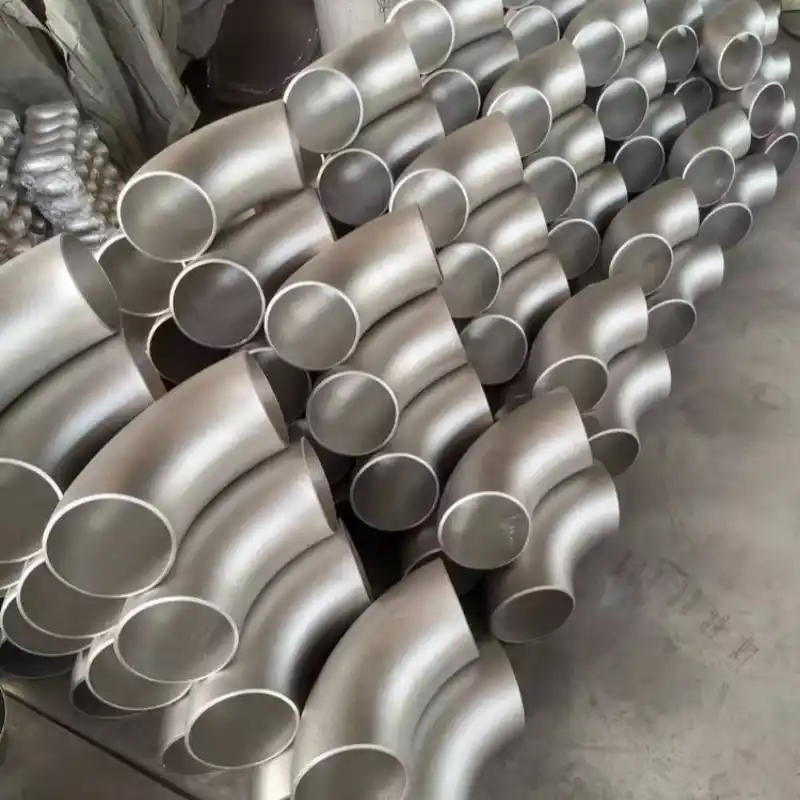
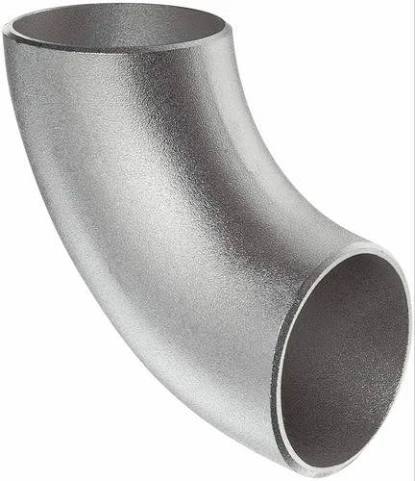
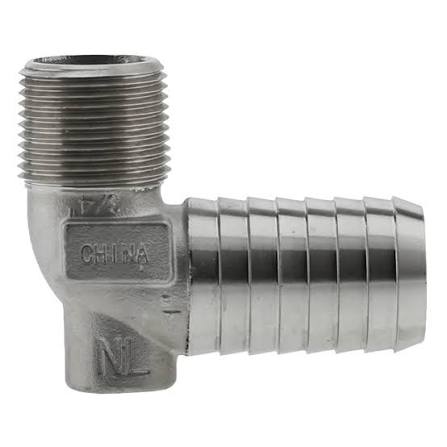
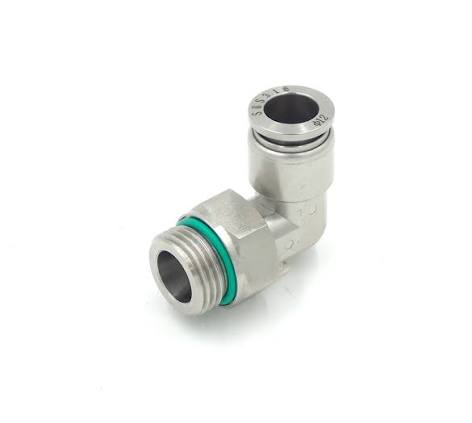
Elbows are used to change the direction of pipelines, with common angles of 45° and 90°. In municipal water supply mains, elbows above DN200 usually adopt a long-radius design with R=1.5D to reduce head loss, which can cut local resistance by approximately 15%~20% compared with short-radius elbows.
The typical material is ductile iron (complying with ISO 2531 standard) with K9-grade wall thickness and a working pressure of PN16 (1.6MPa). For sewage pipelines, elbows with epoxy resin lining are preferred to prevent corrosion and scaling.
-
Tee – Key for Branch Connection
Tees realize fluid distribution between main pipelines and branch pipelines. In municipal rainwater pipe networks, equal diameter tees (DN300×DN300) are commonly used at diversion nodes, while sewer system tee connections generally adopt a reducing design, such as DN400×DN200, to match the flow difference between main lines and household branch pipes.
Key parameter: The diameter ratio of the main pipe to the branch pipe of a tee shall not be less than 0.5, otherwise eddy currents are likely to occur. In terms of materials, the tensile strength of ductile iron tees is ≥420MPa, meeting the requirements of ground dynamic loads.
-
Reducer – Guarantee for Smooth Transition
Reducers are applied to connect pipelines with different calibers, divided into concentric and eccentric types. Eccentric reducers (installed with flat top) are widely used at the outlet of municipal booster pumping stations to avoid gas accumulation; in gravity-flow sewage pipelines, ductile iron reducers for waterworks adopt a flat-bottom design to ensure smooth medium flow. Typical specifications include DN500×DN300 with a length of about 500mm. The wall thickness transition area is optimized through finite element analysis to prevent stress concentration.
In practical engineering, the pressure drop coefficient of reducers is usually controlled within the range of 0.3~0.5 to guarantee system efficiency.
Summary
It is recommended to select suppliers with ISO 9001 certification in the design stage, and select targeted coatings (such as zinc and epoxy resin double-layer protection) according to the actual pressure rating (PN10/PN16/PN25) and soil corrosivity, so as to secure the design life of the pipe network for more than 50 years.