What is 4 inch pipe used for?
4-inch (DN100) pipelines serve as a core specification in industrial fluid transmission systems. With an outer diameter of 114.3mm in accordance with the ASME B36.10 standard, they commonly come in wall thickness schedules of SCH40 (6.02mm) and SCH80 (8.56mm), and are widely applied in the petroleum, chemical, municipal water supply, and HVAC industries.
For instance, in low-pressure steam pipelines or cooling water circulation systems, 4-inch pipes can safely withstand a maximum working pressure of approximately 2.5MPa, subject to material selection.
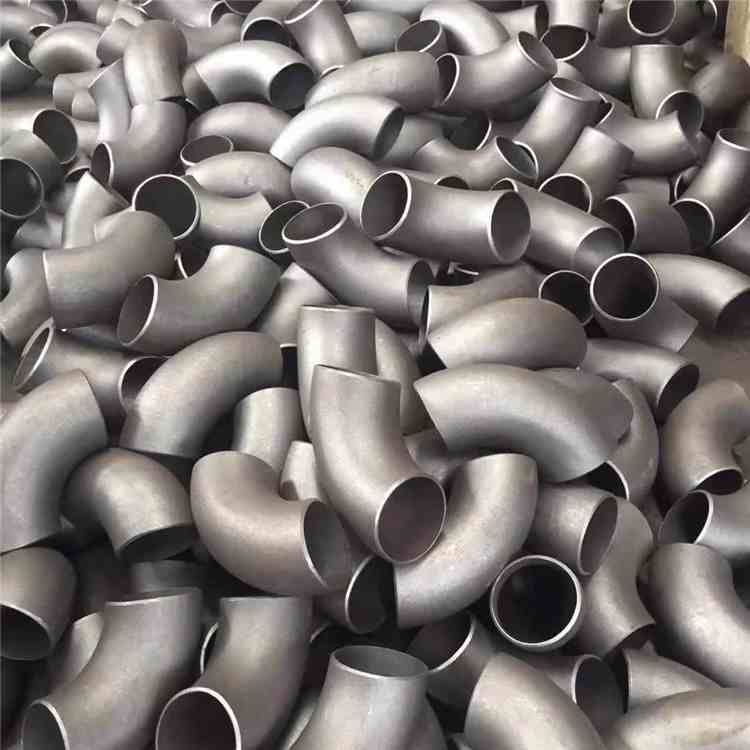
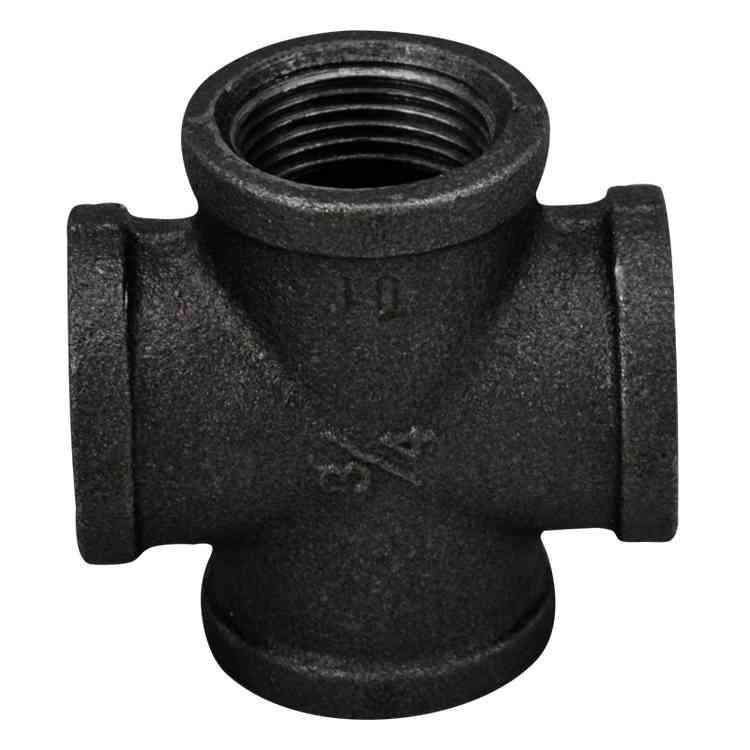
How do 4-inch pipeline systems achieve direction changes and branch connections? Elbow fittings are indispensable components. For small instrument pipelines or pressure relief bypasses, 1/2″ elbow pipe (DN15, center radius R=1.5D) is commonly adopted. It enables precise 90° or 45° directional turning for small-diameter branches and prevents turbulence from affecting the flow rate of the main pipeline.
In high-pressure and high-temperature working conditions, such as superheated steam transmission, weldable pipe elbows feature a seamless structure and fully penetrated bevel design, eliminating potential leakage risks of threaded or flanged connections. Their wall thickness can match SCH80 or even XXS grade of the main pipeline.
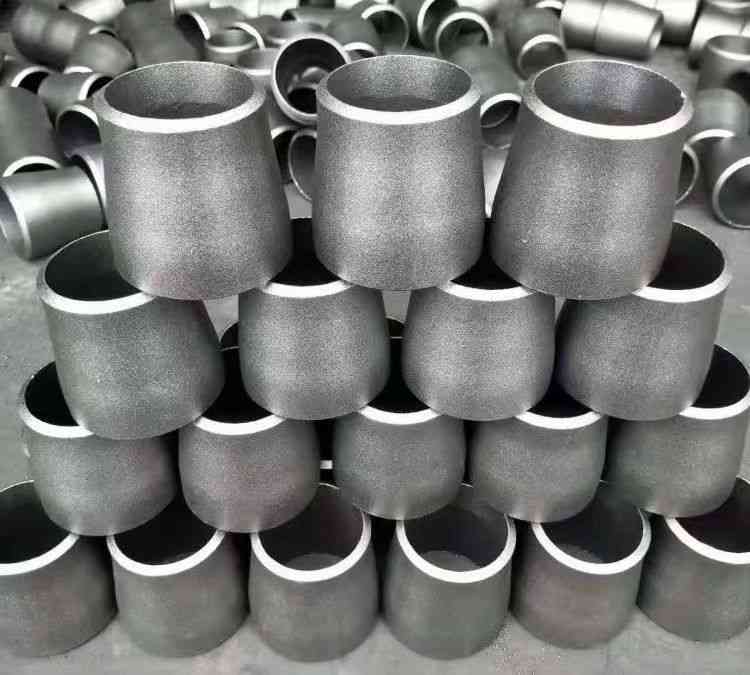
In addition, when secondary circuits need to be branched off from the 4-inch main pipe, a 2″ pipe elbow (DN50, normal curvature radius of 76.2mm) can realize equal-diameter or reducing transition while maintaining low pressure drop (ΔP<0.5bar/10m).
Common Questions and Solutions
Q1: How to extend the service life of 4-inch pipelines in corrosive medium environments?
→ Solution: Adopt corrosion-resistant alloys such as 316L stainless steel or PTFE lining. Increase the corrosion allowance of wall thickness by no less than 1.5mm in compliance with the ISO 15590-1 standard, and conduct regular wall thickness inspection via ultrasonic testing.
Q2: How to avoid stress concentration at elbow connection points?
→ Solution: Comply strictly with ASME B31.3 specifications and calculate thermal expansion compensation. For weldable pipe elbows, conduct GTAW full argon arc welding with back argon protection and implement 100% radiographic testing (RT) to ensure the weld factor is no less than 0.85.
By selecting 4-inch pipelines and supporting elbows ranging from 1/2″ to 2″ in a reasonable manner and abiding by international welding and anti-corrosion standards, users can build high-efficiency and high-reliability piping systems.
For detailed parameter tables, please refer to the AIFN Metal Technology technical manual.