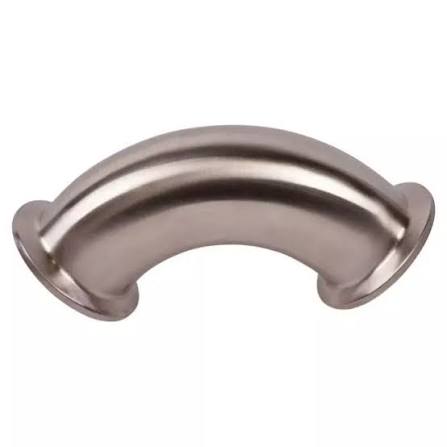
Why Choose a 90-Degree Stainless Steel Elbow? — A Guide to Industrial Piping Selection
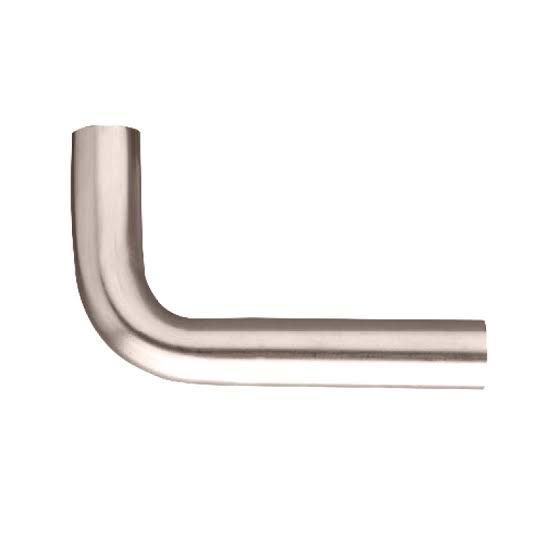
In industrial piping systems, the 90-degree bent stainless steel elbow (90-degree stainless steel elbow) is the most basic yet critical fitting. It not only determines the efficiency of fluid redirection but also directly impacts the maintenance cycle and safety factor of the entire pipeline.
Core Dimensional Standards: More Than Just “Angle” and “Bore”
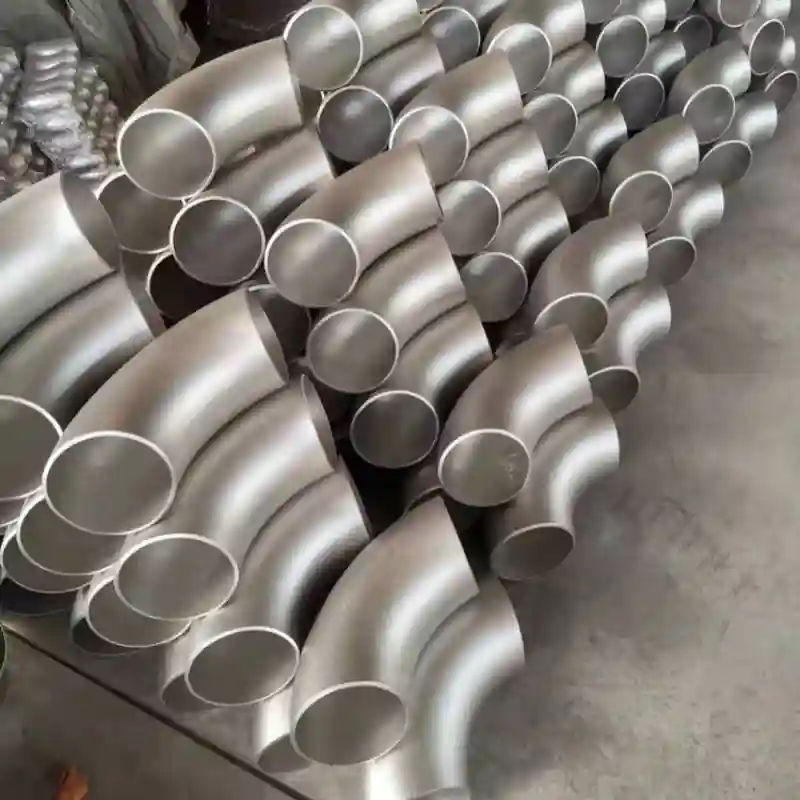
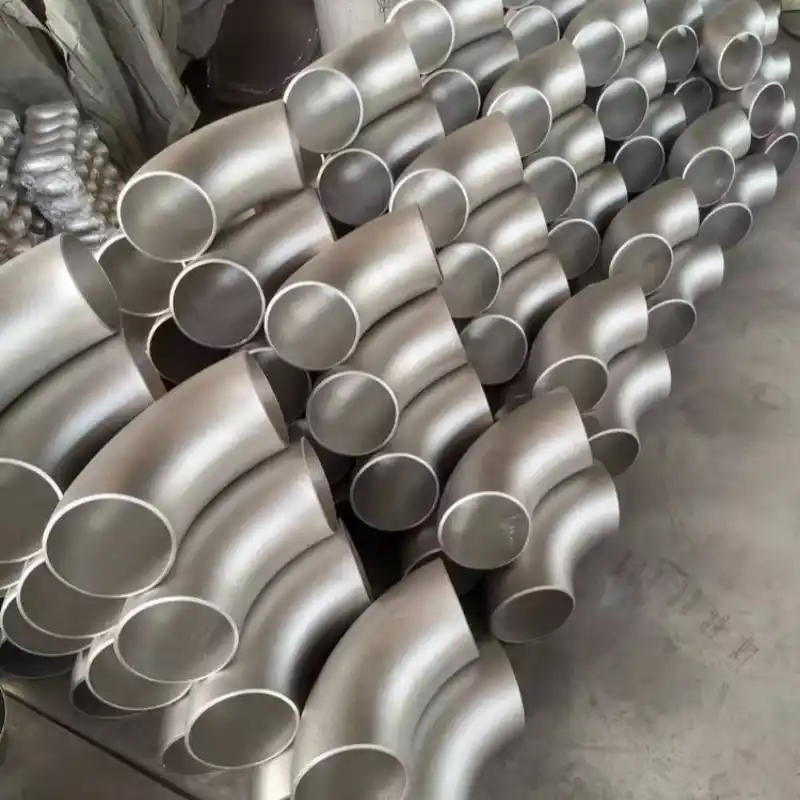
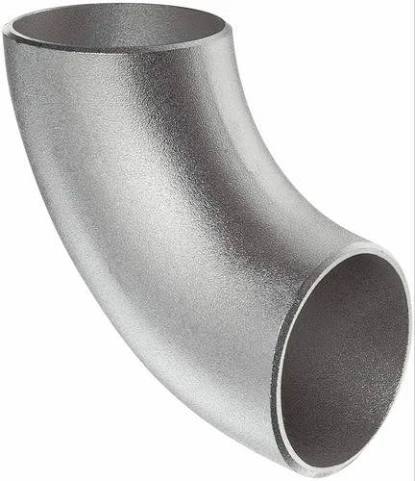
☑️Many inquiry forms simply state “90° Elbow, 4 inch,” but professional procurement strictly verifies the stainless steel 90 degree elbow dimensions. Per ASME B16.9, the key parameter for an elbow is the center-to-end distance. Long-radius (LR) elbows have a bending radius of 1.5 times the nominal bore, while short-radius (SR) elbows have a radius of 1.0 times.
☑️In a recent retrofit project for the fermentation tank cooling jackets at Johnny Rich Brewery Sdn Bhd, we found the on‑site space extremely tight. Choosing a short‑radius elbow would have significantly increased flow pressure drop; choosing a non‑standard long‑radius elbow would have made installation impossible. Ultimately, based on the precise welding elbow 304 stainless steel 4″ dimensions, we supplied standard long‑radius butt‑weld elbows with a center‑to‑end distance of 152 mm, ensuring that turbulence losses were minimized and the temperature control accuracy for wort cooling was guaranteed.
Material Selection: The Working Conditions Determine the Steel Grade
✅Different temperatures, pressures, and media correspond to different stainless steel grades. Conventional water treatment applications often use 304/304L, while high‑temperature steam or highly corrosive chemical scenarios require higher‑grade materials.
✅For example, for heat‑exchanger piping that operates long‑term at 600 °C–800 °C, we typically recommend the TP310H grade supplied by a 310h stainless steel elbow supplier. This grade has a carbon content controlled between 0.04–0.10, and its high‑temperature creep rupture strength is far superior to that of ordinary 304.
✅Additionally, for marine or pharmaceutical projects that need to resist chloride‑induced stress corrosion cracking, a b36.19 304 stainless steel elbow (manufactured to ASME B36.19 wall‑thickness series) is often the first choice, because this standard strictly specifies the pressure‑resistance limits corresponding to Schedule 40, 80, and other wall thicknesses.
Process Assurance: Why Prefer “Butt‑Weld”?
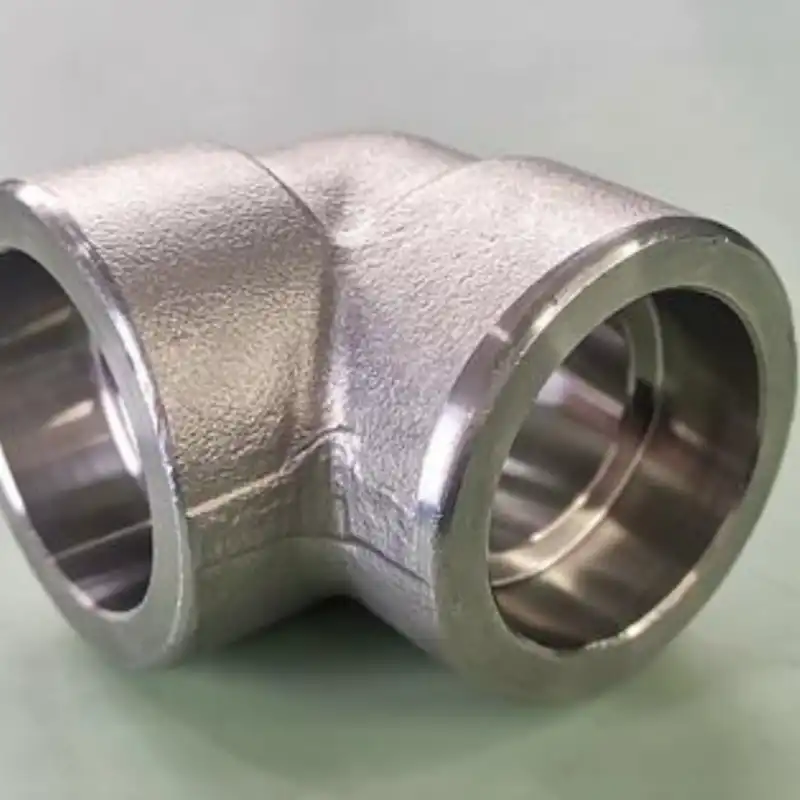
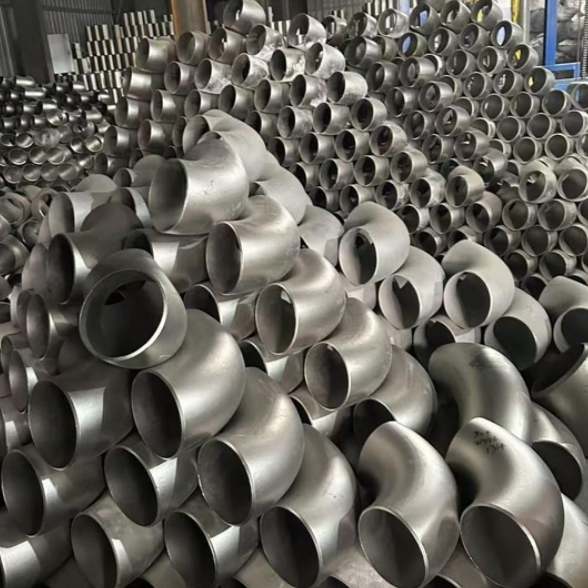
✅In high‑pressure or high‑temperature pipelines, butt‑weld elbows (BW Elbows) produced by stainless steel butt weld elbow manufacturers offer unparalleled integrity and fatigue resistance compared to threaded or socket‑weld connections. The absence of threaded gaps means less susceptibility to intergranular corrosion and crevice corrosion.
✅In the Johnny Rich Brewery case, for example, the main steam line operated at a pressure as high as 1.6 MPa, and seamless butt‑weld elbows were used. Thanks to precise bevel preparation (V‑groove, root face 1–2 mm), the on‑site welding achieved a 100% first‑pass acceptance rate, effectively eliminating the risk of cracking in the heat‑affected zone caused by uneven fitting wall thickness.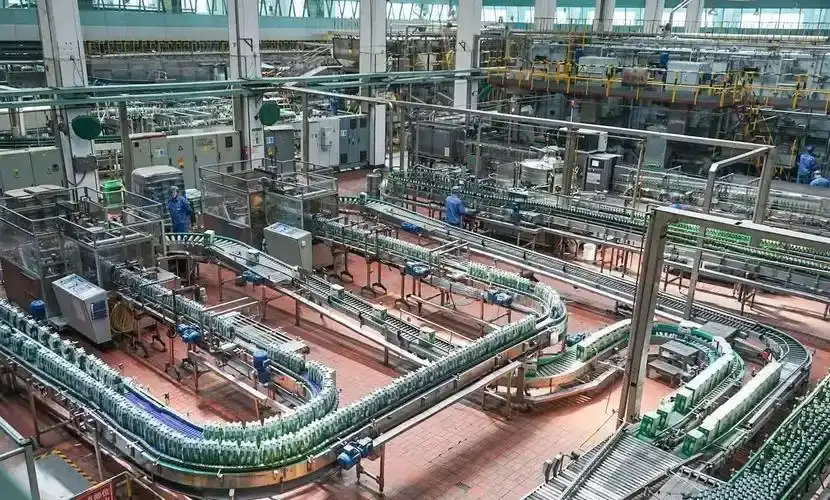
Summary
📌Selecting a 90‑degree stainless steel elbow is essentially a rigorous exercise in engineering mechanics and materials science. Only by incorporating all four dimensions—dimensional tolerances, material grade, manufacturing standards (e.g., B36.19), and welding procedures—can you ensure safe operation of the piping system for 20 years or more.
📌For technical data sheets tailored to your specific operating conditions, or for original Mill Test Certificates (MTC), please feel free to contact the AIFN technical team. We provide full‑traceability documentation support for the entire range of ASME/EN standard products.