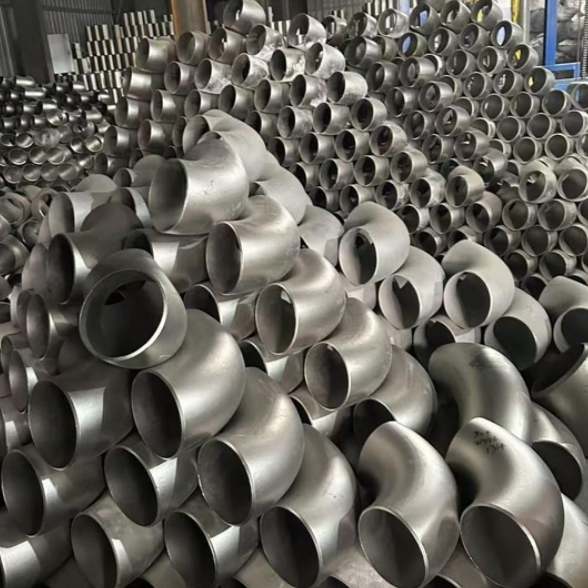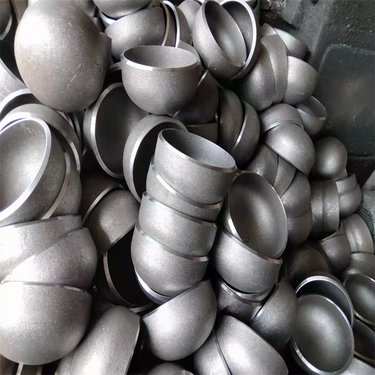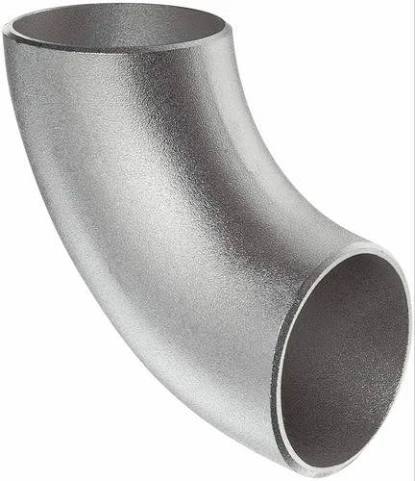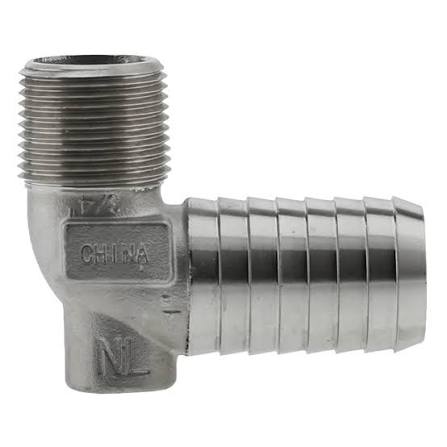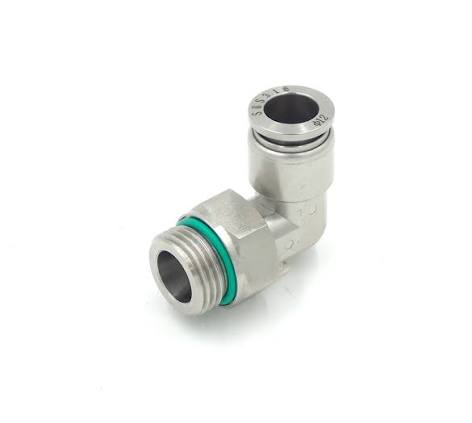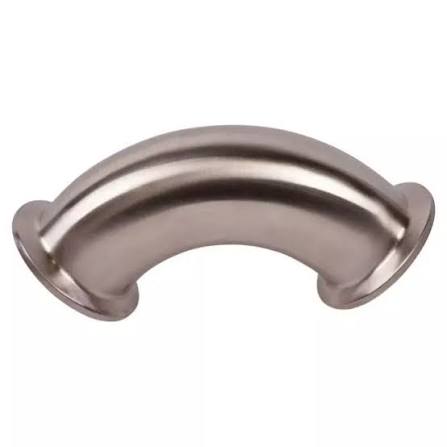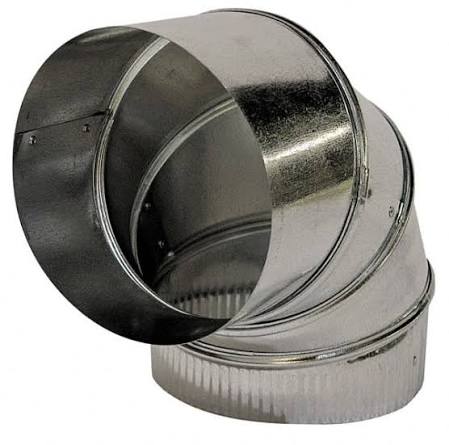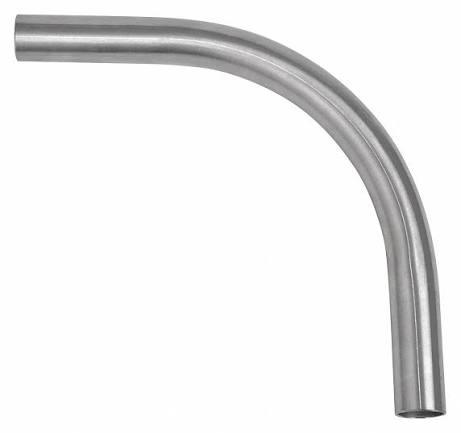
In the design of piping systems, changing the direction of fluid flow is one of the most common requirements. As a basic component for connecting pipelines and achieving right-angle turns, the steel pipe 90 degree elbow directly affects the operational safety of the entire system through its material selection and quality. So, in which fields is this seemingly simple fitting mainly applied, and what core parameters should procurement personnel focus on when selecting it?
Core Application Scenarios and Industry Standards
✔️Steel pipe 90 degree elbows are widely used in petrochemical, municipal water supply, HVAC, and fire protection piping systems. In scenarios involving high-pressure steam or corrosive media transmission, seamless-design elbows can effectively reduce turbulent erosion on the pipe wall.
✔️For procurement and supply chain professionals, defining the project’s pressure rating (e.g., Sch40, Sch80) and connection method (butt-welding BW or threaded) is the primary step in screening a steel pipe elbow supplier.
✔️In HVAC and fire protection fields, such elbows are often used to connect sprinkler risers with horizontal loop networks. Notably, the steel pipe 90 degree elbow played a key role in the fire sprinkler piping system of the Chengdu Wanda Plaza project. In that project, large-diameter butt-weld elbows were adopted to connect the main pipes of each fire compartment, ensuring that in emergency conditions, fire water could cover every protected area at the design flow rate—fully validating the importance of high-quality pipe fittings in building lifeline engineering.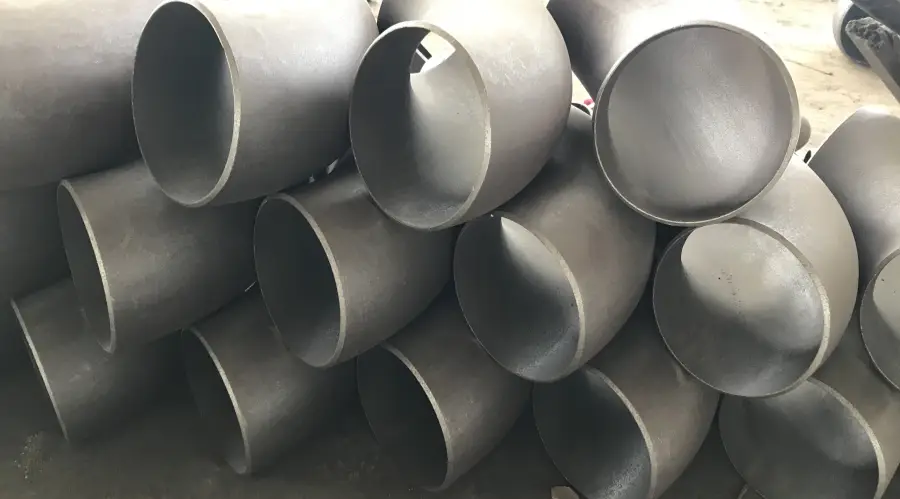
Selection Essentials: From Dimensions to Materials
When it comes to specific procurement, focusing only on price is far from enough. Professional buyers typically work with an ISO-certified steel pipe elbow manufacturer to ensure products comply with ASME B16.9 or GB/T 12459 standards. The table below compares common selection differences across various standards and materials:
| Key Parameter | Common Options and Standards | Recommended Applications |
|---|---|---|
| Execution Standard | ASME B16.9 / GB/T 12459 | ASME preferred for international projects; GB standard for domestic infrastructure |
| Pressure Rating | Sch40 / Sch80 / Sch160 | Sch40 for conventional water systems; Sch80 and above for high-pressure steam |
| Material Selection | Carbon steel (ASTM A234 WPB) / Stainless steel | Carbon steel suitable for petroleum gas; stainless steel for corrosive fluids |
✅schedule 40 steel pipe 90 degree elbow: This specifies the wall thickness standard. In the Chengdu Wanda Plaza case, the fire main lines primarily adopted Sch40 specification, because its wall thickness meets pressure requirements while offering good weldability.
✅carbon steel 90 degree elbow dimensions: Dimensional accuracy is key to smooth on-site installation. Professional manufacturers typically provide precise end bevel dimensions and center-to-end (dimension A) measurements to ensure the weld misalignment with straight pipes is controlled within standard limits.
✅90 degree steel pipe elbow manufacturers: When selecting a manufacturer, it is recommended to conduct on-site inspections of their heat treatment furnaces and non-destructive testing (NDT) equipment. Quality manufacturers strictly control the pushing temperature during elbow forming to avoid grain coarsening due to overheating, which could impair mechanical properties.
Conclusion
📌Whether in conventional water supply networks or complex high-rise building fire protection systems, the steel pipe 90 degree elbow is an indispensable cornerstone. When screening suppliers, procurement teams should look beyond unit price and pay more attention to the quality traceability system. A capable steel pipe elbow supplier can not only provide dimensionally compliant products but also supply complete material certificates and impact test reports—offering solid safety assurance for your engineering projects.