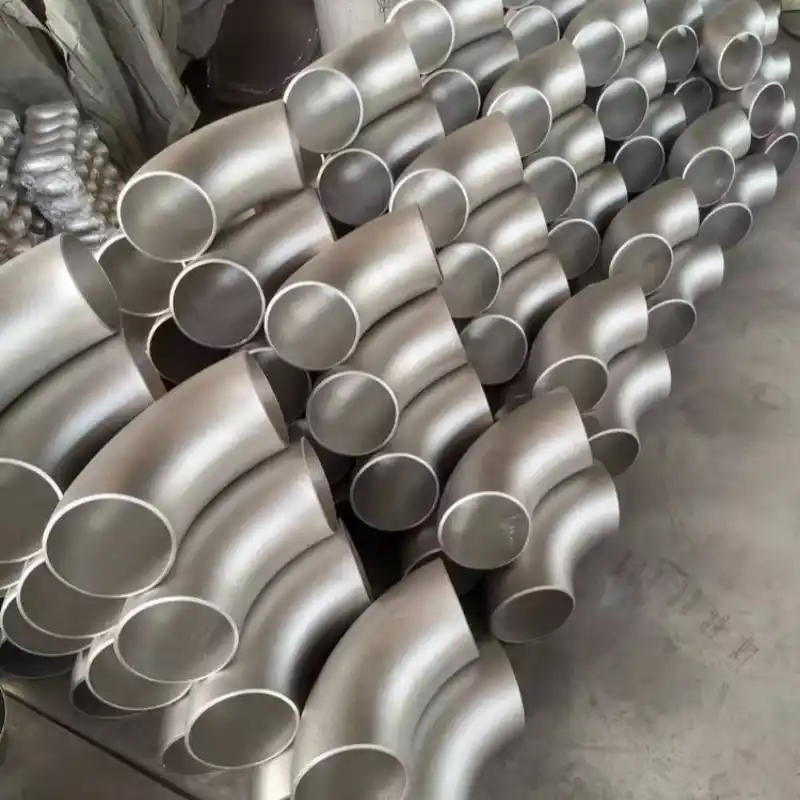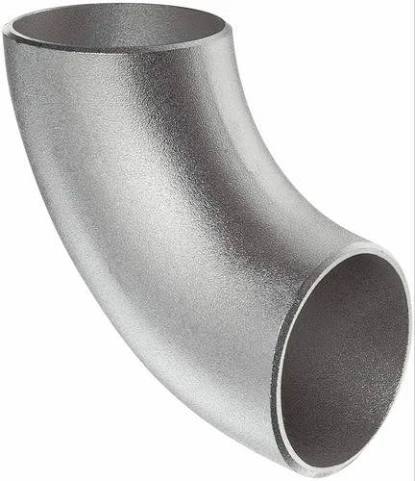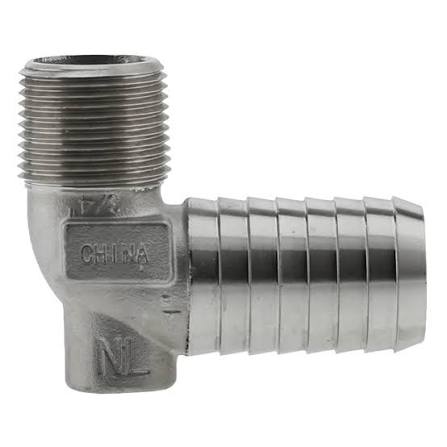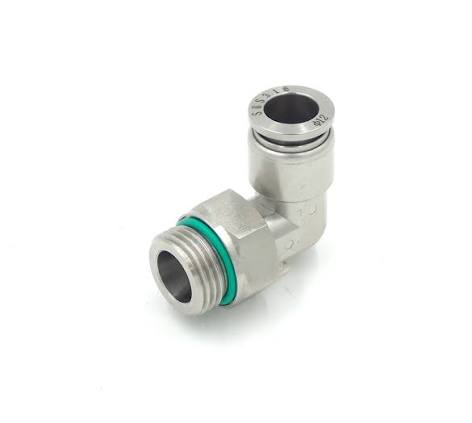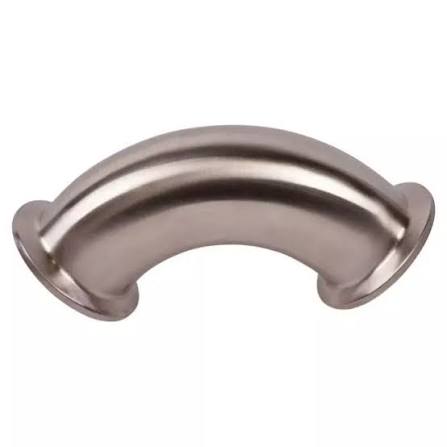
In the design and installation of piping systems, changing the direction of fluid flow is a basic requirement, and one of the most commonly used components to achieve this is the 90-degree elbow. When the medium is water, oil, or gas, choosing the right 90 degree elbow stainless steel not only affects system tightness but also directly impacts the overall service life and operating costs of the piping system.
Understanding the Core Parameters of Stainless Steel 90-Degree Elbows
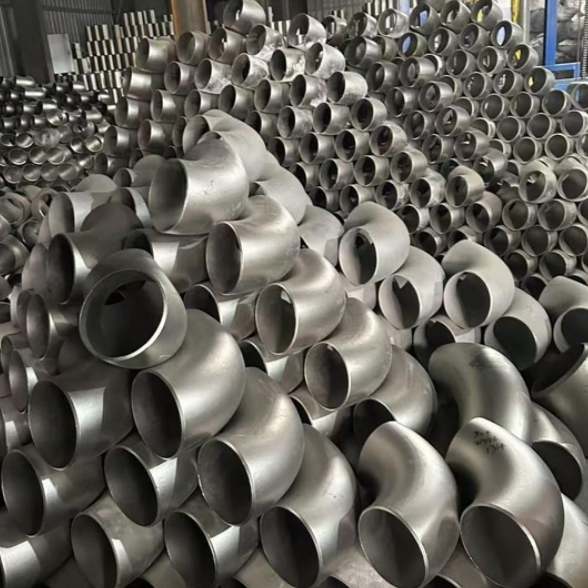
Faced with a wide array of products on the market, engineers and procurement professionals must first pay attention to their dimensional standards (stainless steel 90 degree elbow dimensions). The dimensions of elbows are typically governed by standards such as ASME B16.9 or ASME B16.11, with key parameters including nominal diameter (D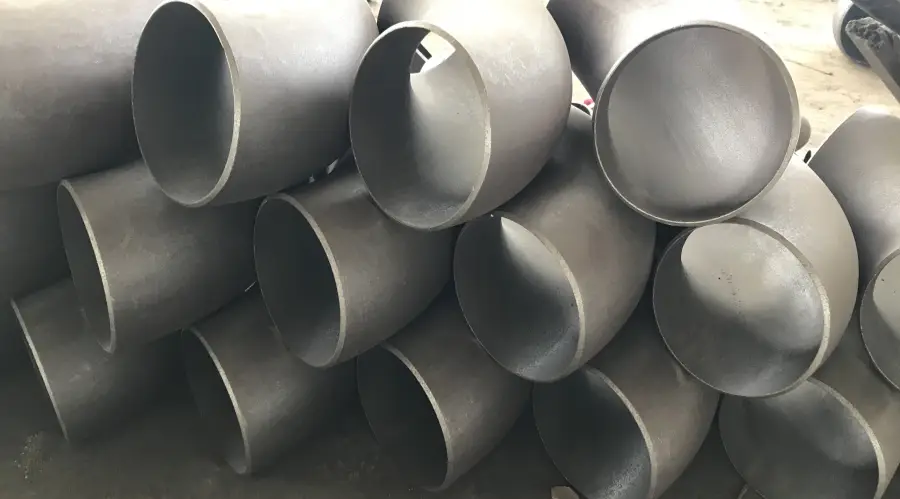 N or NPS), wall thickness (Schedule), and end connection type. For new projects, obtaining accurate dimensional drawings from a reliable elbow supplier is the first step in avoiding on-site installation errors.
Selection between Long Radius and Short Radius
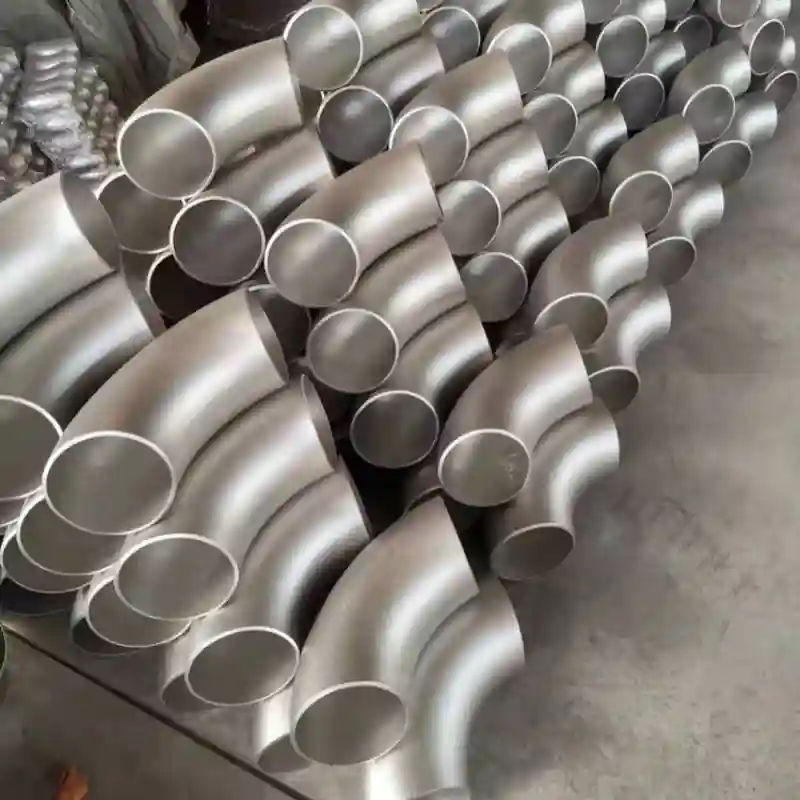
This is a critical decision point in the selection process. A standard stainless steel 90 degree long radius elbow has a bend radius of 1.5 times the nominal diameter. This type of elbow offers low flow resistance and minimal pressure drop, making it particularly suitable for liquid transport systems with strict flow rate requirements. If space on site is constrained, a short-radius elbow (bend radius equal to 1 times the diameter) can be used as an alternative, but it will incur higher pressure losses and greater erosion risks.
Selection Strategies for Specific Operating Conditions
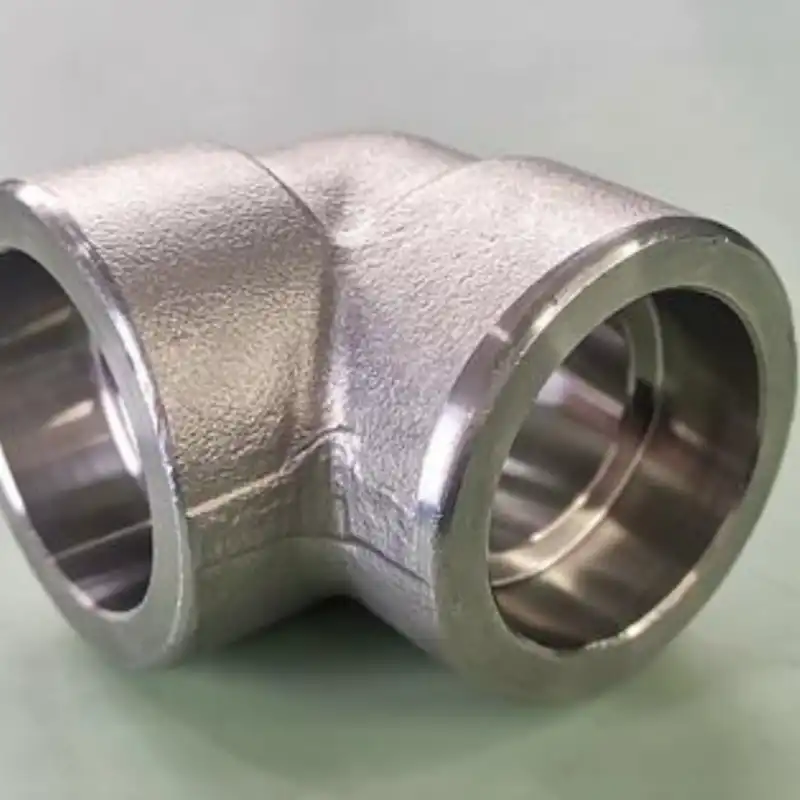
✅The pipe connection method determines the type of elbow required. For high-pressure or small-bore piping, welded connections are the first choice. In such cases, the stainless steel 90 degree socket weld elbow offers clear advantages—its socket-weld structure ensures weld strength and reduces leakage risks, making it widely used in high-rise buildings or chemical projects.
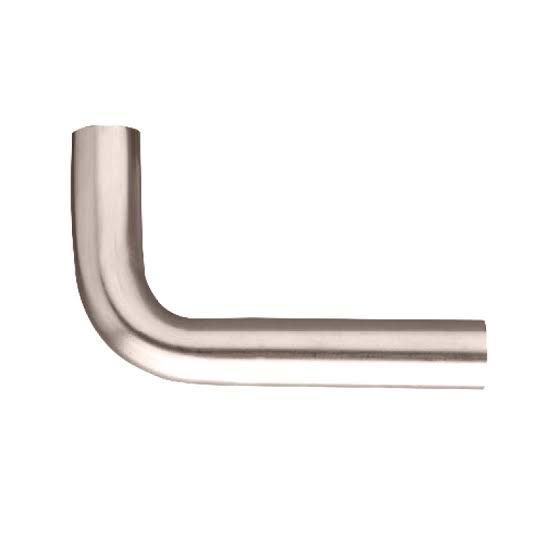
✅If the piping is used for discharging high-temperature exhaust gases, a 90 degree stainless steel exhaust elbow should be selected. Such elbows typically have thicker walls and are made of 316L stainless steel, which offers superior high-temperature resistance.
Product Weight and Material Verification
✅In procurement and logistics, the weight of the stainless steel 90-degree elbow (stainless steel 90 degree elbow weight) is a practical issue that cannot be overlooked. Weight directly correlates with material cost, shipping expenses, and also affects pipe support design. Experienced suppliers will provide accurate theoretical weight tables.
✅According to research data from international piping journals, in terms of material, 304 stainless steel is suitable for general corrosive environments, while 316 or 316L stainless steel—due to its molybdenum content—offers stronger pitting resistance in chloride-rich environments, making it more appropriate for humid or coastal areas.
Application Case Study: From Community Water Supply to High-Rise Pump Rooms
✔️ Take the “Xiangmei Garden” residential community we recently served as an example. When renovating its old potable water pipelines, the community faced severe water hammer effects and excessive erosion-corrosion at the elbows. Our technical team selected a heavy-wall stainless steel 90 degree long radius elbow to replace the original standard welded elbows.
✔️ After the retrofit, water pressure fluctuations were significantly reduced. In the community’s high-rise secondary water supply pump room—where water pressure is extremely high and pumps start and stop frequently—we recommended using stainless steel 90 degree socket weld elbows with enhanced welding procedures, successfully eliminating interface leakage and ensuring stable water supply for residents on the top floors.
Conclusion
Selecting the appropriate stainless steel 90-degree elbow is not merely a matter of dimensional matching, but a comprehensive consideration of operating conditions, standards, materials, and costs. As a professional pipe fittings manufacturer, AIFN recommends that you fully communicate technical details with your supplier before purchasing.
📌A high-quality elbow is not just a bridge connecting pipes—it is the cornerstone of a safe and efficient system operation.