BSPP vs NPT: How to Choose the Right Pipe Fittings?
In hydraulic, instrumentation, and chemical piping systems, mismatched thread standards are the number one cause of leaks, pressure drops, and even on-site accidents. What is BSPP? What is NPT? These are the two most widely used pipe thread standards globally, but they have fundamental differences in structure, sealing method, and application, and they are not compatible with each other.
Furthermore, engineers often encounter the BSPP and BSPT selection issue — BSPT (British Standard Pipe Taper) has the same 55° thread angle as BSPP, but the former uses taper sealing, while the latter relies on face sealing. The two cannot be mixed.
This article focuses on the core differences of BSPP vs NPT to help you make the right choice when purchasing stainless steel elbows and other fittings.
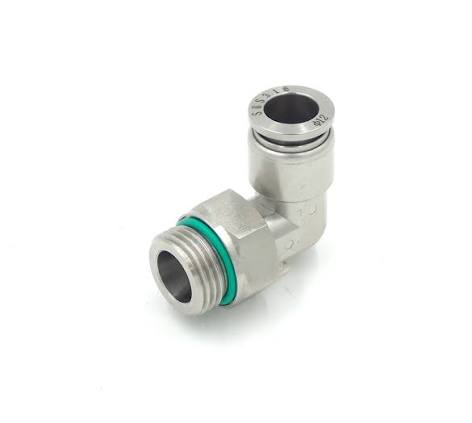
BSPP (British Standard Pipe Parallel): thread angle of 55°, parallel thread (constant diameter), designated by the code “G”. BSPP threads themselves are not responsible for sealing; sealing relies on compression of an O-ring or metal gasket at the face.
Understanding the difference between BSPP and BSPT is also critical: BSPT is a tapered thread that seals by thread interference, while BSPP is a parallel thread that requires a face seal.
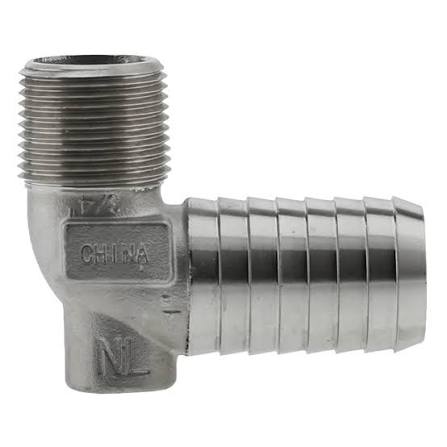
NPT (National Pipe Taper): thread angle of 60°, with a 1:16 taper (diameter decreases by 3/4 inch per foot). NPT relies on taper interference for sealing and must be installed with PTFE tape or liquid sealant to fill the spiral gaps.
Based on decades of industry experience, AIFN Pipe Fittings Company breaks down the key technical differences between the two to help you make the right choice when purchasing stainless steel elbows and other fittings.
1. Key Parameters: Distinguish BSPP vs NPT at a Glance
-
Thread angle: BSPP is 55°, NPT is 60° — they do not match. Forcing them together will damage the threads. Notably, BSPT also has a 55° thread angle, but it is a tapered thread and is incompatible with BSPP parallel threads, which again highlights the essential structural difference between BSPP and BSPT.
-
Thread form: BSPP is parallel (constant diameter along the entire length); NPT is tapered (narrows toward the end).
-
Sealing principle: BSPP relies on O-ring compression at the face; NPT relies on taper interference + sealing tape.
-
Pitch difference: For example, in the 1/2-inch size, BSPP has 14 threads per inch (55° thread angle); NPT also has 14 threads per inch but with a 60° thread angle — the thread profiles cannot conform.
2. Three Key Decision Points for Selection
-
Regional standards: North American projects mandate NPT; Europe, Australia, and most Asian countries default to BSPP (G thread).
-
Pressure and disassembly frequency: For high pressure (>10 MPa) and infrequent disassembly, NPT is preferred. For medium/low pressure and applications requiring frequent maintenance (e.g., instrumentation or gas lines), BSPP + O-ring is more reliable because face sealing does not wear the threads with repeated tightening.
-
Thread inspection method: Use a thread ring gauge or a simple caliper — BSPP threads have a constant diameter along their length; NPT visibly narrows toward the end.
3. Practical Impact in the Stainless Steel Elbow Field
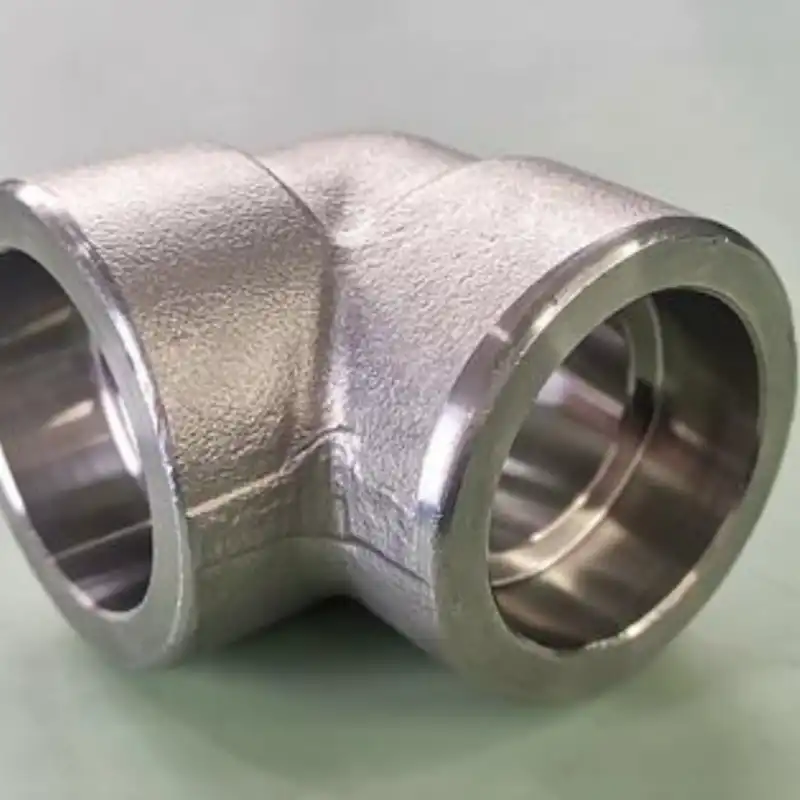
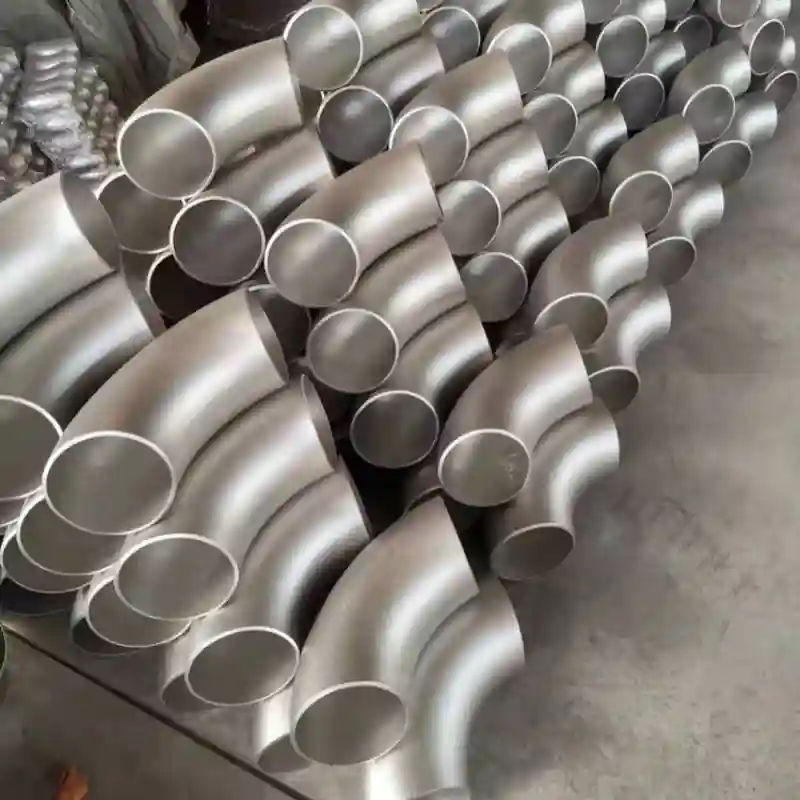
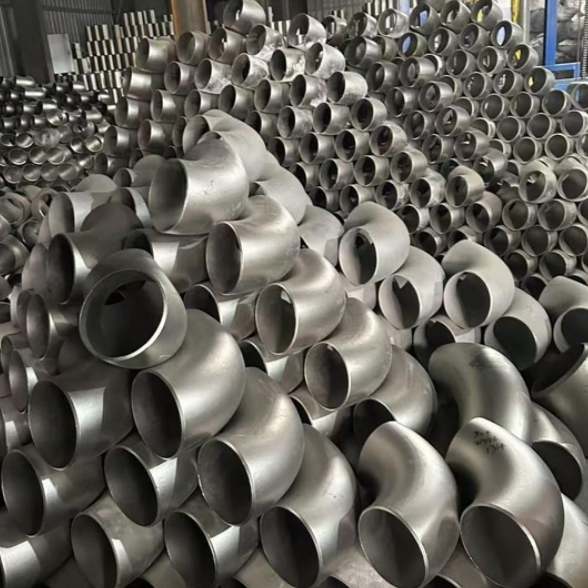
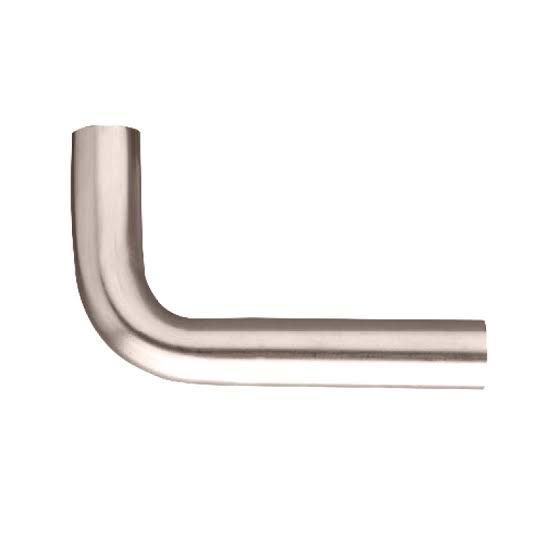
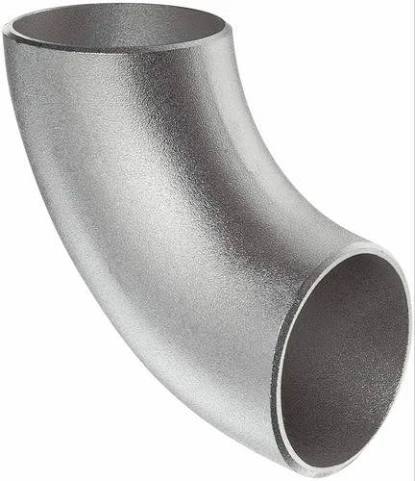
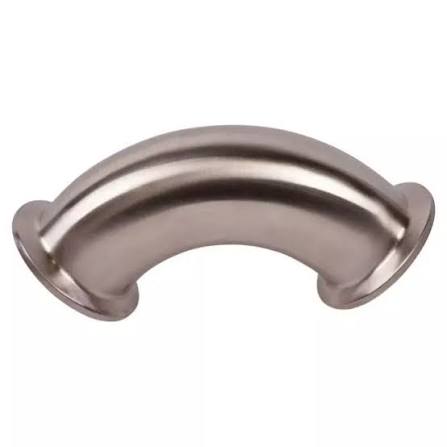
Take a 304/316L stainless steel 90° elbow as an example. The elbow itself changes the flow direction and generates additional radial forces. If the threads are mismatched — for instance, forcibly screwing an NPT male thread into a BSPP female thread — even with thread tape, the interference between a tapered surface and a parallel surface reduces contact area by 30%–50%, making “spiral seepage” highly likely under vibration or thermal cycling.
Conversely, a correctly matched elbow maintains zero leakage under a 20 MPa hydrostatic test. AIFN provides elbows with clear thread markings (G1/2″ or 1/2-14 NPT) and supports third-party thread parameter inspection to ensure seamless integration with your piping system.
Summary:
“BSPP parallel + O-ring seal, NPT taper + tape seal”, while distinguishing BSPP and BSPT — the former uses parallel threads with face sealing, the latter uses taper threads with interference sealing — and you will avoid over 90% of thread selection errors.
For customized advice on specific pressure ratings and elbow angles, AIFN Pipe Fittings Company offers free drawing review and sample validation.