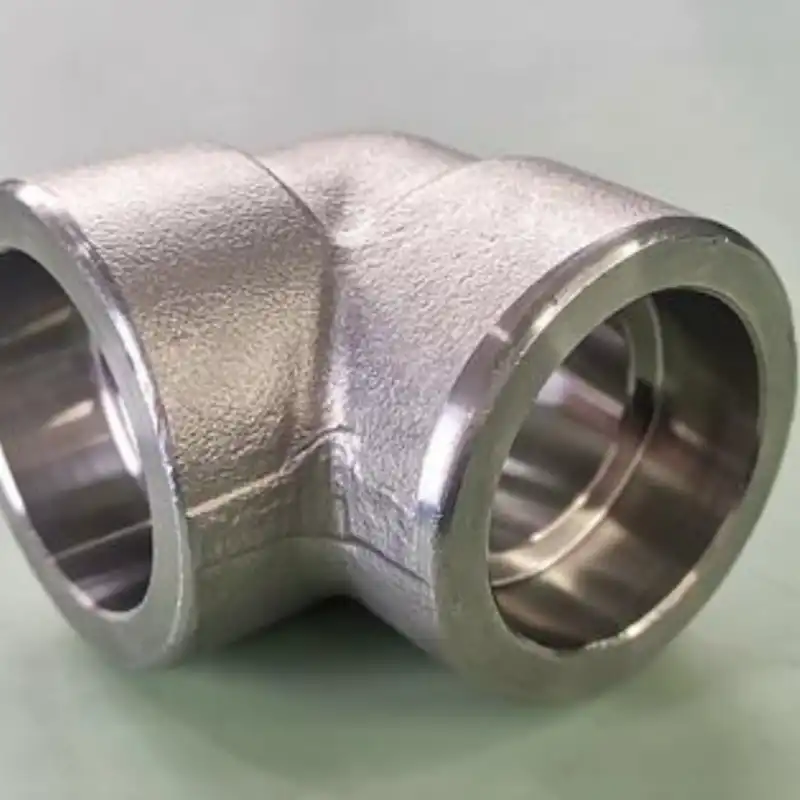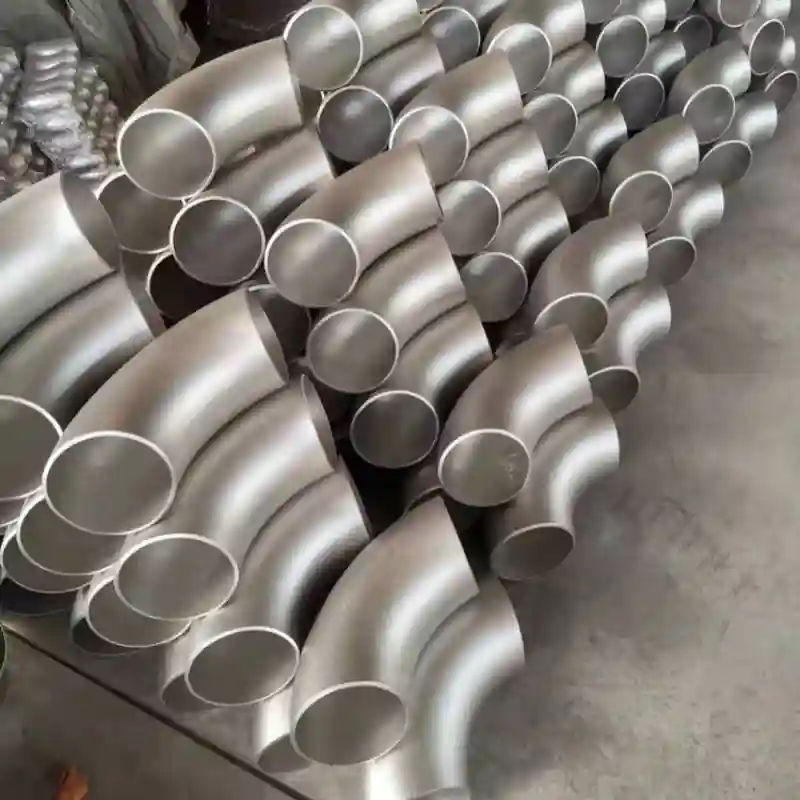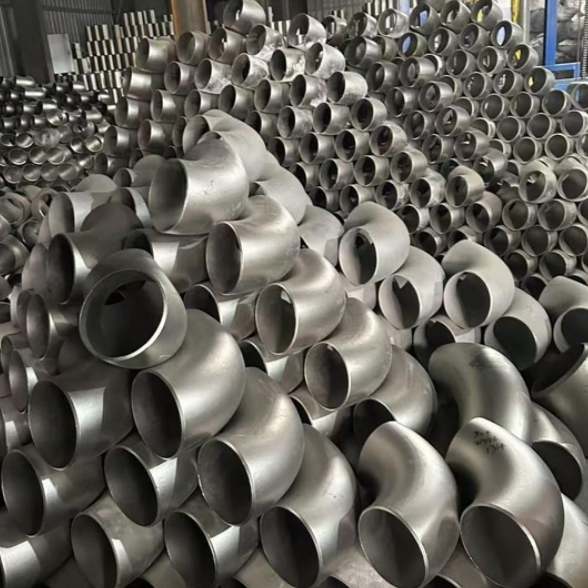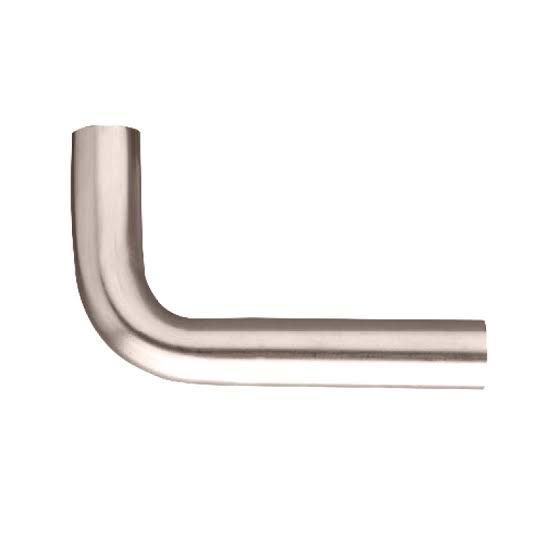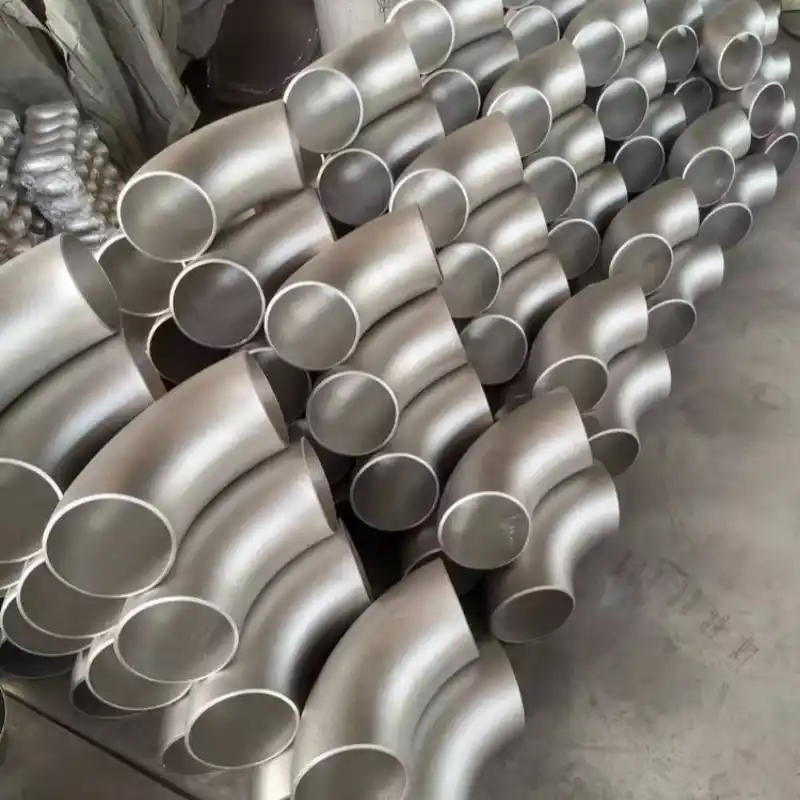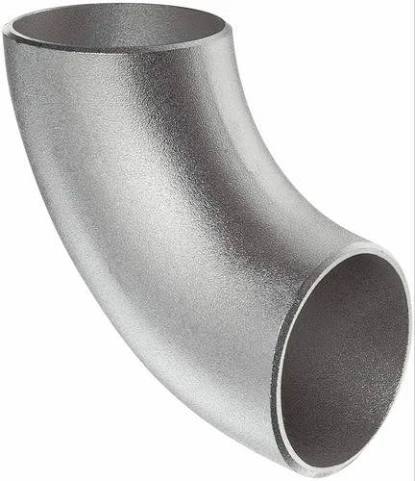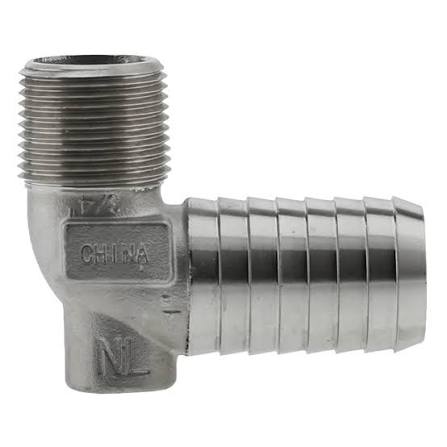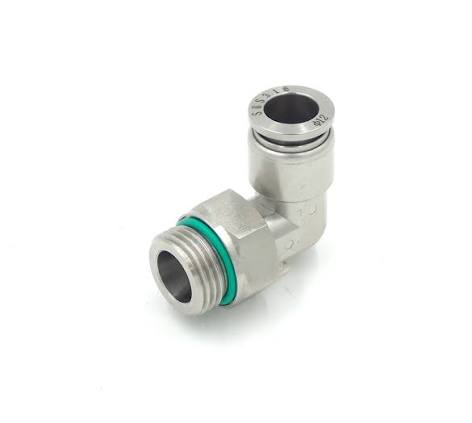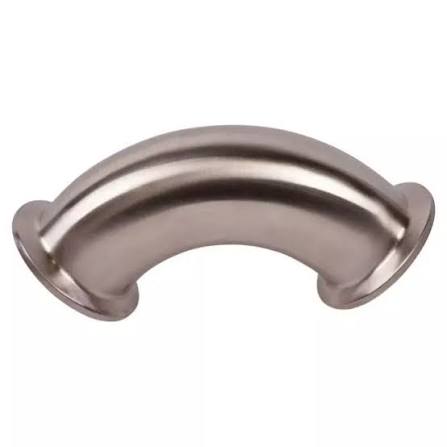
Cleaning a clogged pipe elbow is a common challenge in daily home life. According to data from Plumbing Systems & Design journal, about 90% of residential drainage blockages occur at elbows or corners. Elbows are typically 45 or 90 degrees, where hair, grease, and debris easily accumulate, leading to slow water flow or even complete blockage.
✅Based on the professional experience of AIFN Pipe Fittings Company, this article details how to clean out clogged pipe elbow and how to clean elbow pipe joint, helping you restore pipeline smoothness.
✅First, prepare basic tools: rubber gloves, a bucket, a plumbing snake, baking soda, white vinegar, and hot water. For mild blockages, an effective clogged pipe elbow solution can be used: pour half a cup (about 120g) of baking soda into the elbow, followed by half a cup (about 120ml) of white vinegar. Seal the opening with a wet cloth and let it sit for 15 minutes.
✅During this process, the acid-base reaction produces carbon dioxide bubbles that break down organic matter. Then rinse with boiling water at about 85°C. Data shows this method can remove about 80% of grease-based blockages, but has limited effect on hard deposits.
✅If the blockage is severe, mechanical cleaning is required. Before disassembling the elbow joint, be sure to shut off the upstream valve. Insert the plumbing snake from the outlet end of the elbow, turning it clockwise and pushing forward until you feel it pass through the blockage.
✅Pull back and forth several times to bring out debris. This is the standard procedure for elbow pipe joint cleaning and is suitable for drain pipes with diameters from 1.5 inches to 4 inches. For stubborn calcified deposits (common in hard water areas), a drain elbow blockage removal tool is recommended—a flexible shaft with a spiral head that can reach into the inner wall of the elbow to rotate and cut. According to ASME A112.14.6 standards, such tools can remove over 95% of mineral scale.
📝Professional tip:
PVC elbows have a temperature tolerance not exceeding 60°C; be careful with hot water temperature to avoid deformation. Metal elbows (such as galvanized steel) may rust inside, worsening blockages; it is recommended to clean them every six months. During installation, ensure the inner wall of the elbow is smooth to reduce resistance. If blockages occur frequently, consider replacing with a long-radius elbow, which has 30% lower flow resistance than standard short-radius elbows and is less likely to catch debris.
➡️Following the methods above, you can effectively clean blockages. If the problem persists, please contact a professional plumber or visit the AIFN website to obtain high-quality fittings that are ISO 9001 certified.