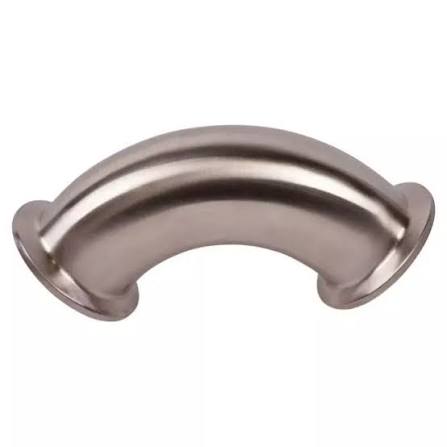
Are there elbow models?
In municipal engineering such as district heating, rainwater drainage and sewage trunk pipelines, pipeline direction changes are inevitable. The answer is yes: a full range of elbow models are available, covering standard direction turns to large-angle return bends.
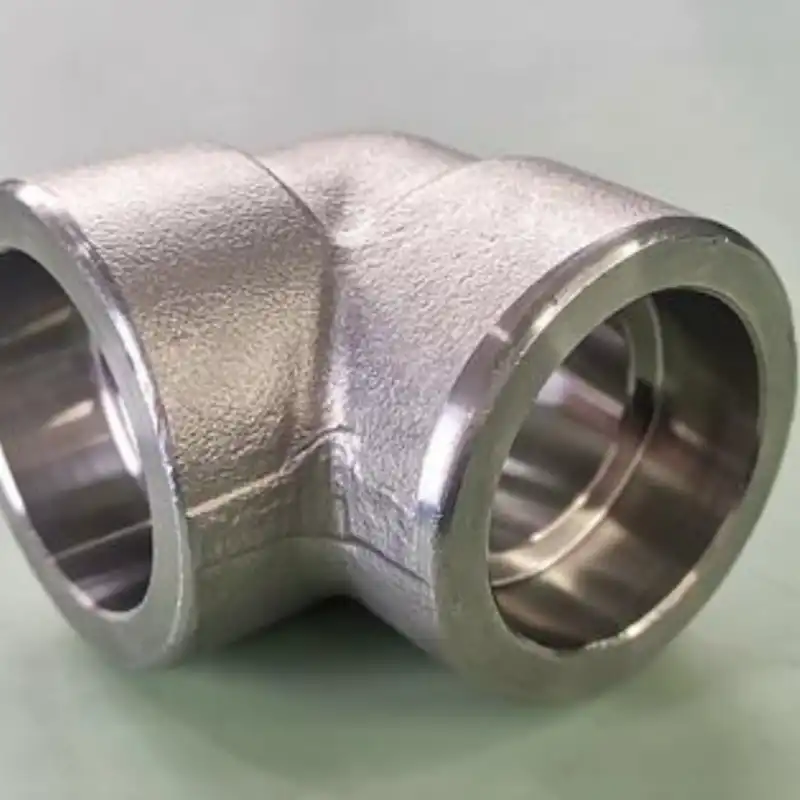
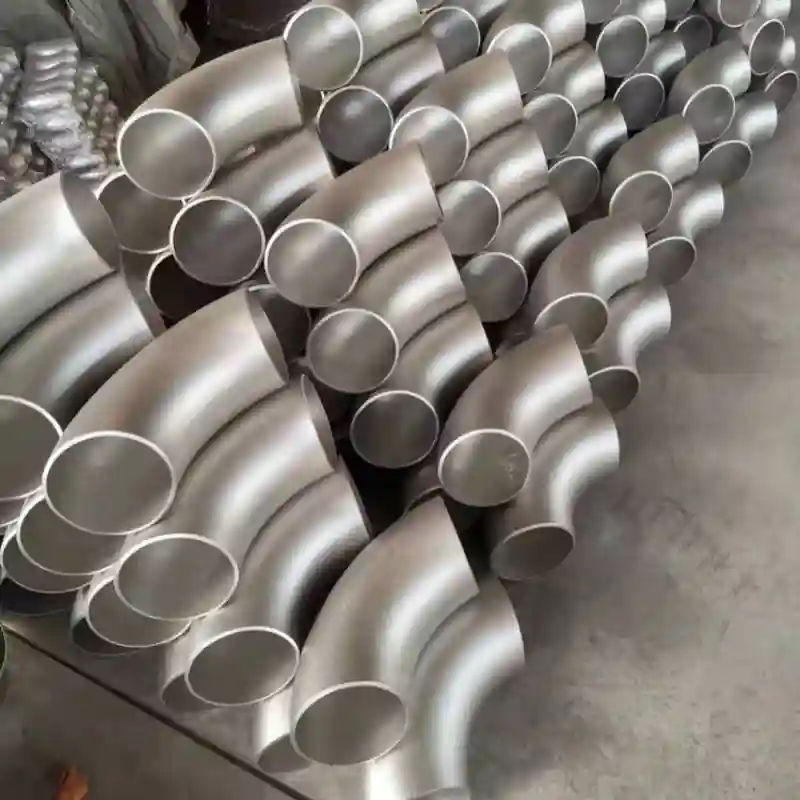
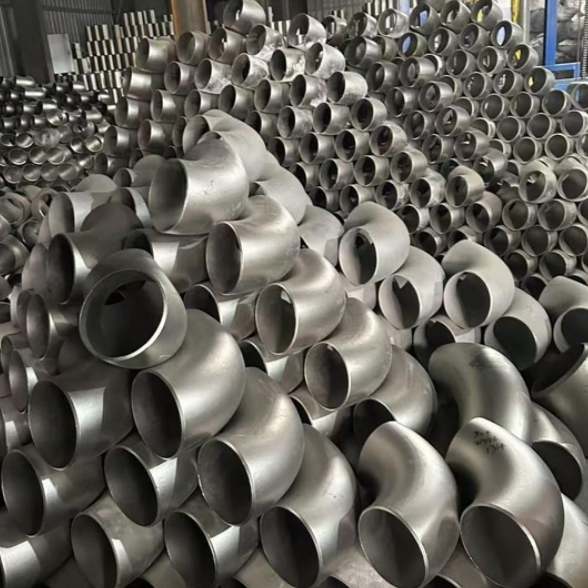
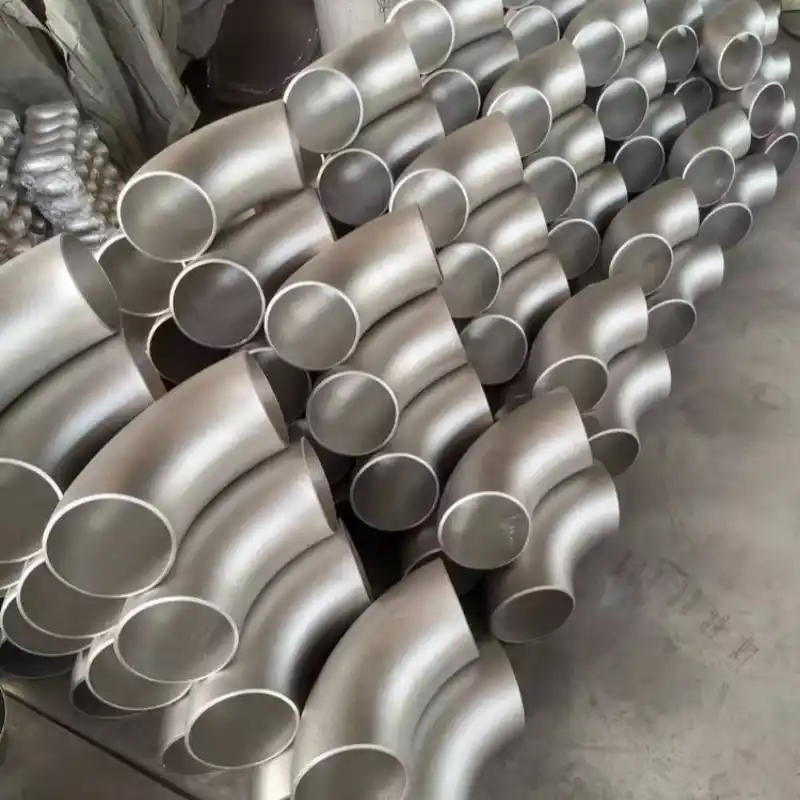
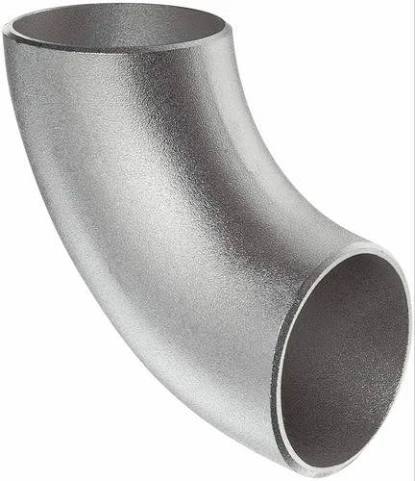
Typical products include welding elbow 90°, long radius elbow pipe 45 degree, and 180 degree pipe bend for reverse flow diversion.
Taking a DN500 water supply branch pipe with a design pressure of 1.6MPa as an example, the adoption of welding elbow 90° (complying with ASME B16.9, wall thickness SCH40) can realize vertical branching of the main pipeline.
If a gentler pressure transition is required, long radius elbow pipe 45 degree (R=1.5D) is the optimal choice. Its local resistance coefficient is only 0.2, reducing head loss by approximately 40% compared with short-radius elbows.
In compensator sections of heating pipe networks or inverted siphon structures, 180 degree pipe bend (bending radius ≥5D) can effectively reduce sedimentation risks and absorb thermal expansion stress.
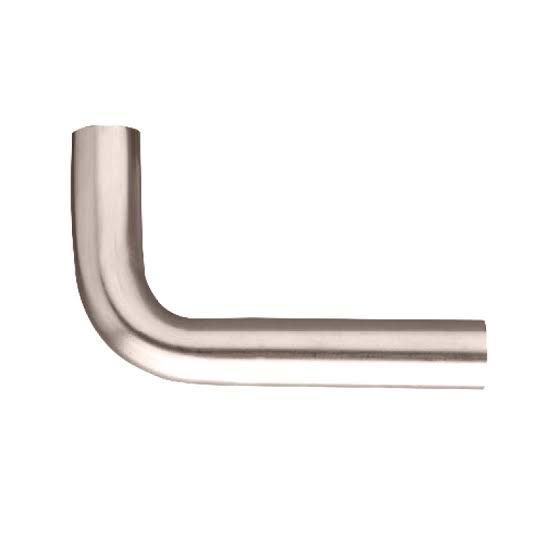
In addition, welding pipe 90 degrees is commonly applied at pump station outlets or pipeline sections crossing obstacles. It features a similar structure to the aforementioned 90° welding elbow and is suitable for butt joint scenarios with thicker pipe walls.
FAQ 1: High energy consumption caused by multiple 90° elbows adopted in municipal rainwater pump stations, how to solve it?
Solution: Prioritize using two long radius elbow pipe 45 degree in series to replace a single welding elbow 90°. According to data from Hydraulic Institute Standards, two series-connected 45° long radius elbows can reduce the turbulent flow area by about 55%, limiting the total head loss of the pump station to within 4%. It is recommended to verify the elbow spacing (at least 5 times the pipe diameter) via CFD simulation during design.
FAQ 2: Frequent blockages occur after installing 180 degree pipe bend in sewage pipelines, what is the countermeasure?
Solution: Avoid sharp-bend 180° pipe bends with R=1.5D, and adopt slow-bend types with R≥5D instead. Set up dredging and inspection openings at the lowest point of the bend.
Actual monitoring data (refer to Water Environment Research Vol.95, 2023) shows that when the bending radius increases from 1.5D to 5D, the passing rate of suspended solid pollutants rises from 48% to 92%. Meanwhile, the butt welds of welding pipe 90 degrees shall be inspected by 100% radiographic testing in accordance with the NB/T 47013 standard to prevent corrosion and leakage.
In conclusion, complete elbow models ranging from 45° to 180° are available for municipal engineering. Reasonable selection combining pressure classes (such as CLASS 150/300), curvature radius and flaw detection requirements enables efficient and reliable pipe network design.