How to Fix Copper Pipe Elbow Leak
Copper pipe elbow joints are widely used in building water supply and drainage, HVAC, as well as Electric Power & Energy fields due to excellent corrosion resistance and thermal conductivity — for instance, cooling water circulation systems, turbine lubricating oil pipelines, and instrument compressed air pipelines in power plants.
However, long-term thermal cycling, electrochemical corrosion or installation stress may cause leakage at the elbow position. Combined with ASME B16.22 standards and AWS welding specifications, this article provides a professional leakage repair procedure, focusing on pinhole leakage, standard elbow replacement, and special requirements for power industry scenarios.
1. Leakage Causes and Diagnosis
Copper pipe elbow leakage mostly occurs at weld seams or wall thinning areas. According to ASTM B88 standard, the wall thickness of commonly used Type L copper pipe is 0.040 inch (1/2 inch pipe diameter) with a working pressure up to 200 psi (the pressure will decrease under saturated steam conditions). Once pitting depth exceeds 30% of the pipe wall thickness, micropores are likely to form.
For fix pinhole leak copper pipe elbow, first wipe the surface clean with a dry cloth to confirm whether the leakage point is located at the arc section or joint interface. In the power industry, if the elbow is used for transformer oil cooling pipelines, it is also necessary to detect moisture or acid value in the oil, as corrosive media will accelerate perforation.
2. Essential Tools and Material Selection Parameters
Cutting and Preparation: Hinged pipe cutter (burr-free cutting edge), deburring tool, 120-grit emery cloth.
Welding System: Propane torch (flame temperature about 1980°F / 1080°C, control heating range), lead-free solder (Sn96.5/Ag3.5, liquidus point 430°F), water-soluble flux (active temperature range 600-800°F).
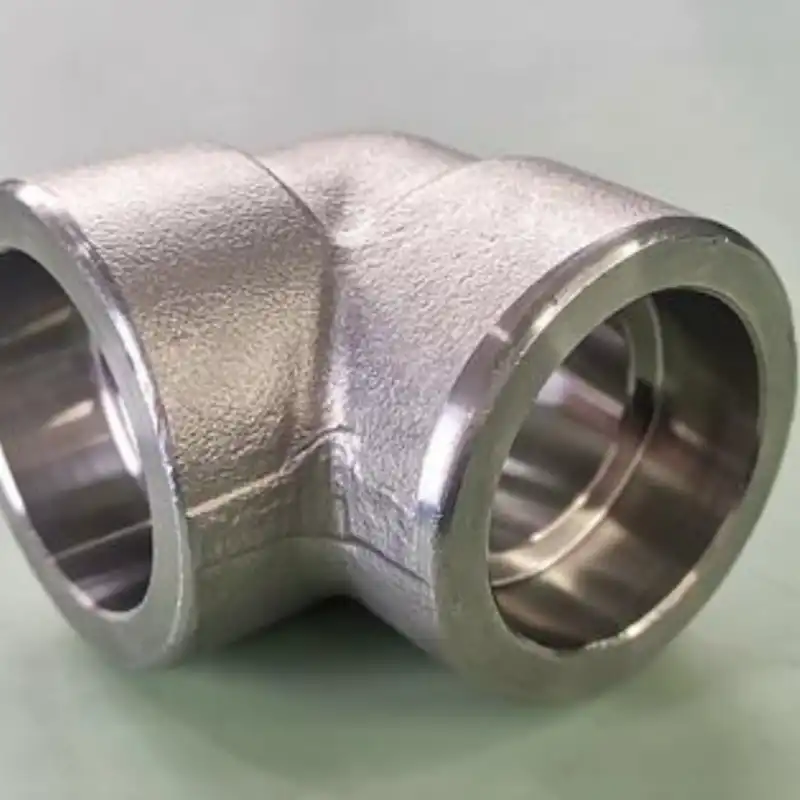
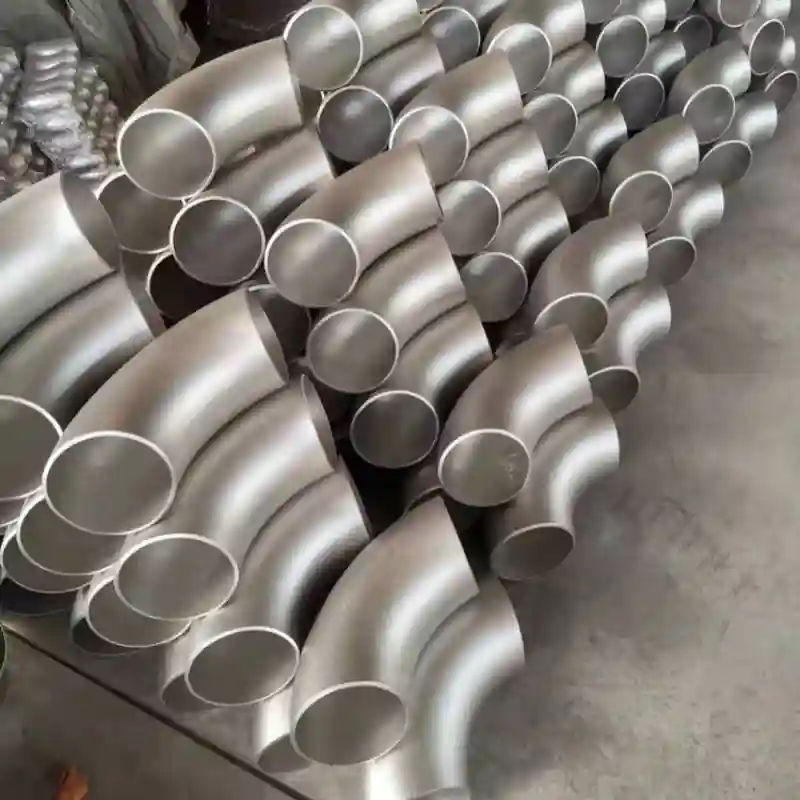
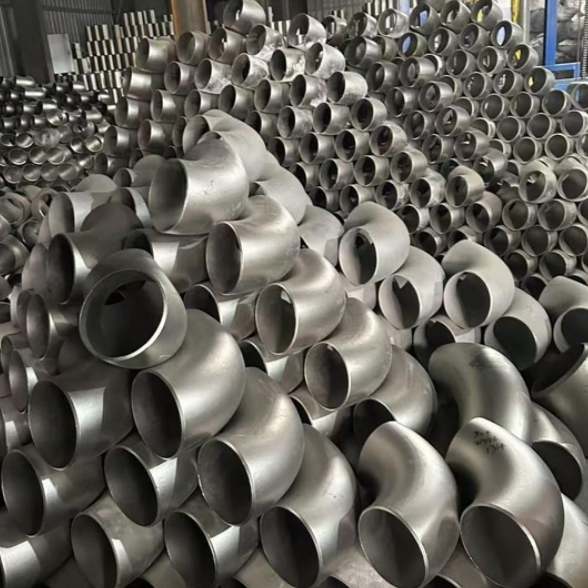
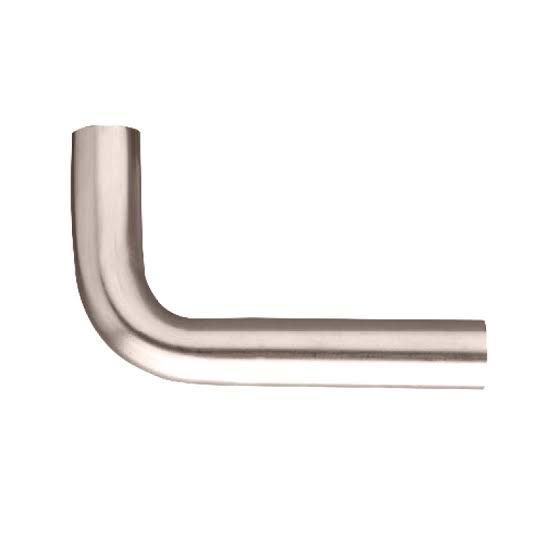
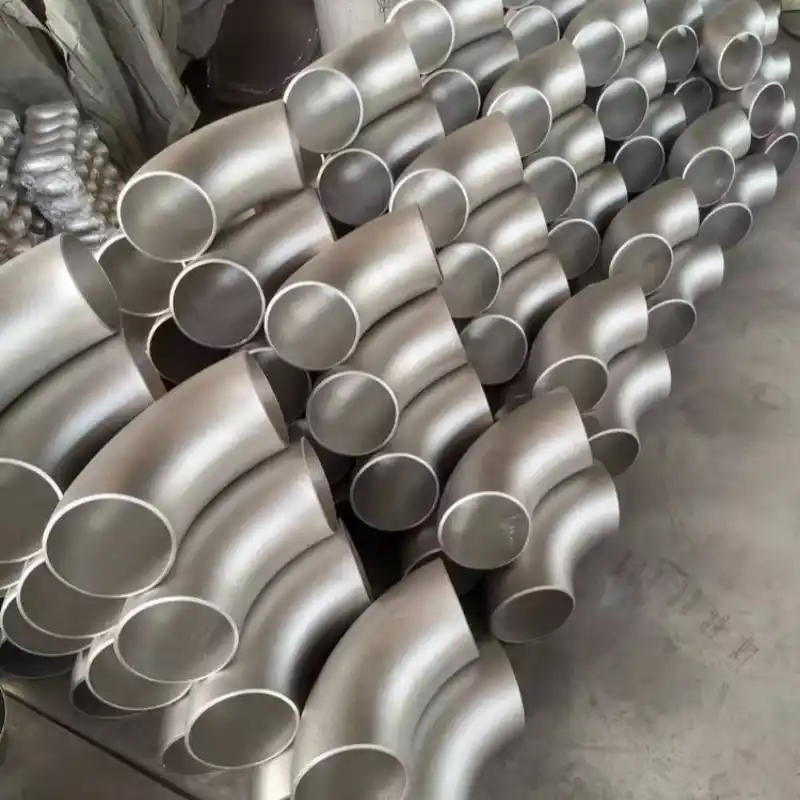
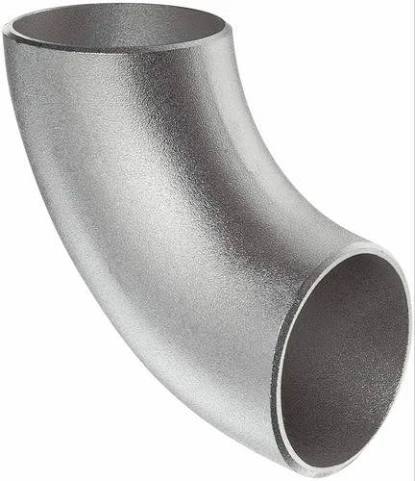
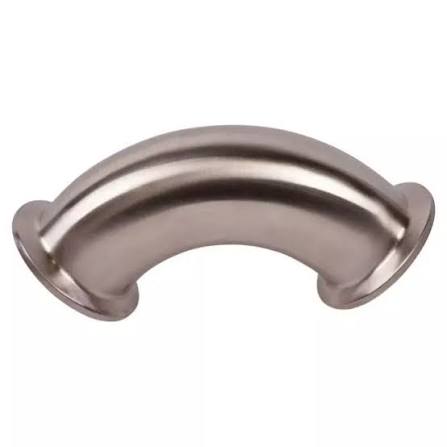
Replacement Elbow: Adopt elbow copper pipe fittings complying with ASME B16.22. Confirm the nominal diameter (e.g., DN15 corresponds to 1/2 inch) and angle. The common 90 degree copper pipe elbow is used for right-angle turning; when space is limited or it is necessary to bypass pipe bundles, 180 degree copper elbow pipe fitting (commonly known as U-bend) can be adopted, whose center radius is usually 3 times the pipe diameter.
All copper fittings shall keep original factory labels to ensure the alloy grade is C12200 (phosphorus deoxidized copper), so as to tolerate trace chloride ions in circulating water of power plants.
3. Standard Repair Procedure (Welding Replacement Method)
This method is applicable for repair under non-pressure conditions, requiring no residual moisture inside the pipe inner diameter.
Step 1: Isolation and Drainage
Close the upstream valve and open the downstream vent. If the system is an auxiliary cooling circuit of a power station, confirm the pipeline pressure drops to 0 psi, and lock and close the electric isolation valve.
Step 2: Cut off the Damaged Section
Cut the copper pipe at least 2 inches away from both sides of the leaking elbow. Rotate and tighten the pipe cutter, feed once per quarter turn to avoid extrusion deformation. After removing the damaged elbow, polish the outer wall of both pipe ends to metallic luster with emery cloth (polishing length about 1 inch).
Step 3: Install New Elbow
Select the angle according to the on-site pipeline route:
Adopt 90 degree copper pipe elbow if a 90° flow direction change is needed.
Adopt 180 degree copper elbow pipe fitting if 180° reverse turn is required (e.g., condensate collection circuit in steam tracing pipelines).
Apply flux evenly on the outer wall of the pipe nozzle and inner wall of the elbow socket, insert to the marking line at the bottom of the socket (insertion depth generally 3/8 inch). Wipe off excess flux.
Step 4: Brazing Operation
Adjust the flame to reducing flame (blue inner flame length 1/2 inch), and heat the elbow socket area evenly. When the surface temperature reaches approximately 750°F, contact the solder with the joint gap — the heat is sufficient to melt the solder and draw it in by capillary action. For pipe diameter below 1 inch, the solder consumption is about 1/2 inch long welding rod. Cool naturally and clean residual flux with a wet cloth.
Step 5: Pressure Test
Repressurize to 1.5 times the system working pressure (e.g., original working pressure 120 psi, test pressure 180 psi) and hold pressure for 15 minutes. Inspect the copper pipe elbow joint interface with an electronic leak detector or soapy water; no bubbles indicate qualification. For instrument air pipelines in nuclear power or thermal power plants, nitrogen purging and dew point test (below -40°F) are also required.
4. Emergency and Permanent Repair for Pinhole Leakage
If the leakage is only a pinhole with diameter ≤1/16 inch and the overall structure of the elbow is not deformed, the drilling and repair welding method can be adopted: gently expand the pinhole with a 1/8 inch drill bit to remove sharp edges, then fill solder according to the above brazing process.
However, the industry journal Welding Journal has pointed out that the repair welding area may cause softening in the heat-affected zone. Therefore, in vibration environments, the best practice to fix pinhole leak copper pipe elbow is still to replace the elbow as a whole. Power enterprises keep standard 90° and 180° elbow spare parts in stock to reduce downtime.
5. Special Precautions for Electric Power & Energy Industry
In gas turbine combined cycle power plants, copper pipe elbows are commonly used on the seawater side pipelines of lube oil coolers. Seawater will accelerate erosion of copper-nickel alloys, while ordinary elbow copper pipe fittings need additional anti-corrosion coating or increased wall thickness margin (e.g., adopt Type K with wall thickness 0.049 inch).
During repair, lead-containing solder is strictly prohibited (violating ROHS standards and increasing the risk of stress corrosion cracking). In addition, if the system involves high-temperature and high-pressure steam (exceeding 250 psi), soft brazing shall be avoided; silver-based hard brazing (temperature above 1200°F) or threaded brass elbows shall be adopted directly.
Furthermore, in high-radiation areas of nuclear power plants, neutron activation products of copper materials may become radioactive source terms. Hence, repair work needs to evaluate the dose rate of the area where the elbow is located in advance, and protective equipment must be worn.
6. Conclusion and Prevention Suggestions
Mastering the repair methods for copper pipe elbow leakage, selecting the correct 90 degree copper pipe elbow or 180 degree copper elbow pipe fitting, and adopting standardized welding parameters (such as preheating temperature 350°F and cooling rate no more than 50°F/min) can significantly extend the service life of the system.
For engineers in the Electric Power & Energy industry, it is recommended to conduct infrared thermal imaging inspection every 18 months to detect abnormal temperature differences at elbows in a timely manner (usually a temperature difference over 20°F indicates inner wall corrosion or wall thinning). All maintenance records shall include elbow material batch number, solder type and test pressure to meet the traceability requirements of ASME PCC-2 standard.
By following the above professional procedures, you can not only quickly solve dripping problems, but also ensure the safe operation of the entire pipeline system under critical working conditions — whether it is domestic hot water circulation or cooling networks of megawatt-level power generation facilities。