1 1/2″ Stainless Steel Threaded 90° Elbow: Full Analysis of Dimensions, Pressure Rating and Corrosion Resistance
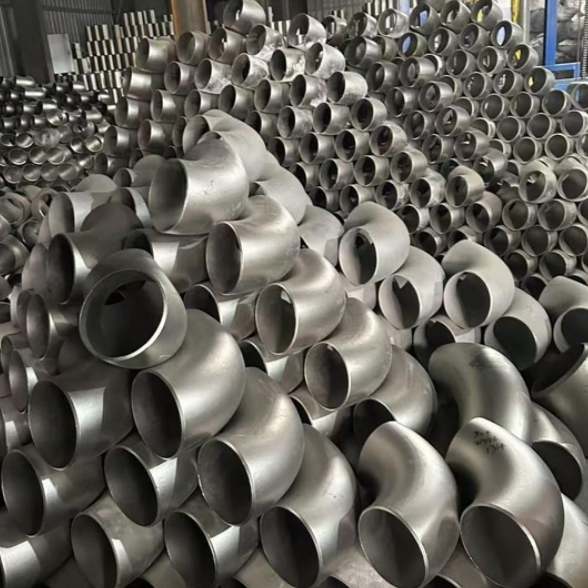
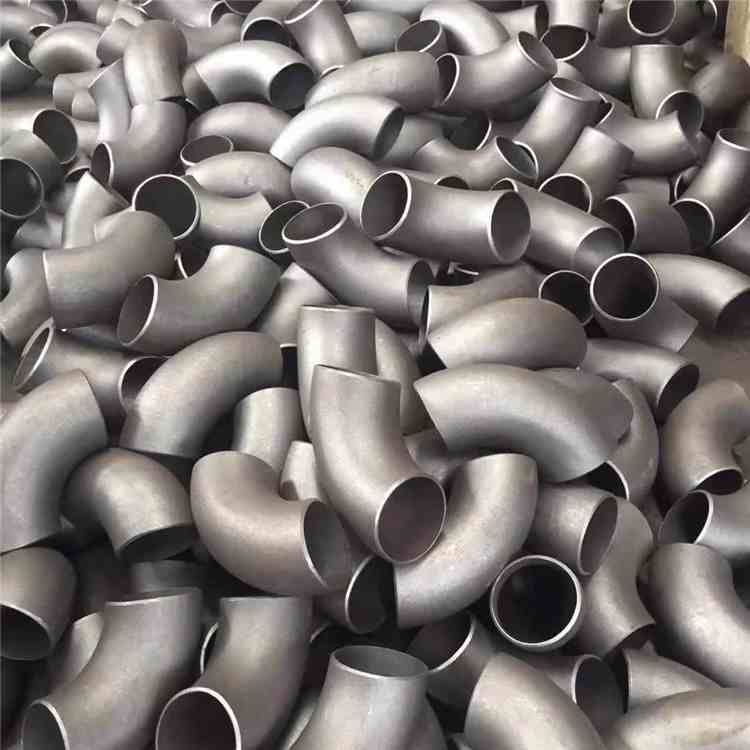
✔️In industrial piping systems, the 1 1/2″ stainless 90 degree elbow threaded serves as a component to change the flow direction of media. Compared with welded elbows, threaded connections allow quick assembly and disassembly without professional welders, making them particularly suitable for low to medium pressure oil & gas, chemical and food sanitary pipelines.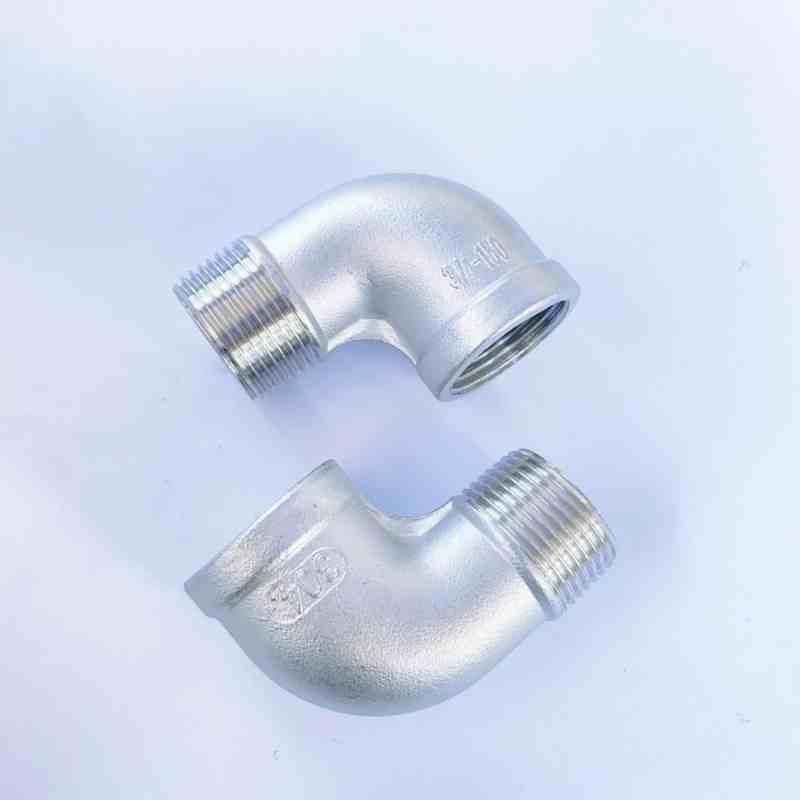
1. Exact Dimensions and Thread Standards
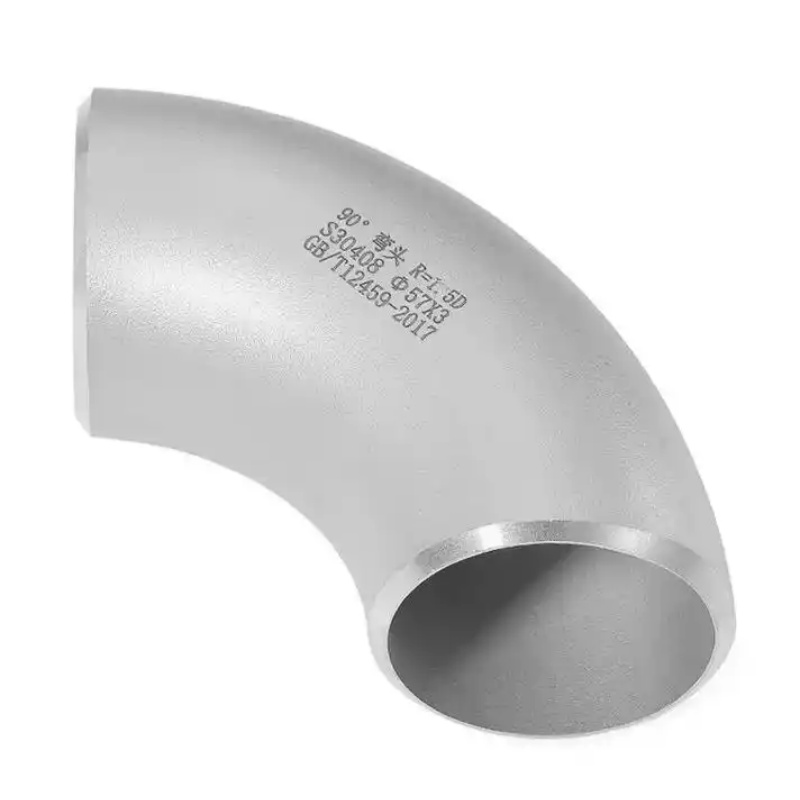
✅Its core specification: Nominal diameter 1.5 inches (DN40). The standard center-to-end dimension (Dimension A) of the long radius type is 57.15 mm. Threads must fully comply with NPT (American National Standard Taper Pipe Thread) or BSPT standards, with a taper ratio of 1:16 and a thread angle of 60°.
✅Tolerance control for stainless steel threaded elbow dimensions is critical. For instance, the maximum cumulative pitch error within the effective length of 1.5-inch NPT thread is limited to ±0.05 mm. Excessive deviation will cause leakage or over-tight assembly.
✅Common materials are 304 (1.4301) and 316 (1.4401) stainless steel. Taking 316L as an example, its molybdenum content ranges from 2.5% to 3.0%. In chloride-containing environments such as seawater cooling pipelines, its Pitting Resistance Equivalent (PRE) reaches 32, much higher than 19 of 304 stainless steel. The excellent 1.5 inch pipe fitting corrosion resistance makes it a preferred choice for pharmaceutical and marine engineering projects.
2. Pressure-Temperature Ratings and Safety Margin
✅In accordance with ASME B16.11 standard, the 1 1/2″ stainless steel threaded elbow of Class 3000 has a maximum working pressure of 20.7 MPa (approximately 3000 psi) at ambient temperature from -29°C to 38°C. When the temperature rises to 400°C, the allowable pressure drops linearly to around 8.5 MPa. A safety factor of no less than 15% is recommended for practical engineering applications.
✅Additionally, the NPT 90 degree elbow pressure rating is affected by sealants. Thread seal tape made of PTFE can withstand about 12% higher pulsating pressure than liquid thread sealant.
3. Installation Guidelines and Common Failure Modes
✔️Over-tightening is the primary risk for threaded connections. The optimal thread engagement for 1.5-inch NPT thread is 6 to 7 turns, and the tightening torque shall be controlled between 70 N·m and 90 N·m (verified with a torque wrench). Exceeding this range may generate micro-cracks at the elbow shoulder, especially on cast stainless steel products. It is also recommended to apply anti-seize compound on threads to prevent galling (cold welding) between mating 304 stainless steel components.
4. Typical Application Scenarios
- Oil and Gas: Applied to branch connections of instrument piping, replacing welded joints for easy maintenance.
- Food and Beverage: 304/316 stainless steel paired with threaded to clamp adapters delivers good acid resistance for CIP cleaning systems.
- Marine Systems: 316L stainless steel with additional passivation treatment is specified to resist seawater corrosion.
✔️When selecting a qualified 1 1/2″ stainless 90 degree elbow threaded, always verify the thread standard, pressure class and Material Test Certificate (MTC). By checking the two key indicators of stainless steel threaded elbow dimensions and NPT 90 degree elbow pressure rating, you can effectively reduce leakage risks and extend the service life of the piping system.