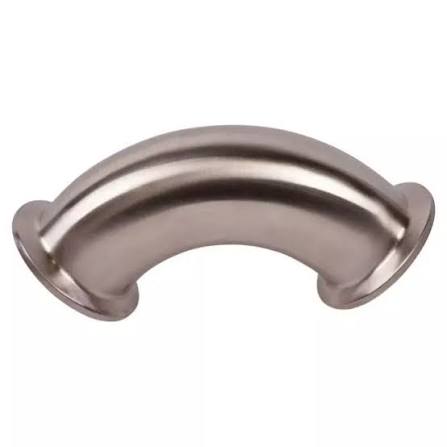
1-Inch 90-Degree Stainless Steel Bolted Elbow: Specifications, Torque, and Application Details
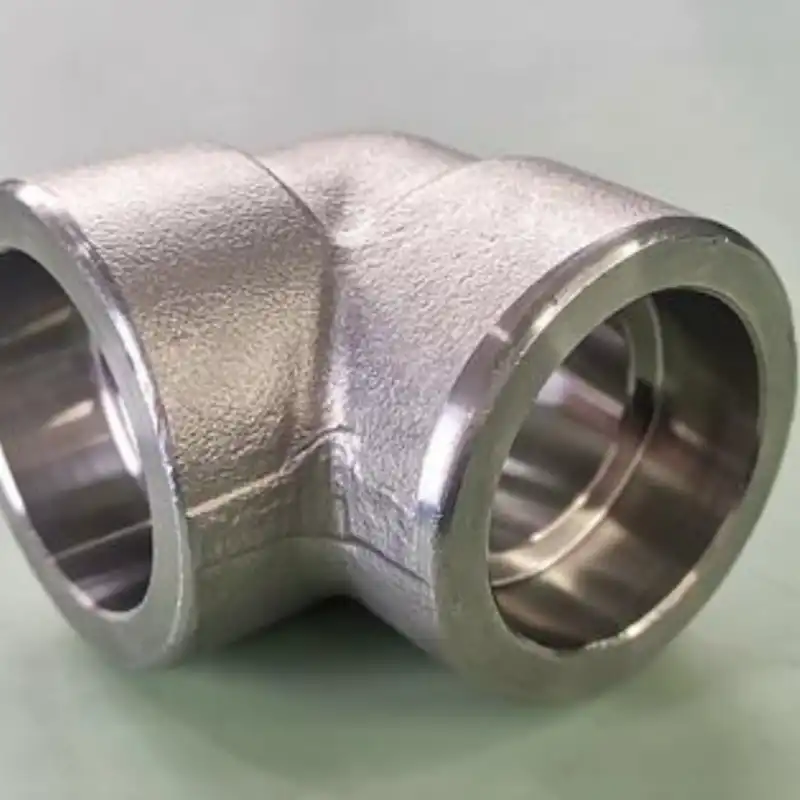
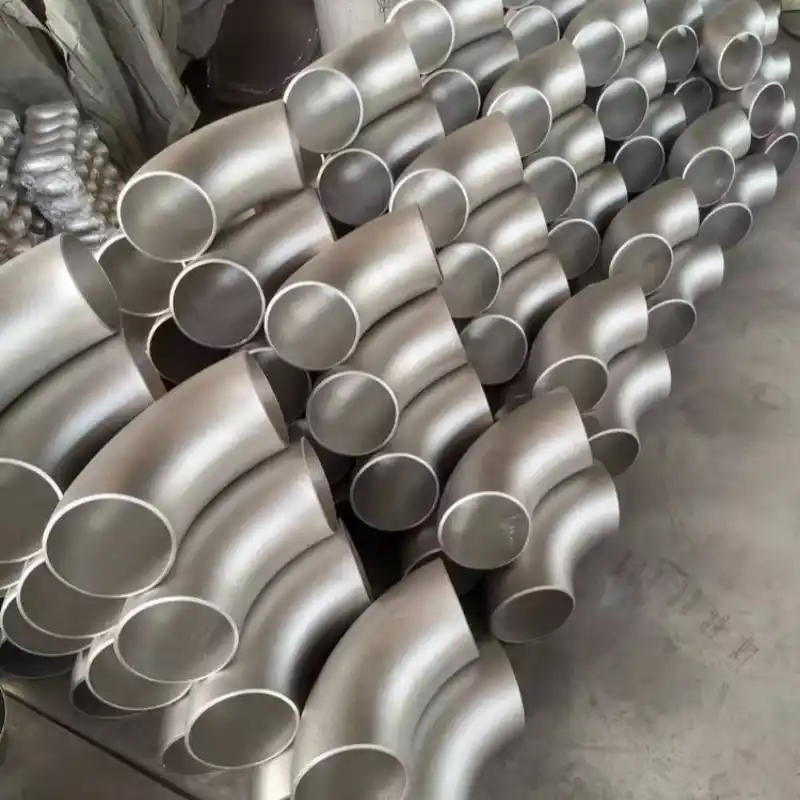
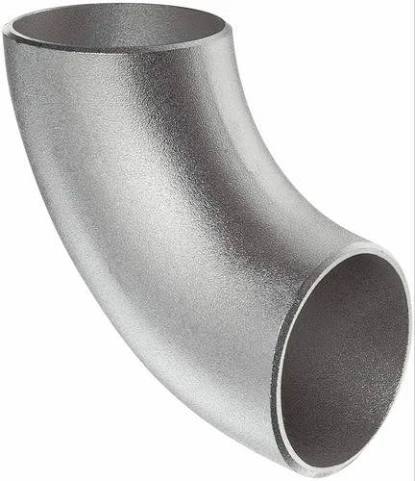
✔️ In industrial piping systems, the 1-inch 90-degree stainless steel elbow is a common component for changing flow direction. When designed with bolted connections, it not only facilitates disassembly for maintenance but also provides reliable sealing performance under high-pressure conditions. Based on ASME B16.9 and ASTM A403 standards, this article provides an in-depth analysis of the technical details of this “bolted 1-inch 90-degree stainless steel elbow.”
Key Dimensions and Material Parameters
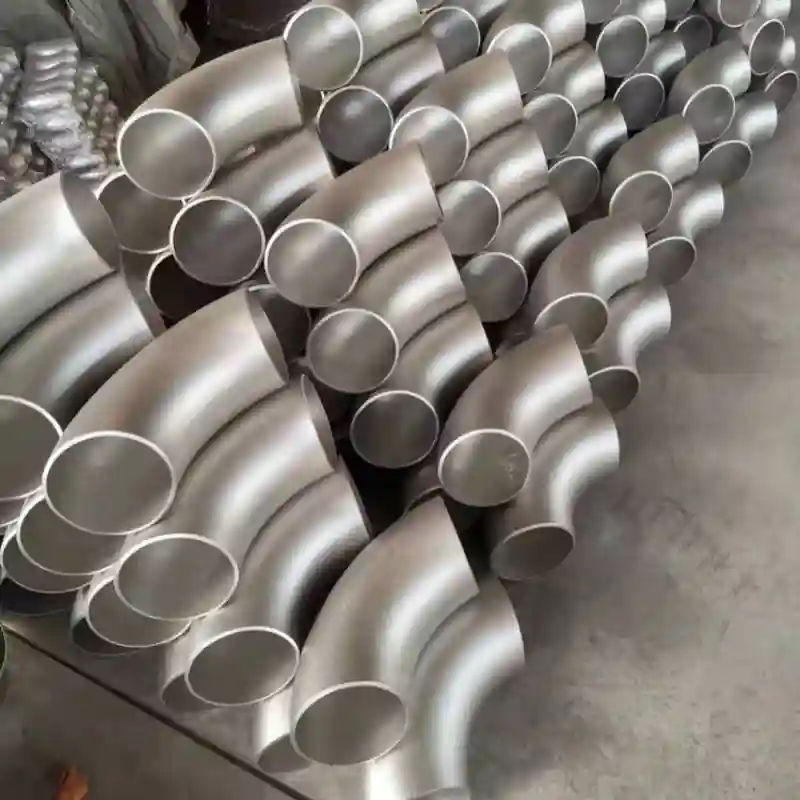
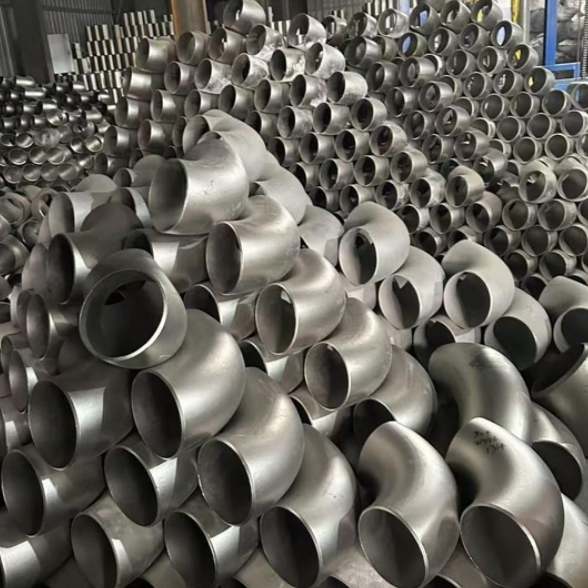
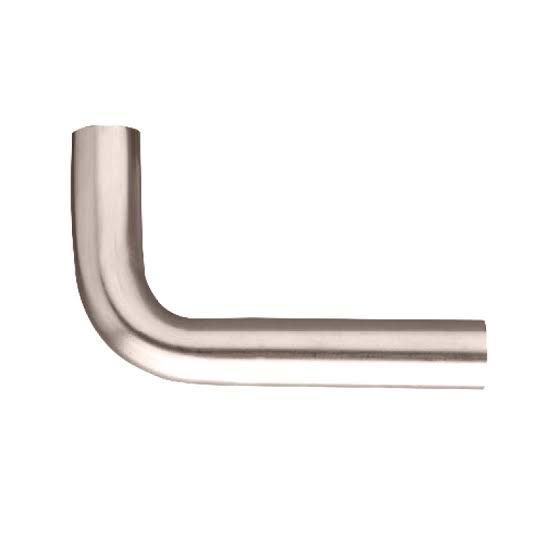
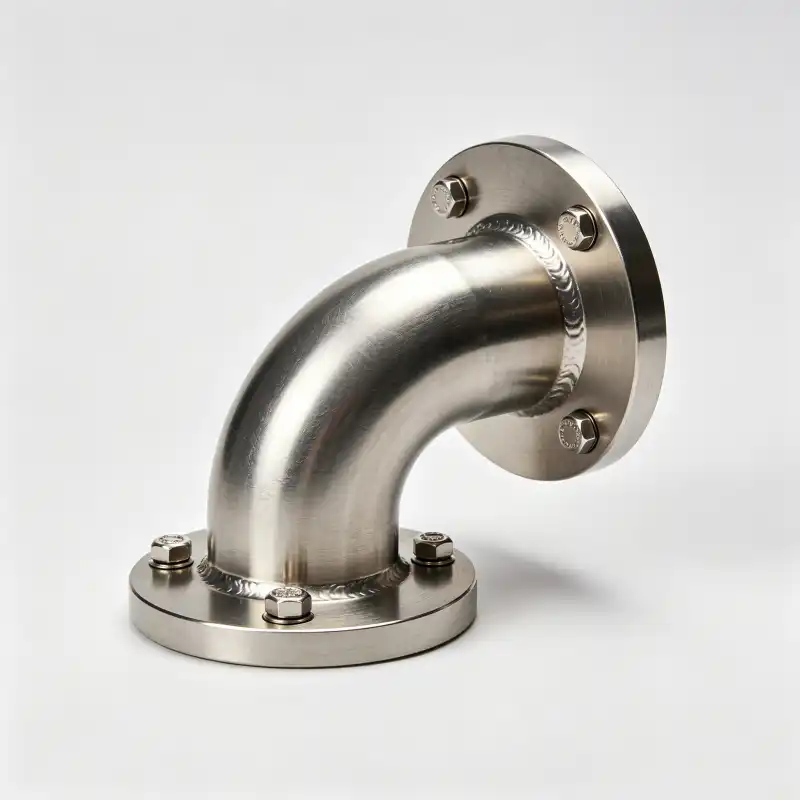
✔️ The bolted stainless steel elbow dimensions strictly follow the long radius (LR) design, with center-to-end distance R = 1.5D, i.e., 38.1 mm (1.5 × 25.4 mm). Wall thickness typically corresponds to Sch40 (2.77 mm) or Sch80 (3.73 mm), capable of withstanding a maximum working pressure of 1500 PSI (approx. 10.3 MPa), suitable for 304 or 316 stainless steel materials. Among these, the 316L grade, due to the addition of molybdenum, offers about 30% higher resistance to chloride ion corrosion, making it the preferred choice for marine or chemical environments.
Bolt Torque Requirements
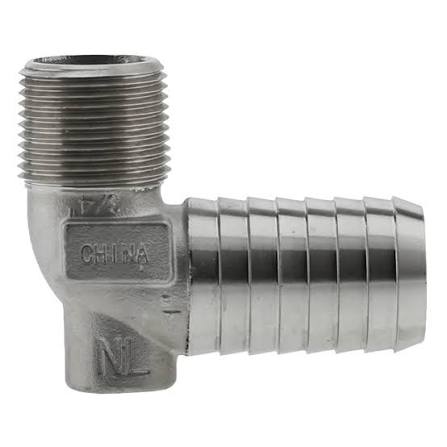
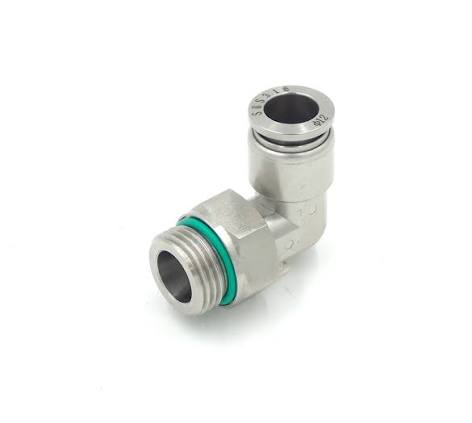
✔️ Unlike conventional welded elbows, this product is fastened using two flanged lugs combined with high-strength bolts. During installation, the 1-inch 90° elbow bolt torque must be strictly controlled: it is recommended to use 1/2 inch-13 UNC stainless steel bolts, with a preload torque of 45~55 N·m per bolt. Too low a torque can lead to joint leakage, while too high a torque may damage the sealing gasket or cause flange deformation. A diagonal, stepwise tightening method is recommended, followed by re-tightening after 24 hours of operation.
Typical Applications and Advantages
✔️ This stainless 304 bolted elbow is particularly suitable for piping loops that require regular disassembly and inspection, such as food-grade CIP cleaning systems, low-pressure steam tracing lines, or hydraulic test benches. Compared to butt-weld elbows, the bolted design can reduce maintenance time by more than 60%, and no hot work is required. According to the Piping Components Handbook (8th Edition), under low-vibration, normal-temperature conditions, this connection type can achieve a service life of over 10 years.
Installation Precautions
✔️ Before assembly, inspect the integrity of the sealing gasket (flexible graphite or PTFE is recommended) and ensure that anti-seize compound is applied to the bolt threads. After installation, a hydrostatic pressure test shall be conducted at a test pressure of 1.5 times the working pressure, with no pressure drop for 15 minutes.
📌For detailed dimensional drawings or torque calculation tables, please contact the technical team of AIFN Pipe Fittings – we are dedicated to providing high-quality piping connection solutions that meet ASTM/ASME standards.