How to Select High-Quality Stainless Steel Tubing Suppliers and Ensure Fitting Compatibility
In industrial fields such as process control, petrochemical, and food & pharmaceutical manufacturing, the quality of stainless steel tubing directly impacts the operational safety and maintenance costs of the entire piping system. Many procurement professionals tend to focus too much on the unit price of tubing, while overlooking critical factors such as standard compliance, fitting compatibility, and bending precision.
Core Threshold for Supplier Selection: Understanding ASTM A213 vs. ASTM A269
Stainless steel tubing manufacturing is not simply “having tubes available.” Taking ASTM standards as an example, there are significant differences in inspection rigor between ASTM A213 and ASTM A269.
-
ASTM A213 is designed for high-pressure environments such as boilers, superheaters, and heat exchangers. Each tube must undergo hydrostatic testing and non-destructive electrical testing (e.g., eddy current testing), achieving virtually 100% individual tube inspection.
-
ASTM A269 is suitable for applications requiring corrosion resistance and oxidation resistance, but its inspection is based on batch sampling. Mechanical tests are performed only once per 500 tubes or 5,000 feet, resulting in relatively lower inspection coverage.
Procurement personnel should make judgments based on actual operating conditions: high-pressure and high-temperature equipment should use tubing conforming to ASTM A213; general instrument air lines or lines for mildly corrosive media can use ASTM A269 tubing. Professional suppliers maintain inventory meeting both standards and can provide material test certificates.
Key Parameters: Outside Diameter, Wall Thickness, and Schedule
✔️Tube dimensional parameters directly affect flow velocity and pressure rating. The international market commonly uses NPS (Nominal Pipe Size) and schedule to express tube specifications. For example, NPS 2 tube has an actual outside diameter of 60.3 mm (2.375 inches), while NPS 4 has an OD of 114.3 mm (4.500 inches) — the NPS number does not equal the actual OD.
✔️The higher the schedule number, the thicker the wall. For stainless steel tubing, Schedule 5S and 10S are thin-wall tubes, suitable for weight-sensitive applications; Schedule 40S represents standard wall thickness; Schedule 80S is suitable for high-pressure applications. When the schedule increases from 5S to 80S, the outside diameter remains unchanged while the inside diameter decreases accordingly.
Engineering Essentials of 90 Degree Tubing Elbows and Stainless Steel Tubing Elbows
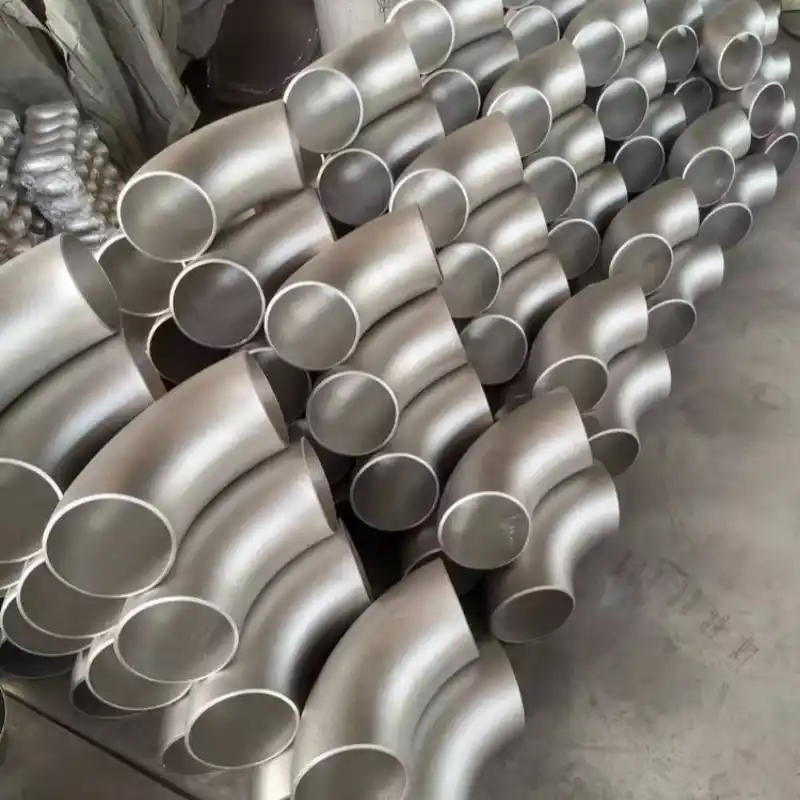
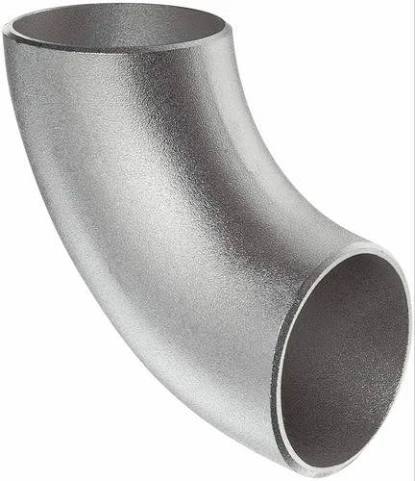
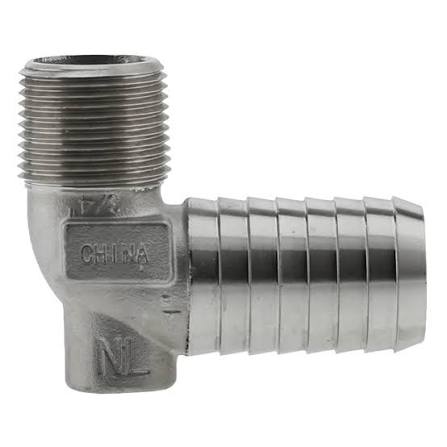
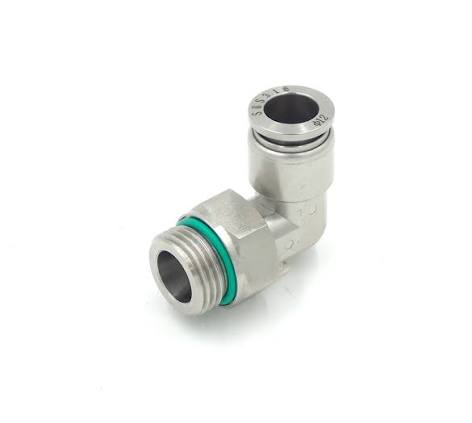
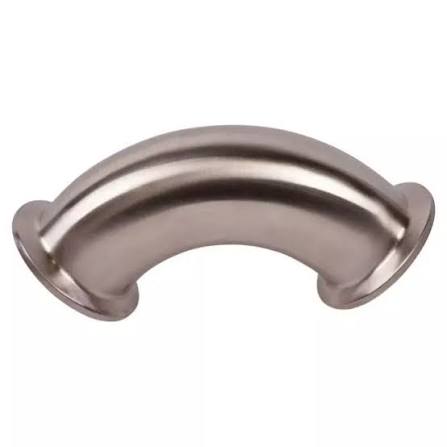
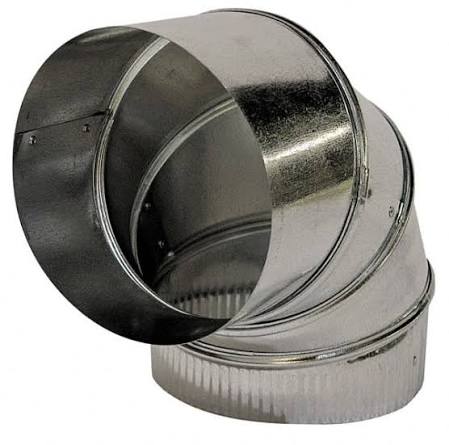
✔️Direction changes in piping systems rely on 90 degree tubing elbows. In engineering procurement, confusion often arises regarding the wall thickness labeling of stainless steel tubing elbows.
✔️Take a common size: 1.25-inch 304 stainless steel 90-degree tube elbow, with a wall thickness of 16GA/0.065 inches and a bend radius of 1.5D (i.e., bend radius = 1.5 × tube OD). For exhaust and high-temperature lines, some suppliers use Schedule 10S 316L stainless steel 90-degree elbows. An elbow with an OD of 114.3 mm (4.5 inches) weighs approximately 3.79 kg. When purchasing, buyers should request complete dimensional drawings, weight tables, and material test certificates from the supplier.
NACE Standards and Welding Requirements
✔️For sour service environments containing hydrogen sulfide (H₂S), such as oil and gas fields, tubing and welds must comply with NACE MR0175/ISO 15156-3. According to this standard, even when no filler metal is used for welding, weld hardness must be below 22 HRC. Professional suppliers possess automatic orbital welding capabilities and complete post-weld heat treatment solutions.
Special Requirements for Sanitary Tubing
✔️In dairy, food processing, and pharmaceutical industries, EHEDG (European Hygienic Engineering & Design Group) Guideline No. 35 provides clear specifications for sanitary welding. Only welds that ensure good sealing and corrosion resistance between tube sections and control components are recognized as acceptable sanitary weld beads. There are also strict technical specifications for the operation of GTAW/TIG (gas tungsten arc welding/tungsten inert gas welding).
Selection of Pipe Elbow Fittings Is a Systematic Engineering Task
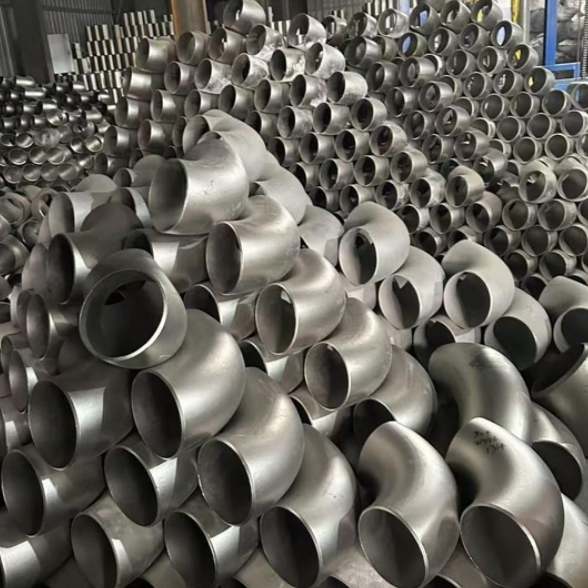
☑️While the quality of stainless steel tubing is important, the integrity and safety of a piping system also depend on the matching pipe elbow fittings. Whether 90 Degree Tubing elbows or Stainless Steel Tubing Elbows, they must conform to the same tolerance standards for outside diameter and schedule as the tubing.
☑️A reliable supplier typically maintains a complete product line that includes butt-weld elbows, seamless bent tubes, and pipe fittings, and can provide dimensional verification services in accordance with international standards such as ASME B16.9.
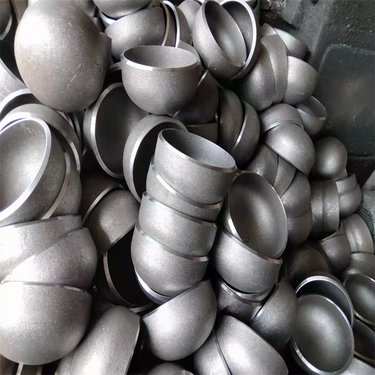
☑️From tubing to connectors — tees, reducers, and caps — only when the entire supply chain is integrated within a single factory can the purchasing party effectively control quality risks and reduce multi-party coordination costs.