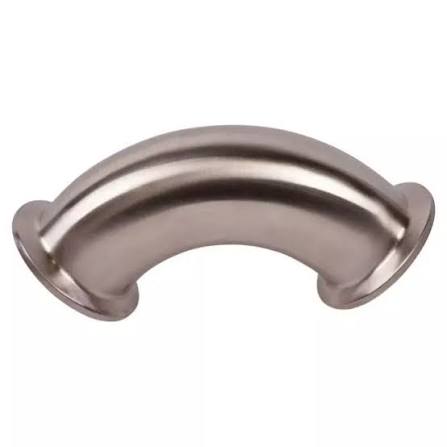
Comparison Guide: 304 Stainless Steel vs. 316 Stainless Steel – Elbow Material
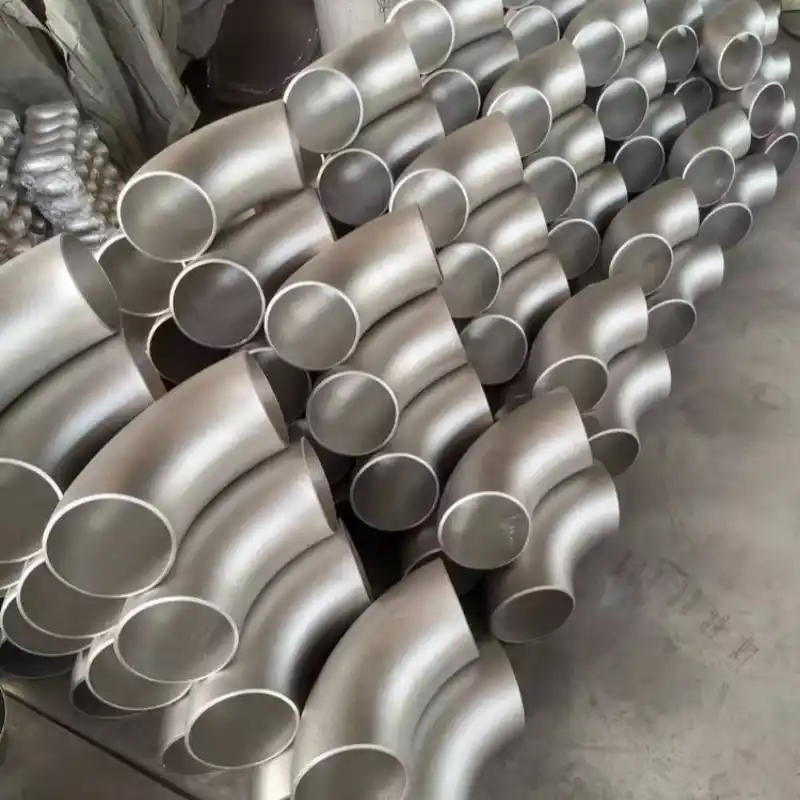
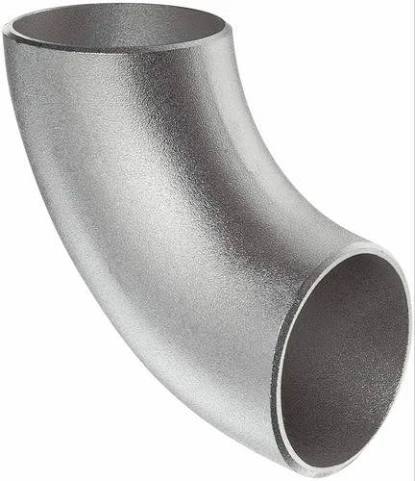
In piping systems, stainless steel elbows play a critical role in changing the direction of media flow. Choosing the wrong material can lead to pitting, crevice corrosion, or even stress cracking. This article provides an in-depth comparison from a materials science perspective between 304 stainless steel elbows and 316 stainless steel elbows, helping you make a precise decision.
Chemical Composition Determines Corrosion Resistance Grade
A typical 304 stainless steel elbow (elbow stainless steel 304) consists of 18% Cr and 8% Ni, with no molybdenum. In contrast, the 316 stainless steel elbow (316 stainless steel elbows) contains 2–3% molybdenum (Mo) – a minor change that dramatically alters performance in chloride-containing environments. According to ASTM A240, the PREN (pitting resistance equivalent number) of 304 is approximately 19, while the addition of molybdenum raises the PREN of 316 to above 25.
Mechanical Properties and Temperature Window
At room temperature, the mechanical properties of both materials are similar: tensile strength ≥515 MPa (304) and ≥520 MPa (316), with yield strength around 205–210 MPa. However, at elevated temperatures, 316 offers superior creep rupture strength, making it suitable for continuous service at 427–816°C. 304 is prone to chromium carbide precipitation (sensitization) in the 425–860°C range, potentially leading to intergranular corrosion after welding. Using low‑carbon grades (304L/316L) significantly reduces this risk.
Practical Application Boundaries
-
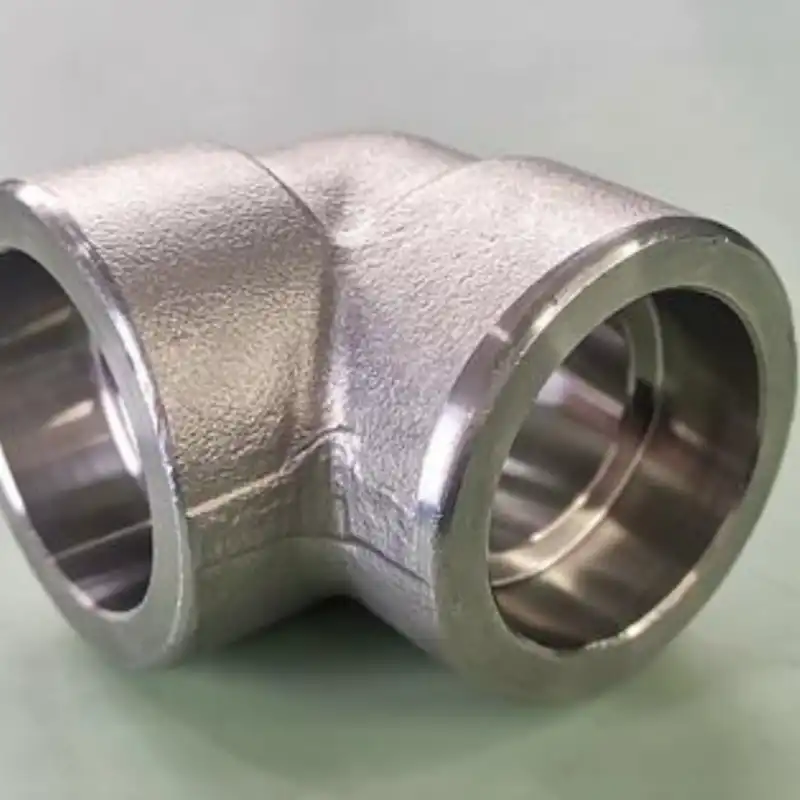
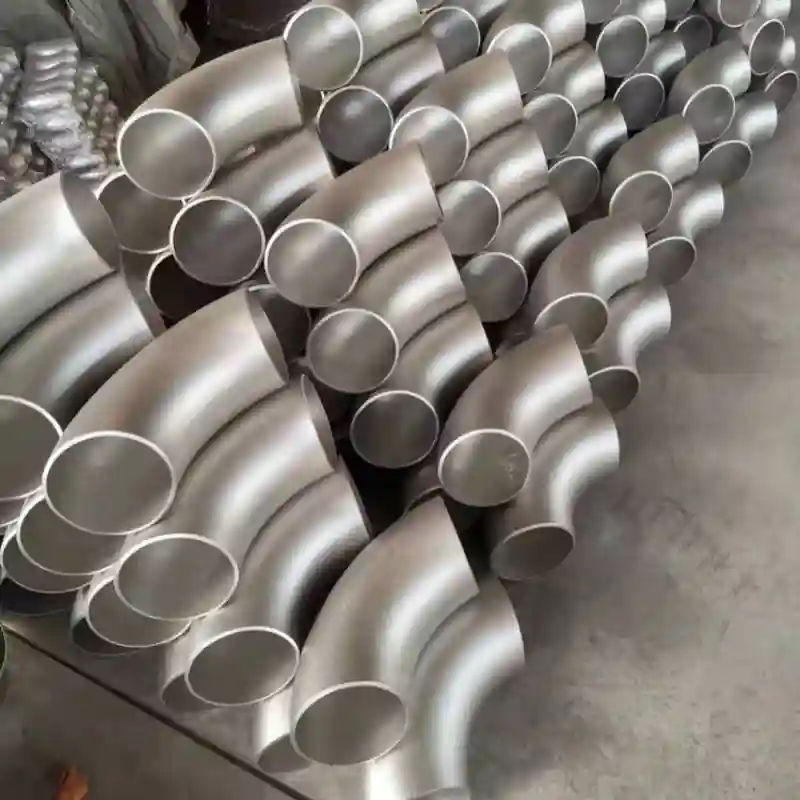
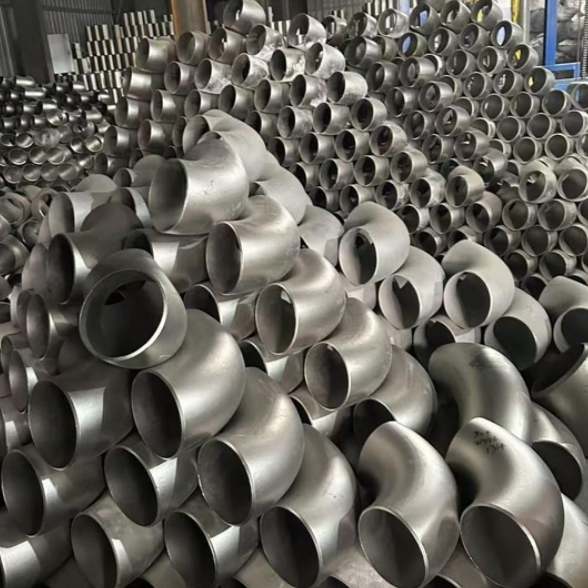
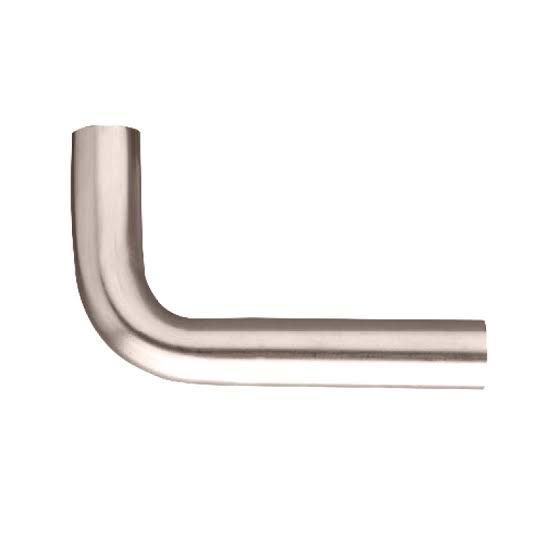
304 stainless steel elbow: Suitable for fresh water, atmospheric environments, food processing, and general chemical media. For seawater, chlorine‑containing disinfectants, or high‑humidity marine atmospheres, 316 is recommended.
-
316 stainless steel elbow (elbow ss316): The molybdenum enhances the passive film, allowing resistance to chloride concentrations up to 1000 ppm (below 60°C). Commonly used in seawater cooling systems, pharmaceutical sanitary piping, and coastal oil & gas facilities.
Economic Considerations
Taking a 2‑inch Sch40 90‑degree elbow as an example, 316 typically costs 20–35% more than 304. If the project requires a service life exceeding 10 years in a chloride‑containing environment, choosing 316 can avoid costly downtime due to premature failure. Conversely, in dry indoor environments, 304 is fully capable.
Standards and Certification
High‑quality elbows should comply with ASME B16.9 or EN 10253‑2, and a PMI (positive material identification) report is recommended. For 316 stainless steel elbows, it is advisable to require ferrite content to be controlled within 0.5–2% to balance corrosion resistance and hot workability.
Conclusion: No molybdenum, no chloride resistance – remember this principle. Evaluate the chloride concentration of the medium and the operating temperature before choosing between a 304 stainless steel elbow and a 316 stainless steel elbow. Precise material selection is the cornerstone of a long‑lasting piping system.