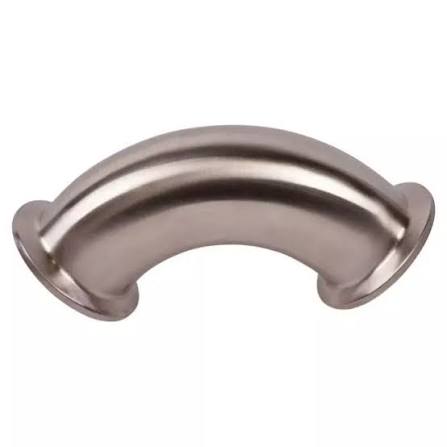
Technologically Upgraded 90° Stainless Steel Elbow: Redefining Efficiency and Reliability in Piping Systems
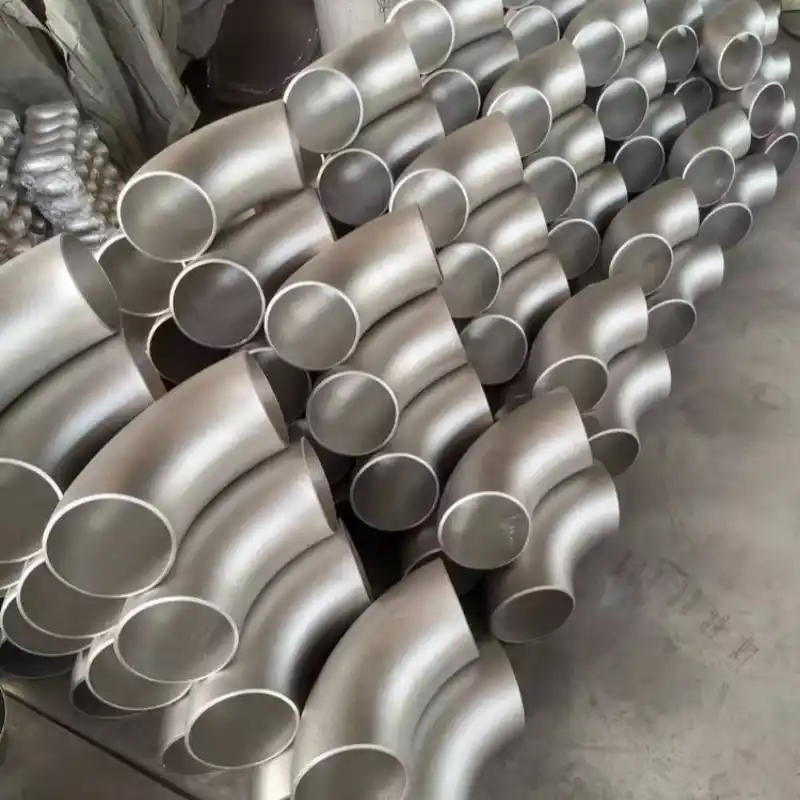
In industrial piping systems, elbows are among the most common yet critical components. In particular, the 90-degree stainless steel elbow is widely used in petrochemical, food and pharmaceutical, water treatment, and building fire protection sectors.
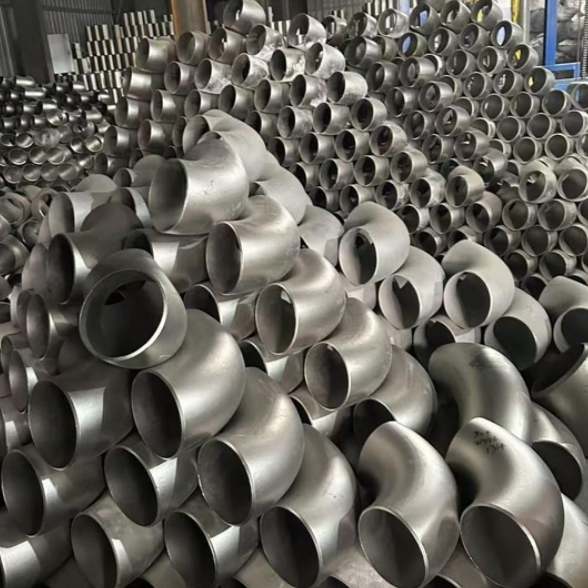
In recent years, thanks to advancements in manufacturing processes and materials science, the technologically upgraded 90 degree stainless steel elbow has become a core component of high-performance piping systems.
1. Material and Manufacturing Process Upgrades: Higher Corrosion Resistance and Mechanical Strength
Traditional stainless steel elbows mostly use 304 or 304L materials, whereas upgraded versions tend to employ 316/316L or duplex stainless steel (e.g., 2205). 316L stainless steel contains 2-3% molybdenum, improving its pitting corrosion resistance in chloride environments by approximately 30% or more. According to ASTM A403, the chemical composition of upgraded elbows is strictly controlled: carbon content ≤0.03%, chromium 16-18%, nickel 10-14%, molybdenum 2-3%.
In terms of manufacturing processes, technologically upgraded 90 degree stainless steel elbows typically use cold push or hot bending processes, supplemented by precision solution treatment. The solution treatment temperature is controlled at 1040-1150°C, followed by rapid water cooling, which eliminates intergranular carbide precipitation and restores the material’s corrosion resistance. Compared to ordinary elbows, the upgraded products have a finer grain size (ASTM grain size number 7 or finer), with a yield strength reaching above 205 MPa (for 316L).
2. Long radius elbow: The Core Choice for Fluid Dynamics Optimization
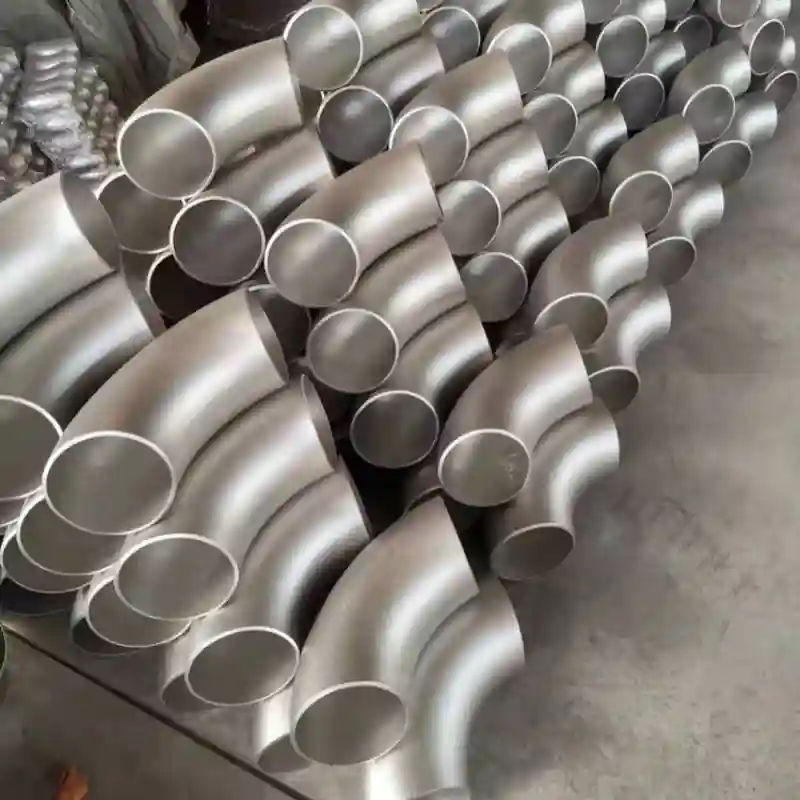
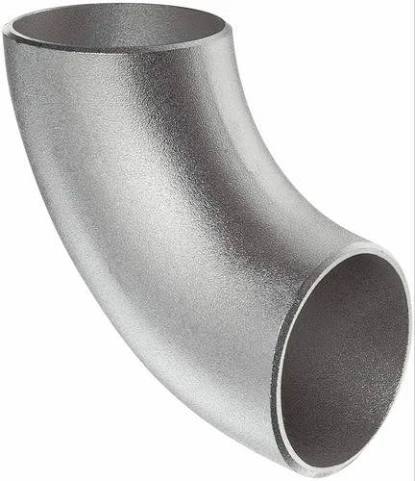
In applications requiring reduced fluid resistance and minimized media erosion, the long radius elbow is an important manifestation of technological upgrades. According to ASME B16.9, the centerline bend radius (R) of a standard 90-degree long radius elbow is 1.5 times the nominal diameter (DN), i.e., R = 1.5D. For example, a 4-inch (DN100) long radius elbow has a bend radius of approximately 152 mm.
Compared to a short radius elbow (R = 1.0D), the pressure loss coefficient ζ of a long radius elbow is reduced by about 25-40%. Specifically, for conveying viscous fluids or media containing solid particles (e.g., slurry, crude oil), selecting a long radius elbow significantly reduces turbulence and vortex formation, while lowering the erosion rate on the pipe wall.
Data shows that at the same flow velocity (2 m/s), the local resistance coefficient of a long radius elbow is approximately 0.2, while that of a short radius elbow is 0.4-0.5. Therefore, in long-distance transmission pipelines or systems sensitive to pressure drop (such as pump discharge lines), priority should be given to the technologically upgraded long radius elbow.
3. Threaded elbow: Connection Reliability and Application Boundaries
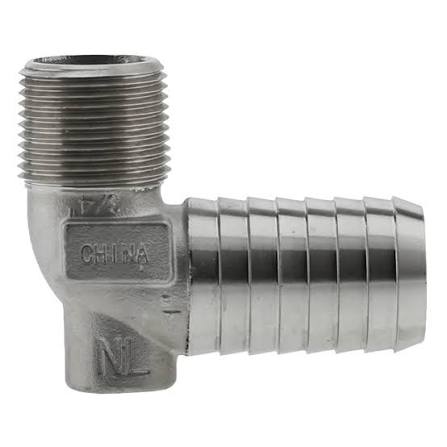
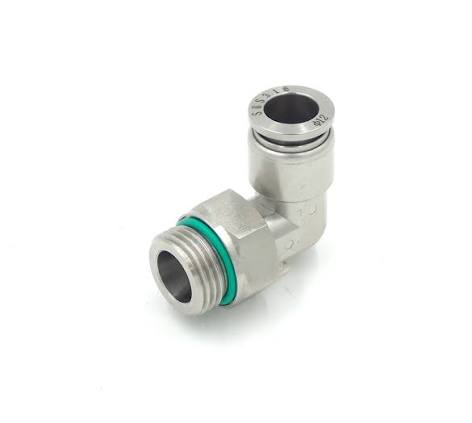
For small-bore piping (typically ≤2 inches) or systems requiring frequent disassembly, the threaded elbow offers an economical and convenient option. Technologically upgraded threaded elbows employ tapered pipe threads (NPT/BSPT) or straight pipe threads (BSPP), and undergo special thread treatment processes such as phosphating, zinc plating, or anti-seize coating. Thread accuracy must comply with ANSI B1.20.1 (NPT) or ISO 7-1 (BSPT) standards.
A key upgrade is the rounding of the thread root, which greatly reduces stress concentration. Under the same preload torque, the fatigue life of an upgraded threaded elbow is increased by about three times. It should be noted that threaded connections are not suitable for extremely high temperatures (>400°C) or severe vibration conditions, as thread loosening may cause leakage. Upgraded versions often feature a PTFE coating or pre-applied sealant on the thread surface, reducing installation torque by 20% while achieving a sealing pressure rating of up to Class 150 (approximately 20 bar).
4. Socket weld 90 degree elbow: Preferred for High-Pressure Applications
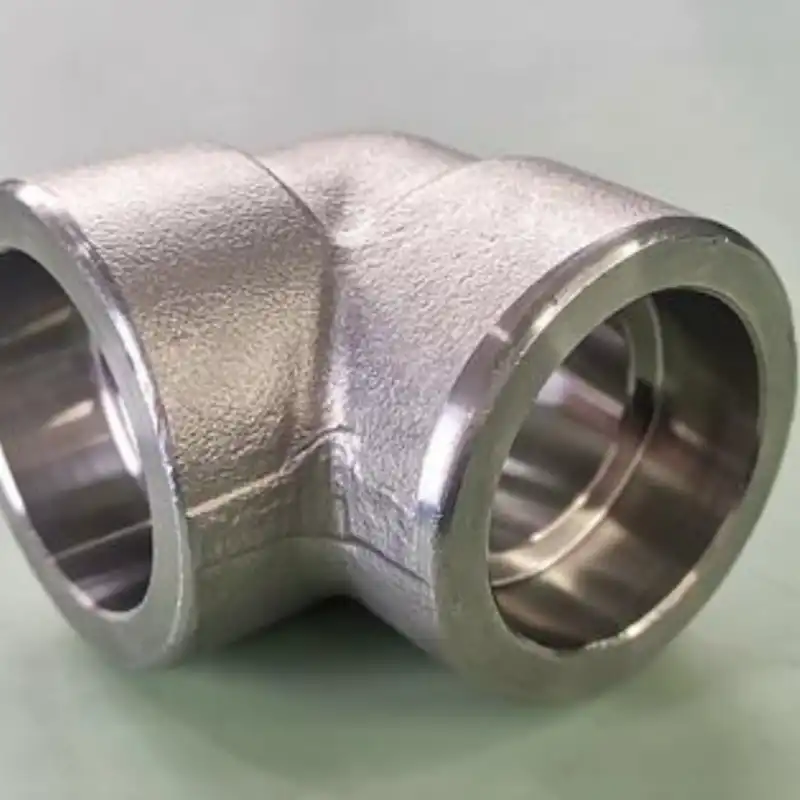
For high-pressure steam, hydraulic, or chemical piping systems (typically pressure ratings Class 300 and above), the socket weld 90 degree elbow provides excellent strength and leak resistance. According to ASME B16.11, the socket depth of a socket weld elbow must ensure a 1.6 mm expansion gap between the pipe end and the elbow inner wall. During welding, a fillet weld is used, and the fillet leg size should be at least equal to the pipe wall thickness.
The technologically upgraded socket weld 90 degree elbow features optimized root clearance and socket fillet radius. Finite element analysis (FEA) shows that increasing the fillet radius from the standard 1.6 mm to 3.2 mm reduces the stress concentration factor at the inner corner of the elbow from 3.0 to 1.8. Furthermore, upgraded products typically undergo 100% magnetic particle testing (MT) or penetrant testing (PT) to ensure no cracks in the weld zone. For cyclic loading conditions (e.g., reciprocating compressor piping), it is recommended to use a socket weld 90 degree elbow with GTAW (gas tungsten arc welding) root pass to further extend fatigue life.
5. Special Design for Sanitary and Clean Piping
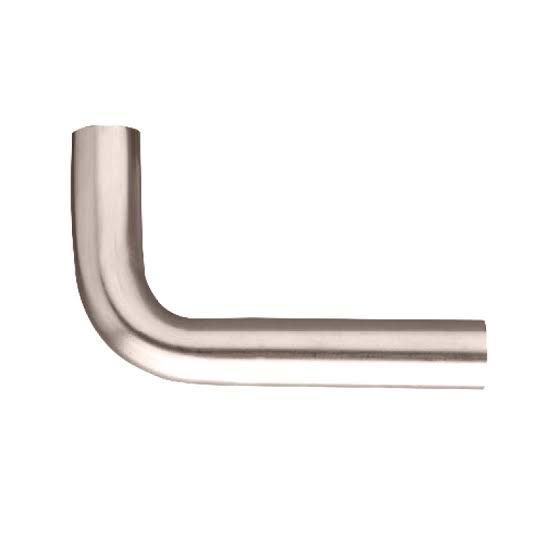
In the food, beverage, and biopharmaceutical industries, extremely strict requirements are imposed on the internal surface finish and dead-leg elimination of pipe elbows. Although the Excel sheet does not directly include “sanitary elbow” as a long-tail keyword in this article, it is worth discussing as an extension. In sanitary applications, technologically upgraded 90 degree stainless steel elbows typically use electropolishing to reduce internal surface roughness (Ra) from 0.4 μm (achieved by mechanical polishing) to below 0.2 μm, thereby preventing bacterial biofilm attachment. Meanwhile, the elbows adopt 3D or even 5D bend radii to completely eliminate flow dead zones.
6. Comprehensive Benefits of Technological Upgrades
-
Energy efficiency improvement: Using long radius elbows and smooth internal surfaces can save 5-15% of pumping energy over the entire lifecycle.
-
Safety margin: Upgraded elbows undergo hydrostatic testing (test pressure 1.5 times design pressure) and radiographic testing (RT) to ensure no porosity or slag inclusions.
-
Installation convenience: Threaded and socket weld connections reduce on-site welding work, especially suitable for retrofit projects.
-
Extended service life: Corrosion-resistant materials and stress-optimized design extend the service life of elbows in typical chemical environments from 10 years to more than 20 years.
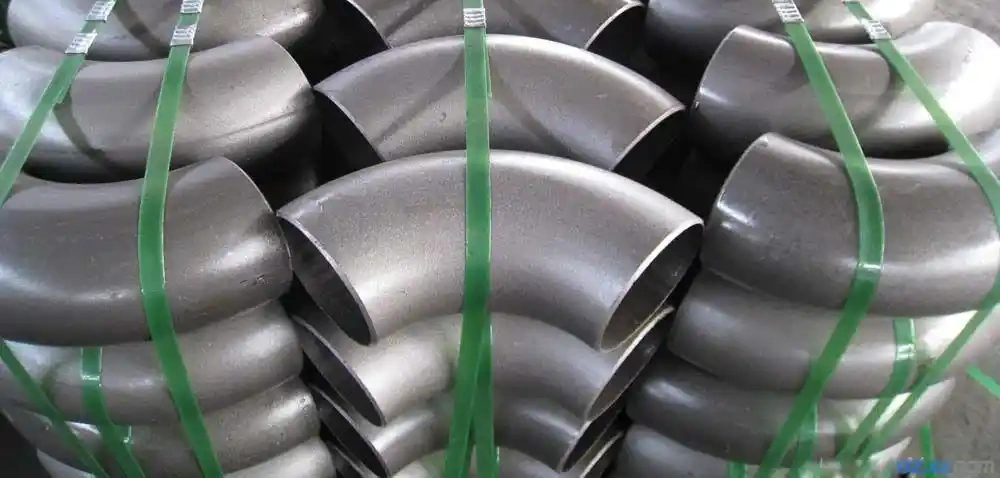
ce stainless steel 90 degree elbow
Conclusion
As global pipeline engineering continuously raises requirements for safety, efficiency, and environmental protection, the adoption of technologically upgraded 90 degree stainless steel elbow has become an industry trend. Whether through the long radius elbow to reduce flow resistance, the threaded elbow to achieve rapid assembly, or the socket weld 90 degree elbow to cope with high-pressure and demanding conditions, technological upgrades have significantly enhanced the overall performance of pipe fittings.