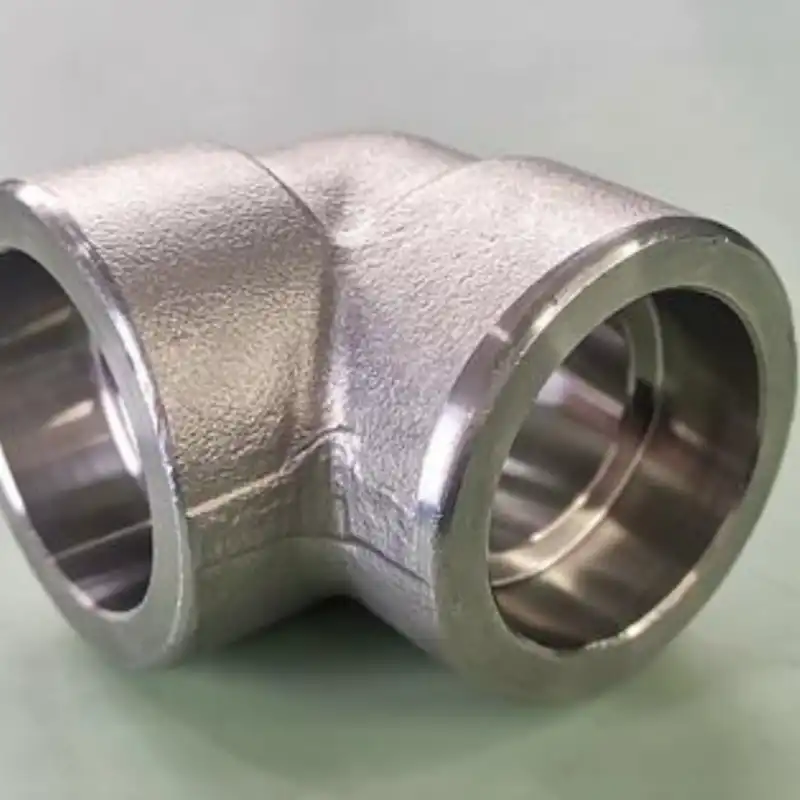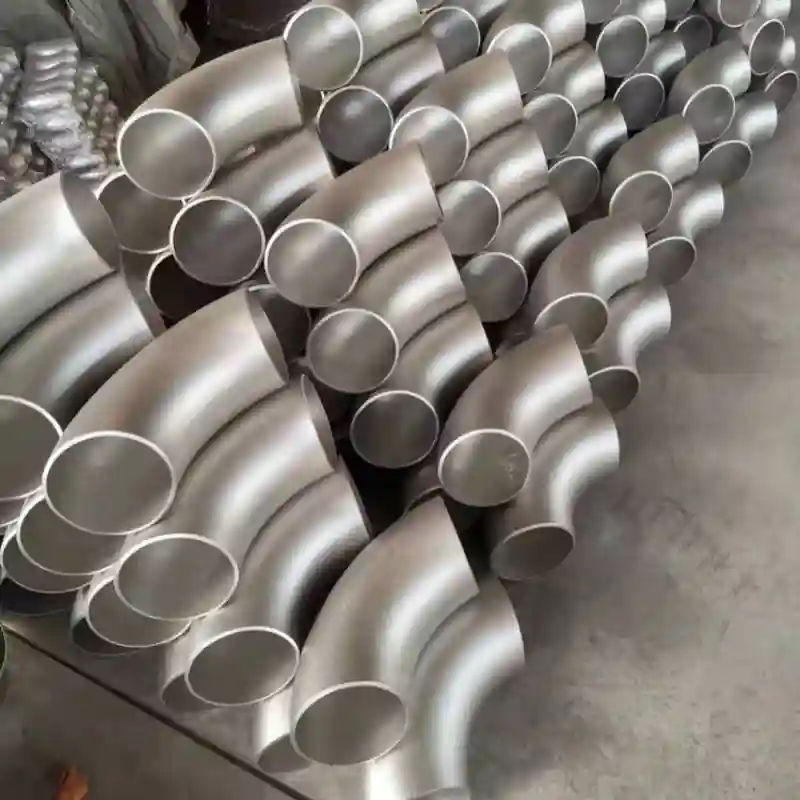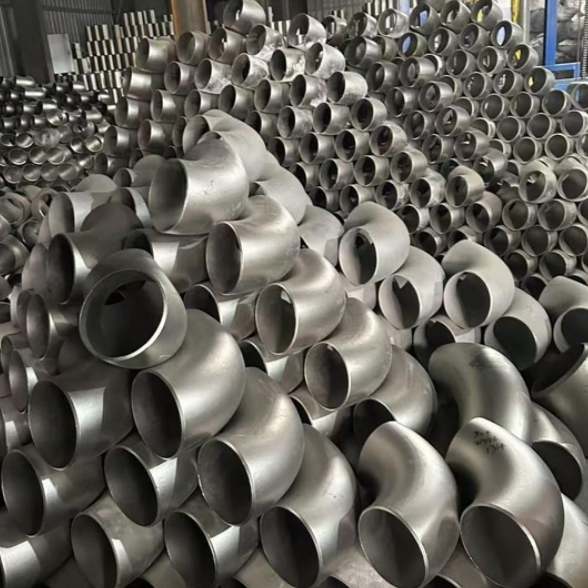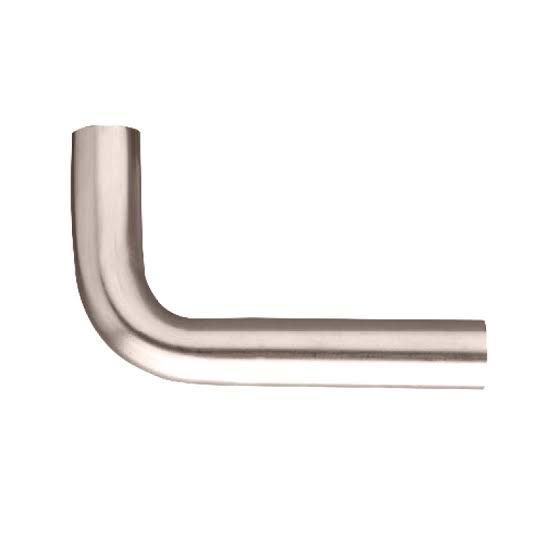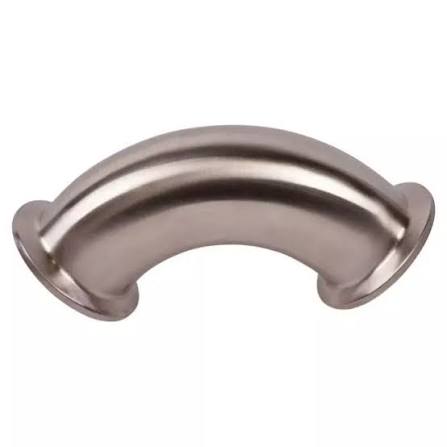
What is the radius size for the short radius elbow?
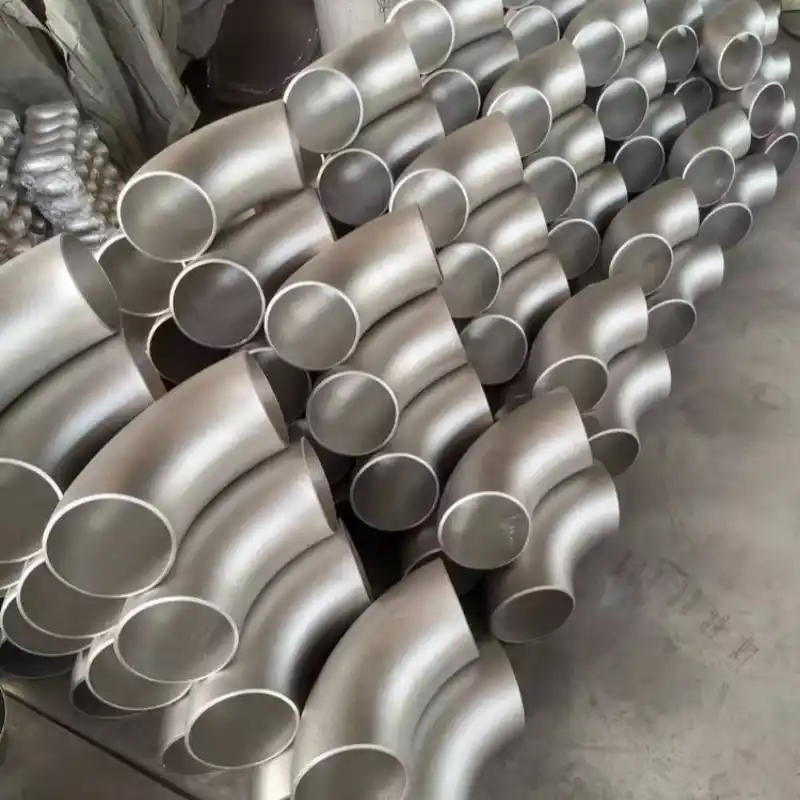
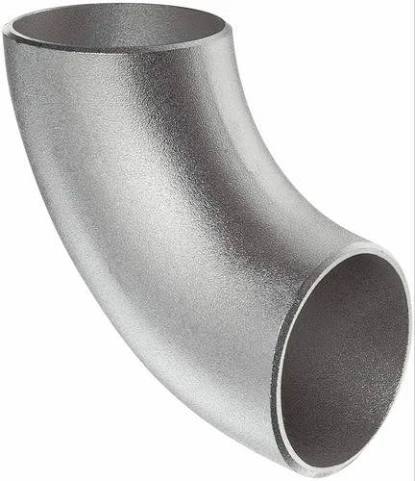
The short radius elbow is a compact pipe fitting whose radius size is a key technical parameter for many engineers. Based on international standards such as ASME B16.9, this article details the radius dimensions of short radius elbows, and naturally introduces related topics such as long radius elbows, calculation formulas, and angle types.
1. Standard Definition: Radius Size of Short Radius Elbow
According to ASME B16.9 Factory-Made Wrought Fittings, the center-to-end distance (i.e., the bend radius) of a short radius elbow equals the Nominal Pipe Size (NPS), expressed mathematically as:
R = 1.0 × NPS
Examples:
-
For NPS 2 inch (DN50) short radius elbow: R = 2 inches (approx. 50.8 mm)
-
For NPS 4 inch (DN100) short radius elbow: R = 4 inches (approx. 101.6 mm)
-
For NPS 8 inch (DN200) short radius elbow: R = 8 inches (approx. 203.2 mm)
This dimensional relationship directly contrasts with the long radius elbow. You may also ask: what is the radius size for long radius elbow? Under the same standard, the long radius elbow has a bend radius of 1.5 times the nominal size: R = 1.5 × NPS. Therefore, for the same pipe size, the long radius elbow provides a smoother turn, while the short radius elbow occupies less installation space.
2. Radius Consistency for 90° and 45° Short Radius Elbows
Regardless of the elbow angle, the definition of the bend radius remains the same. That is:
-
For a radius elbow 90°, if designed as short radius, the center-to-end distance is also R = 1.0 × NPS. The 90° short radius elbow is the most common type, used in space‑constrained applications such as skid‑mounted equipment, shipboard piping, or compressor station piping.
-
For a short radius 45°, the bend radius is likewise R = 1.0 × NPS, but the turning angle is 45°, and the projected center‑to‑end distance is shortened according to trigonometric relationships. The 45° short radius elbow is often used in compact layouts where a slight change in flow direction is needed without adding excessive flow resistance.
In actual production, for the same nominal size and pressure rating (e.g., Class 150, Class 300), both 90° and 45° short radius elbows follow uniform standards regarding bend radius, wall thickness, and end bevels, ensuring interchangeability.
3. Calculation Formulas: Engineering Application of Rumus Elbow Short Radius
In many international engineering handbooks or technical materials from Southeast Asia (e.g., Indonesia), the term rumus elbow short radius refers to the geometric and layout formulas for short radius elbows. The most essential formulas are:
-
Bend radius: R_short = NPS (in inches) or R_short ≈ D (outside diameter series, approximately equal to the nominal diameter)
-
Arc length for a given angle (for layout): L_arc = (π × R × θ) / 180, where θ is the elbow angle (90° or 45°)
-
Axial projection distance from end to elbow center:
-
For 90° short radius elbow: projection distance = R
-
For 45° short radius elbow: projection distance = R × tan(22.5°) ≈ 0.414 × R
-
For example, NPS 3 inch short radius 90° elbow, R = 3 inches, arc length = (π × 3 × 90)/180 ≈ 4.71 inches (119.6 mm). These data are essential for pipe prefabrication, stress analysis, and bill of materials (BOM) calculations. Engineers also use these formulas to calculate the equivalent length of short radius elbows for pressure drop estimation.
4. Engineering Comparison: Short Radius and Long Radius Elbow
In actual selection, engineers must weigh the trade‑offs between a short radius and long radius elbow. The table below shows typical data for NPS 6 inch (DN150) based on ASME B16.9:
| Parameter | Short Radius Elbow | Long Radius Elbow |
|---|---|---|
| Bend radius R | 6 inches (152.4 mm) | 9 inches (228.6 mm) |
| 90° elbow center‑to‑end distance | 6 inches | 9 inches |
| 45° elbow center‑to‑end distance | 2.5 inches (~63.5 mm) | 3.73 inches (~94.7 mm) |
| Pressure drop coefficient (resistance factor K, 90°, turbulent flow) | ~0.9 | ~0.6 |
| Typical applications | Space‑limited, low pressure & low velocity, or non‑critical fluids | High pressure, high velocity, high viscosity, fluids containing solids |
A 2021 technical review in Pipeline Engineering and Construction pointed out that the wall thickness reduction on the inside of a short radius elbow can reach 12%–15% of the nominal wall thickness due to bending. Therefore, under high‑temperature or corrosive conditions, extra wall thickness or a long radius design should be considered. However, in water treatment, ventilation, or low‑pressure oil lines, short radius elbows remain widely used because of their compactness and lower casting costs.
5. Practical Recommendations and Quality Control
Based on AIFN’s years of manufacturing experience, we recommend:
-
When the clearance between the pipe centerline and adjacent equipment or a concrete beam is less than 3 × NPS, give priority to a short radius elbow.
-
For nominal sizes larger than NPS 12 (DN300), verify the limit dimensions table in ASME B16.9. Some extra‑large diameter short radius elbows may be replaced by 2‑ or 3‑piece miter elbows.
-
All short radius elbows should undergo 100% dimensional inspection before shipment. The bend radius tolerance is ±1.6 mm (for NPS ≤ 10) or ±3.2 mm (for NPS > 10), and they should be examined by dye penetrant testing according to ASTM E165.
Now that you understand what is the radius size for the short radius elbow, along with the associated long radius, 45°, 90°, and calculation formulas, you can confidently select the correct elbow type for your piping layout.
For the latest ASME B16.9 dimension tables or custom non‑standard short radius elbows, please contact the AIFN technical team.