What Are the Most Commonly Available Elbows?
-
Long Radius 45° Elbow
The centerline radius of this elbow is approximately 1.5 times the nominal diameter (1.5D), enabling a gentle 45° direction change with pressure drop reduced by about 20% compared with standard short radius elbows. It is widely used in cooling water or fuel transmission pipelines where turbulence reduction is required.
-
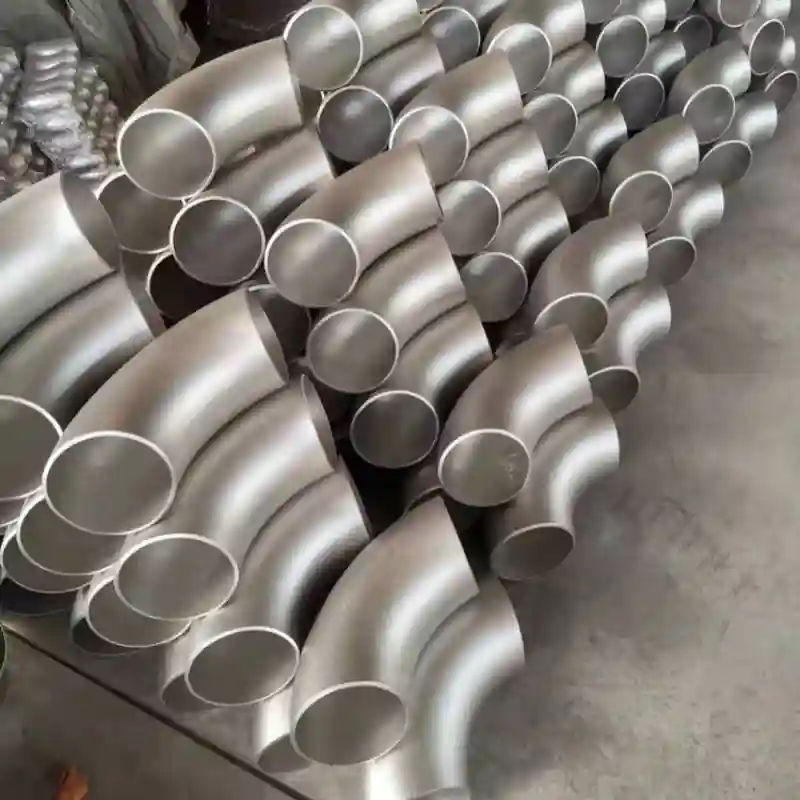
LR 90° Elbow
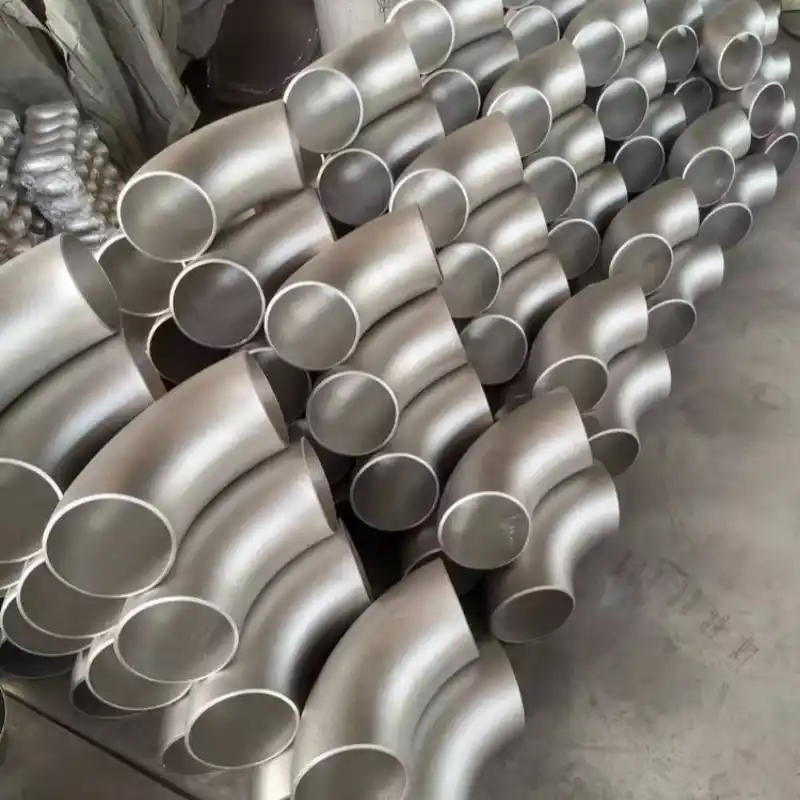
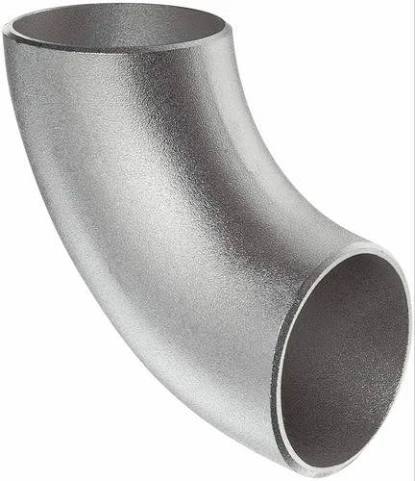
It is one of the most popular elbow types with a centerline radius of 1.5D as well. Compared with short radius 90° elbows, the long radius design greatly reduces fluid friction and medium erosion on the pipe wall. In the main steam bypass pipelines of power plants, LR 90° Elbow can effectively control thermal stress concentration.
-
180 Degree Elbow
Also known as U-type elbow, it is applied to achieve complete reverse flow of fluid. Its compact structure is commonly seen in heat exchanger tube bundles and boiler circulation loops. The standard long radius 180 Degree Elbow features a center distance of 2 times the nominal diameter (2D), saving installation space while ensuring flow stability.
-
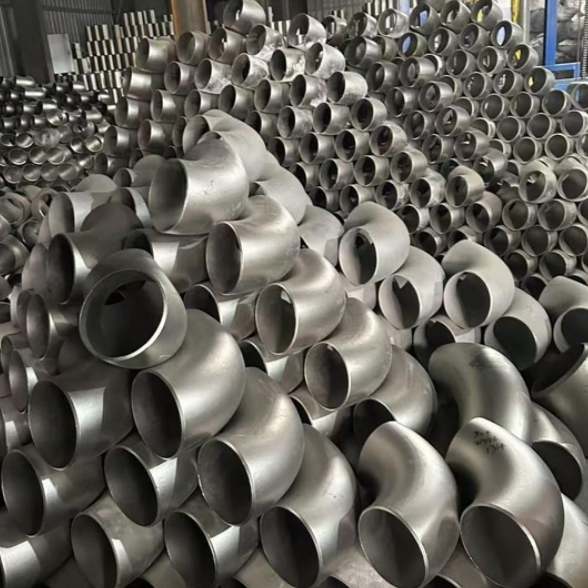
Steel Elbow
It generally refers to elbows made of carbon steel or alloy steel. For instance, A234 WPB carbon steel elbow has an operating temperature range from -29°C to 425°C with a yield strength of ≥250MPa. Capable of withstanding high pressure, Steel Elbow is the preferred choice for main steam pipelines in petrochemical and thermal power industries.
-
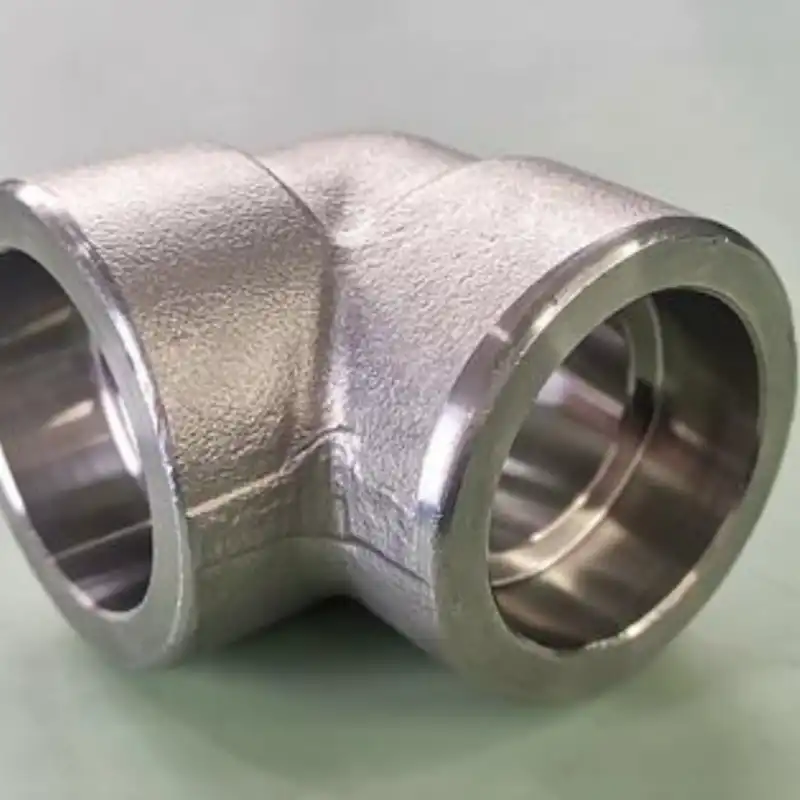
Socket Weld 90° Elbow
It is specially designed for small-bore high-pressure pipelines (usually NPS ≤ 4). The socket weld connection forms a triangular weld zone with extremely low leakage risk. In accordance with ASME B16.11 standard, the pressure-bearing capacity of this type of elbow is over 30% higher than that of ordinary threaded connections, making it especially suitable for power plant instrument control gas circuits and sampling systems.
-
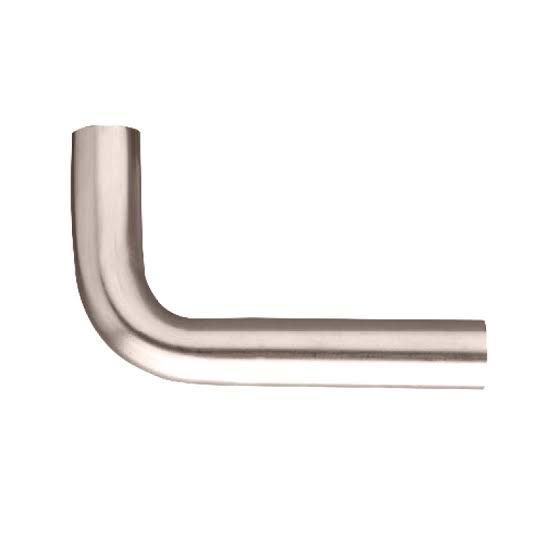
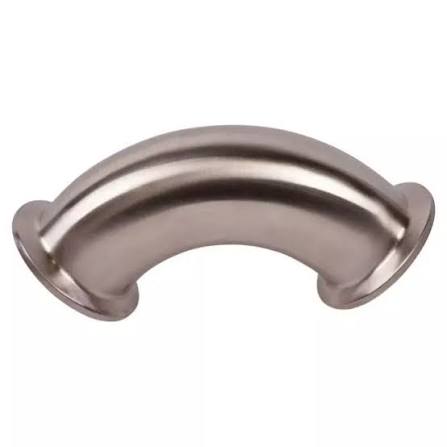
90 Degree SS Elbow
It is normally manufactured from 304/316L stainless steel with excellent resistance to chloride ion corrosion (316L has a pitting potential of ≥300mV in a 1000ppm Cl⁻ environment). In the auxiliary cooling systems of nuclear power plants and gas turbines, 90 Degree SS Elbow balances structural strength and corrosion resistance perfectly.
Applications in the Power and Energy Sector
Summary