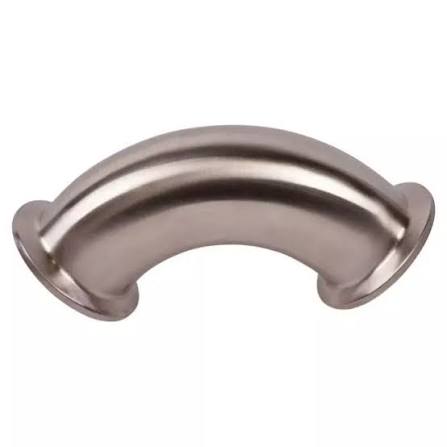
How to calculate 90-degree elbow length?
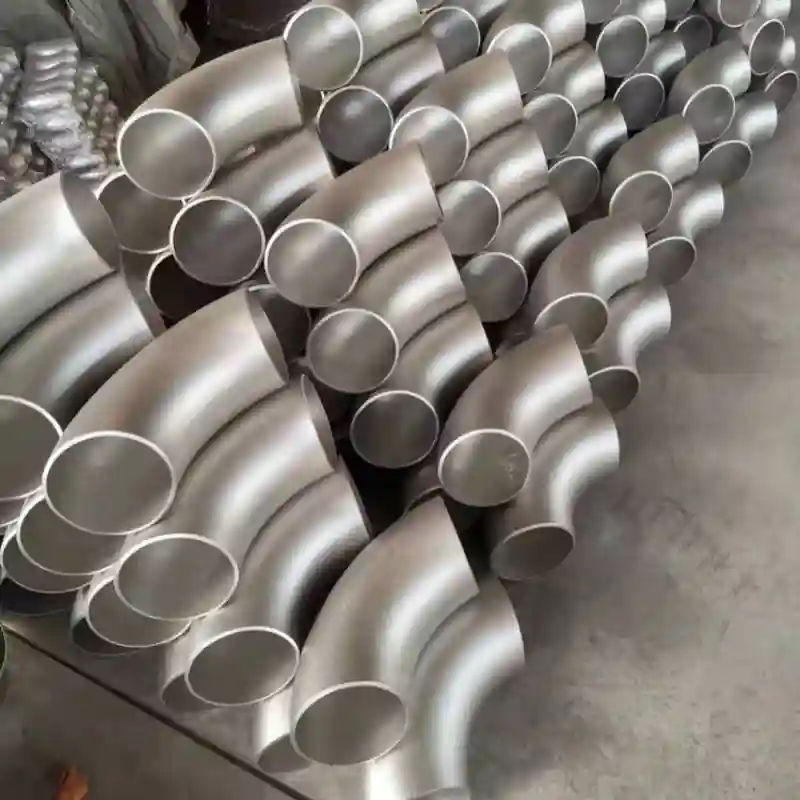
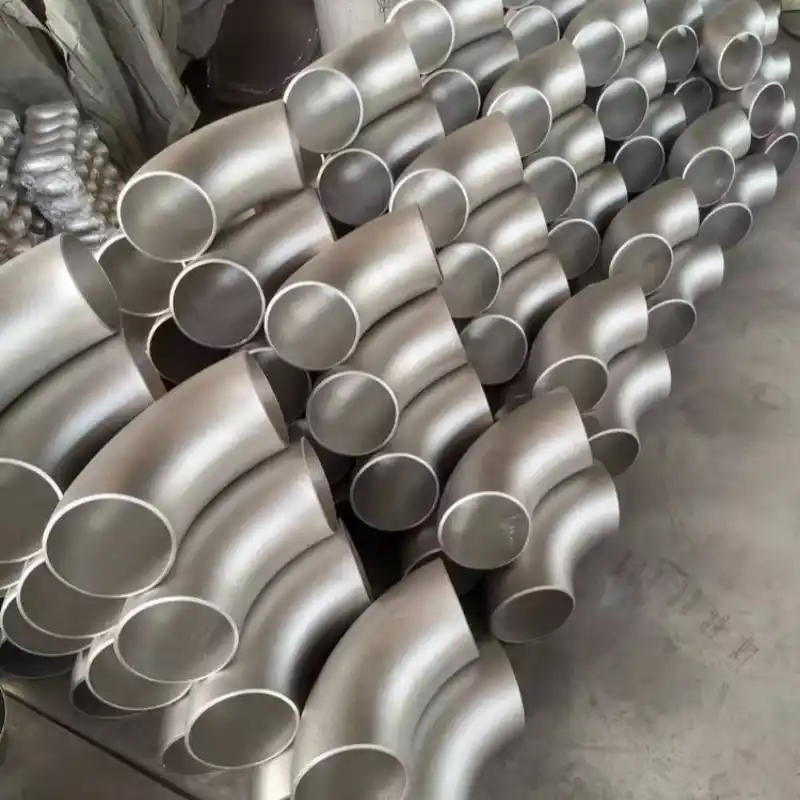
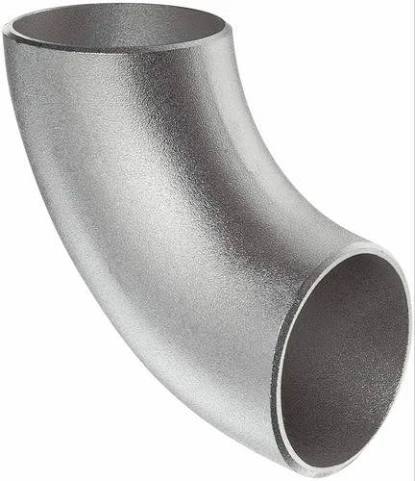
In petroleum and chemical plants, accurate 90‑degree elbow length calculation is critical for pipe stress analysis, space planning, and material estimation. The most common standard is the long radius elbow 90 degree (R = 1.5 × nominal diameter, per ASME B16.9). Its centerline arc length is calculated as:
L = (π/2) × R
where R = 1.5 × D (D = nominal pipe diameter).
Example: For a 6‑inch (DN150) long radius elbow, R = 9 inches, so L ≈ 3.1416/2 × 9 = 14.14 inches (~359 mm). This represents the curved centerline length from one end to the other.
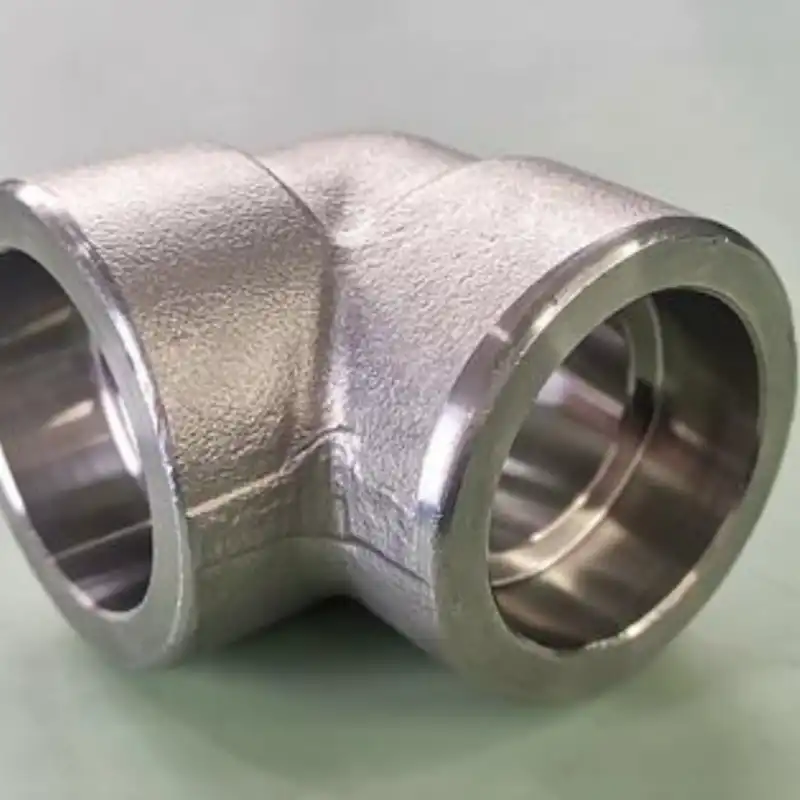
For small‑bore instrumentation lines, you may encounter a 90 degree 3/4″ elbow. Its center‑to‑end dimension (face‑to‑center) is typically 1.125 inches (28.6 mm) for long radius. Multiply by π/2 to get the arc length: about 1.767 inches.
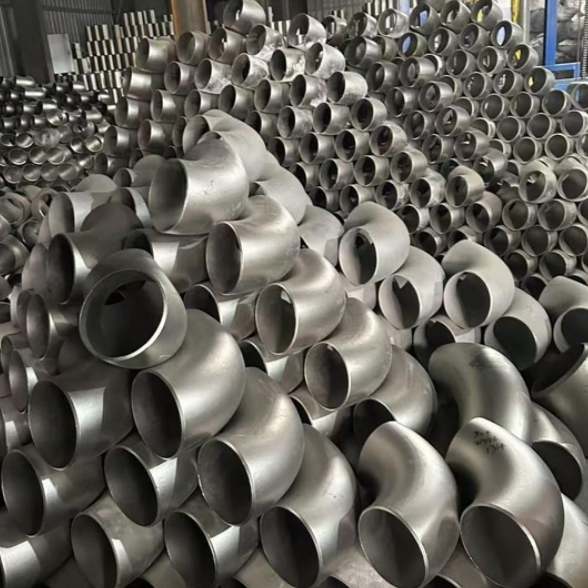
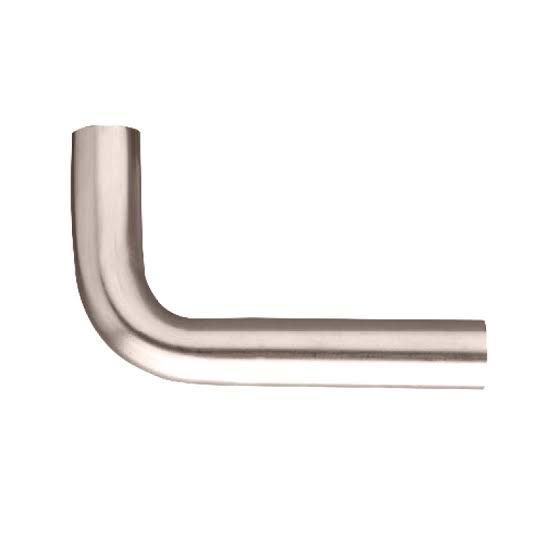
When higher strength is needed, a steel tubing 90 degree elbow made of seamless carbon steel (e.g., ASTM A106 Gr. B) is common. For corrosive media, an ss elbow 90 degree (stainless steel 304/316L) ensures longevity. Always verify the bend radius – long radius reduces erosion and pressure drop in high‑velocity hydrocarbon flows.
Common industry questions & solutions:
-
Long radius vs. short radius – which to choose?
-
Problem: Tight space often tempts engineers to use short radius (R = 1.0D), but short elbows increase turbulence and pressure loss by ~30%.
-
Solution: In critical petroleum lines (e.g., crude oil transfer), always prefer long radius elbow 90 degree unless space is extremely limited. For low‑pressure drains, short radius may be acceptable.
-
-
How to calculate minimum wall thickness for high‑temperature steam service?
-
Problem: ASME B31.3 requires wall thickness to withstand internal pressure plus corrosion allowance.
-
Solution: Use the formula t_min = (P × D) / (2 × S × E + 2 × P × Y) where P = design pressure, D = outer diameter, S = allowable stress at temperature (e.g., 20 ksi for SS316 at 400°C), E = quality factor (0.85 for seamless), Y = coefficient (0.4 for steel). Always add 1.5 mm corrosion allowance for sour service.
-
By applying these formulas and standard references, engineers can ensure safe, cost‑effective pipeline designs in refineries and chemical complexes. For precise fabrication, always refer to the latest ASME or ISO dimension tables.