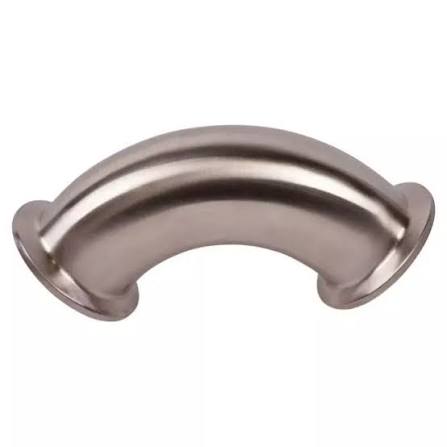
Do 90 elbows slow down water flow?
In a piping system, any fitting that changes the flow direction will create resistance to the water flow. A
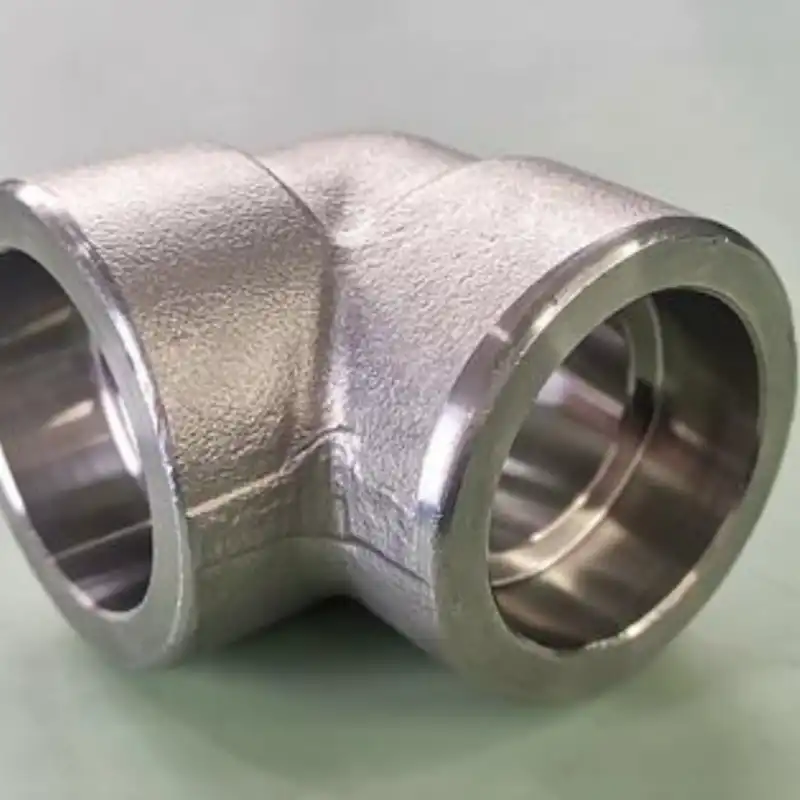
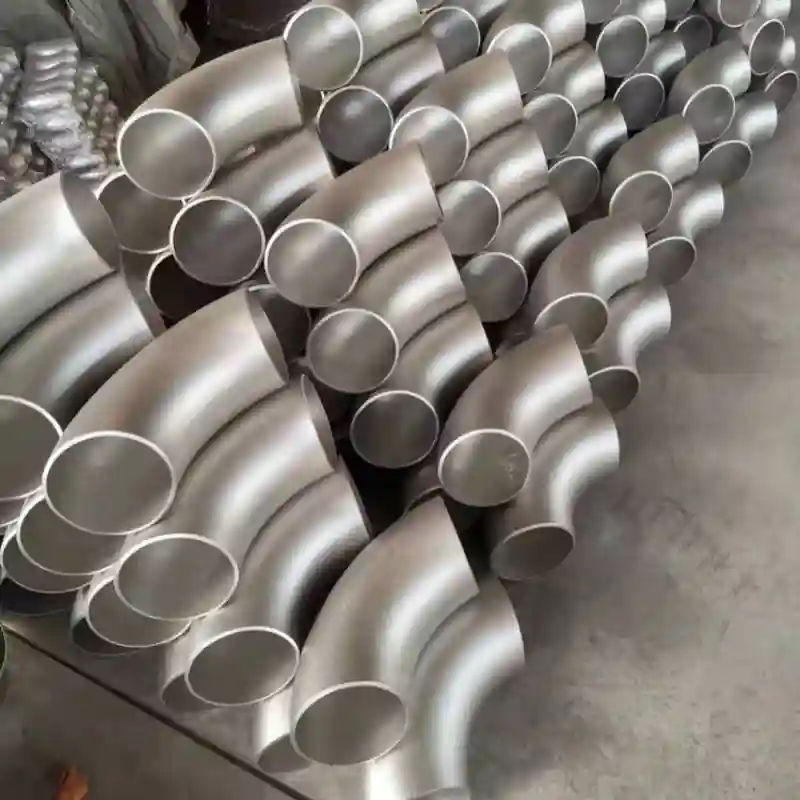
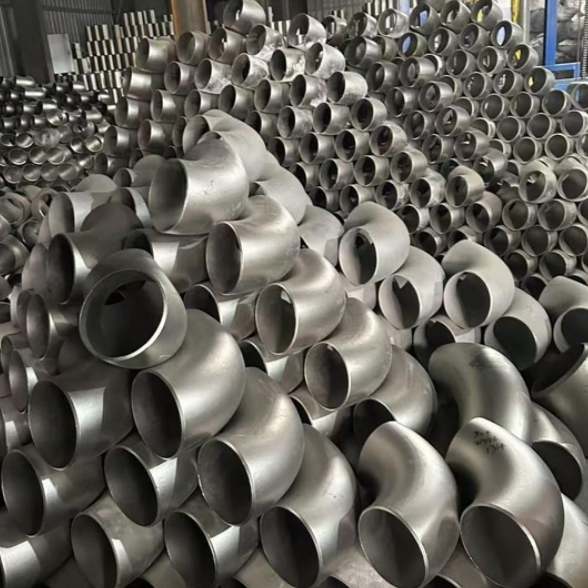
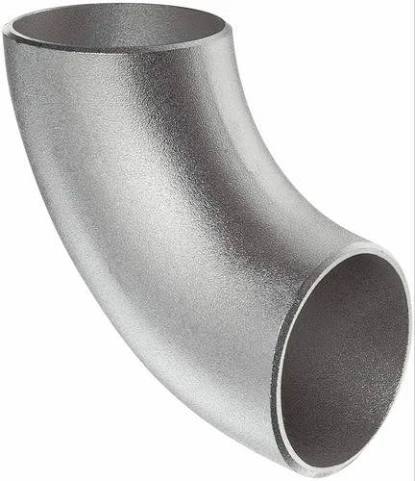
90° elbow does reduce flow velocity and cause pressure drop as it forces the fluid to make a sharp turn. The degree of impact depends on the elbow material, inner wall roughness, nominal diameter and flow rate.
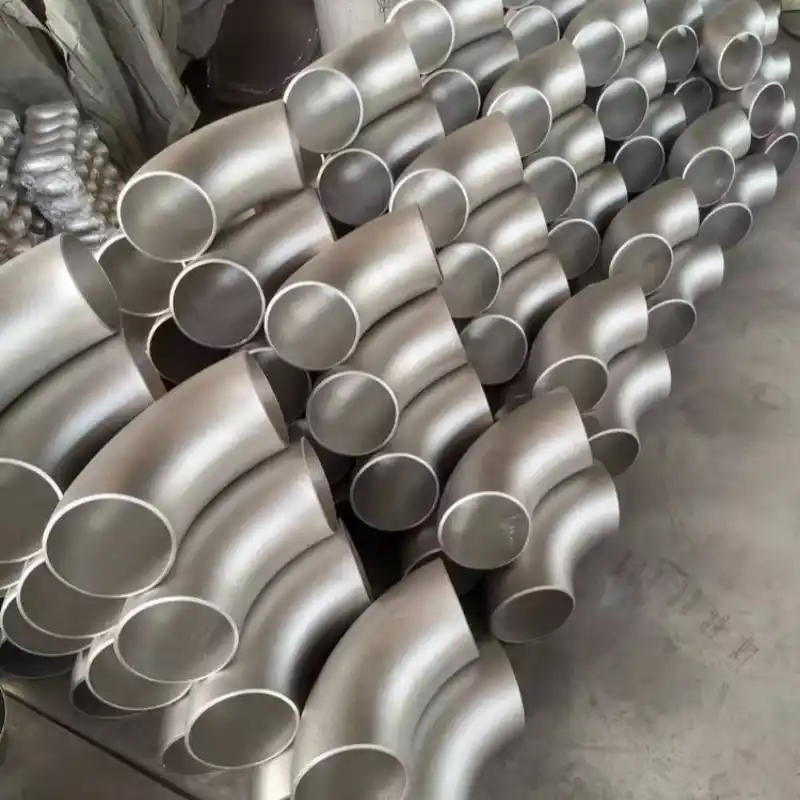
Take stainless tube elbows as an example. With precision polished inner walls, the absolute surface roughness can be as low as 0.4μm, and the resistance coefficient K value is about 0.3~0.5 (based on the equivalent length method). For ordinary galvanized elbows, the K value can reach as high as 0.8~1.2. In other words, in a DN50 water system with a flow velocity of 2m/s, the local head loss caused by a single stainless steel 90° elbow is about 0.5~0.8kPa; if a standard elbow is used, the loss can exceed 1.2kPa.
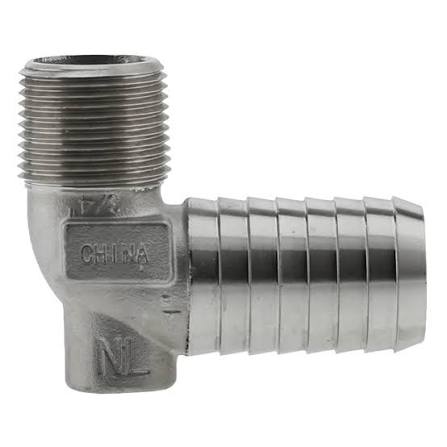
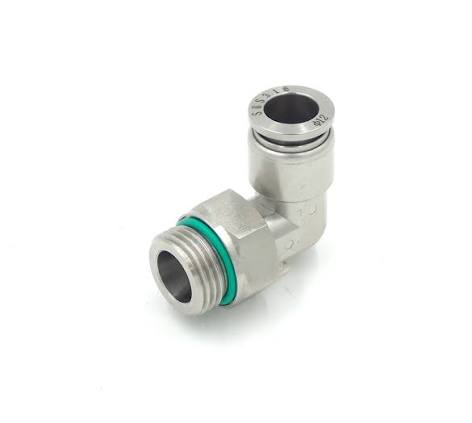
In practical engineering, 90 degree downspout elbow is commonly used for rainwater downpipes. When the flow velocity exceeds 1.5m/s, the sharp turn may cause eddy current and air inhalation, reducing drainage efficiency. In hose connection scenarios, if the inner diameter of a 90 degree water hose elbow is suddenly reduced (e.g., reduced from 3/4″ to 5/8″), the local resistance coefficient will surge by 2~3 times.
Two common issues in the Water Treatment industry:
Question 1: Biofilm accumulation on the inner wall of elbows causes gradual flow rate decline year by year.
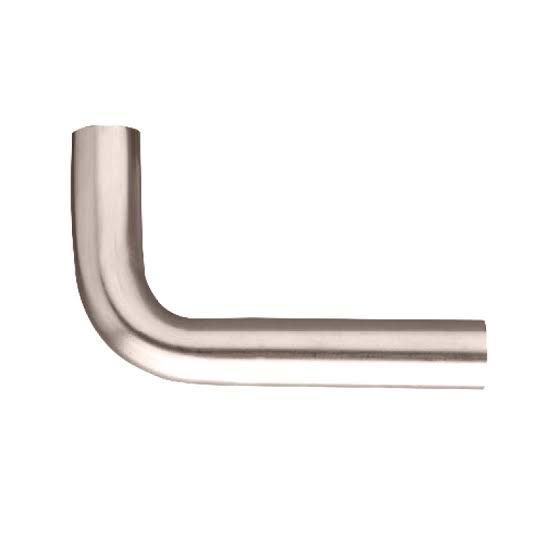
Solution: Adopt electrolytic polished stainless 90 degree elbow with surface Ra≤0.2μm, which discourages microbial adhesion. Meanwhile, design an online cleaning bypass, and circulate 1.5% concentration citric acid solution for 30 minutes every quarter.
Question 2: Standard elbows are difficult to install in compact spaces with excessive pressure drop.
Solution: Select 90 degree street elbow (male and female threaded right-angle elbow). Its center-to-end length is only 60% of conventional elbows, saving installation space. With Computational Fluid Dynamics (CFD) optimization, it is recommended to keep the upstream straight pipe length no less than 5 times the pipe diameter to fully develop the upstream turbulence and reduce additional pressure loss.
In conclusion, 90° elbows will inevitably slow down water flow. However, the impact can be controlled within an acceptable range through material selection (such as stainless steel series), surface treatment and reasonable layout.
AIFN provides pressure drop curve charts for the full range of elbow pipe fittings. Feel free to consult for model selection.