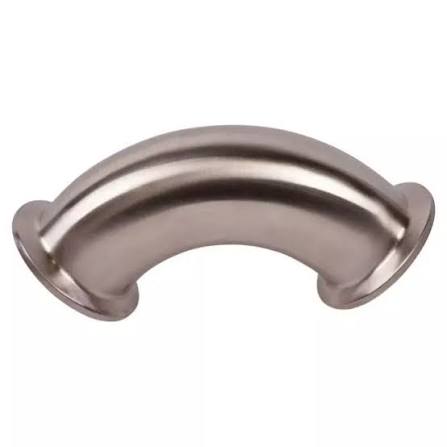
What size is a 90 degree elbow?
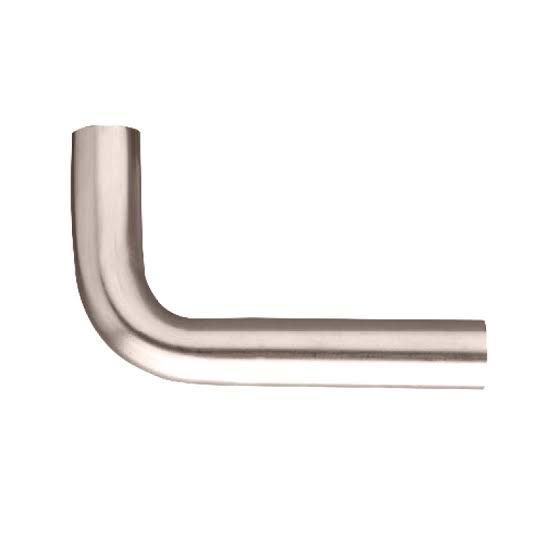
In piping systems, the “size” of a 90° elbow does not only refer to the Nominal Pipe Size (NPS). It is jointly determined by bend radius, center-to-end dimension and connection type.
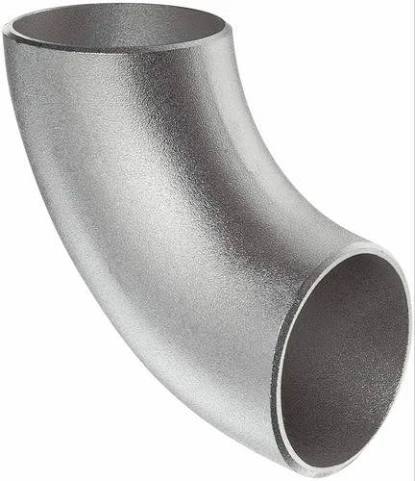
For the most commonly used Long Radius (LR) elbow, the center-to-end length equals 1.5 × NPS.
Take a 4-inch Long Radius elbow as an example, its dimension is 152mm in accordance with the ASME B16.9 standard. When installation space is limited, Short Radius (SR) elbows with a ratio of 1 × NPS are available, though they bring higher pressure drop.
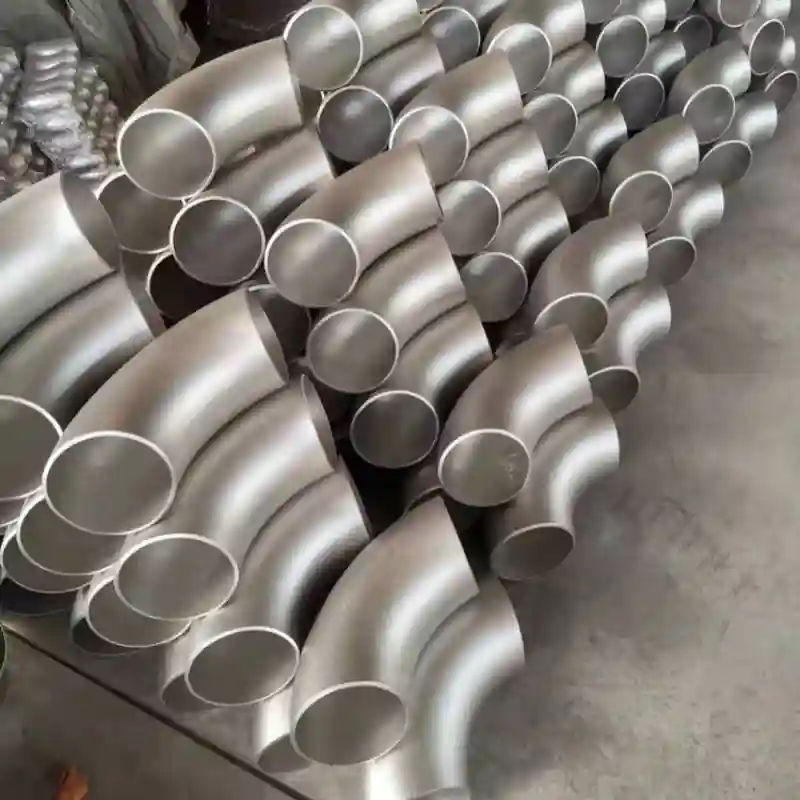
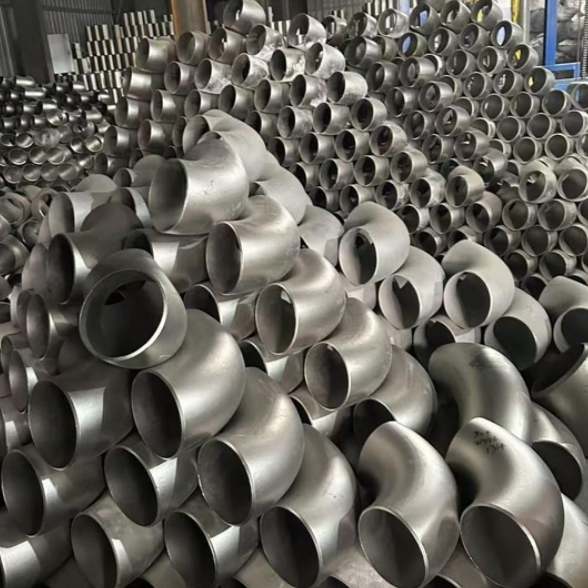
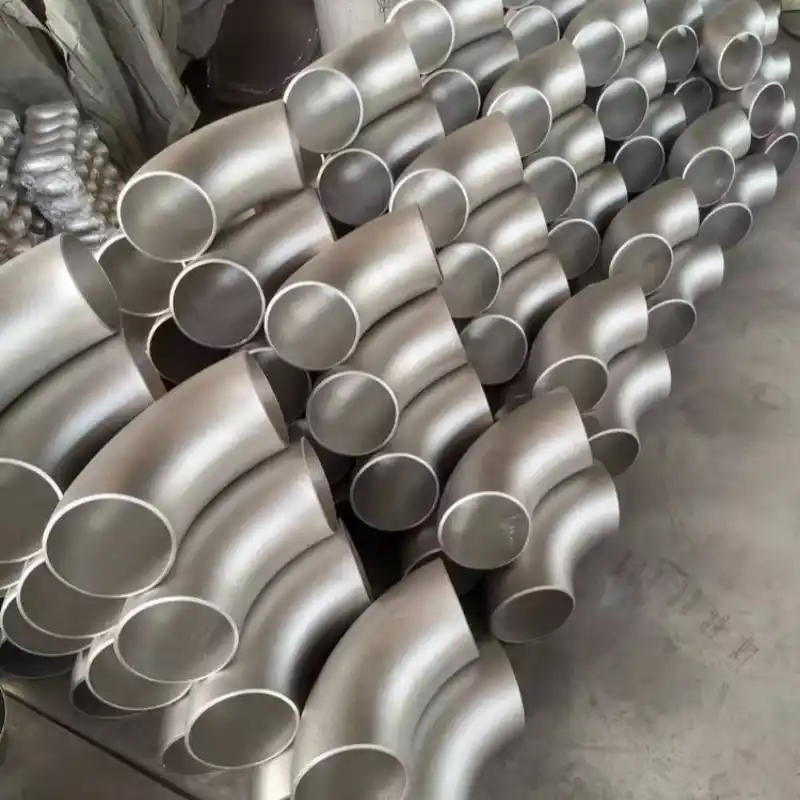
For permanent connection applications, a weld 90 degree elbow is an ideal option, whose bevel outer diameter and wall thickness strictly match pipe schedule numbers (Sch. 40/80).
Taking a 6-inch Sch.40 welded elbow for instance, its center-to-end dimension is 229mm with a wall thickness of 7.11mm. If on-site welding is inconvenient, a 90 degree elbow threaded with tapered pipe threads (NPT/BSPT) offers better flexibility.
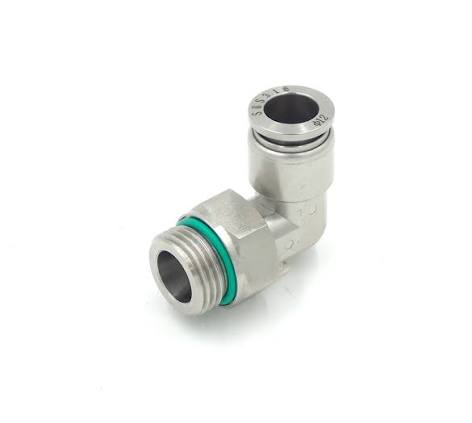
For threaded elbows under 2 inches in common use, the center-to-end dimension still follows the 1.5 times NPS rule, while the end adopts a threaded sealing structure.
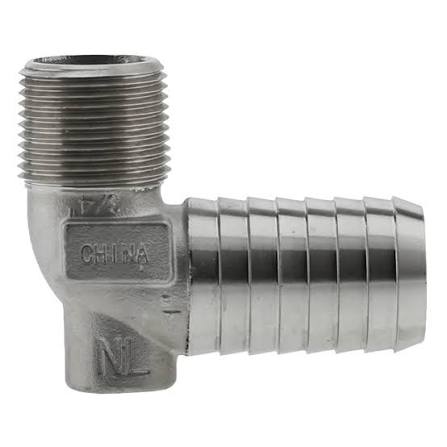
In certain brass or galvanized piping systems, an elbow female thread can be directly connected to male thread pipe fittings. Its overall size needs to additionally include the effective thread length — for example, a 1/2-inch female thread elbow has an overall length about 12mm longer than the welded type.
Another compact design is the street elbow 90°, which features male thread at one end and female thread at the other, eliminating the need for a short pipe nipple. For a 3/4-inch specification, the center-to-end dimension of the male thread end is only 38mm, around 30% shorter than standard elbows.
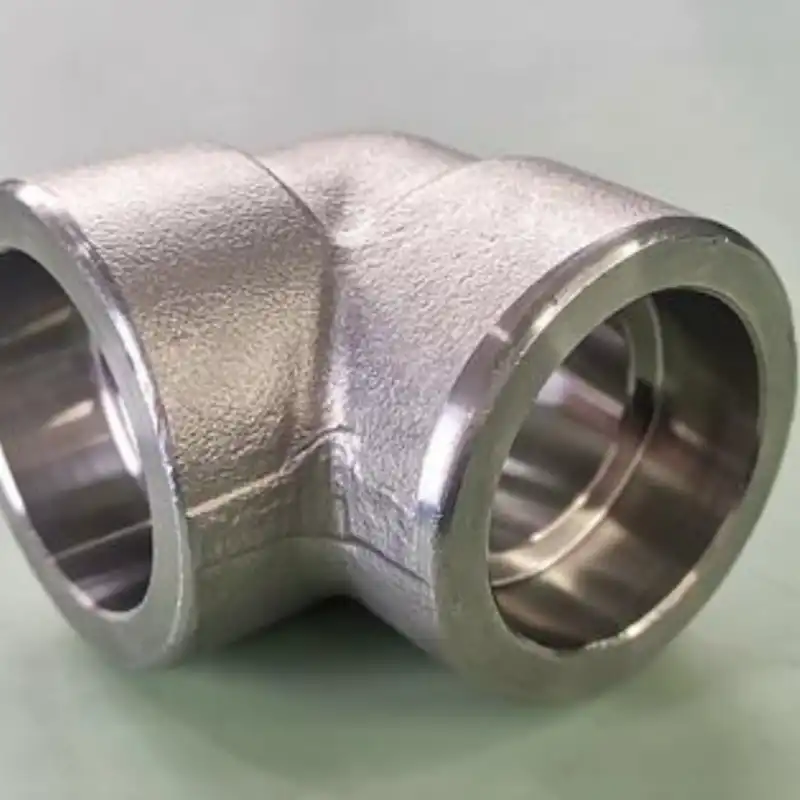
Regardless of the type selected, always refer to the dimension tables in ASME B16.9 (for welded fittings) or ASME B16.11 (for threaded/socket weld fittings) to ensure the wall thickness, center height and pressure rating match the pipeline. Accurate size selection guarantees low flow resistance and leak-free operation of the piping system.