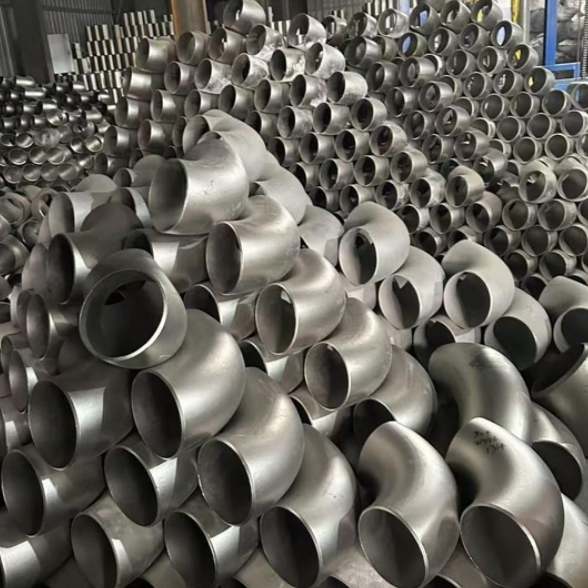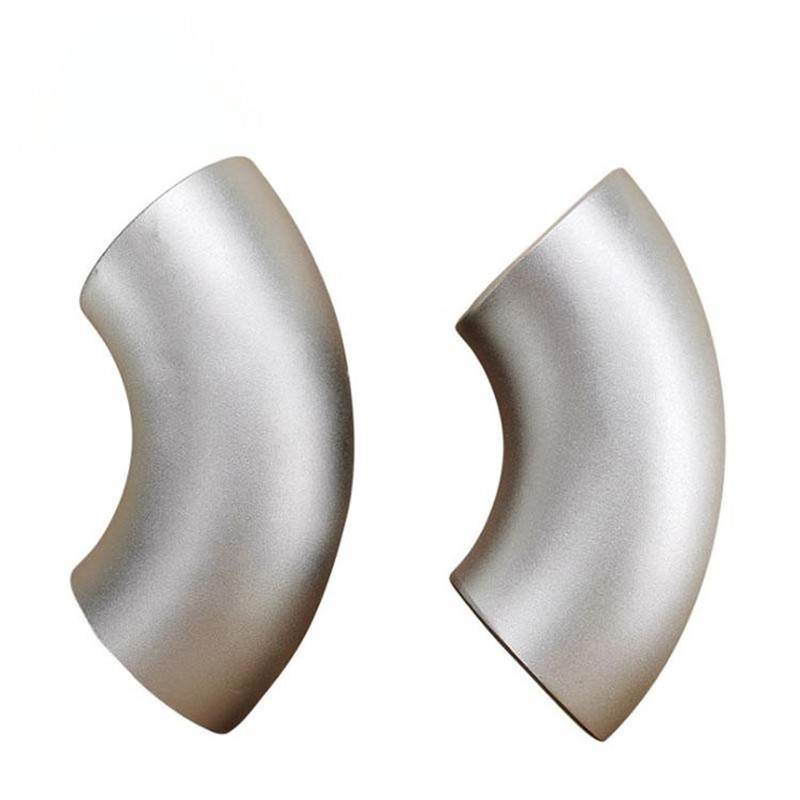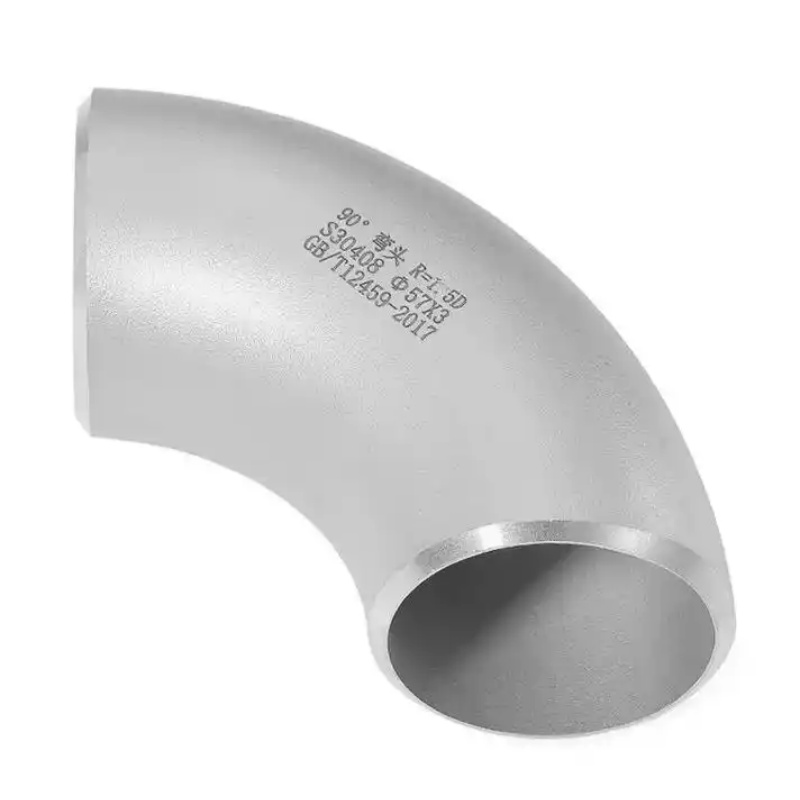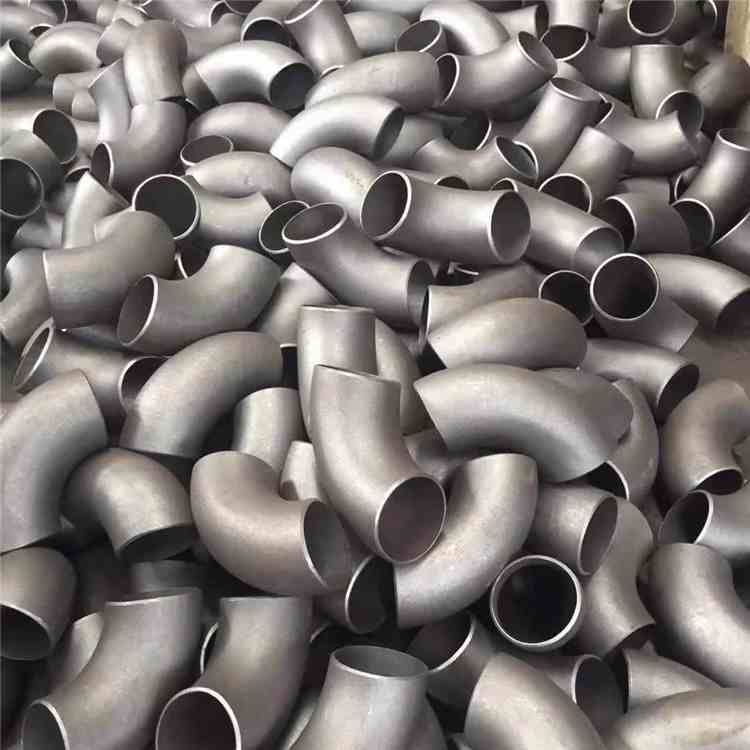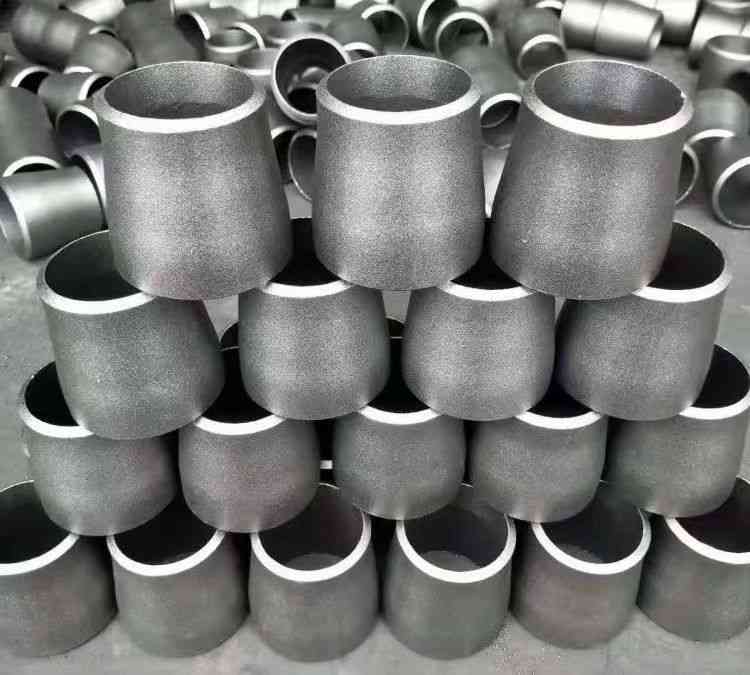
What are elbow pipes?
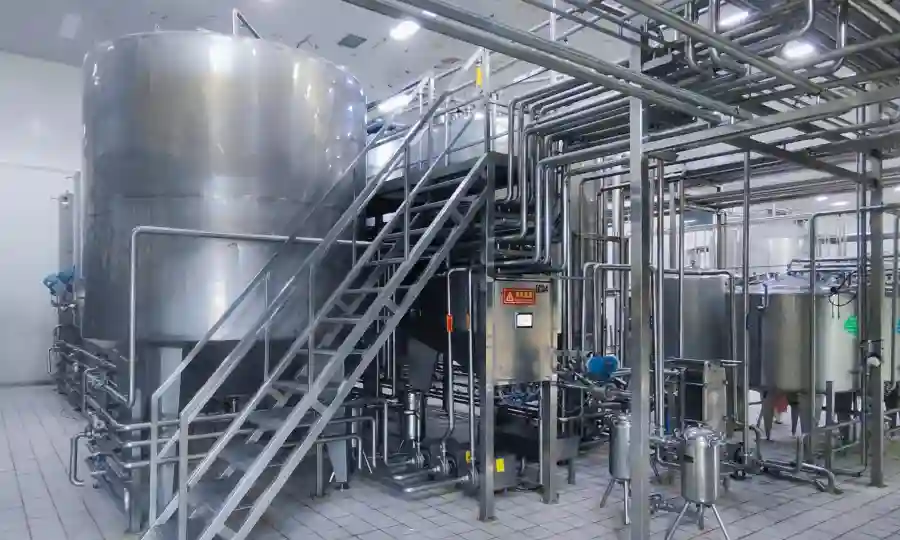
In oil extraction and transportation systems, elbow pipes are core components used to change the direction of pipeline flow. From onshore wellheads to offshore platforms, a stable pipeline route usually requires dozens of elbows with different bending angles.
Take the commonly used long-radius elbow (R=1.5D) as an example, its pressure drop is only about 60% of that of short-radius elbows (R=1.0D). For this reason, the API 5L standard recommends prioritizing 1.5D elbows for high-pressure transmission applications.
Material Selection: Balancing Corrosion Resistance and Structural Strength
For crude oil with sulfur content and offshore service conditions, elbow pipe stainless steel grades such as 316L stainless steel serve as the optimal option, thanks to their outstanding pitting corrosion resistance with PREN≥25. For high-pressure main pipelines, elbow pipe steel materials including A234 WPB carbon steel can withstand working pressure up to 6000 psi. Combined with internal and external anti-corrosion coatings, they fully meet the operating requirements of most onshore engineering projects.
Connection and Welding: Guaranteeing Overall System Integrity
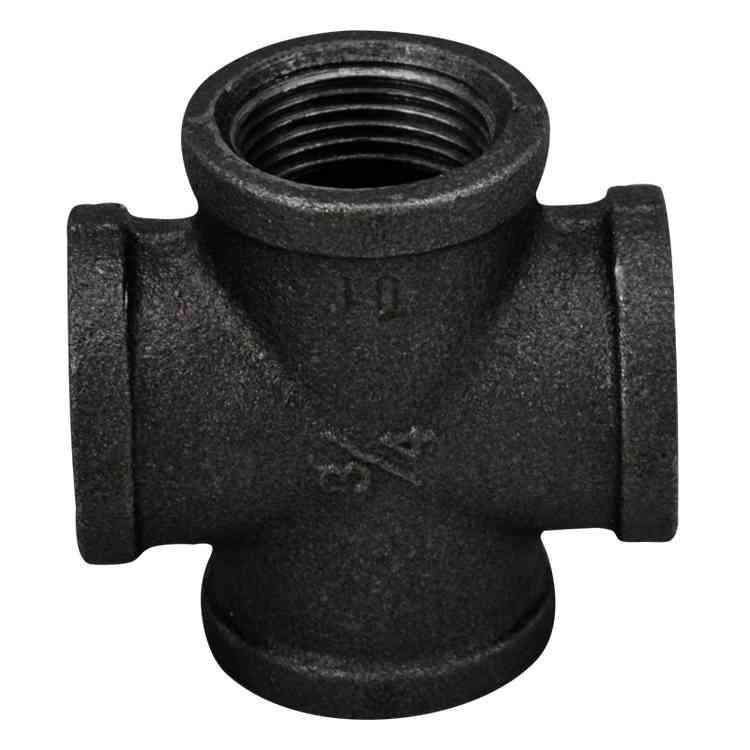
Every elbow needs firm and sealed pipe and elbow connections with adjacent pipe sections. The conventional coupling elbow pipe solutions adopt threaded or socket weld structures, which are widely applied in low-pressure auxiliary pipelines.
In main process pipelines, elbow pipe welding is the dominant connection method. Welding construction must strictly follow specified WPS parameters. For carbon steel elbows with wall thickness ≥12.7mm, the preheating temperature shall be maintained between 100~150℃. Slow cooling with heat preservation after welding is essential to avoid hydrogen-induced cracks.
Common Challenges and Solutions in the Petroleum Industry
Challenge 1: Leakage Caused by Internal Erosion and Wear
Sand particles and rust impurities carried in petroleum fluids strike the outer arc surface of elbows at high flow velocities. The erosion rate of ordinary carbon steel elbows can reach 0.5mm per year.
Solutions: Overlay hard alloy on the inner curved surface of elbows with hardness ≥55 HRC, or adopt an increased wall thickness design. Thickening the outer wall of elbows to 1.5 times that of straight pipes (upgrading from Sch40 to Sch80) can extend the service life by more than three times.
Challenge 2: Sulfide Stress Cracking (SSC) in Weld Heat-Affected Zone (HAZ)
In sour petroleum service with H₂S partial pressure>0.05 psi, welding residual stress is highly likely to trigger SSC cracks.
Solutions: Conduct PWHT (Post-Weld Heat Treatment) on all elbow pipe welding joints, holding at 620~650℃ for 1 hour per 25mm of wall thickness to reduce residual stress to less than 40% of the yield strength. Meanwhile, select base materials with low carbon equivalent (CE≤0.42), such as ASTM A860 WPHY 70.
Professional Industry Reference
According to data from the 9th edition of Pipeline Rules of Thumb Handbook, optimized design of elbow radius and standardized welding procedures can improve the overall transmission efficiency of oil pipelines by 12%~18%.