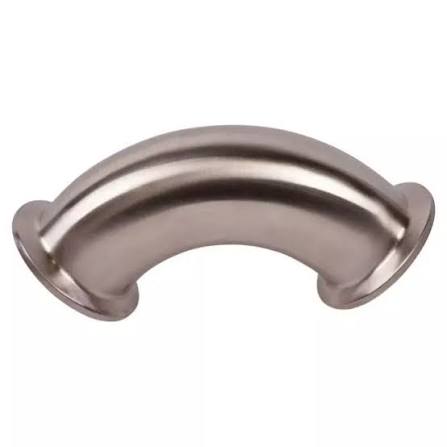
What is a bend in a pipe called?
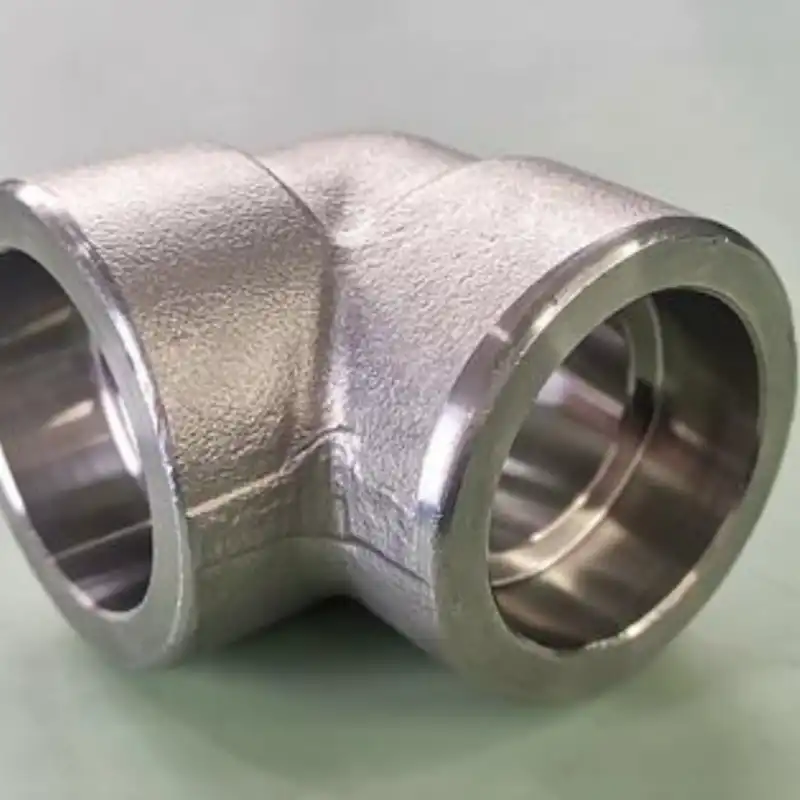
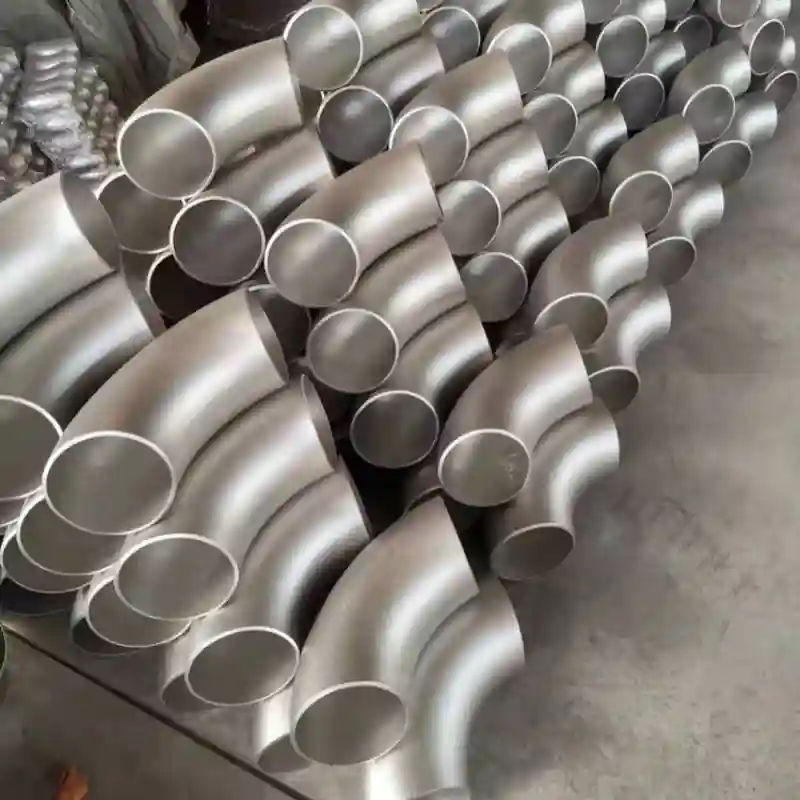
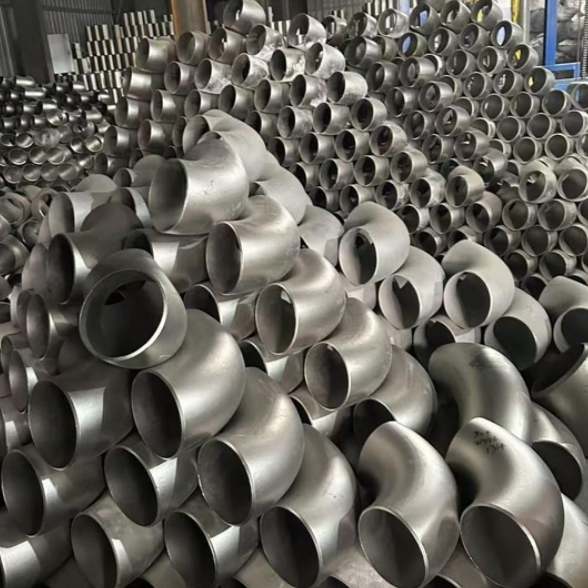
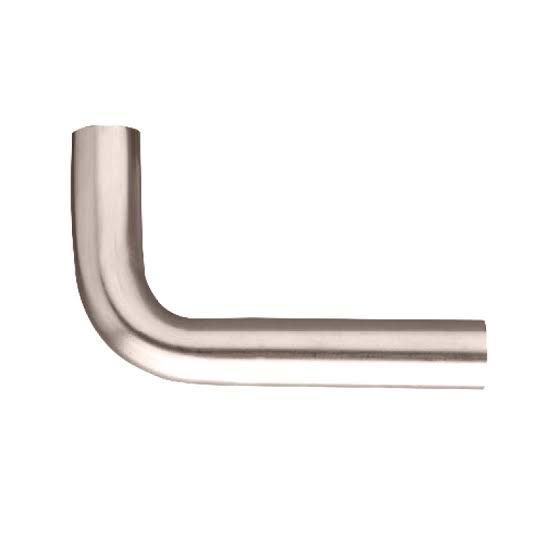
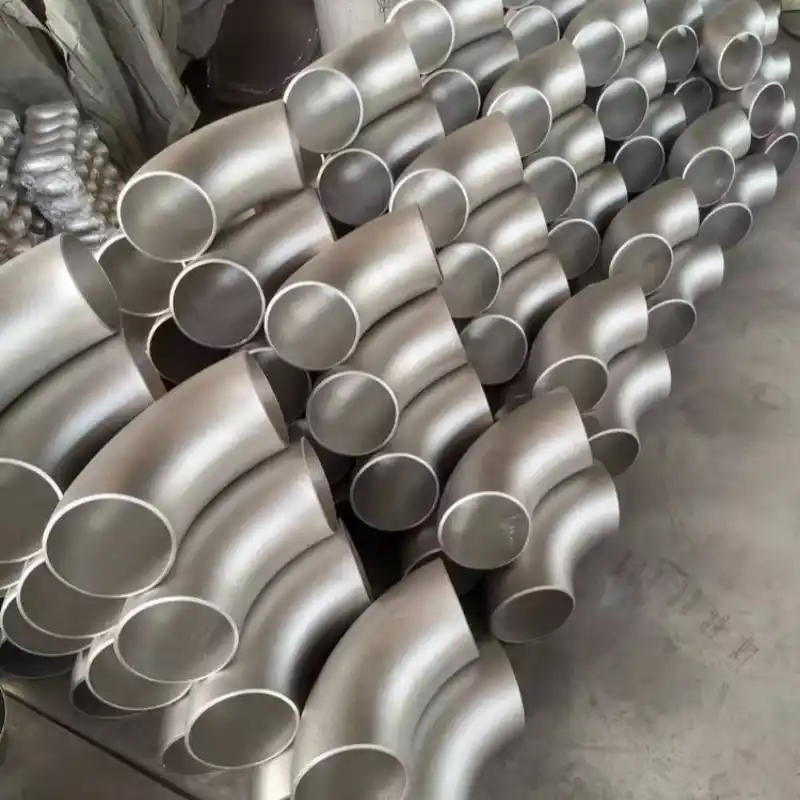
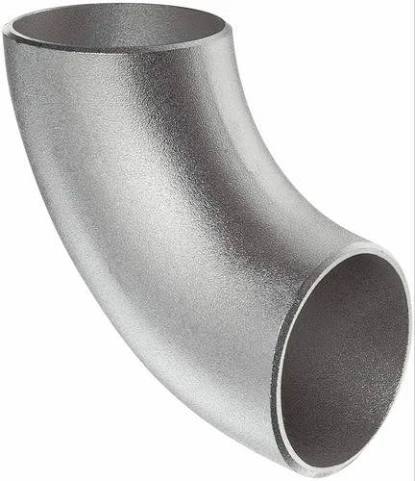
A curved component that changes the flow direction of media in a piping system is generally called an elbow. In the power industry — especially thermal power plants, nuclear power plants and combined-cycle power plants — elbows are not merely directional fittings, but critical joints subjected to the scouring of high-temperature, high-pressure steam and cooling water.
Power generation elbow is widely used in high-pressure steam pipelines. The curvature radius of such elbows is normally 1.5 times the nominal diameter (long radius elbow, R=1.5D), which reduces fluid impact and pressure loss.
For main steam pipelines with operating temperatures often above 540°C and pressure exceeding 10 MPa, we adopt carbon steel elbows manufactured to ASTM A234 WPB or creep-resistant alloy steel elbows of ASTM A234 WP11. Wall thickness ranges from Sch40 to Sch160 in accordance with ASME B16.9 standards, preventing crack formation under thermal cycling conditions.
In addition, when on-site space is limited and sharp turns are required, high-pressure steam elbow (such as short radius elbow, R=1.0D) can save layout space, yet it will increase pressure drop by approximately 20%. Therefore, large radius elbows (R≥1.5D) with wear-resistant lining coatings are recommended for circulating water systems of power plant condensers.
For high-pressure feedwater systems requiring precision butt welding, utility-grade pipe bend is fabricated through hot pushing technology, with the wall thickness reduction rate controlled within 12.5% to comply with ASME B31.1 specifications. The end bevel and straight section length of this type of bend are secondarily processed to guarantee concentricity with the main pipeline.
Common Issues and Solutions in the Power Industry
Q1: How much pressure loss will elbows cause in power plant steam pipelines?
Pressure loss mainly depends on the radius-to-diameter ratio (R/D) of the elbow. For long radius elbows with R/D=1.5, the equivalent resistance coefficient (K value) is about 0.2~0.3; while for short radius elbows with R/D=1.0, the K value can reach 0.5~0.6.
It is recommended to fully adopt long radius elbows (R≥1.5D) for main steam and reheat steam pipelines, and install pressure monitoring points before and after each elbow. If the pressure drop exceeds the design value (e.g., exceeding 5% of the total system pressure loss), replace with extra-large radius elbows (R=2D) or install guide vanes.
Q2: What special material requirements must elbows inside nuclear power plant containment meet?
Nuclear-grade elbows compliant with RCC-M or ASME Section III must be made of austenitic stainless steel with low carbon, low cobalt and low boron content, such as Z2CND18-12 (equivalent to ASTM A182 F316L) or intergranular corrosion-resistant 304LN.
After forming, elbows shall undergo solution heat treatment at 1050°C followed by water quenching, and liquid penetrant testing (PT) under a 10x magnifying glass to ensure no microcracks. For primary circuit elbows with a design temperature over 300°C, the additional wall thickness margin shall be increased by at least 1.5 mm to offset stress corrosion induced by radiation.